Hepper is reader-supported. When you buy via links on our site, we may earn an affiliate commission at no cost to you. Learn more.
5 Health Risks of Dirty Litter Boxes: Vet Reviewed Facts & Tips


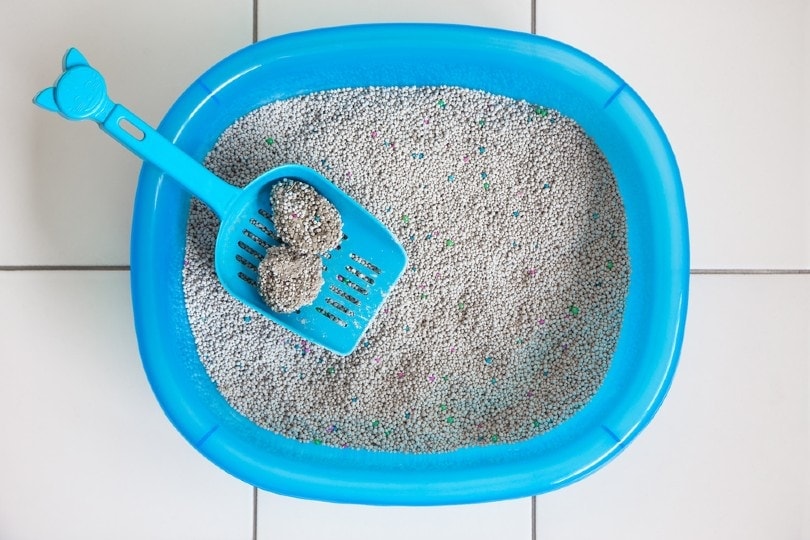
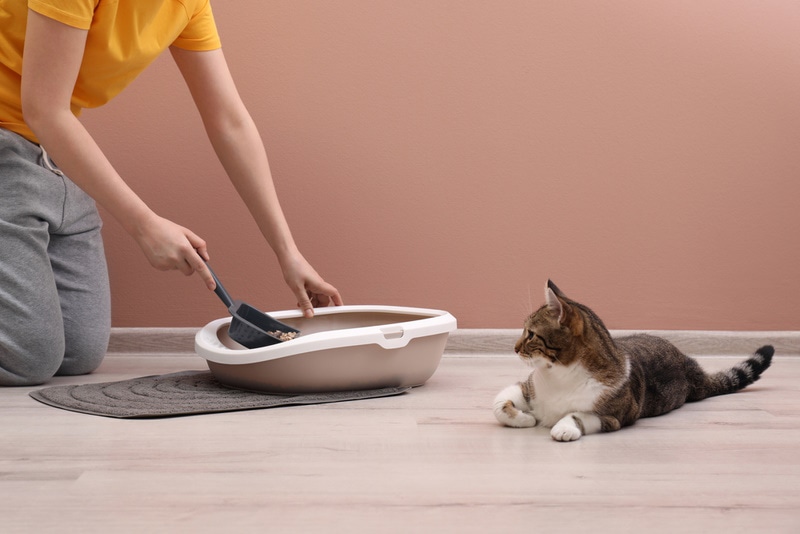
Cleaning a litter box is a dreaded duty of every cat owner, but it is necessary for proper hygiene. Failing to clean your cat’s litter box regularly can cause a variety of health problems, not just for your cat but for you as well.
Find out the five health risks of dirty litter boxes and why this is an important part of cat ownership.

The 5 Health Risks of Dirty Litter Boxes
1. Feline Lower Urinary Tract Diseases
Feline lower urinary tract disease is a term used to describe conditions that affect the bladder and/or urethra of cats. Dirty litter trays, that your cat is reluctant to use, can play a part in the development of urinary tract problems which are very uncomfortable for your kitty and can be very serious.
One of the most common issues is called feline idiopathic cystitis. Although this condition does not have an obvious cause, stress is known to play a role. A dirty litter box that your cat does not want to use can be a source of stress. If your cat avoids the litter tray and holds onto their urine for long amounts of time it will also be more concentrated. Strong, concentrated urine can be more irritating for the cells lining the bladder and may contribute to the development of crystals in the urine.
Bacterial urinary tract infections (UTIs) are less common in cats but they may be at increased risk if they are squatting over dirty litter.
The signs of urine problems in cats include:
If your cat is trying to urinate and not passing any urine then this is an emergency and could be a sign of a blocked bladder. Contact your vet for an urgent appointment.
2. Parasites
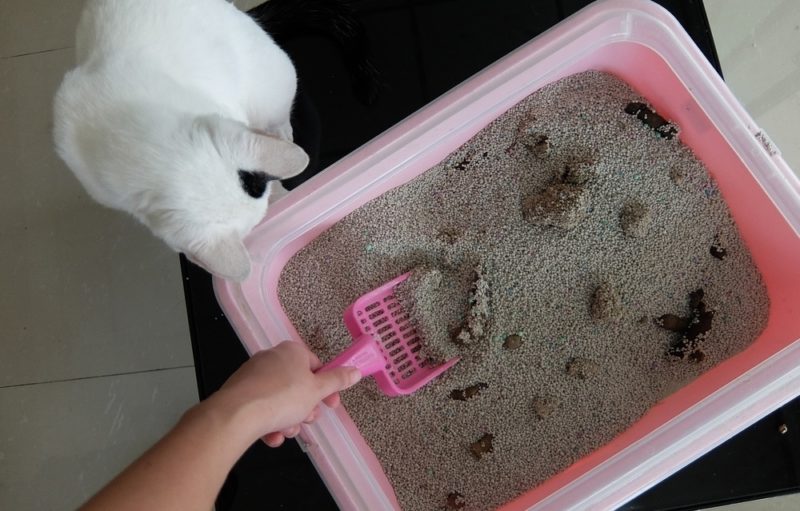
Cat waste can harbor parasites. Worms including roundworms and hookworms can be shed in the feces. Both of these can cause health problems for both your cat and humans. With hookworms, as your cat uses the litter box and tracks through old waste, it is easier for a parasite to enter its body.
Cats can also be infected with the protozoan parasites Giardia and Cryptosporidium which can be passed to humans through their infected poop.
Depending on the parasite, the signs cats will show range from mild to serious.
The signs may include:
3. Toxoplasmosis
A dirty litter box poses health risks for you as well. Toxoplasmosis gondii is a parasite that's found in the feces of cats who eat infected raw meat, birds, or mice. People can become infected by handling anything contaminated by infected cat poop.
Pregnant women should take extra precautions since the parasite can pass to the fetus and cause birth defects. Many people with toxoplasmosis don’t show signs, but others may have flu-like signs. The most serious cases of toxoplasmosis occur in pregnant women, infants, and people with weakened immune systems.
4. Respiratory Problems
The ammonia smell from cat urine can quickly become overwhelming in a dirty litter box. A maintained litter box has negligible amounts of ammonia from cat urine, but it builds up without regular cleaning. Both humans and cats can experience respiratory problems like asthma, allergies, or in severe cases, pneumonia from inhaling ammonia.
The signs can include:
5. Bacterial Infections
Leaving a litter box dirty means more bacteria building up, many of which can also make people unwell. This includes Salmonella. Cats become infected with Salmonella by eating infected birds, rodents, or contaminated pet food, especially raw food. Infected kittens may have diarrhea but adult cats often don’t show signs of infection. People may also contract salmonella through contact with infected cat poop and develop GI signs such as abdominal cramps and diarrhea.
Campylobacter is another bacteria that cats can pick up by eating raw contaminated meat and then shed in their feces. Cats may show no signs of infection with Campylobacter or they may have diarrhea. People who pick up Campylobacter often have bloody diarrhea, fever, and stomach cramps.
How Often Should Litter Boxes Be Cleaned?
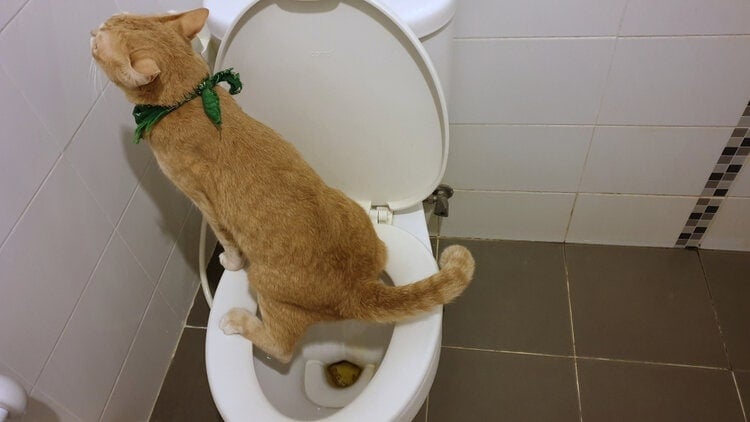
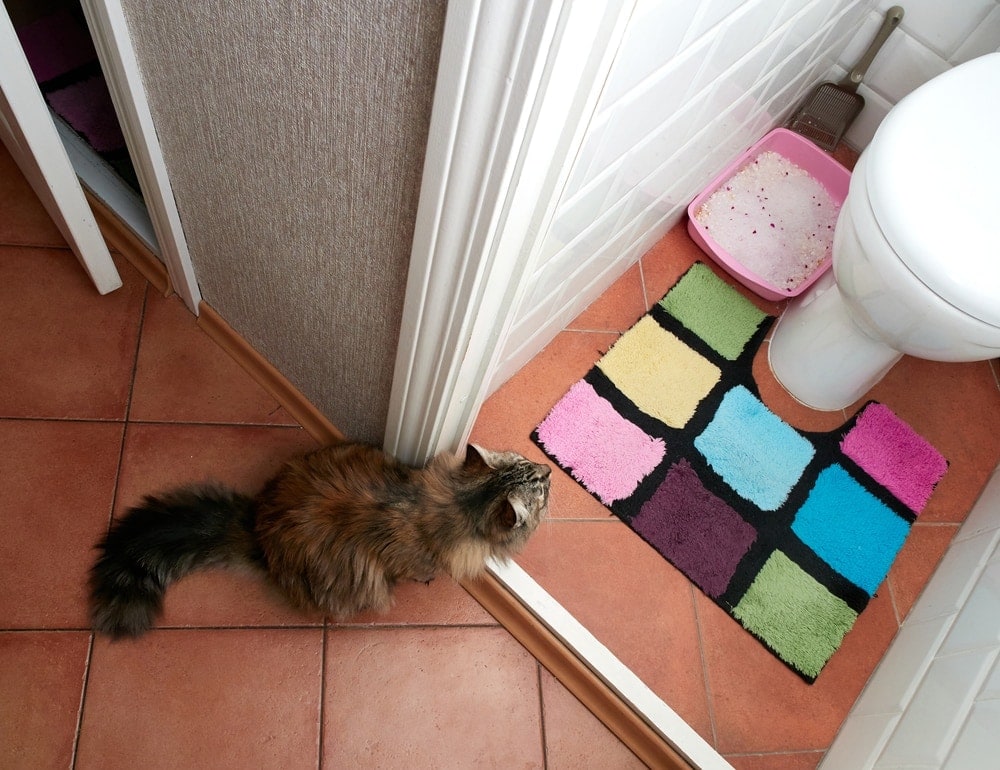
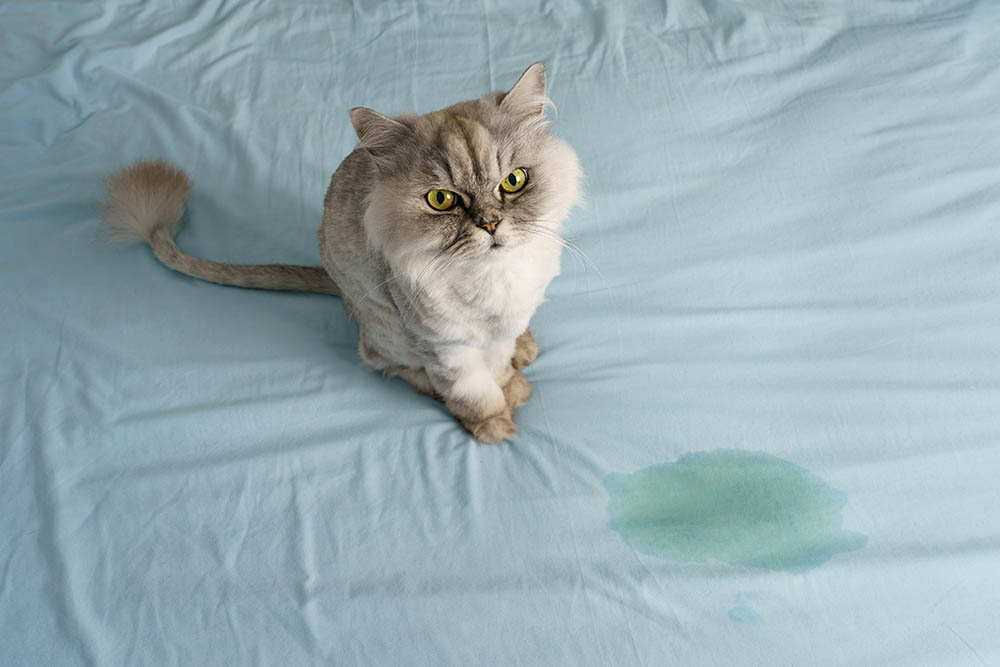
Cleaning your litter box regularly protects you and your cat from disease and makes cleaning and changing the litter easier, rather than letting it build up. Cats are also clean animals, so leaving them with a dirty litter box could encourage soiling outside of the litter box, such as on the floor or in the bathtub.
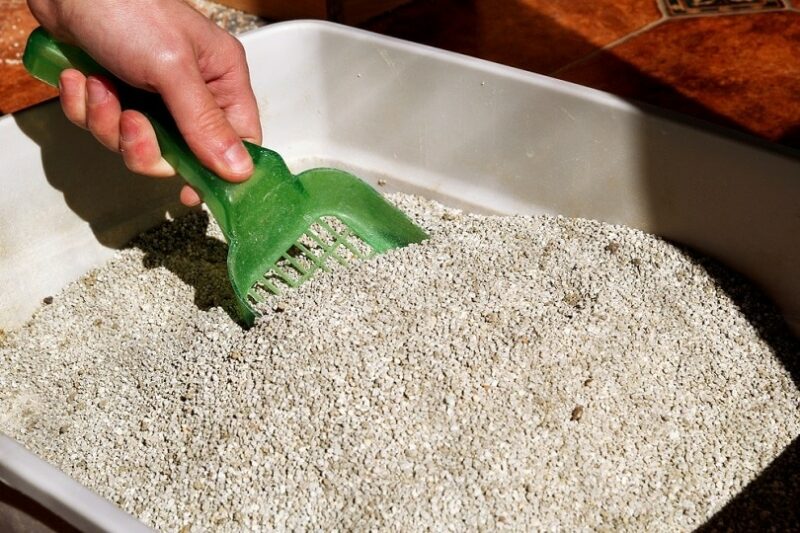
The general rule for litter boxes is one for each cat in your home, plus one more. Litter boxes should be scooped at least once daily, but how often you replace the litter depends on the type of litter you use, how many cats you have, and how many litter boxes you use.
Changing the litter twice a week is a good guideline for clay litter, but you may need to replace it often. If you clean your litter boxes regularly, you may be able to go longer in between litter changes. It is important to scrub the litter box well each time you change the litter to remove residual odors.
Even after the litter is changed you may be left with smells and stains around the house – but with the Hepper Advanced Bio-Enzyme Pet Stain & Odor Eliminator Spray, you can take care of it all. It's our product, and we love it so much, we just have to share it! It permanently removes the very worst smells and stains, and we offer a 100% satisfaction guarantee!

- ADVANCED ENZYMATIC CLEANER - Penetrates the most stubborn smells and stains at the deepest molecular levels to dissolve any pet mess you encounter and lift it away at the source.
- FOR ANY MESS, ON ANY SURFACE - This pet odor eliminator cleans your carpets, floors, furniture, fabrics, and more. Whether it's urine, feces, vomit, or drool, you can erase all foul spots and smells!
- FRESH, NATURAL ODOR - Our unique formulation doesn't rely on dangerous or unpleasant chemical fragrances to get the job done. We eradicate smells and stains, not just cover them up.
Conclusion
Cleaning a litter box may not be the most exciting chore, but it is important for your health and that of your cat. If you're diligent in cleaning your cat’s litter box, you can reduce the risk of disease and prevent bigger and messier problems, such as a cat that develops urinary conditions and soils outside of the litter box.
Featured Image Credit: Karnstocks, Shutterstock
Get Hepper In Your Inbox


Pet care tips from our vets and experts, straight to your inbox.
You may opt-out at any time. View our Privacy Policy for more information.
Nicole is a lover of animals of all sizes but is especially fascinated with the feline variety. She’s the proud mom of Baby, a Burmese, and works every day so he can relax in the sunshine or by the fire. She’s always had a cat in her home and has spent countless days with others, observing behaviors and softening up even the grouchiest of the lot. Nicole wants to share her kitty expertise with you so you and your cat can live happy, healthy, and care-free.
Join the conversation
Ask a question, share your story, or send private feedback.