Hepper is reader-supported. When you buy via links on our site, we may earn an affiliate commission at no cost to you. Learn more.
Why Is My Parakeet Panting? 7 Vet-Verified Reasons


One of the most difficult parts of owning a pet is not being able to effectively communicate with them. Animals cannot tell you when something is wrong, or explain why their behavior or actions may have changed. These kinds of concerns can arise when you notice your parakeet panting. Is panting normal for birds? Is your parakeet okay? Should you be worried?
The good news is that panting is natural, and it can happen for a number of reasons. Most of the time, there is nothing to worry about. However, there are some things that can cause your parakeet to pant that are concerning.
Depending on who you speak to, the term ‘parakeet’ may be used to describe several species of small parrots, but is often used to refer to one specific parakeet species, the budgerigar (Melopsittacus undulatus). In either case, the same principles will apply.
Here are some reasons why your parakeet might be panting, and when you need to be worried.

The 7 Reasons Why Your Parakeet Is Panting
1. Allergens
Birds have very sensitive airways and are susceptible to airborne allergens. This is why canaries were used to detect harmful gases in mines in the past. If your bird is panting, a common reason is the presence of something in the air that is causing them to react. Parakeets can react to dust, smoke, or gases. Cooking certain foods, having something burn in the kitchen, or having a dirty air filter can all cause your parakeet to start panting. If you notice your parakeet panting, the first thing you should do is look for any signs of airborne contaminants that could be affecting your bird, and safely move them to somewhere they can access fresh air.
2. Heat
Although most parakeets are tropical birds, they can still get overheated. Prolonged temperatures over 80 degrees can stress your parakeet. Indoor parakeets are less likely to overheat than outdoor parakeets, but if you have the heating up high during winter, they may feel the effects. If your parakeet starts to breathe heavily, you should check to make sure that the temperature is okay. Sometimes, the cage can heat up after sitting in a beam of sunlight for too long. Parakeets can also get overheated if they are sitting near a heating vent during the winter. Some people accidentally put their parakeets too close to their radiator or their heating vent.
Parakeets can also get overheated if the air inside is stuffy or if they do not have enough room to move around. Good airflow and the ability for your bird to comfortably move around the cage are imperative to keeping them cool, especially in the summer. Providing them with a bath is a great way to help your parakeet keep cool in summer, but be sure to regularly change the water as bird baths get pretty filthy quickly.
Some parakeets will enjoy a light misting of water from a spray bottle or air movement from a fan. Never use a strong spray on your bird, or place them in the direct line of the fan; these are things that should be optional for your pet, not forced upon them.
3. Overexertion
Sometimes, parakeets can overexert themselves if they have been particularly active. If your parakeet is excited or spends a lot of time flying around, playing, or singing, they could occasionally become short of breath. Just like a person, if you work out too hard or spend a prolonged amount of time being active, you can be out of breath, and your parakeets are the same. If you have highly active birds, they could be exerting themselves and getting out of breath. This is doubly true if you have a cage with multiple birds that like to fly around together.
This could also happen if your bird is not used to much exercise and suddenly starts flying around - ie. they’re unfit. It is vital to provide your parakeet with the right sized enclosure to allow flight, or regularly bring them out for exercise. These parrots may be small, but they still need room to stretch their wings.
4. Stress
Another thing that can cause your parakeet to start panting is stress. Birds can easily get stressed out if their environment changes. New birds, new people, new locations, new food, or airborne contaminants can all cause your bird to become stressed. If they are stressed, they can start panting. Stressed birds can also overexert themselves, which can play into the panting. If you think that your bird is stressed, try to find the source of the stress and move the cage, rearrange the cage, or try to calm them down. If their breathing returns to normal after they’ve calmed down, then the panting was likely just due to stress.
5. Obesity
As strange as it sounds, your parakeet could be panting because they’re overweight. Birds are very small, and it does not take too much to get them out of shape. If your parakeet is obese, it will become stressed and overexerted more easily. You should consult your veterinarian if you suspect that your parakeet could be overweight. They can recommend a dietary change or a decrease in calories in order to try and get them back to a healthy weight. Young and healthy parakeets are less likely to pant than older or overweight parakeets.
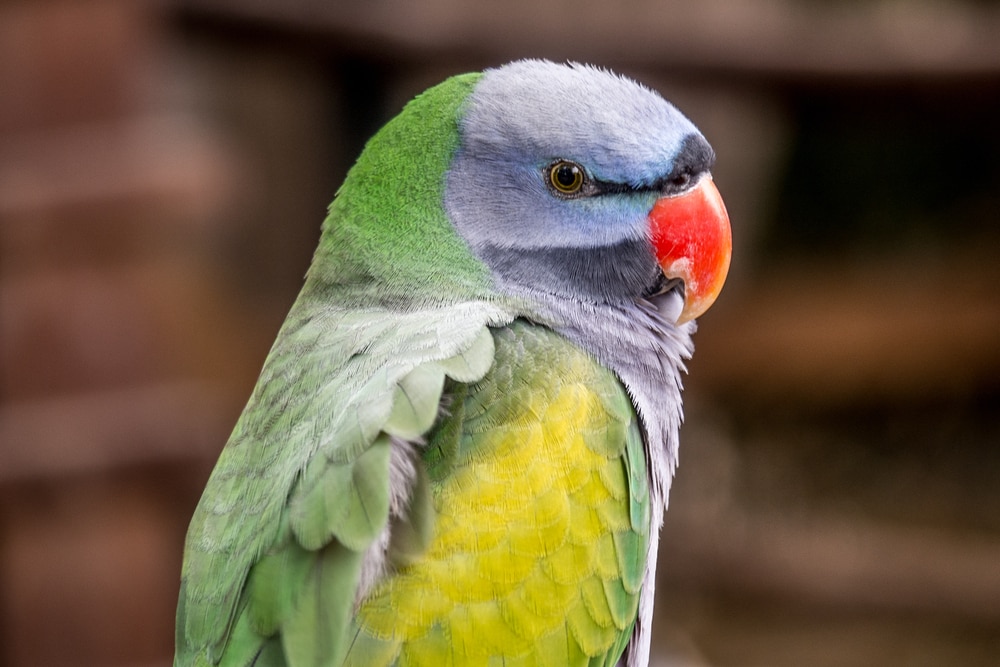
6. Illness
Illness, particularly infection, can cause your parakeet to breathe heavily. Birds are susceptible to respiratory illnesses, and if your bird catches an avian disease, it can quickly affect their breathing. If you suspect that your bird could be ill, you should consult your veterinarian for a treatment plan and prognosis. Signs to watch out for include a dropped tail, hunched posture, reduced appetite, and activity level. You may also notice wheezing or whistling when they breathe, or discharge from their nares (nostrils) if there is infection present.
7. Eggs
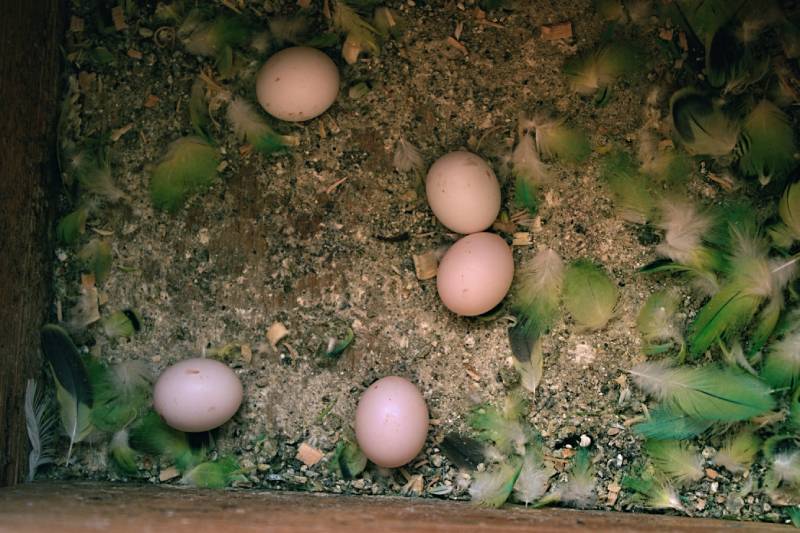
Lastly, your parakeet can start panting if they have recently laid eggs. Egg laying can be stressful, and it can put a strain on your parakeet’s body. This is especially true if the eggs become fertilized. Parakeets that have recently laid eggs are more prone to stress have heightened amounts of hormones in their system, and their body temperature rises. All of this can lead to labored breathing. If you notice any eggs in the cage, this could be the source of your bird’s breathing changes.
Eggs can also become stuck, a condition referred to as being egg-bound. This is a life threatening condition, and if you suspect this is a possibility, you need to get your parakeet to the vet urgently. Be aware that females may lay eggs even if there are no males around.

Identify the Problem, Then Find a Solution
If you notice that your parakeet is panting, you should work through the potential causes and find a solution. Check the air for allergens or smoke. Check the cage for signs of eggs or stress. Make sure the temperature is at a comfortable level. If you can’t find an obvious or environmental reason for the panting, then there could be something wrong with your bird’s health, such as obesity or illness. You might need to consult your veterinarian to get to the bottom of the issue.
Should You Be Concerned About Your Parakeet Panting?
Not necessarily. If you notice your parakeet panting, the reason is more likely to be harmless and readily rectified. If you notice your parakeet panting every once in a while, they could simply be a little warm or might have finished with an extensive play session with their friends.
You should be concerned if you notice that your parakeet is panting frequently or will not stop panting. If your parakeet is panting every day or has trouble regulating their breathing, then there could be a more concerning issue at play.
Monitor your parakeet and take note of how heavily they are panting, how often they are panting, and for how long. If the panting resolves itself on its own and does not come back frequently, there is usually little cause for alarm.
Conclusion
It can be concerning to see your parakeet panting, but don’t panic. Panting is a natural bodily function that these small birds will do if they are active, hot, or stressed. Assess the situation and decide what, if anything, you need to do to help, whether it be moving them to a cooler, quieter, or less dusty location, or making an appointment with the vet. As always, if you think your parakeet is panting because they are unwell, do not hesitate to seek professional advice.
Sources
https://vcahospitals.com/know-your-pet/egg-binding-in-birds
https://vcahospitals.com/know-your-pet/respiratory-disease-in-birds
Featured Image Credit: Felix Mizioznikov, Shutterstock
Get Hepper In Your Inbox


Pet care tips from our vets and experts, straight to your inbox.
You may opt-out at any time. View our Privacy Policy for more information.
Grant is a freelance writer with years of experience writing about a diverse range of topics. His days are spent writing and caring for eight animals (two horses, two donkeys, two goats, and two dogs). In his free time he enjoys slowly carving out a quaint hobby farm from the Southern scrub. He currently lives in his native Florida with his wife and son.
Join the conversation
Ask a question, share your story, or send private feedback.