Hepper is reader-supported. When you buy via links on our site, we may earn an affiliate commission at no cost to you. Learn more.
Why Do Cats’ Eyes Glow in the Dark? Science-Based Facts & FAQ


In this article
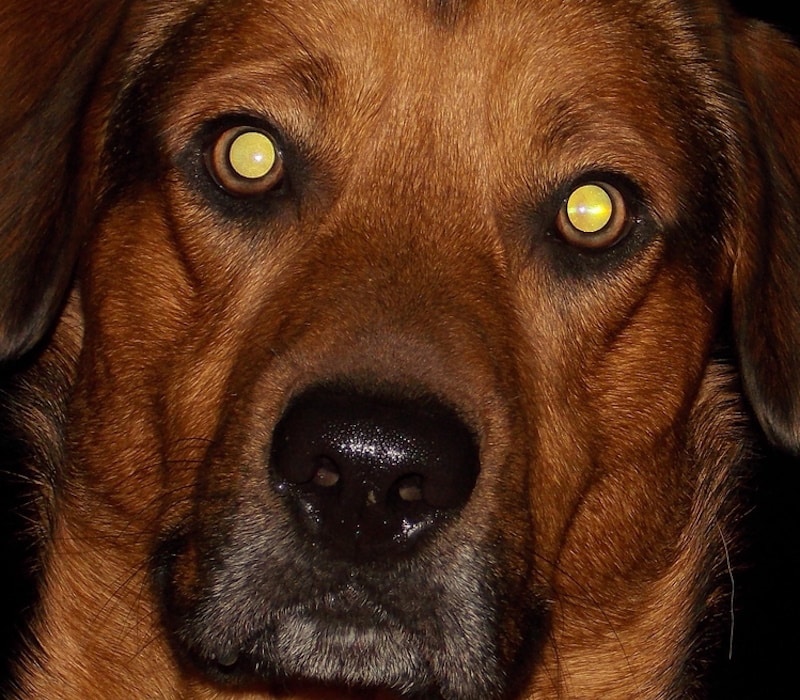
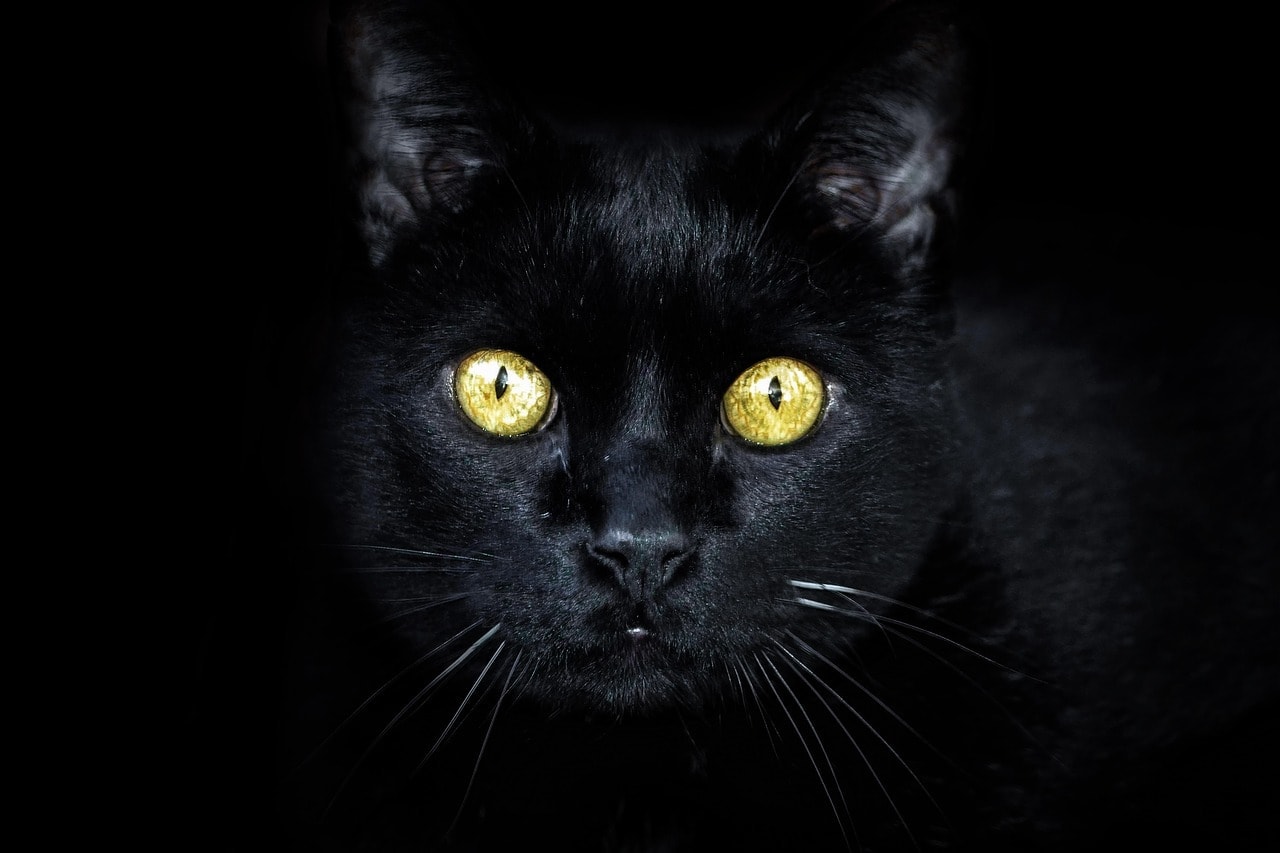
Cats’ eyes seem to glow in the dark because they have a distinct shine when viewed at the right angle or when you accidentally blast your cat in the face with flash photography. The cause is very well known and studied in science, and cats aren’t the only ones that experience it! Cats, dogs, rodents, and aquatic mammals may seem to have little to nothing in common. Still, they all share one trait: They have a structure called the tapetum lucidum at the back of their eyes that is responsible for the characteristic eyeshine that makes their eyes appear to glow in the dark.

What Is the Tapetum Lucidum?
The term "tapetum lucidum" is Latin, meaning "shining carpet." It refers to a reflective layer inside the eye that’s present in many nocturnal and crepuscular animals. This iridescent layer inside the eye reflects the light that passes through the retina. It reflects it back to the retina a second time, essentially giving light another chance to reach the photoreceptors. When a beam of light hits the tapetum, it acts like an iridescent mirror, with a beautifully colored reflection. It’s how we get that classic glowing effect from a cat’s eyes, referred to as "eyeshine" in science.
Most creatures with a tapetum lucidum are nocturnal or live in low-light environments, such as deep under the sea. The tapetum lucidum is there to help them see in the dark and makes their eye more sensitive to light by enabling the photoreceptors in their retina to make the most of the light that enters the eye. The photoreceptors are light-sensitive cells that transform light into electrical signals that travel through the optic nerve to reach the cat’s brain. There, the signals turn into images and the vision process is complete. The tapetum lucidum is observed in numerous species, including all cats.
Humans and most other dry-nosed primates are mostly diurnal, meaning they are active during the day, so they don’t have a tapetum lucidum since they don’t need one. However, a type of eyeshine can be observed in humans. A red-eye effect while taking photographs occurs when light enters the eye and gets reflected at the back of the eye, where all the blood vessels are. That is where the red color comes from.
How Does the Tapetum Lucidum Work?
The cat’s tapetum lucidum is one of four classifications of tapetum lucidum called the choroidal tapetum cellulosum. This form of the tapetum lucidum is composed of several layers of cells that contain refractive crystals. The crystals' organization and exact cellular makeup show diverse differences in the several species with this type of tapetum lucidum.
Also, the tapetum lucidum acts on any light that passes through the eye, no matter how minimal. The light that is not absorbed in the retina reaches the tapetum and is reflected back to have another chance to be absorbed. However, the light that does not reach the retina, is reflected outside the eye, and reaches our eyes is the tapetal reflex, or eyeshine. Due to this ability to make the most of light, it is estimated that the intensity of light that cats need to see is six times less than that needed by people.
What Is Eyeshine?
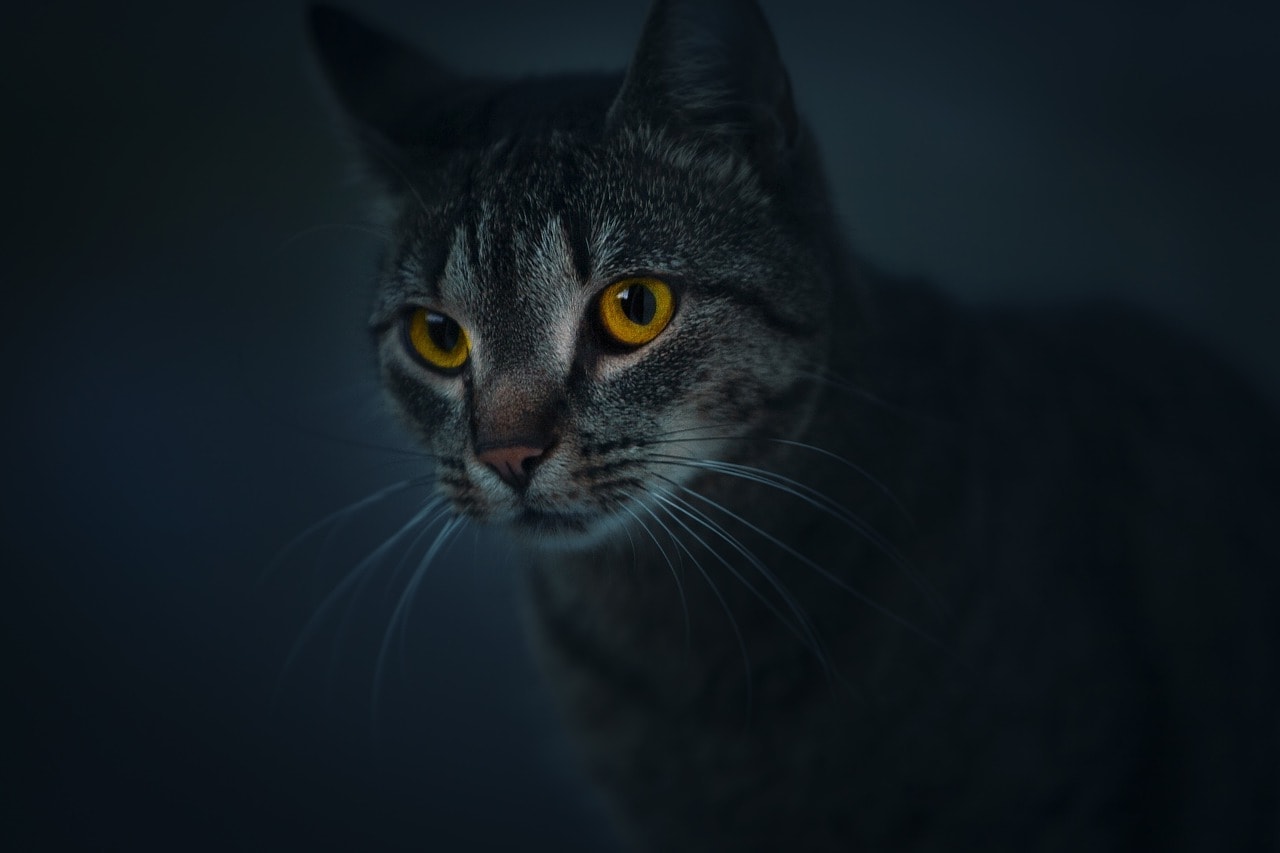
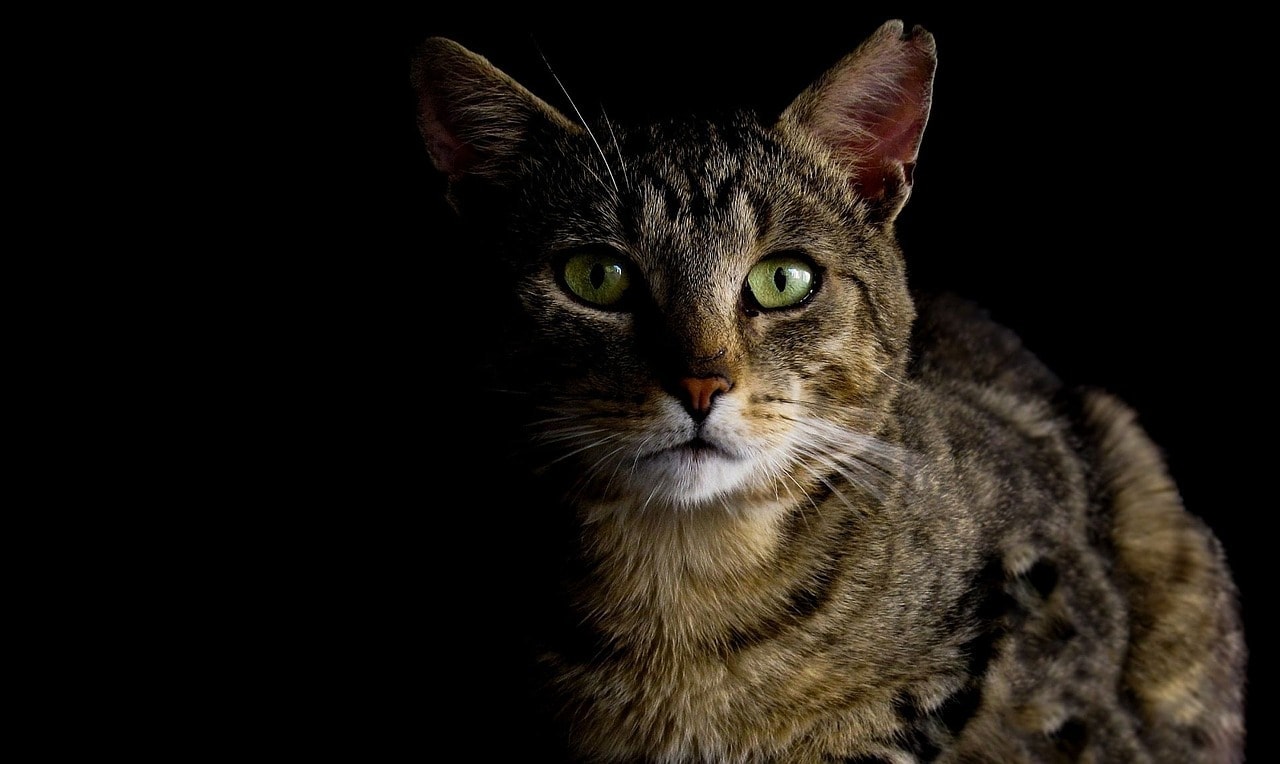
“Eyeshine” is the scientific term for the shiny, glowing effect that we see when we shine lights in our cats’ eyes or catch them from the right angle at night. It’s the light reflecting off the tapetum lucidum that creates the eyeshine effect.
The tapetum lucidum has its own color that determines the color of the eyeshine. In cats, for instance, the eyeshine and tapetum lucidum are generally yellowish to greenish. However, since eyeshine is a type of iridescence, its color will change based on what direction you see the light from.
When captured with flash photography, cats and dogs with blue eyes may show both eyeshine and a red-eye effect like humans. Some dogs and cats with blue eyes have no tapetum, so they display a red eyeshine, and the pupil will appear to glow red, just like with people.

Final Thoughts
Cats' eyes seem to glow in the dark because they have a structure that reflects light like a mirror. The refractive crystals inside their tapetum lucidum reflect light back to the photoreceptors in the retina, giving them that characteristic eyeshine effect. This evolutionary phenomenon means the animals that possess it have superior vision in the dark. It might look scary if you aren’t expecting it from your cat, but don’t worry: It means your kitty’s eyes are working precisely as nature intended!
Featured Photo Credit: Angeles Balaguer, Pixabay
Get Hepper In Your Inbox


Pet care tips from our vets and experts, straight to your inbox.
You may opt-out at any time. View our Privacy Policy for more information.
Luxifa is a freelance writer with a passion for animal science and technology. She loves to share the world of animal science with people to help them make informed decisions for themselves and their pets. Luxifa has worked in professional pet care for over six years and realised she could help change the world of pet care by bringing the information people needed to them in terms they could understand. Knowledge is power and she loves to help everyone become the most informed they can be.
Join the conversation
Ask a question, share your story, or send private feedback.