Hepper is reader-supported. When you buy via links on our site, we may earn an affiliate commission at no cost to you. Learn more.
Why Do Dogs Beg for Food? 3 Vet-Reviewed Reasons & How to Prevent It


In this article
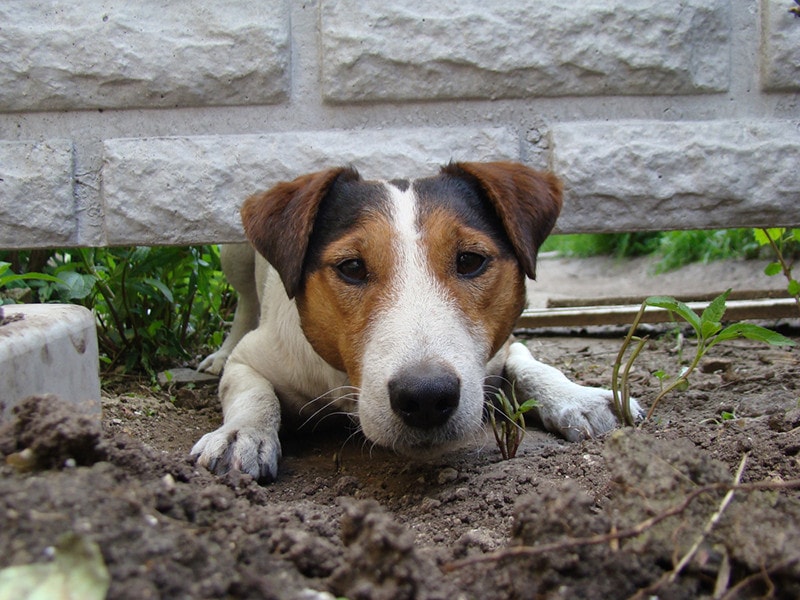
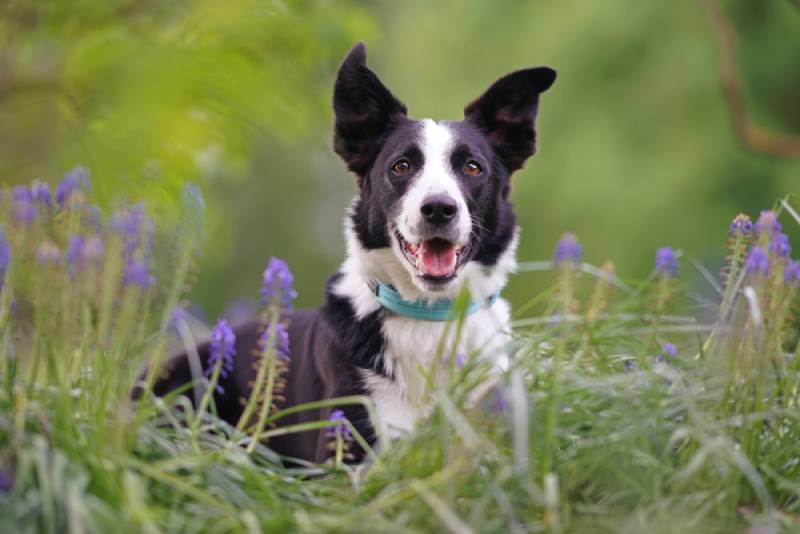
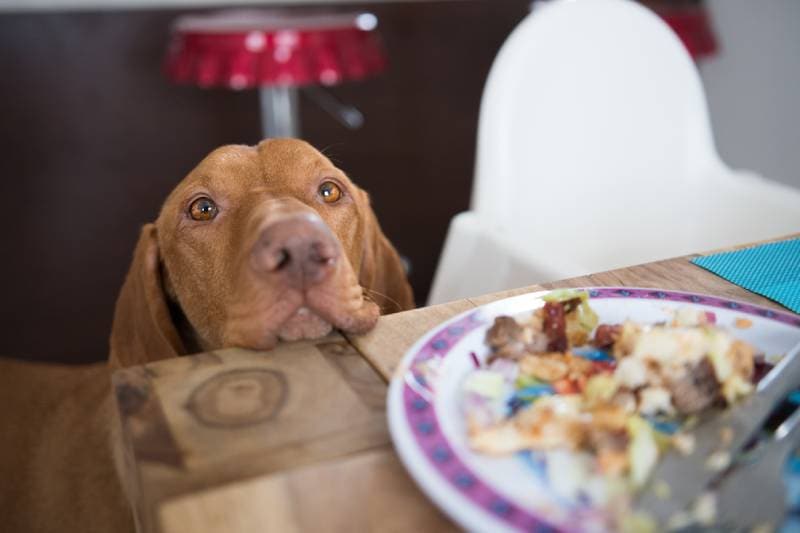
If you're a dog parent, you're probably no stranger to those puppy dog eyes gazing up longingly when you tuck into something. This is sometimes accompanied by whimpering sounds or pawing at you, and it is your dog's way of trying to get a freebie off your plate. Begging for food is normal for many dogs simply because it's instinctive for them to take any opportunity to eat.
However, dogs that beg persistently have made a habit of it due to a lack of boundaries and consistency. If you're fed up with your dog's begging, let's explore how it becomes a habit and what you can do about it.

The 3 Reasons the Dogs Beg for Food
If your dog begs for food, you may be worried you're underfeeding them. While this can exacerbate begging behavior, even dogs that are fed perfectly well beg for a variety of reasons, so don't automatically assume your dog is hungry.
Nevertheless, it's a good idea to check that your dog is eating the right kind of food based on their age, size, and overall health (ask your vet for advice if you're unsure) and is receiving appropriate portion sizes. Aside from insufficient nutrition, causes of begging include:
1. Instinct
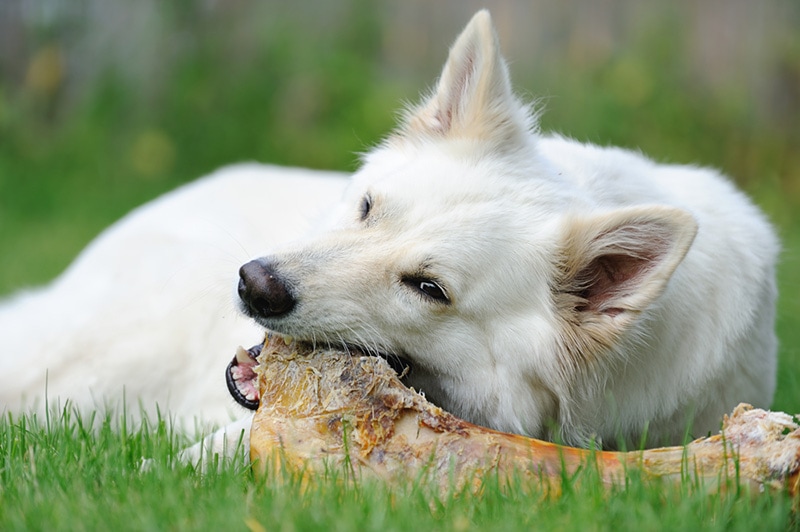
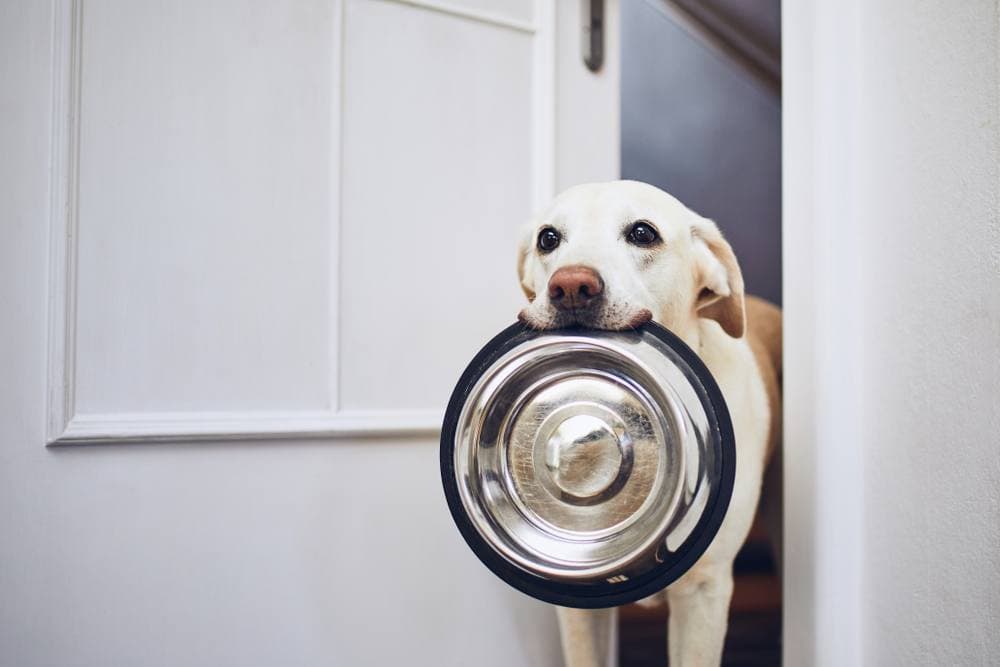
Your dog's wild ancestors didn't have humans to cater to them: They ate whenever they could in order to survive. Even though your domestic and no doubt pampered pooch is fed on a schedule, their ancient instincts are still intact, and they're still opportunistic eaters. For this reason, dogs won't think twice about taking more food than they need if it's available.
2. Habit
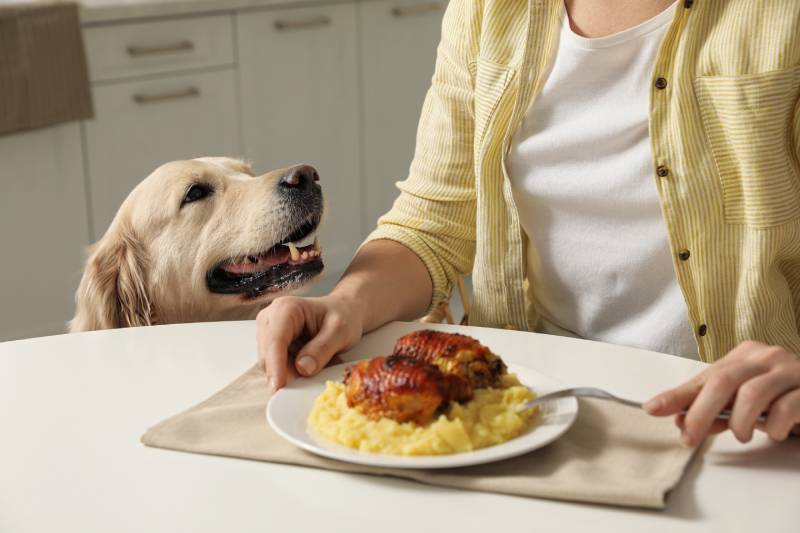
It's instinctive for dogs to beg, but humans often reinforce the behavior which turns it into a habit. If you give in to your dog's wide eyes when you eat and offer them something off your plate, it's telling them that it's okay to keep doing it. Even if you do it just once, it sends the signal that if your dog perseveres in trying to get something from you, they will get it.
3. Lack of Stimulation
If your dog is bored and doesn't get enough opportunities to exercise and play throughout the day, they may stir up mischief by begging for food from you or your guests simply because it's something fun to do. It also focuses attention on them, so it's a double win for a fed-up pooch.
The 4 Ways How to Prevent Begging
There are a few things you can do to put a stop to or at least reduce begging, but the key word here is "consistency". Whatever steps you take, you must do your best not to let your resolve waver as this can undo all your hard work. Make sure everyone in the family is on board to avoid sending mixed messages to your dog.
With that said, here are some options for preventing begging:
1. Early Training
The best way to make sure your dog doesn't make a habit of begging is to avoid paying any attention to the behavior from the second you bring them home—start as you mean to go on.
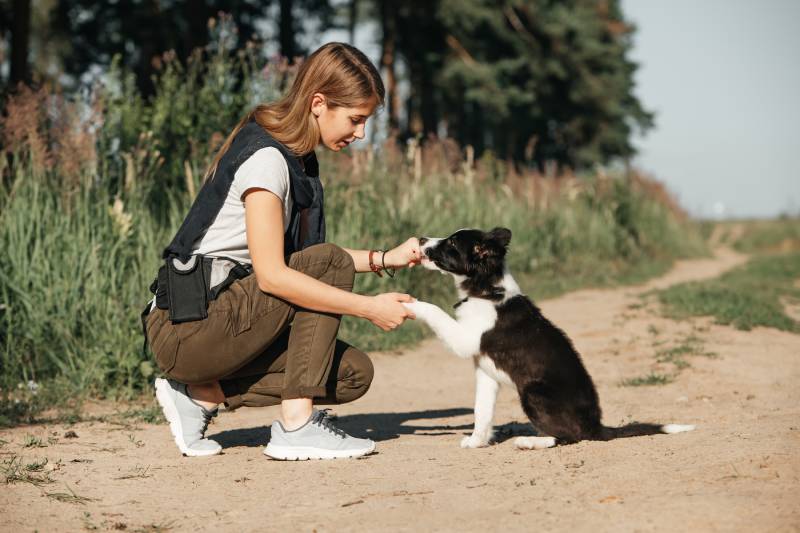
It's also a good idea to train your dog to go and lie down somewhere away from the table while you're eating. Make sure everyone in the family is on the same page to avoid sending mixed messages to your dog.
2. Cracking the Habit
Let's say you've previously indulged your dog when they beg, but now it's getting out of control, and you want to break the habit. Though it's harder to change a behavior you once encouraged, it can be done as long as you're consistent.
In short, you'll need to stop paying attention to your dog when they beg for food. Avoid even glancing at them, as this gives the signal that you're giving ground. Your dog will continue to try and get your attention but don't give in. They'll likely continue trying their luck on a daily basis, but eventually, it will sink in that begging no longer works.
Don't punish your dog for begging—this is unnecessary and unfair, as you have reinforced this behavior previously with attention or food. Just be patient, don't give up, and soon your consistency will pay off. Teach your dog to be in their bed or a crate during meal times.
3. Clever Arrangement of Eating Schedules
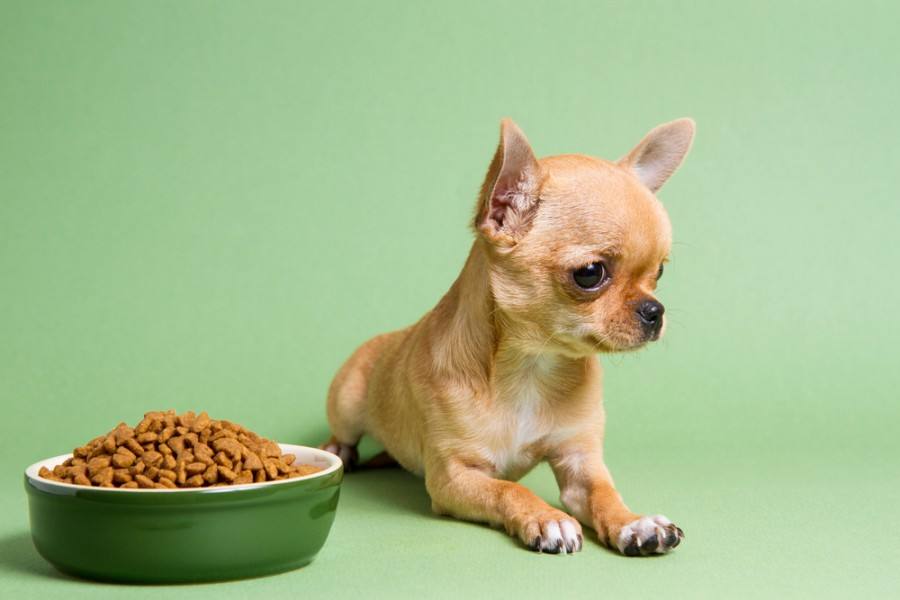
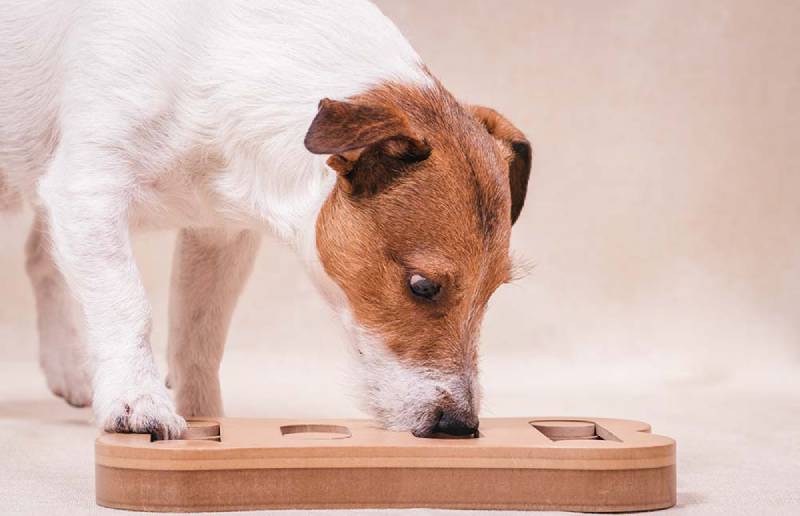
Another strategy in the fight against begging is to get your dog into the routine of eating their own food at the same time as you do. You can also try putting their kibble into a food-dispensing toy or puzzle feeder, so they have to work for a while to finish their meal. This is a form of redirection that takes the focus off what you're eating and helps prevent your dog from guzzling their food, so it's a win-win.
4. Keep Your Dog Busy
Bored dogs are more likely to get up to mischief, so consider whether your dog is getting enough walks and physical exercise throughout the day. If not, start upping the time you spend exercising and playing with your dog to help them release pent-up energy and feel more relaxed.
Final Thoughts
To recap, dogs beg for food because it's instinctive and gets them something they like. The key to preventing this from becoming a habit is to ignore your dog's attempts to get your attention while you're eating and redirect the behavior if necessary. As mentioned above, giving your dog a food-dispensing toy containing their kibble at the same time as you eat is a great redirection tactic.
Featured Image Credit: TMArt, Shutterstock
Get Hepper In Your Inbox


Pet care tips from our vets and experts, straight to your inbox.
You may opt-out at any time. View our Privacy Policy for more information.
Kit Copson is a freelance writer and lifelong animal lover with a strong interest in animal care. She has parented various furry beings over the years and is currently a proud cat mom of two—one skittish but adorable Domestic Shorthair and very chilled (unless hungry) Siamese and a —and dog mom of one—an adopted Bichon Poodle cross. When not writing about or spending time with pets, Kit can be found doodling in her sketchpad, reading, or more often than not, drinking tea.
Join the conversation
Ask a question, share your story, or send private feedback.