Hepper is reader-supported. When you buy via links on our site, we may earn an affiliate commission at no cost to you. Learn more.
Why Does My Dog Chase Shadows? 6 Possible Reasons (Vet Reviewed)


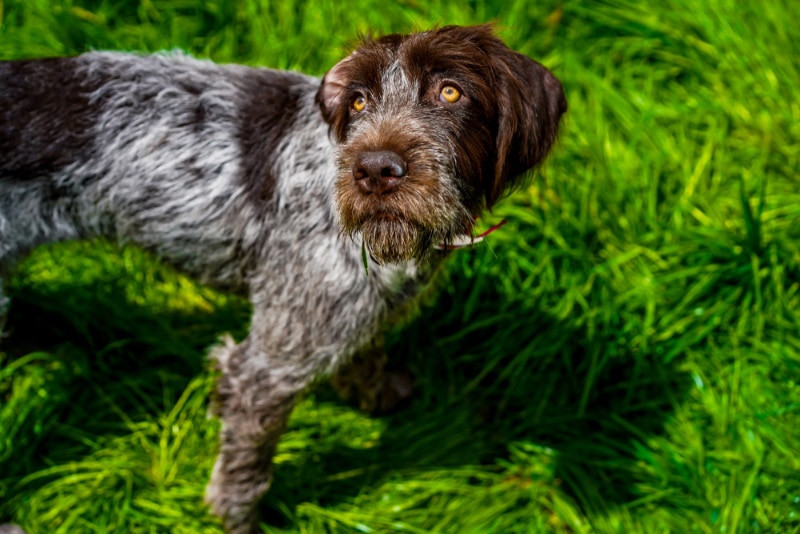
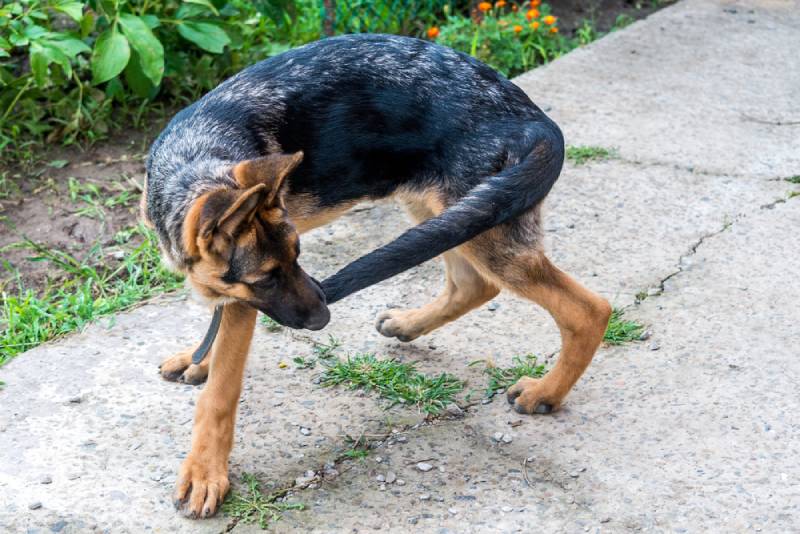
Dogs. As adorable and lovable as they are, you will always discover new quirks and funny behaviors just by being around them. But have you ever noticed your beloved canine companion fixated on chasing elusive shadows that dance across the floor or wall… even if it’s their own?
This seemingly bizarre behavior can leave many dog owners wondering, "Why does my dog chase shadows?" Well, there can be a variety of reasons. Generally, dogs are so easily visually stimulated that any movement can cause them to react, including their shadows! While this is a general notion, however, there are other reasons that we need to consider as well.
If you are curious about your dog’s shadow-chasing behavior, read on as we explore the reasons behind this quirk, determine whether it is a normal behavior, and how to address it if needed!

Is Shadow Chasing Considered Normal Behavior?
Shadow chasing is a behavior that many dog owners have witnessed at one point or another. While it might seem odd or even comical, the act of chasing shadows is not uncommon among dogs.
However, whether it's considered a "normal" behavior depends on the context and the extent to which it occurs.


The 6 Possible Reasons Why Dogs Chase Shadows
Not all dogs chase shadows, but a significant number do exhibit this behavior. Dogs are diverse in their personalities and tendencies, so while shadow chasing might be prevalent in some breeds or individuals, others might show little to no interest in shadows. Factors such as breed genetics, their environment, age, individual temperament, and even mental and medical state can influence whether a dog engages in shadow chasing.
To better understand this behavior, here are a few common reasons behind your dog’s shadow chasing!
1. Instinctual Behavior
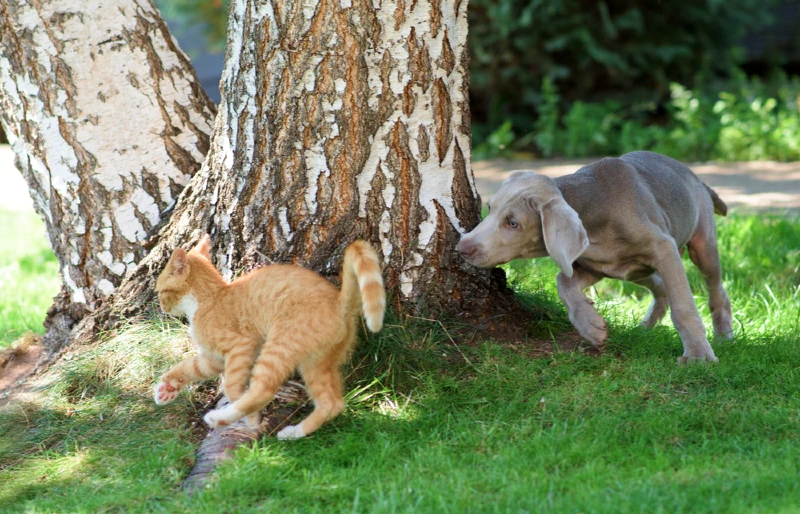
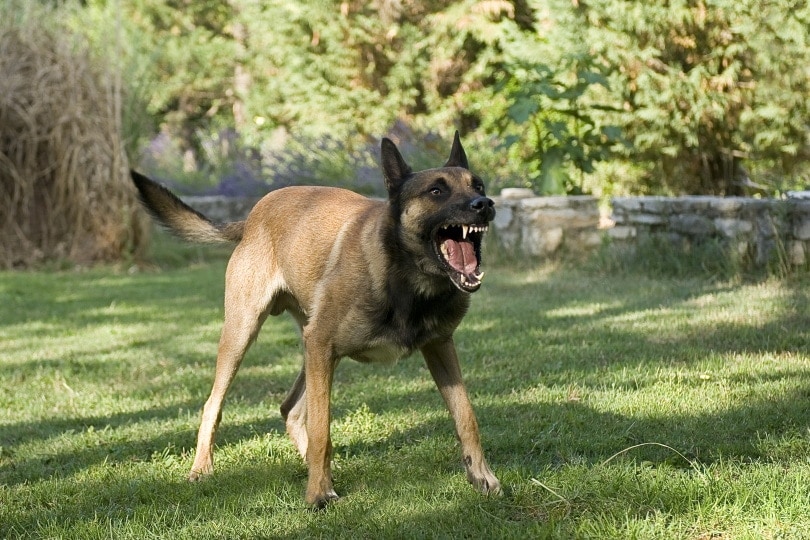
One of the primary reasons why dogs chase shadows is rooted in their instinctual behavior. Canines are descendants of skilled hunters, and the instinct to chase moving objects is deeply ingrained in their DNA. Shadows, with their unpredictable movement and resemblance to potential prey, could trigger the same predatory drive that once helped their ancestors survive in the wild.
2. They Are Visually Stimulated
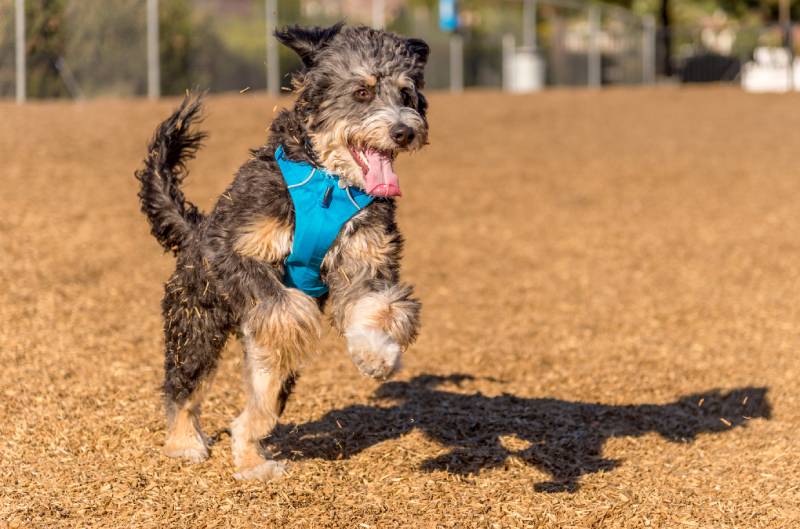
Dogs are highly visual creatures, and they are naturally drawn to movement and changes in their environment. Shadows, with their rapid and irregular movements, provide an enticing source of visual stimulation. As dogs focus on the dynamic interplay of light and dark, their curiosity is piqued, compelling them to give chase.
3. They Are Lacking Mental and Physical Stimulation
Dogs require both mental and physical stimulation to lead fulfilling lives. A lack of proper exercise, playtime, and mental engagement can lead to boredom and restlessness.
In the absence of stimulating activities, dogs might turn to shadow chasing as a way to alleviate their pent-up energy and attempt to stimulate themselves.
4. Attention-Seeking Behavior
Dogs are known for their understanding of cause and effect, and they quickly learn how to gain their owners' attention!
If your dog has learned that chasing shadows results in your reaction, even if it's just an attempt to stop them, they may continue the behavior to elicit your response. This attention-seeking aspect can reinforce the behavior over time.
5. Stress, Anxiety or Compulsive Behavior
In some cases, shadow chasing might indicate underlying anxiety or compulsive tendencies in dogs. Dogs experiencing stress or anxiety may resort to repetitive behaviors like shadow chasing as a coping mechanism. If this behavior becomes excessive or compulsive, it's crucial to consult a veterinarian or animal behaviorist to determine if there are deeper issues at play.

6. Lack of Understanding
Dogs perceive the world differently from humans, and they might not fully comprehend that shadows are intangible and cannot be caught. Their instincts and keen eyesight drive them to react to movement, regardless of whether the source is a tangible object or a fleeting shadow. This lack of understanding contributes to the behavior's persistence.

Should I Be Worried?
If your dog occasionally chases shadows, there's likely no need for immediate concern. Dogs exhibit a range of quirky behaviors, many of which are harmless and simply part of their individual personalities. However, if shadow chasing becomes an all-consuming or obsessive activity, it could be a sign that something more significant is amiss.
When Should I Seek Help?
It's essential to monitor your dog's behavior and determine if shadow chasing is interfering with their daily life. If the behavior becomes excessive, compulsive, or begins to impact their overall well-being, it's advisable to seek professional guidance.
A veterinarian or a certified animal behaviorist can assess the situation and offer tailored advice based on your dog's specific case.
What Can I Do to Address This Behavior?
If you find yourself wondering how to curb your dog's shadow-chasing tendencies, there are several approaches you can try.
Increase Physical and Mental Stimulation
Regular exercise and engaging activities can help channel your dog's energy in positive ways, reducing the likelihood of them turning to shadow chasing out of boredom. A simple walk, a few minutes outside, or even simple playtime can be enough to give your dogs the stimulation they need!

Positive Reinforcement
Use positive reinforcement techniques to reward desirable behaviors and redirect your dog's attention away from shadows. Treats, toys, and praise can all be effective motivators.
Interactive Toys
Provide your dog with interactive toys that challenge their minds and keep them occupied. Puzzle toys and treat-dispensing toys can help alleviate boredom and provide mental stimulation.
Obedience Training
Enrolling your dog in obedience training can strengthen the bond between you and your furry friend while also teaching them impulse control and focus.
Professional Guidance
If the behavior continues to be a concern, seek assistance from a professional. A veterinarian or certified animal behaviorist can assess your dog's behavior, identify any underlying issues, and develop a tailored plan to address the behavior.
Final Thoughts
The enigmatic behavior of chasing shadows might be perplexing, but it's a natural manifestation of a dog's innate instincts, curiosity, and need for stimulation. While shadow chasing is generally not a cause for alarm, it's important to strike a balance between allowing your dog to engage in harmless behaviors and addressing any potential concerns.
By understanding the underlying reasons for this behavior and taking proactive steps to provide your dog with mental and physical enrichment, you can ensure that they lead a happy and fulfilled life. If in doubt, seeking guidance from professionals will help you navigate this peculiar yet fascinating aspect of canine behavior!
Sources
Featured Image Credit: PharmShot, Shutterstock
Get Hepper In Your Inbox


Pet care tips from our vets and experts, straight to your inbox.
You may opt-out at any time. View our Privacy Policy for more information.
Nicole is a lover of animals of all sizes but is especially fascinated with the feline variety. She’s the proud mom of Baby, a Burmese, and works every day so he can relax in the sunshine or by the fire. She’s always had a cat in her home and has spent countless days with others, observing behaviors and softening up even the grouchiest of the lot. Nicole wants to share her kitty expertise with you so you and your cat can live happy, healthy, and care-free.
Join the conversation
Ask a question, share your story, or send private feedback.