Hepper is reader-supported. When you buy via links on our site, we may earn an affiliate commission at no cost to you. Learn more.
Why Does My Dog Chase People? 7 Possible Reasons


We all want our pets to be well behaved, but sometimes, they seem to work against us in this regard. If your dog has taken to chasing people, you may find yourself in a scary situation. After all, dogs are fast, and a playful situation can quickly turn dangerous. It is important to figure out why your dog is exhibiting this behavior and put a stop to it. After all, you don't want your dog knocking someone over or worse.
In this article, we'll help you do just that. We'll take a look at some of the reasons dogs commonly chase people and what you can do to correct the situation.

The 7 Reasons Dogs Chase People
1. Prey Drive
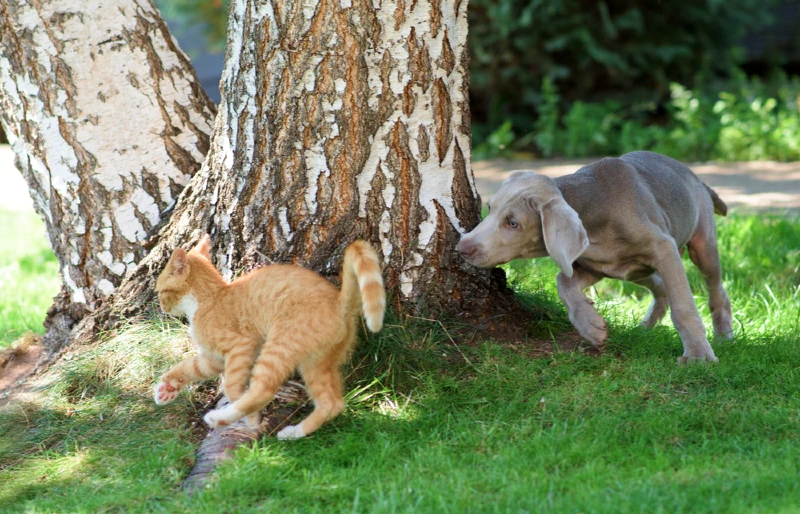
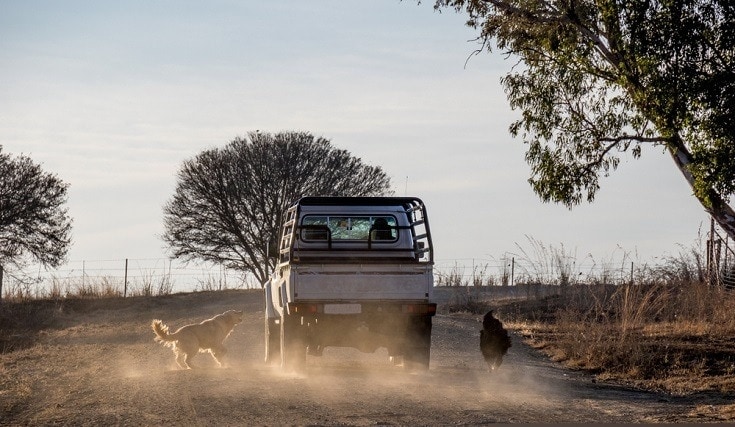
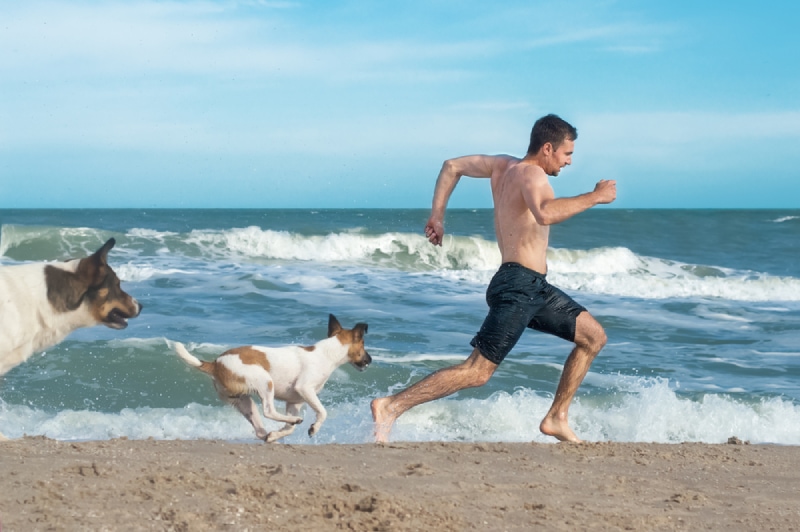
The most common reason dogs chase people is because of their prey drive. Dogs have an innate instinct to chase moving things. That's how their ancestors would have pursued prey, so it is a very important part of their natural behavior. If a dog sees a running person, they may be inclined to chase them. It is simply their first instinct.
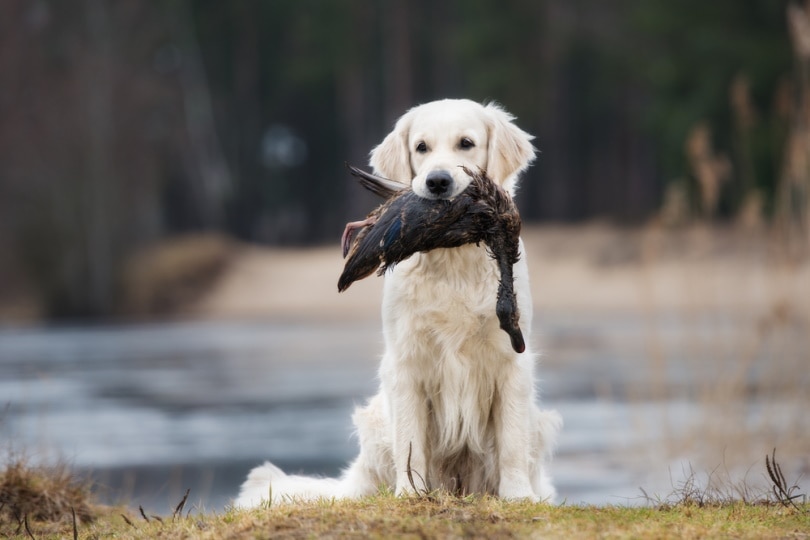
Of course, some dogs have a higher prey drive than others. Those that were originally bred to hunt and chase, like Greyhounds, may be more likely to chase a running person.

2. Playfulness
Sometimes, dogs chase people because they want to play. While this may not be an appropriate play behavior, dogs often have a built-in tendency to chase while playing. You have to train them not to do this, just like you have to train them not to bite while playing.
Dogs that aren't socialized when young or trained properly may still try to chase to play. Often, you can tell if a dog is playing based on their body language and vocalizations. In many cases, dogs will wag their tails and bark excitedly. (Though some of these behaviors can occur during aggression, too.)
It's important to learn how to tell the difference between play and aggression. A dog chasing someone playfully is one thing, but a dog chasing someone aggressively is something completely different.
3. Attention
Dogs may also chase someone to get attention. Dogs are social creatures, and they often crave attention. They may figure out how to get more attention based on how people react to them. For many dogs, any attention is good attention, which further complicates things.
Here's how it might work: A dog might notice that when they chase after someone, that person reacts in some way—either by talking to the dog, petting them, or even running away in a playful manner. The dog then learns that chasing leads to a response from the person, which reinforces the behavior. This can create a cycle where the dog continues to chase people as a way to initiate attention and play.
Of course, chasing someone isn't an appropriate or safe way for dogs to get attention. Therefore, you'll need to train your dog to engage in calmer, more appropriate attention-seeking behaviors. Ignoring the behavior may help in some situations, but management and positive reinforcement training are often also necessary. Reinforcing incompatible behaviors, such as settling on a mat, usually works. You can also try to provide your dog with more attention and enrichment activities to prevent attention-seeking behavior.

4. Curiosity
Most dog breeds exhibit some level of curiosity, though some breeds tend to be more motivated to investigate their environment than others. Sometimes, a dog may simply be curious about a person who is running, leading to them chasing. In some cases, dogs may only chase people at certain times or who are doing certain things. For instance, many dogs may only chase people on skateboards or bikes.
Often, this behavior will be accompanied by "alert" body language. The dog's ears may be pricked, and they may appear more cautious than in other situations. They may not actually interact with the person once they catch up to them, either. Instead, they may run to catch up and then observe them cautiously.
It's easy to mistake curiosity for aggression, as they can have similar body language.
5. Herding Instincts
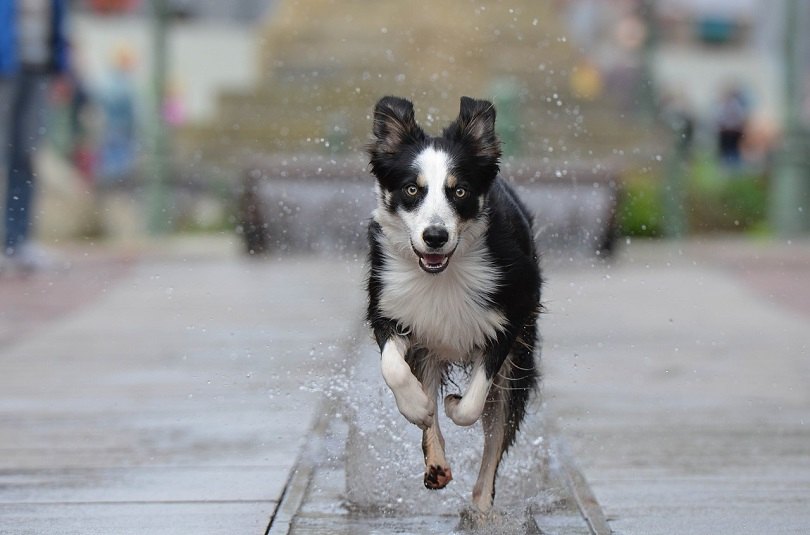
While some dogs were bred to hunt, others were bred to herd. Herding breeds often have very ingrained herding instincts, which can lead to them chasing people (and anything that moves, really). To herd animals, dogs often chase them towards a destination. Exactly how this is done varies from breed to breed, but the general idea is the same—chase the animal where you want them to go. Some dogs may try to "herd" people, especially children.
Dogs may also exhibit other herding behaviors, like nipping at their heels and circling. Even if a herding dog was never trained to herd, they may still instinctually exhibit these behaviors. Herding isn't exactly something you can "train out" of a dog. However, it is something that can be managed and redirected through training and enrichment.
Herding breeds often aren't a great choice for those with children, as their herding instincts tend to kick in more with smaller people. It can be a bit dangerous if a dog starts "herding" a child, as they may try to chase or nip them.

6. Lack of Training
Dogs have many natural instincts that must be managed and guided with training. For instance, potty training is a good example of this. Dogs naturally want to mark their territory, but we adjust this instinct slightly by teaching them to use the bathroom outside. Chasing is similar, as many dogs will start out wanting to chase moving people, animals, or objects.
Dogs need proper training to learn that chasing a person generally isn't acceptable. Some dogs may need more training than others in this regard, depending on their instincts and breed. If training isn't done, dogs will typically follow their instincts and keep chasing.
Proper socialization can help a lot. When you socialize your dog, you put them in enough strange situations so that they can learn how to behave. Getting your dog out in the park, where people may be jogging past, allows you to teach them that chasing isn't okay.
7. Aggression
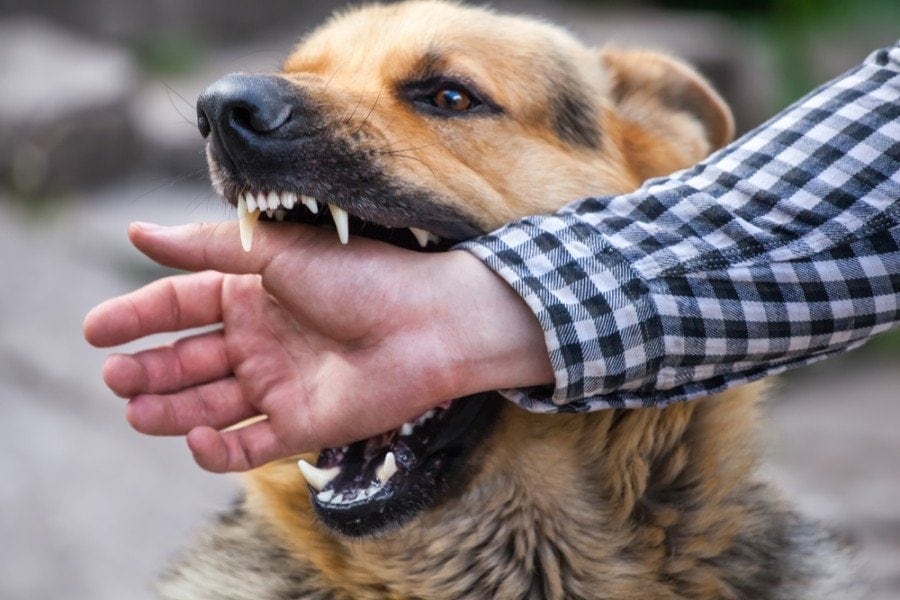
While chasing due to fear or aggression is less common than other reasons, it's essential to understand and address these situations for the safety of both the dog and the people involved. A dog chasing someone because they're being aggressive is every owner's worst fear.
Often, aggression comes from fear. If a dog is scared of someone, they may chase them in an attempt to scare them off. Fear is usually triggered because the dog is coming into contact with something unfamiliar. For instance, if a dog had never seen a bike, someone riding past on a bike may be scary.
To protect themselves from the perceived threat, some dogs may react defensively by chasing, barking, lunging, or even biting. While this is the last thing we want our dogs to do, it does make sense from their perspective.
The best way to help prevent aggression is through socialization. If you introduce your dog to many sights and sounds at a younger age in a positive manner, they will be much less likely to be scared novel situations later in life. Socialization is essential for a dog's behavior as an adult. Dogs can be socialized as adults, but it generally takes longer, as the dog may already have developed several fears.

Conclusion
It is important to identify the reason your dog is chasing people so that you can properly address and manage the behavior. If a dog is chasing someone playfully, simple positive reinforcement training can teach them not to do that. If possible, calmly stopping, avoiding sudden movements, and redirecting the dog’s attention can help prevent the chasing behavior from escalating.
Dogs that are chasing aggressively typically need careful behavior modification and management, but this must be done carefully to keep everyone safe. Very aggressive dogs should be taken to a professional behaviorist to help address the behavior safely.
Related Read: Why Does My Dog Chase Shadows? 6 Common Reasons
Featured Image Credit: ESBuka, Shutterstock
Get Hepper In Your Inbox


Pet care tips from our vets and experts, straight to your inbox.
You may opt-out at any time. View our Privacy Policy for more information.
Kristin is passionate about helping pet parents create a fulfilling life with their pets by informing them on the latest scientific research and helping them choose the best products for their pets. She currently resides in Tennessee with four dogs, three cats, two fish, and a lizard, though she has dreams of owning chickens one-day!
Join the conversation
Ask a question, share your story, or send private feedback.