Hepper is reader-supported. When you buy via links on our site, we may earn an affiliate commission at no cost to you. Learn more.
Why Do Dogs Chase Their Tails? 7 Vet-Verified Typical Reasons


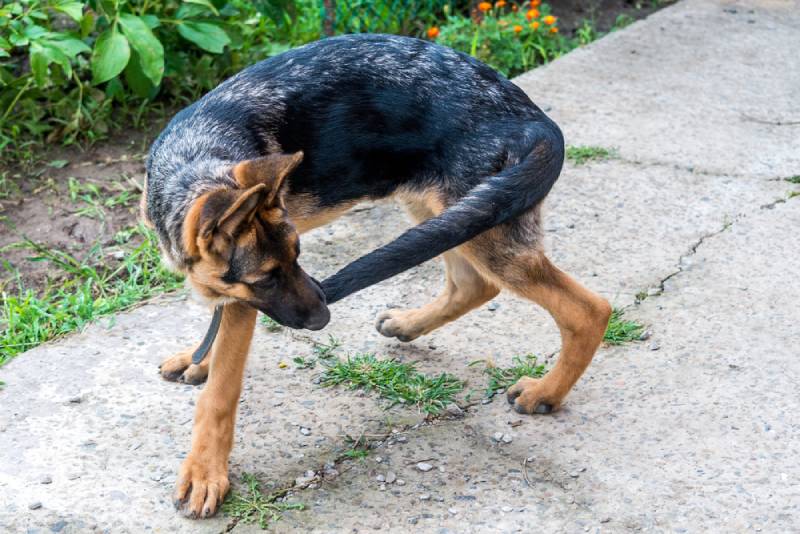
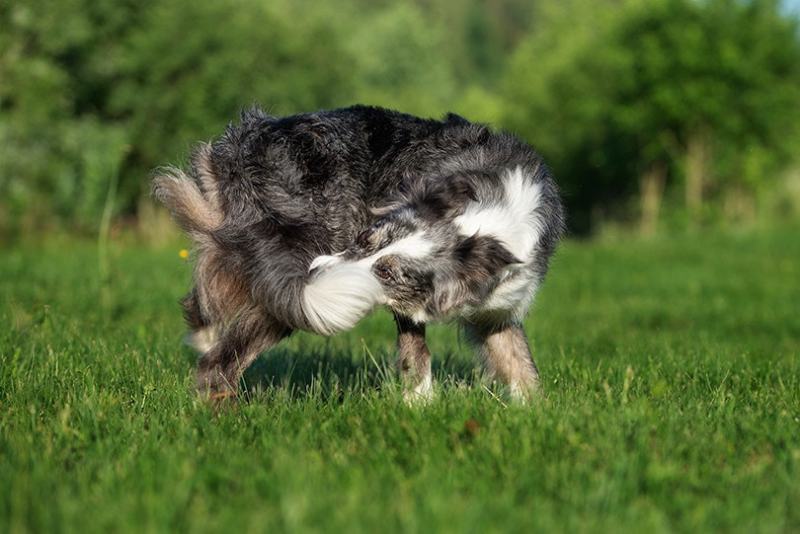
Anyone who enjoys keeping a canine companion can attest that dogs sometimes exhibit peculiar behaviors. One of the most popular canine routines includes running in circles in an endless chase of their tails.
While this behavior is often harmless, it can sometimes also cause concern. For puppies, this is normal behavior and is usually a sign of playfulness. Adult dogs also occasionally chase their tails when itchy or uncomfortable. However, constant tail chasing and biting may indicate abnormal repetitive behavior or more serious health issues that should prompt a visit to the vet.
In this article, we will discuss the reasons behind this tail-chasing behavior and what you should do about it. Read on to learn more.

The 7 Reasons Why Dogs Chase Their Tails
1. Play
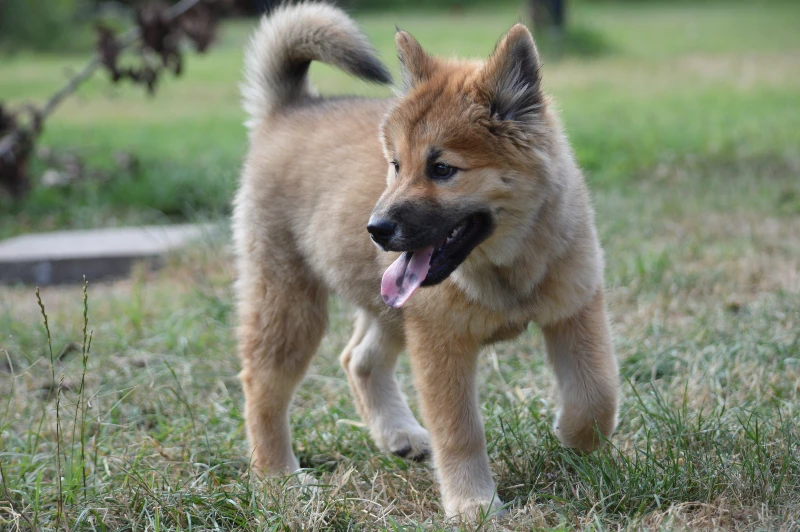
This behavior is more common in puppies than it is in adult dogs. Puppies mostly spend time learning about their bodies and exploring their immediate environment. Therefore, chasing after their tails makes some sense because puppies are getting familiar with their bodies. To them, a tail is simply something fascinating that they can chase. So, this behavior in young pups shouldn't be considered profound or serious.
If your young dog displays this behavior, watch him closely. If it can catch its tail, it will attempt to bite it, which will be a very painful affair. So, ensure you monitor the situation and apply corrective measures when necessary.
2. Pain
Just as humans experiencing discomfort or pain would rub the affected area or take pain medication for relief, so do dogs. But, since dogs can’t exactly grab some Tylenol for pain relief, they bite the affected areas instead.
Usually, pain in the tail area is caused by traumatic injuries or limber tail syndrome. However, it can be brought on by other conditions such as anal gland issues. Infections can also prompt your dog to nip or bite the painful area. Common signs of infections include itching, redness, missing fur patches on the coat, and a foul-smelling discharge.
When your dog is in pain, it is likely to display signs such as limping, holding its tails low to the ground, slower walks and even avoiding jumping or running.
Most infections cannot improve without the intervention of prescription antibiotics. Moreover, a qualified professional should be able to pinpoint the exact cause and location of the dog's pain and discomfort and recommend the appropriate treatment.
3. Compulsive Behavior
Did you know some dogs can suffer from obsessive-compulsive disorders (OCD)? Indeed, they can! In fact, according to data from the American Veterinary Medical Association1, OCD in animals is a serious welfare issue with negative consequences for their health and general well-being.
An abnormal repetitive behavior directed toward a goal is considered a compulsive behavior. Dogs engage in these patterns to reduce stress levels. Unfortunately, this behavior can be detrimental to their health.
A dog constantly chasing after its tail might be engaging in compulsive behavior related to OCD. So, schedule a vet appointment to rule out any underlying health problems.
4. Stress
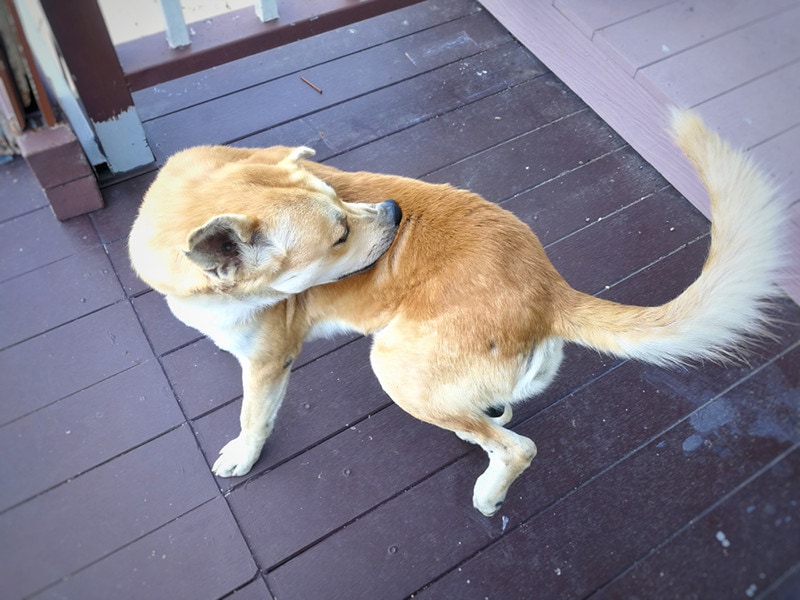
Whenever dogs feel nervous, anxious, or stressed, they tend to engage in repetitive behavior to help them calm down. While humans might choose to go for a walk or do some deep breathing exercises or stretches to relieve their stress, dogs chase after their tails to relieve their anxiety and stress levels.
So, a dog will start chasing after his tail whenever he feels anxious.
Common causes of stress and anxiety in dogs include kennel living, lack of socialization opportunities, aggression from other pets and animals, previous trauma, or even emotional and physical abuse by their owners. A dog that has experienced any of these things is likely to develop tail-chasing behavior.
Therefore, if you suspect your mutt's tail chasing is stress-related, try to find out what might be aggravating him and find ways to make him more relaxed at home. This might cause the tail-chasing behavior to dissipate completely.
5. Irritation From Parasites
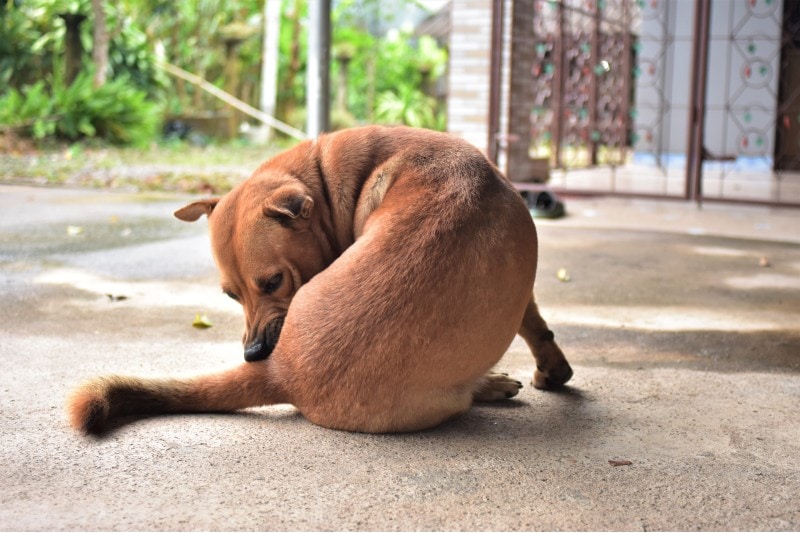
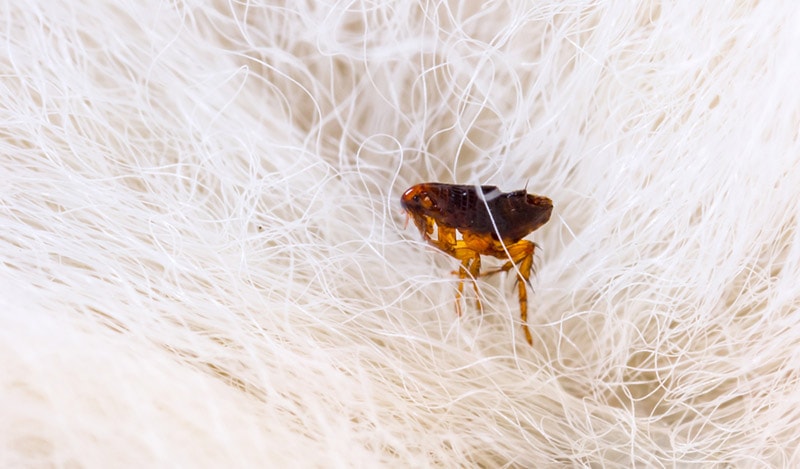
If your furry companion suddenly develops an interest in scratching his hind side, parasites and pests may be the culprits. Parasites, mainly fleas, tend to be very itchy to a dog and commonly congregate towards the rear end.
Since dogs can’t exactly reach back and scratch the affected area, they tend to use their teeth. So, if the parasites are in the tail region, your dog will be running around in circles in a bid to catch the tail and alleviate the itching.
Additionally, intestinal parasites can also be responsible for intense anal itching that might prompt your dog to excessively gnaw at the area. These parasites are also why some dogs are fond of dragging their behinds across the floor.
If your dog tries to chase after its tail while also dragging his butt across the floor, you should first inspect the tail for obvious signs of parasites. Your vet might also recommend treatment options such as oral or topical flea medications or a flea collar.
6. Allergies
Sometimes, the tail-chasing and biting behavior is brought on by allergies. Like in most pets, allergies in dogs manifest themselves as skin problems. You will notice some red skin, welts, scales, and other obvious signs of allergies on your dog’s coat.
Usually, allergies in dogs are brought on by the protein in their diet or environmental allergens, as well as allergies to flea saliva. If you notice any of the allergy signs, schedule a visit with your vet. By identifying and isolating the root cause of the reaction on time, the happier your canine companion will be.

7. Boredom
Naturally, canines get excited when they catch a glimpse of their tail wagging around. Once they do, they will be tempted to chase after it because it may seem easier to catch than chasing after smaller and faster rodents. After some time, this occasional behavior can gradually escalate into a habit.
This behavior is more prevalent in high-energy dogs regularly left alone at home for a significantly long period. Even tailless dogs can adopt the spinning habits when bored.
If your dog plays with his tail once every while, then you shouldn’t be worried about the behavior. However, if your dog spends most of his waking time tail chasing, you might need to look for a suitable outlet for their pent-up energy. This could be in the form of interactive toys or adding another dog into your household to be a playmate.
However, if trying to redirect your dog’s attention from his tail or providing a playmate doesn't seem to work, it's probably time to seek professional help.
Conclusion
Random tail-chasing behavior in dogs is not always a cause for concern. Dogs occasionally do so to amuse themselves when feeling bored or to relieve an itch on their rear end.
However, if your dog is fixated on his tail, he could be experiencing pain and discomfort caused by allergies, infections, illnesses, or parasites. These concerns need medical intervention from a certified professional.
Since repeated tail-chasing behavior can have negative consequences on a dog's overall health, you should try to get to the root cause to put your mutt into a fast-healing track. Sure, you can giggle at the dog's play antics but do not ignore any potential underlying issues altogether. Always strive to give your dog a happy and healthy life.
Sources
Featured Image Credit: Tatyana Blinova, Shutterstsock
Get Hepper In Your Inbox


Pet care tips from our vets and experts, straight to your inbox.
You may opt-out at any time. View our Privacy Policy for more information.
Nicole is a lover of animals of all sizes but is especially fascinated with the feline variety. She’s the proud mom of Baby, a Burmese, and works every day so he can relax in the sunshine or by the fire. She’s always had a cat in her home and has spent countless days with others, observing behaviors and softening up even the grouchiest of the lot. Nicole wants to share her kitty expertise with you so you and your cat can live happy, healthy, and care-free.
Join the conversation
Ask a question, share your story, or send private feedback.