Hepper is reader-supported. When you buy via links on our site, we may earn an affiliate commission at no cost to you. Learn more.
Why Do Dogs Wag Their Tails? 5 Vet-Reviewed Possible Reasons
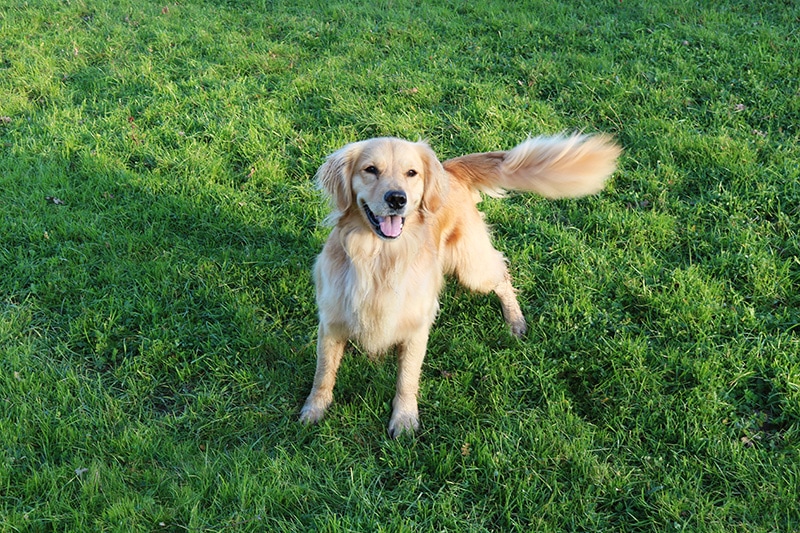
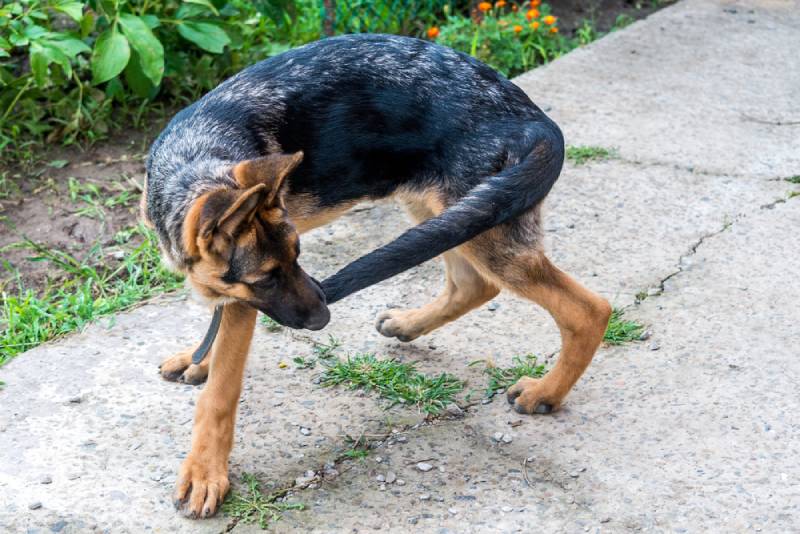
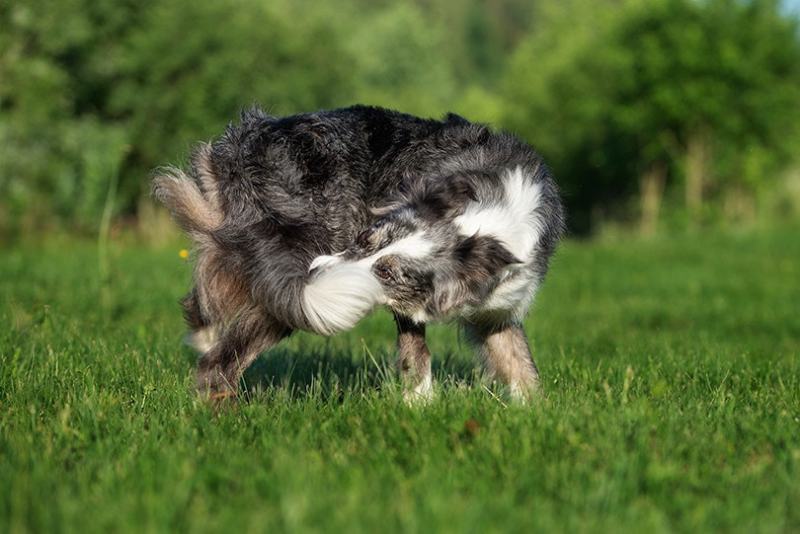
Most people associate a dog with a wagging tail as a sign of happiness, but it’s actually used to communicate an array of emotions. In fact, misinterpreting a wagging tail can lead to a dangerous situation for the dog and the owner.
Why do dogs wag their tails? Here are five potential reasons to consider.

The 5 Possible Reasons Why Dogs Wag Their Tails
1. Happiness
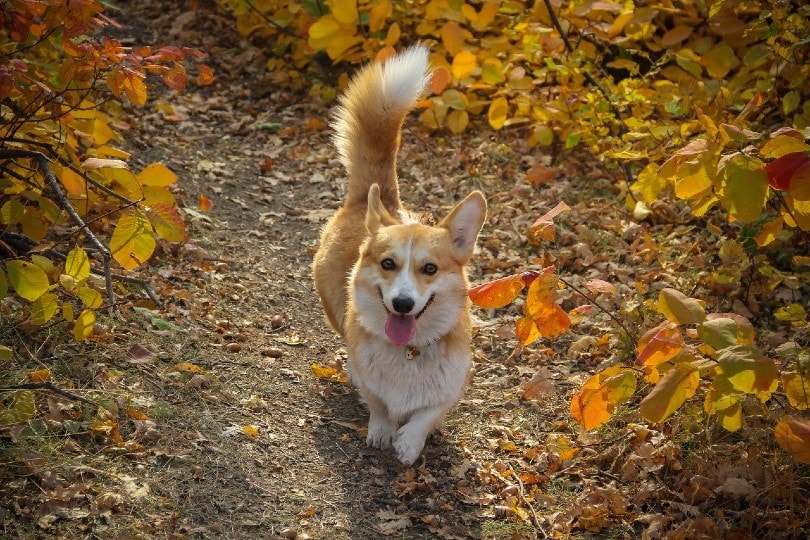
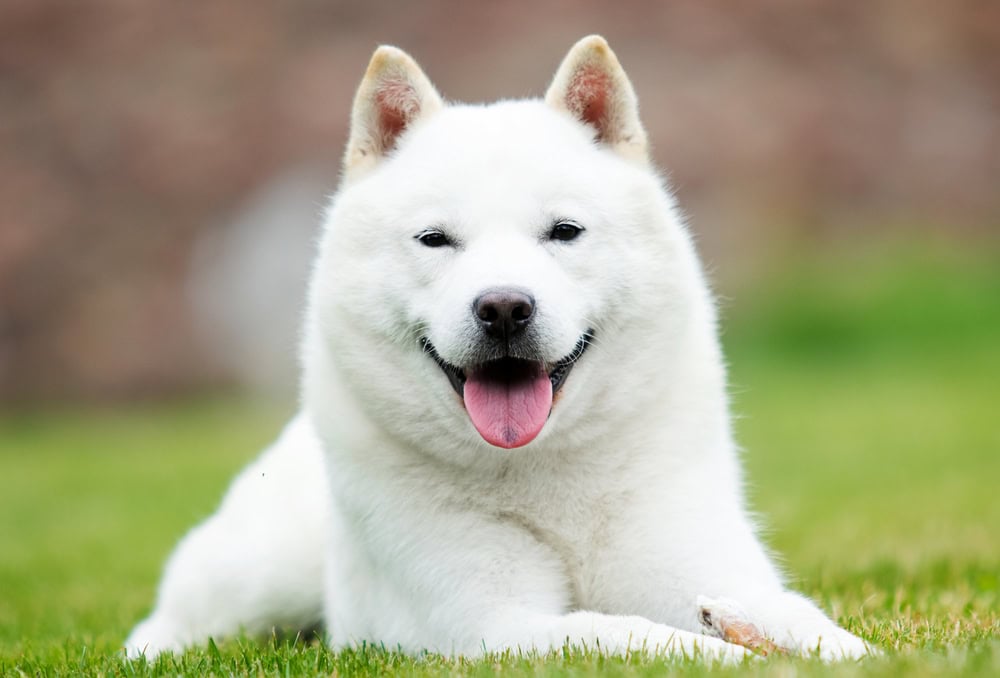
This is probably the most common emotion people associate when dogs wag their tails. Dogs will wag their tails when they’re happy, such as when their owners first get home from a trip or a long work day, when it’s time to play, or when it’s time for dinner. This is usually a relaxed but fast-paced wag.
2. Excitement

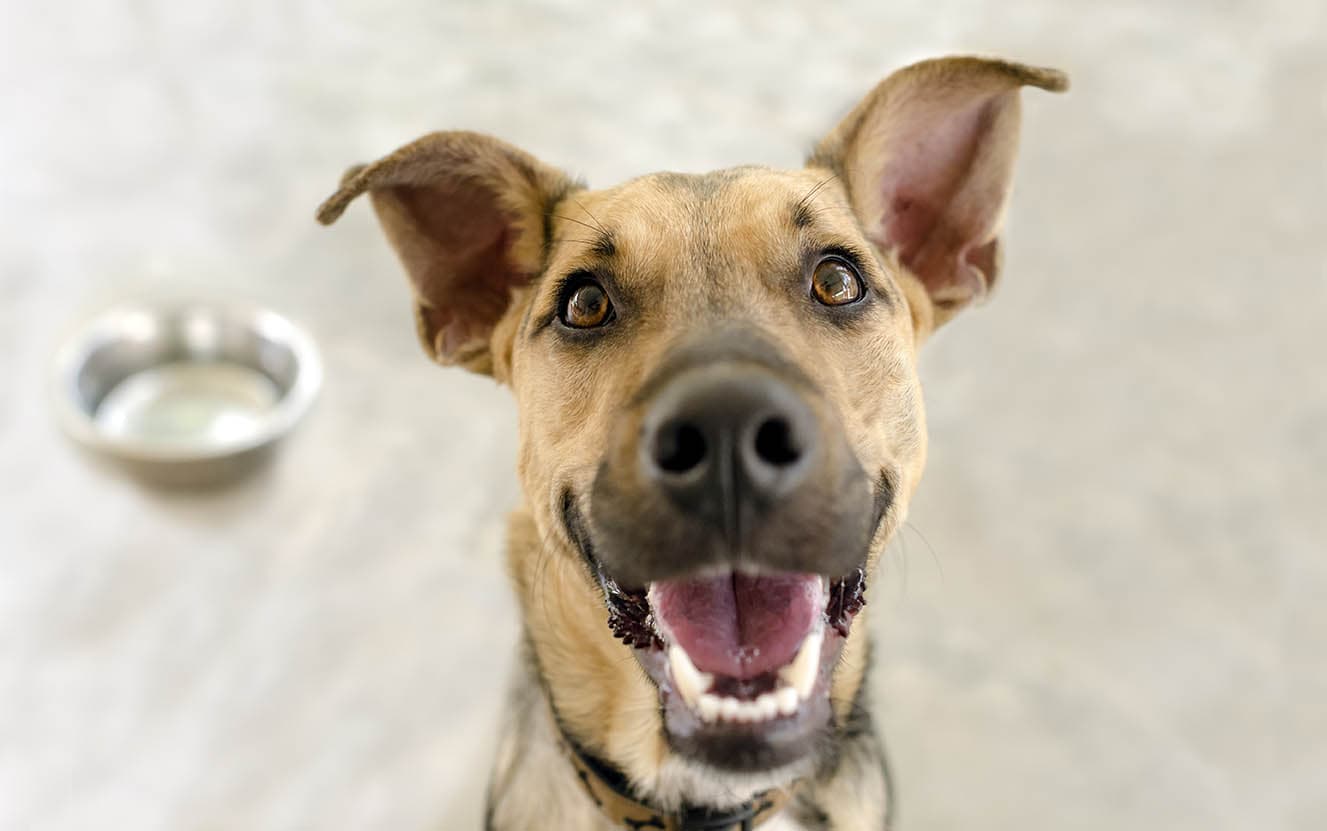
Have you ever held a treat in your hand, and your dog’s tail starts wagging rapidly? Yup, they are excited to get their mouth on that treat! Sometimes, being excited and showing happiness can be one and the same. However, there are situations when a dog is excited!
3. Being Alert
When a dog is alert and holding their tail high, especially higher than normal, it could mean that something has piqued their interest. For example, your dog may be alert if they see another dog in the neighborhood or a squirrel running across the yard. This is usually a tail wagging energetically from side to side.
4. Fear or Appeasement
If a dog is feeling uneasy or frightened, they may hold their tail down and wag it between their legs. To humans, this often looks like the dog feels “guilty,” but this slow wag shows that the dog is unsure about the situation and feeling insecure.
5. Aggression
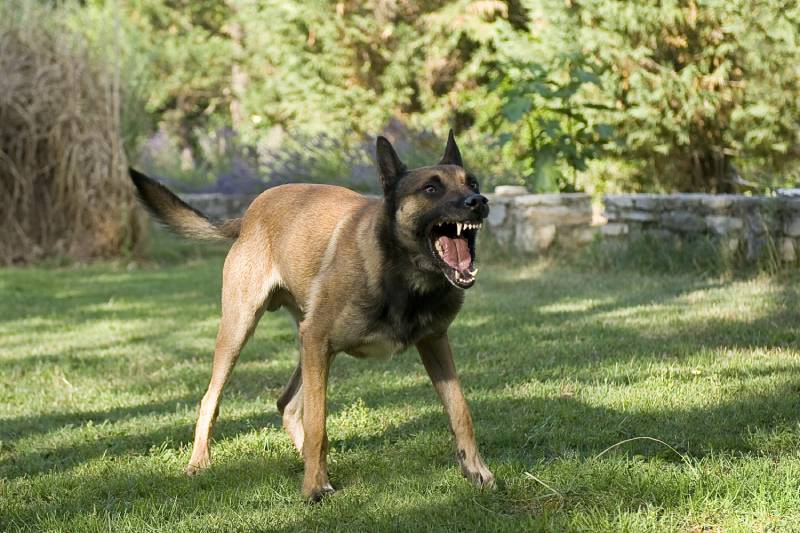
If your dog is feeling aggressive, they may hold their tail vertically and keep it stiff, but it could wag a bit, too. This is often misinterpreted by owners as a dog that’s happy and ready to play, leading to a conflict between the dogs.
Paying Attention to Body Language
One of the challenges of interpreting the reason a dog may wag their tail is that it’s not just the tail you have to pay attention to. While it’s an important indicator of emotions, other body language cues come together to give you a picture of what the dog is feeling.
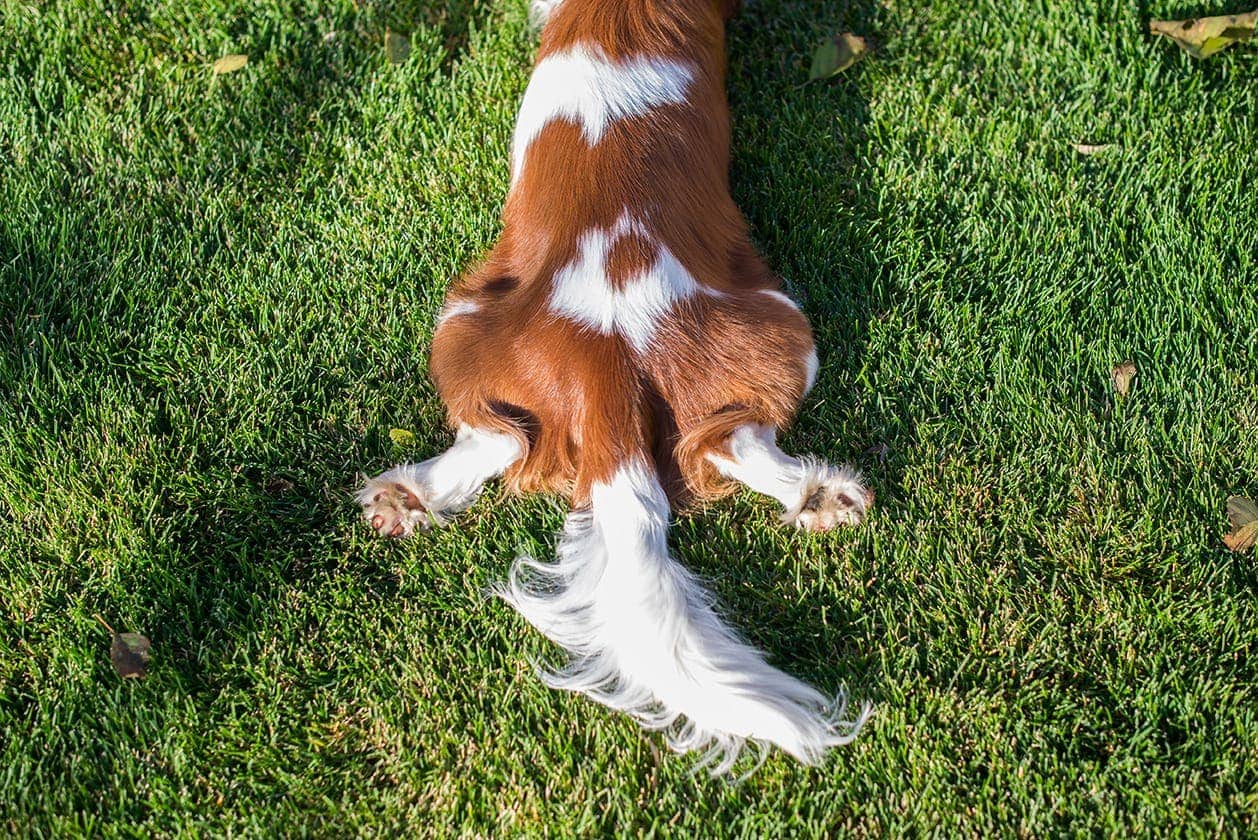
For example, if your dog is wagging their tail furiously while dropping down into a playful stance with their hind end in the air, that’s a sign of wanting to play. If your dog has their hackles raised and has a stiff wag, that’s a sign of possible stress, strong interest, or possible aggression. Looking at the dog’s posture and facial expressions offers indicators of how they’re feeling.
In addition, research has revealed that the direction of the dog’s tail wag is influenced by their emotions. When dogs wag their tail to the right, it conveys positive social interactions. When it’s to the left, it conveys more negative or withdrawn socialization. Based on the research, dogs observing these wags react in kind, either becoming more relaxed or more defensive.
It’s also important to remember that dogs’ tails are used for more than just communication. They help them balance and stay stable when they’re moving at high speeds. When dogs swim, they can use their tails as a “rudder” of sorts.
Final Thoughts
Dogs wag their tails for many different reasons. The key to understanding what they’re trying to tell you lies in the rest of the body language and the whole picture it provides. While it takes some observation and nuance to pick up on these cues, the most important thing to remember is that a wagging tail doesn’t automatically mean a happy or friendly dog, so avoid approaching strange dogs until you speak to the owner.
Featured Image Credit: Hollysdogs, Shutterstock
Get Hepper In Your Inbox


Pet care tips from our vets and experts, straight to your inbox.
You may opt-out at any time. View our Privacy Policy for more information.

Nicole is a lover of animals of all sizes but is especially fascinated with the feline variety. She’s the proud mom of Baby, a Burmese, and works every day so he can relax in the sunshine or by the fire. She’s always had a cat in her home and has spent countless days with others, observing behaviors and softening up even the grouchiest of the lot. Nicole wants to share her kitty expertise with you so you and your cat can live happy, healthy, and care-free.
Join the conversation
Ask a question, share your story, or send private feedback.