Hepper is reader-supported. When you buy via links on our site, we may earn an affiliate commission at no cost to you. Learn more.
Do Dogs Have Feeling in Their Tails? Vet Approved Facts & FAQ


In this article
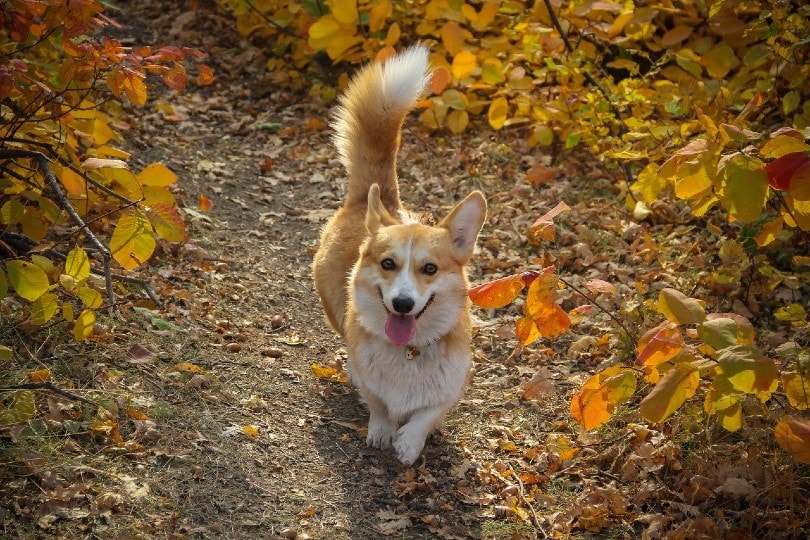
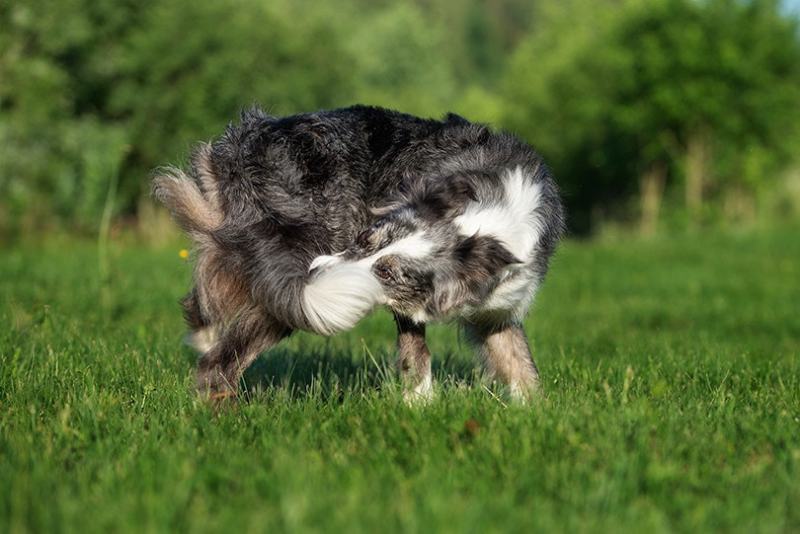
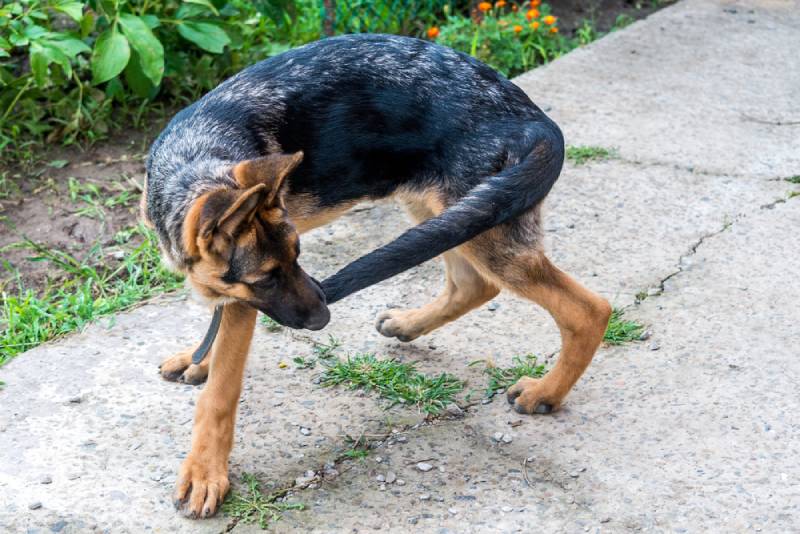
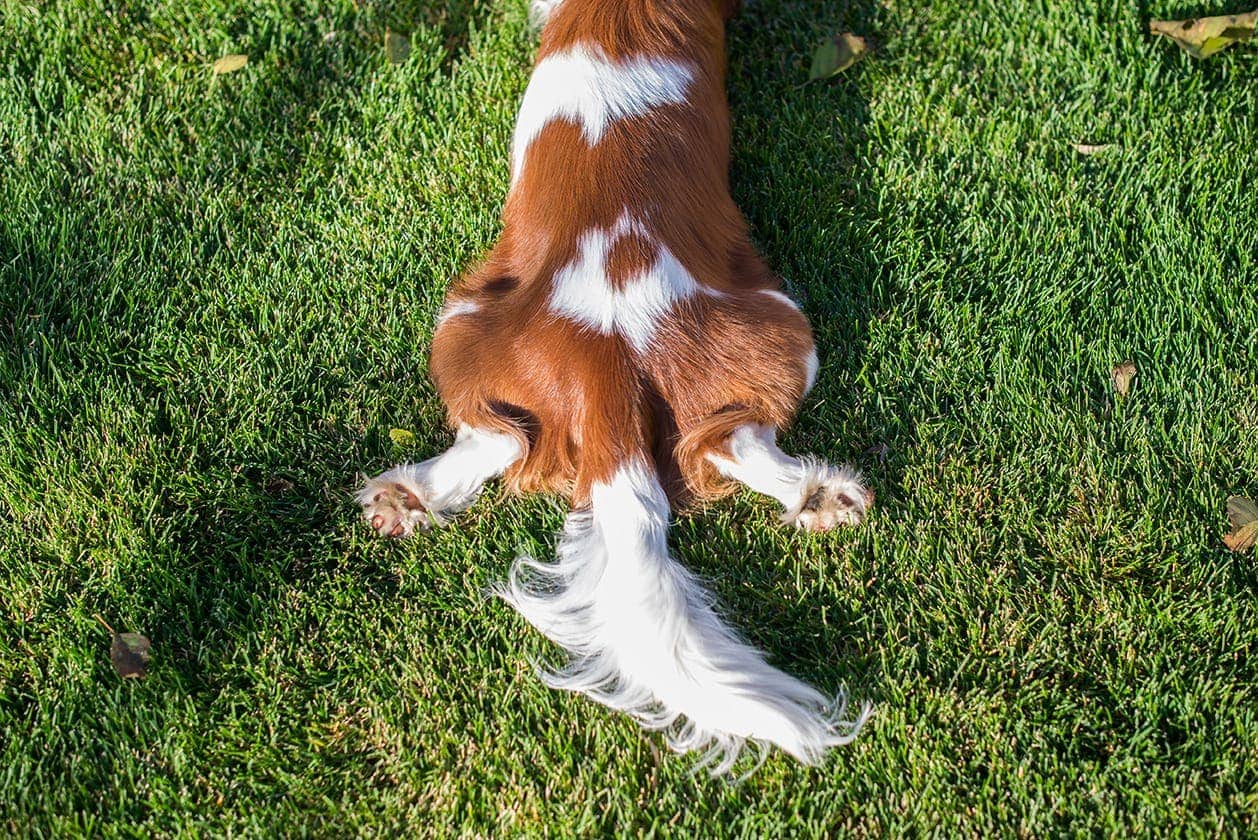
We often only think about dogs’ tails wagging away with excitement or happiness, but dogs experience a range of other emotions and their tails are an important communication tool that gives us an insight into these feelings. Dogs also have pain receptors in their tails and can experience injury, pain, and discomfort there as much as with any other body part.
In this post, we will explore the question of why dogs have tails, what they can communicate to us with their tails, and the kind of tail injuries dogs can incur.

Why Do Dogs Have Tails?
There are three main purposes of a dog’s tail—movement, balance, and communication. In terms of movement, the tail serves as a tool for helping your dog maintain speed and balance. For example, if a dog is running, the tail assists in making sharp turns at fast speeds by acting as a counterweight and helping the dog avoid tumbling over when changing course.
Another example—if your dog enjoys jumping, the tail helps them stay balanced by going to the other side of the dog’s tilt. If you watch a dog jumping, you’ll notice that their tail is up as they go into the jump. It then lowers to increase lift mid-jump and raises again as they come down to help them land safely.
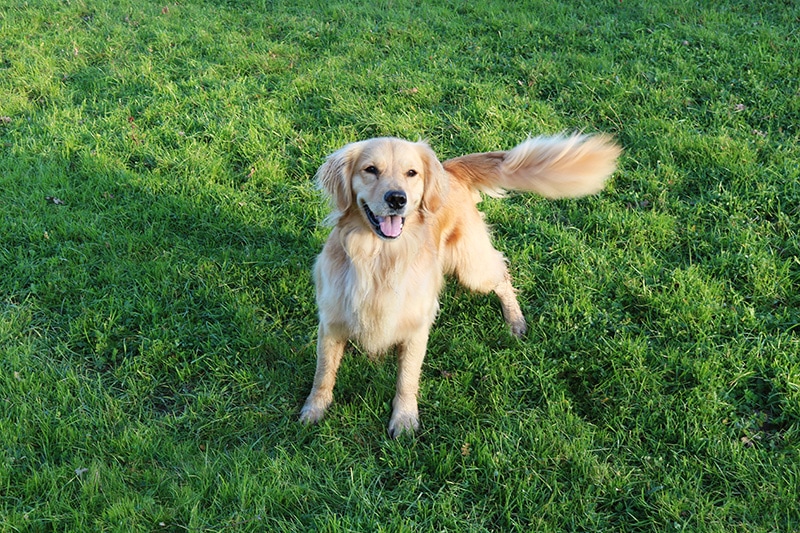
Dogs can also communicate plenty of emotions with their tail, both to other dogs and to their humans. Tail-wagging is pretty much a dog’s language, something that has to be learned at a young age just like with humans. For example, if a dog is agitated, they may raise their ears and tail. If the dog’s tail raises up to the point of being almost vertical, this indicates aggression. A happy dog may raise their wagging tail slightly or keep it in its usual position.
How Do Dogs Without Tails Communicate?
Dogs born without tails or who have had their tails docked cannot communicate in the same way as dogs with tails. Instead, they use other forms of communication like teeth-baring or putting their ears back when feeling threatened; raising hackles to express fear, aggression, or excitement; cowering when anxious or afraid, or rolling on their back to let you know it’s time for a belly rub!

Can Dogs Injure Their Tails?
Yes, they can. A dog’s tail contains bones, muscles, and nerves and so can experience injury, pain, and discomfort. Some of the causes of tail injuries include:
- Abrasions and scrapes: Dogs who wag their tails a little too enthusiastically— especially to the point where they’re whacking it off of hard or abrasive surfaces—may suffer the consequences.
- Fractures: Tail fractures occur when the tail vertebrae break. It is often caused by accidents such as falls or getting their tail stuck in a door.
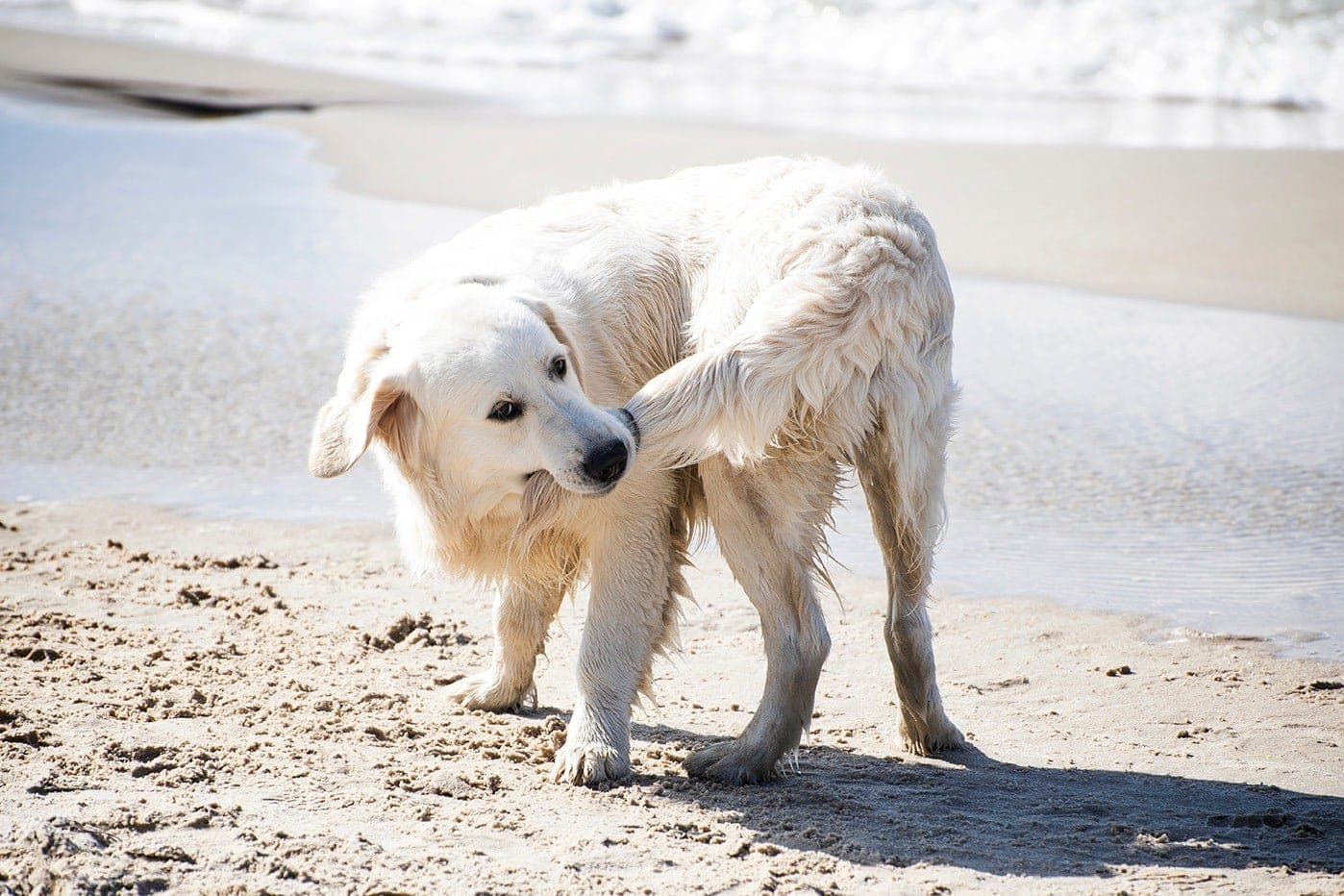
- Lacerations: Lacerations are deep and serious cuts that expose bone and muscle. Lacerations can be caused by accidents and in some cases, by dogs biting their own tails.
- Tail injuries: Dogs can form injuries and splits on their tails as a result of repeatedly hitting them against objects. This condition is also known as “happy tail”.
- Limber tail: If your dog’s tail appears limp and doesn’t wag, they may have developed limber tail. This occurs when the muscles in a dog’s tail are sprained.
- Tail nerve damage: A condition often caused by pulling and stretching of the tail. In cases where the nerves higher up in the spinal cord are damaged, your dog may lose control of their bowels or bladder.
What Should I Do If My Dog Has a Tail Injury?
This depends on the severity of the injury. If your dog has a small abrasion, you can try cleaning the area with water and a pet antiseptic spray. If there’s too much hair around the wound and you can’t reach it, apply a water-based lubricant and very carefully shave the surrounding hairs before cleaning with warm water and antiseptic.
Pop some steroid-free antimicrobial ointment on after cleaning, and finally, bandage the area, taking care not to tie it too tight and restrict blood flow. This prevents your dog from licking the wound and gives the ointment a chance to do its work.
The bandage should be left on for a minimum of 10 minutes, perhaps more if your dog continues trying to lick the wound. Continue cleaning the wound this way twice or thrice daily. It may be a good idea to have an assistant on hand to distract your dog as you clean the wound.
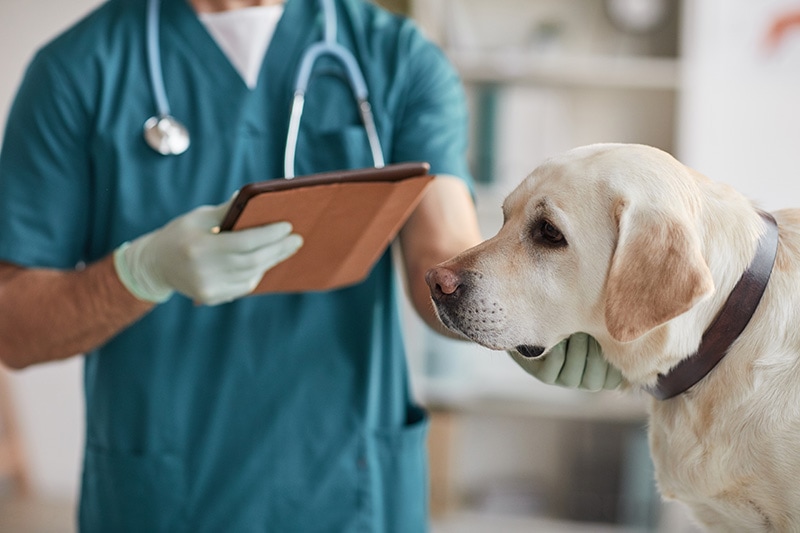
If your dog’s wound is more serious than a minor abrasion, is deep, bleeding excessively, starts to swell up, or shows signs of infection, then it’s time to head to the vet for treatment.

Final Thoughts
So, it turns out that a dog’s tail is much more than just a way to signal the perpetual sense of rapture that your company brings them! As a dog’s tail is such an important communication device, it’s definitely worth acquainting yourself with the “tail lingo”, if you will, to get a better insight into what your dog may be trying to express to you.
It’s also a good idea to keep an eye out for tail injuries caused by overexcitement, accidents, or behavioral issues like biting and chewing as these are more common than we may think.
Sources
https://vcahospitals.com/know-your-pet/interpreting-tail-wags-in-dogs
https://vcahospitals.com/know-your-pet/tail-injuries-in-dogs
https://petkeen.com/how-do-dogs-communicate-with-each-other/
https://www.hypropremium.com.au/understanding-a-dogs-tail-movements/
https://vitalvet.org/blogs/news/why-the-tail-is-important-for-the-active-dog
https://www.petmd.com/dog/conditions/skin/c_multi_dermatoses_erosive_ulcerative
https://www.westparkanimalhospital.com/blog/happy-tail-syndrome-in-dogs/
https://www.petmd.com/blogs/fullyvetted/2013/april/how-to-take-care-of-your-pets-minor-wounds-30187
Featured Photo Credit: Lari Cavalier, Shutterstock
Get Hepper In Your Inbox


Pet care tips from our vets and experts, straight to your inbox.
You may opt-out at any time. View our Privacy Policy for more information.
Kit Copson is a freelance writer and lifelong animal lover with a strong interest in animal care. She has parented various furry beings over the years and is currently a proud cat mom of two—one skittish but adorable Domestic Shorthair and very chilled (unless hungry) Siamese and a —and dog mom of one—an adopted Bichon Poodle cross. When not writing about or spending time with pets, Kit can be found doodling in her sketchpad, reading, or more often than not, drinking tea.
Join the conversation
Ask a question, share your story, or send private feedback.