Hepper is reader-supported. When you buy via links on our site, we may earn an affiliate commission at no cost to you. Learn more.
Why Do Guinea Pigs Vibrate? 5 Reasons & Facts (Vet Answer)

In this article
Anyone who owns a guinea pig will know that they are emotive and expressive animals. They're very good at communicating how they are feeling, through their many different squeaks and movements. One of these is vibrating.
Guinea pigs use vibrating to express their emotions. The vibrations or purring can mean different things depending on the volume and pitch of the noise and what sort of situation the guinea pig is in at the time. Read on below to find out more.

The 5 Reasons Guinea Pigs Vibrate
1. Happiness
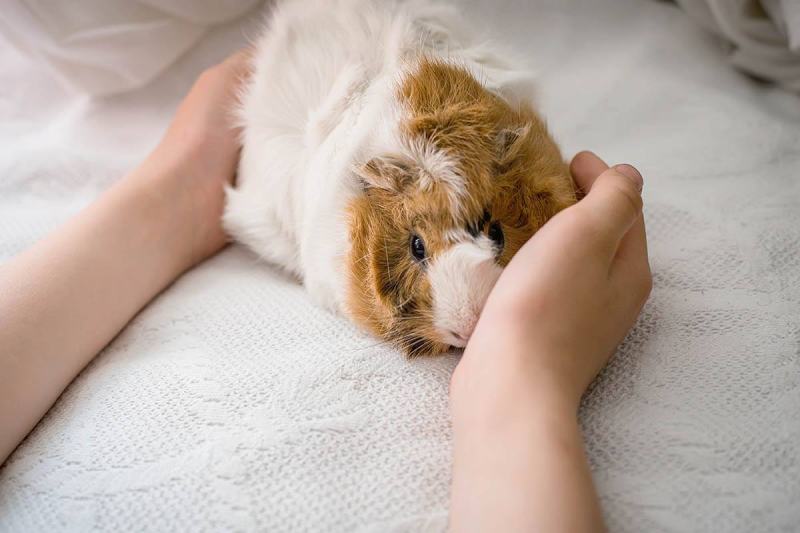
When guinea pigs are very happy and content they will vibrate. They may also make high-pitched squeaking noises in little bursts. This usually occurs when they are displaying a more relaxed body language—they can be lying down on their side or stretched out. This is a sign they are happy and relaxed as they are exposing their vulnerable parts. If they enjoy being handled and cuddled, they will often do this while being held. Some guinea pigs like being held in a blanket where they can hide and feel safe and secure so they may do this if they are feeling particularly content.
They may also vibrate and squeak out of excitement if they see or hear you approaching with their favorite treats or fresh hay. Your guinea pig will have some sensitive spots where they enjoy being scratched or tickled. These tend to be around their head and behind their ears, but each guinea pig is different so approach with caution. Some guinea pigs really dislike being touched around their back end so avoid this area.
2. Fear or Annoyance
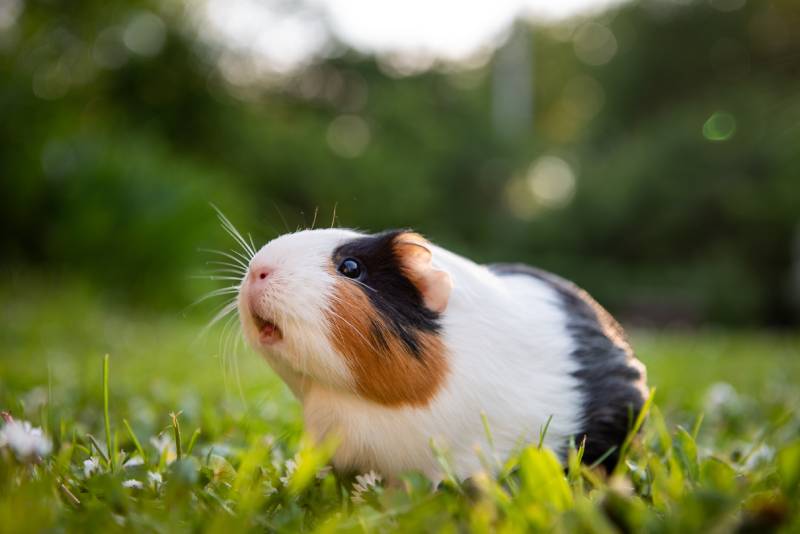
When your guinea pig is frightened or threatened by something, they often start to vibrate and visibly shake. They will spread their legs out in a wide stance to prepare to flee if necessary or stand their ground and fight. They usually let out a low purr noise too.
Take this as a signal to stop whatever you are doing as your guinea pig is distressed. Guinea pigs do not usually bite but if they are backed into a corner and feel threatened, this is the sort of scenario where it's possible to get a nip.
Reasons guinea pigs become frightened include:
If you notice your guinea pig is getting frightened or stressed, remove them from the source of the stress, put them back into their cage to allow them to calm down, and make sure they are not exposed to any other potential stressors.
3. Mating/Sexual Dominance
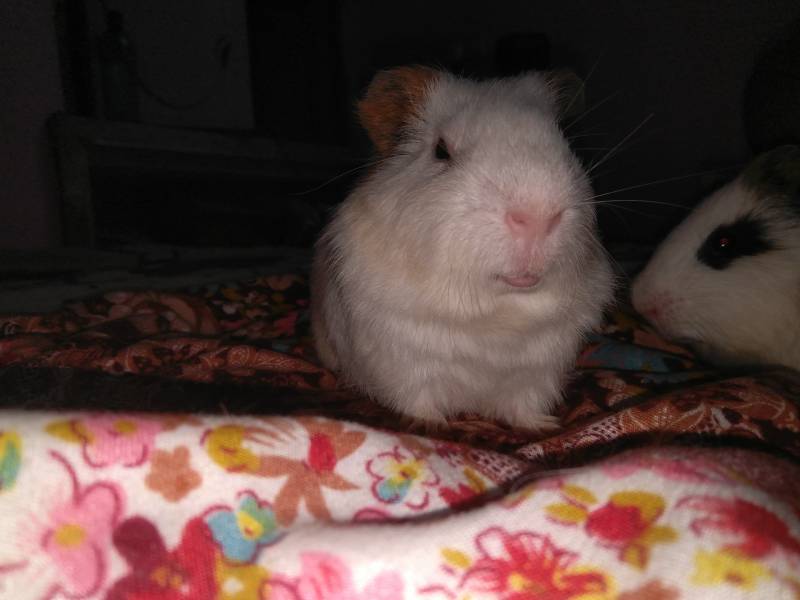
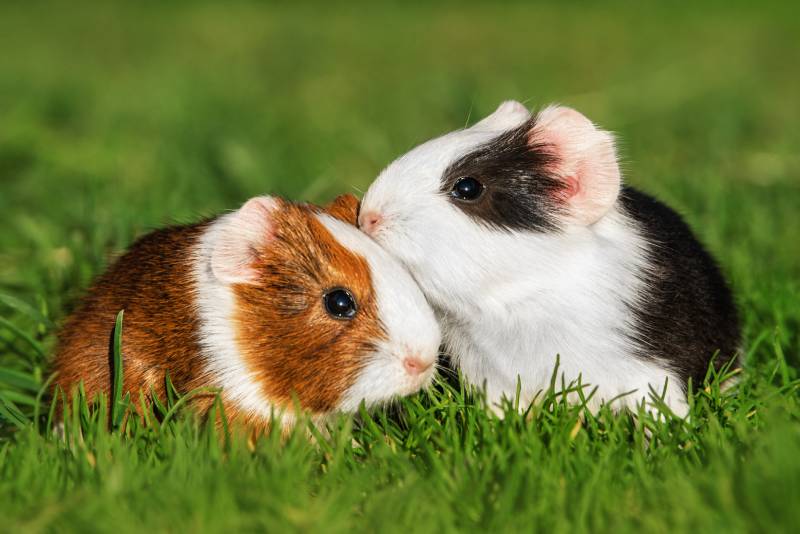
Guinea pigs are driven by their instincts, and they often are in a situation with other guinea pigs where they need to exert sexual dominance to let the other guinea pig know they are the alpha female or male. Guinea pigs may vibrate and wriggle their bottoms and stamp their feet to alert the other guinea pig to the fact they mean business. Sexually active male guinea pigs will also do this if they are near a sexually active female guinea pig to show them they are ready to mate.
Males housed together that usually live in perfect harmony may still show signs of exerting dominance by vibrating and making certain noises in the springtime when mating usually occurs. This can be even if there is no female in close proximity.
Females will also start to show a need to exert their authority at this time of the year, as their instincts will drive them to strive to be the alpha female. This can include battles of territory in their living area such as sleeping places and access to food. Male and female guinea pigs may also try to hump each other whilst vibrating and stamping their feet. This is completely normal behavior, even if it is between two females, as it is another way they demonstrate their dominance.
Occasionally, when displaying this behavior, guinea pigs can fight with each other. Small scuffles to establish a hierarchy are a normal part of their social interactions. The dominant guinea pig in the group may also change over time—for example, if one is older than the others, a younger guinea pig may take their place. If you start to see injuries or if one of your guinea pigs is losing hair or showing signs of stress, it may be necessary to separate them for a short while to prevent serious harm.
If you see guinea pigs humping frequently, check their sex as guinea pigs are notoriously difficult to sex when they are younger and a mistake could have been made, meaning you thought you had two females, but you have one of each sex.
4. Changes in Temperature
If your guinea pig is too cold, it will vibrate and shiver. If they have their hutch outside, special care needs to be taken in the colder months to ensure they have adequate bedding or some sort of outdoor heating to keep them at a suitable temperature. Heat pads can be used but always ensure they are pet friendly and have a cover to prevent burning.
Some people like to bathe their guinea pigs. This is unnecessary unless they have something that needs cleaning from their coat, or if they enjoy baths. If you do bathe your guinea pig, always make sure that you dry them properly afterward. The excess water left on their hair will cause them to lose heat very quickly. They need to be wrapped up and dried as soon as they are out of the water. Due to their size, and their surface area to volume ratio, they can lose heat very quickly.
5. Health Problems
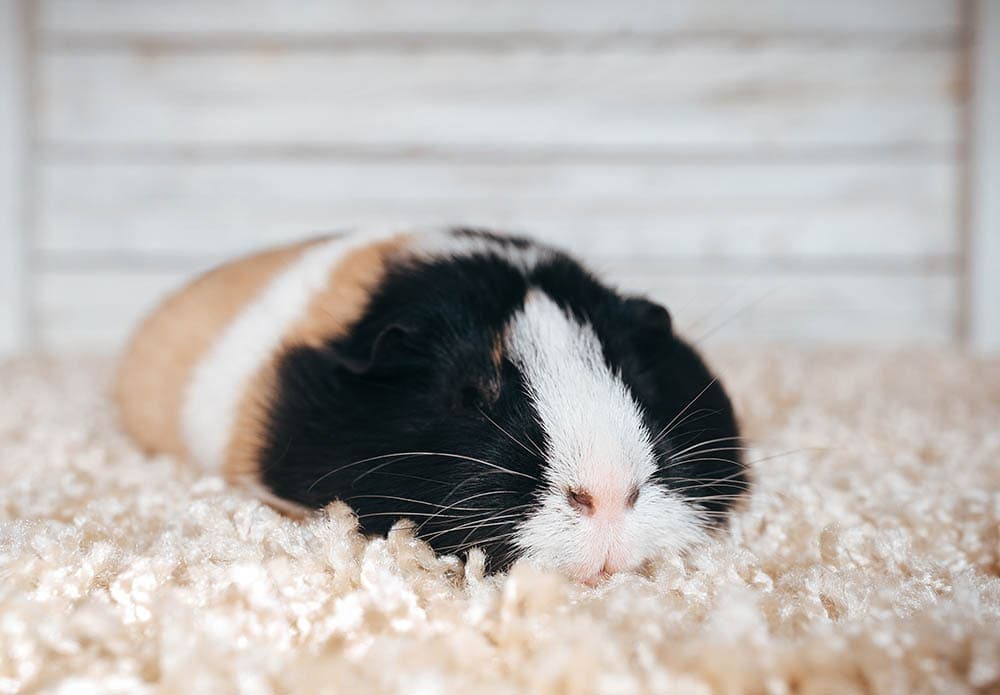
Guinea Pigs can vibrate if they have underlying health issues. They are prey animals so historically are good at hiding if they are ill as this would make them an easy target for predators.
Signs your guinea pig may be unwell include:
- Reduced appetite
- A sudden increase or decrease in the amount they are drinking
- Bald patches
- Weight loss
- Excessive salivation
- Discharge from nose or eyes
- Labored breathing
- Wheezing
- Coughs/sneezes
How to Avoid Negative Vibrations
If you only want your guinea pig to have “good vibrations” there are a few things you can do to prevent them from getting fearful or annoyed:
- Always approach them from the front, where they can see you. They are prey animals and will startle easily if approached from behind.
- Always ensure you are stroking their fur the right way, along the direction it grows in. The same goes for grooming and brushing. They dislike having their fur brushed or stroked the wrong way.
- Protect them from loud or unpredictable noises whenever possible.
- Get your vet to clip their claws so it is as quick and painless as possible.
- Ensure you hold them correctly when handling them.
- Provide a suitable environment for them to thrive in and always ensure it is at an appropriate temperature.
- Monitor relationships between guinea pigs housed together.
- Always ensure your guinea pig is healthy and if you have any concerns take them to the vet immediately.
What Should I Do if My New Pet Guinea Pig is Vibrating?
If you have just brought your guinea pig home and they start vibrating, this may be because they are anxious or nervous in their new surroundings. They will not be familiar with the sights and smells and there may be different noises they have never heard before. Once your guinea pig settles in and starts to feel comfortable, it should stop showing signs of distress. If this continues you may want to arrange an appointment with your vet to get them checked out.
Conclusion
Guinea pigs have lots of unique ways of communicating. Vibrating is one of the most common ways. It may seem alarming when you first experience it, but it is completely natural and part of their normal behavior. Guinea pigs vibrate for positive and negative reasons, so it is always important to interpret their vibrations along with the rest of their body language and health status.
Spending time with your guinea pig will allow you to get to know what they like and dislike and how to comfort them. This will lead to a very rewarding relationship.
Sources
Featured Image Credit: Beartrix, Shutterstock
Get Hepper In Your Inbox


Pet care tips from our vets and experts, straight to your inbox.
You may opt-out at any time. View our Privacy Policy for more information.
Dr. Emma is an experienced vet who is always happy to share her knowledge and expertise with our readers. Her passion is surgery but she will happily talk about anything animal related. Dr. Chandley graduated from The Royal Vet College and since then she has worked in general practice in the UK. She has completed a postgraduate certificate in Small Animal Surgery and has also gained Advanced Practitioner status in the same discipline. She enjoys developing her skills in clinical pathology, animal behavior and nutrition as well.
Emma is an experienced veterinarian who is always happy to share her knowledge and expertise with our readers. She is passionate about surgery but will happily talk about anything animal related.
Experience
Since graduating, Dr. Emma has worked in general practice in the UK. She has completed a postgraduate certificate in Small Animal Surgery and has also gained Advanced Practitioner status in the same discipline. She also has expert knowledge in small animal medicine with a special interest in Endocrinology, although surgery is her passion. She enjoys developing her skills in clinical pathology, animal behavior, and nutrition as well.
Education
Emma received her degree from the Royal Vet College, University of London. She obtained her postgraduate certificate from the British Small Animal Veterinary Association and Nottingham Trent University.
She was granted Advanced Practitioner status by The Royal College of Veterinary Surgeons.
Join the conversation
Ask a question, share your story, or send private feedback.