Hepper is reader-supported. When you buy via links on our site, we may earn an affiliate commission at no cost to you. Learn more.
Why Does My Cat Pee in the Bathtub? 6 Potential Reasons & Solutions
In this article
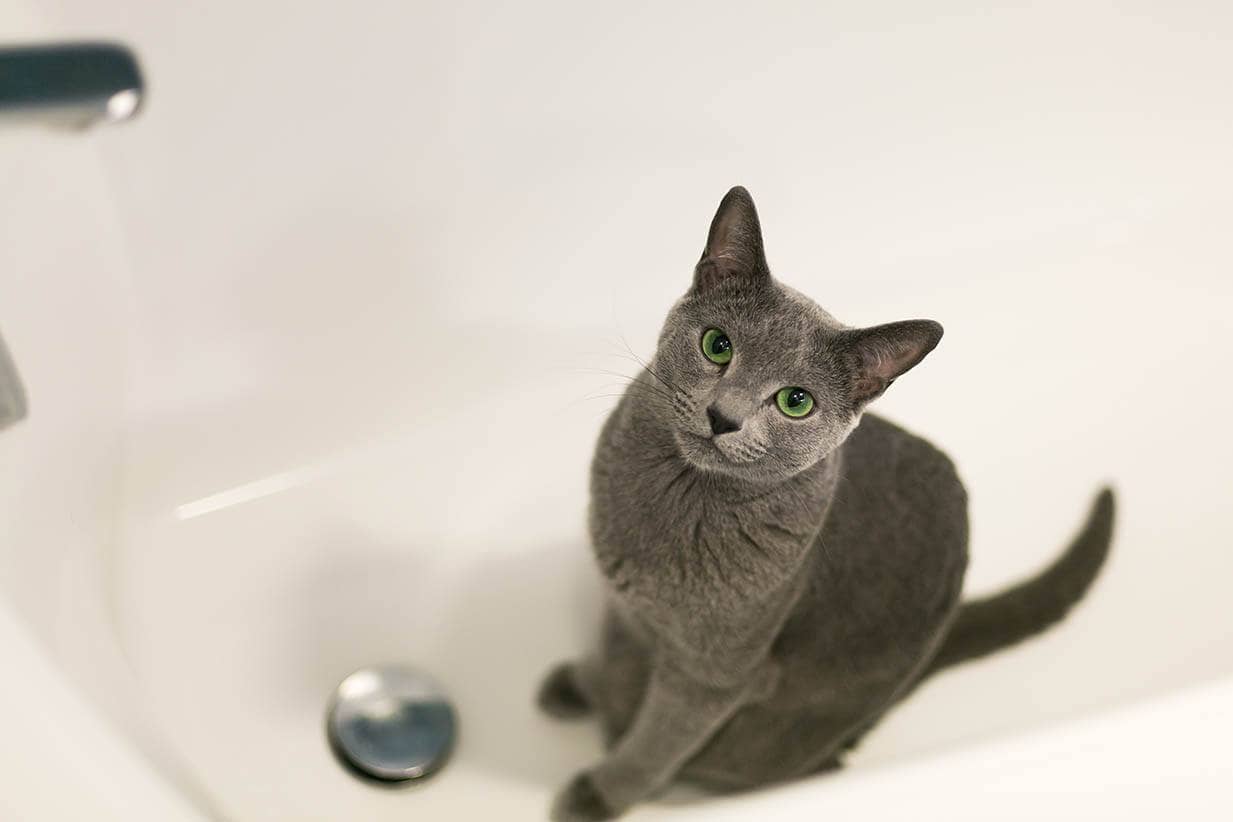
Cleaning a loaded litter box is no day at the beach, but it is more enjoyable than smelling urine when you enter the tub or shower. It seems strange that cats would use a hard surface like a bathtub to relieve themselves, but they’ll continue the behavior until you determine the cause and take steps to resolve the problem.
In this article, we’ll discuss the reasons why cats urinate in the tub and how to correct the practice.

The 6 Reasons Cats Urinate in the Bathtub
1. Litter Box Problems
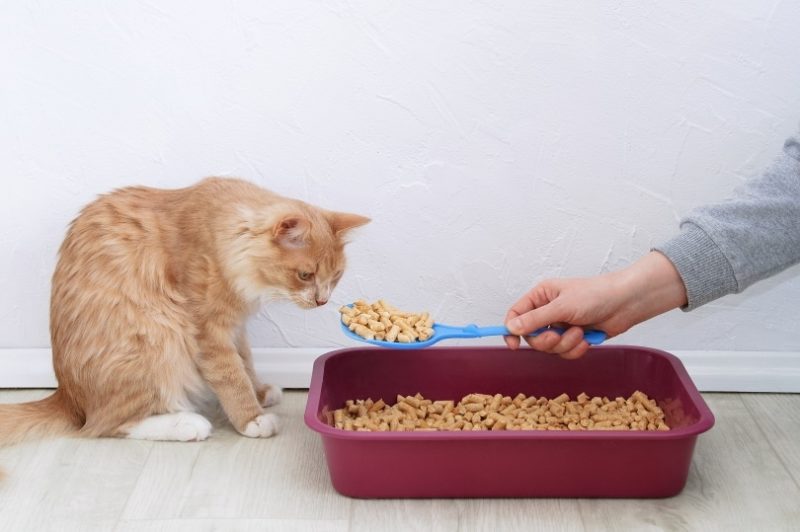
One of the most common reasons for bathtub peeing is an unfavorable litter box. Sometimes, the litter contains fragrant additives that mask the odor and convince pet owners to wait a few days before cleaning the waste. Waiting until the stench hits your nose to clean the box is an ineffective strategy that may convince your pet to find a cleaner area, like a tub, to use the bathroom.
- How to remedy: Remove the litter waste from the box every day and keep the area around the container clean. If the clean litter does not curb the behavior, you can switch to another litter material that may be more desirable to your cat. You’ll have to experiment with different types before finding one that’s acceptable. Moving the box to a quieter location can also help if the current spot is too noisy for your pet to relax.
2. Stress
Cat lovers often struggle to decipher their pet’s behavior, and it’s difficult to know when your furball is stressed. Cats do not like to stray from their daily routines, and an abrupt change can significantly impact the animals’ behavior. If you moved recently or just got back from a long vacation, high anxiety may cause your cat to urinate in odd places like the bathtub.
- How to remedy: Pet parents often experience stress after returning from a trip or unpacking in a new home. Showing your pet love and attention may not be on your mind when you’re busy, but it’s important to continue to play with your cat and establish a routine to lower stress levels. Also, you can confer with your vet about using calming supplements like melatonin to ease the animal’s mind.
3. Hormones
Whether you have a female or male cat, spaying or neutering is a vital procedure that can reduce the chances of an escape and prevent your pet from marking away from the litter box. Males who detect neighborhood females in heat and females anxious to attract males may choose the bathtub to mark their territory. Because their hormones are raging, intact males produce a more powerful stench when they pee than neutered cats.
- How to remedy: When your cat is at least 6 months old, take it to the veterinarian to be fixed. Recovery periods for females take a few days longer than for males. Most females will recover in 10 to 14 days.
4. Old Scents
If your pet has made a mess in the bathtub before, they will likely repeat the behavior if any lingering scent remains. Bathroom cleaners can remove urine stains, but most products will not eliminate odors from cat urine. Ammonia-based cleaners leave a chemical residue that smells like cat pee, and your pet may be drawn to the tub because of the ammonia aroma.
- How to remedy: Use an enzymatic cleaner to eliminate scents and stains from cat urine. Rather than mask the smell, enzymatic cleaners are designed to dissolve the proteins causing the foul odor.
Our favorite enzyme cleaner for eliminating pet smells and stains is our very own Hepper Advanced Bio-Enzyme Pet Stain & Odor Eliminator Spray. It makes clean-up a breeze because it permanently removes even the very worst smells and stains (urine, feces, vomit, you name it!) from basically any surface you can imagine.

- ADVANCED ENZYMATIC CLEANER - Penetrates the most stubborn smells and stains at the deepest molecular levels to dissolve any pet mess you encounter and lift it away at the source.
- FOR ANY MESS, ON ANY SURFACE - This pet odor eliminator cleans your carpets, floors, furniture, fabrics, and more. Whether it's urine, feces, vomit, or drool, you can erase all foul spots and smells!
- FRESH, NATURAL ODOR - Our unique formulation doesn't rely on dangerous or unpleasant chemical fragrances to get the job done. We eradicate smells and stains, not just cover them up.
5. Cognitive Problems
Aging cats sometimes have issues using the litter box when experiencing cognitive decline. As their conditions worsen, they may use the bathtub as a litter box more frequently. While there is no cure for cat dementia, you can treat the disease with help from your veterinarian.
- How to remedy: Veterinarians recommend maintaining a steady routine of feeding, exercising, and grooming to reduce the effects of cognitive decline. After a complete checkup from the doctor, your cat may also be prescribed a special diet to address nutritional deficiencies that can affect their mental health.

6. Physical Disorders
Aching joints and muscles may prevent older cats from climbing into the litter box, but they’re more likely to pee in a shower than in a tub with tall sides. Urinating away from the litter box may indicate a more severe problem that must be treated immediately. Some of the medical issues associated with excessive urination include urinary tract infections, kidney disease, and liver disease.
- How to remedy: For older felines with joint problems, use a flat litter box that is easier to enter. If you have an adult cat that frequently urinates in the tub and other strange locations, visit your veterinarian for a urinalysis to determine treatment options.
Additional Methods for Keeping Your Cat Away from the Tub
We covered how you can remedy bathtub accidents depending on the reasons, but you can also use these suggestions for keeping your pet out of the tub:
- Fill your tub with enough water to cover the bottom to convince your cat to move away. Cats do not like relieving themselves with wet paws. It may seem wasteful, but it costs less than cleaning a urine stain with an enzymatic cleaner.
- Keep the bathroom doors closed.
- Boil a tablespoon of orange peels in a quart of water to create a diluted citrus spray. Spray the solution around the tub and reapply each day to deter your pet.
- Place a sachet of aromatic herbs like peppermint or lavender to discourage bathtub peeing.
- Keep a scat mat in the tub when you’re not using it.

Conclusion
Cats are mysterious animals, and their personality quirks sometimes make us question their sanity. Bathtub peeing is not one of the actions that make us smile, but luckily, it can be remedied by determining the reason behind the unwelcome habit.
Visiting your veterinarian will ensure your pet is not experiencing a medical condition, and you can take steps to redirect your cat to the litterbox and finally enjoy a urine-free bathtub.
Related Reads:
Featured Image Credit: Irina Borodovskaya, Shutterstock
Get Hepper In Your Inbox


Pet care tips from our vets and experts, straight to your inbox.
You may opt-out at any time. View our Privacy Policy for more information.

Nicole is a lover of animals of all sizes but is especially fascinated with the feline variety. She’s the proud mom of Baby, a Burmese, and works every day so he can relax in the sunshine or by the fire. She’s always had a cat in her home and has spent countless days with others, observing behaviors and softening up even the grouchiest of the lot. Nicole wants to share her kitty expertise with you so you and your cat can live happy, healthy, and care-free.
Join the conversation
Ask a question, share your story, or send private feedback.