Hepper is reader-supported. When you buy via links on our site, we may earn an affiliate commission at no cost to you. Learn more.
Can Cats Eat Lavender? Vet-Approved Facts & Safety Tips


In this article
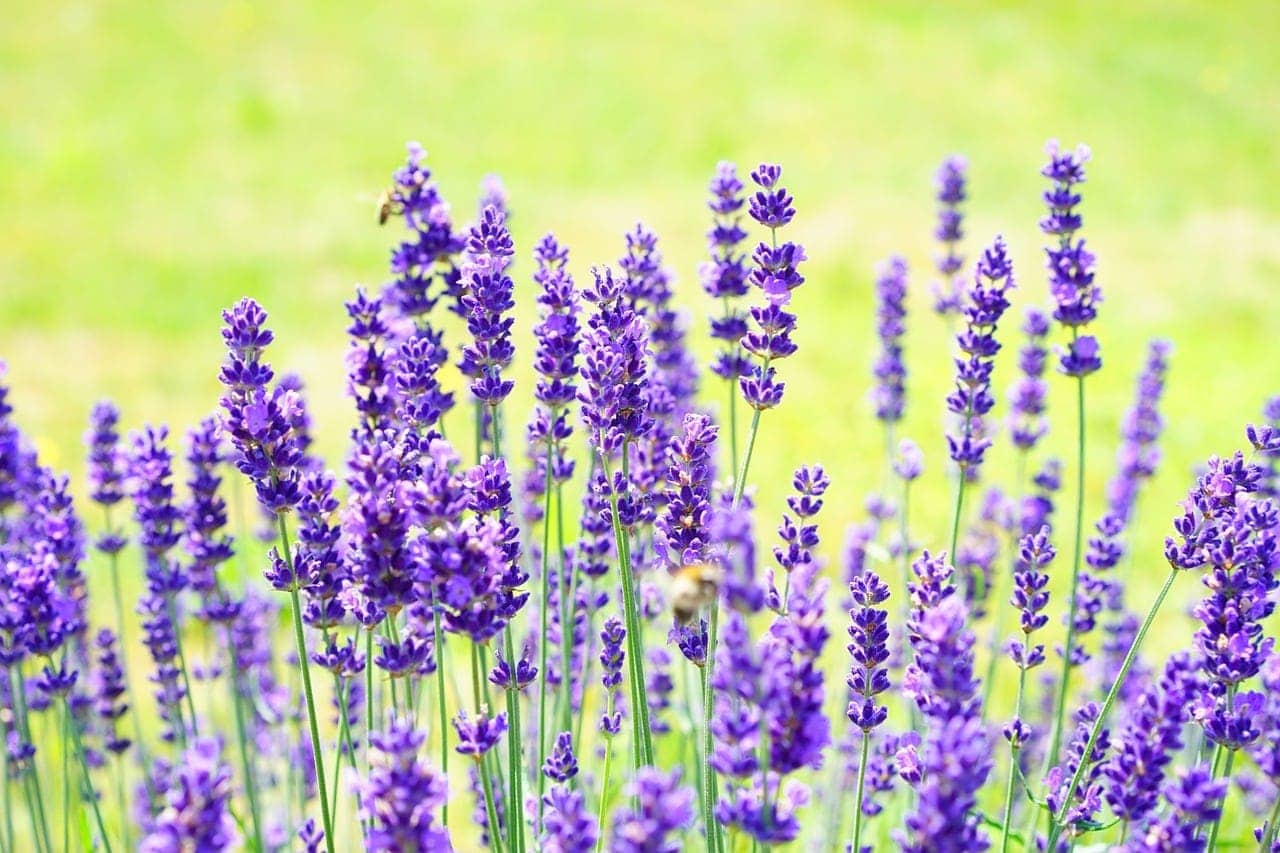
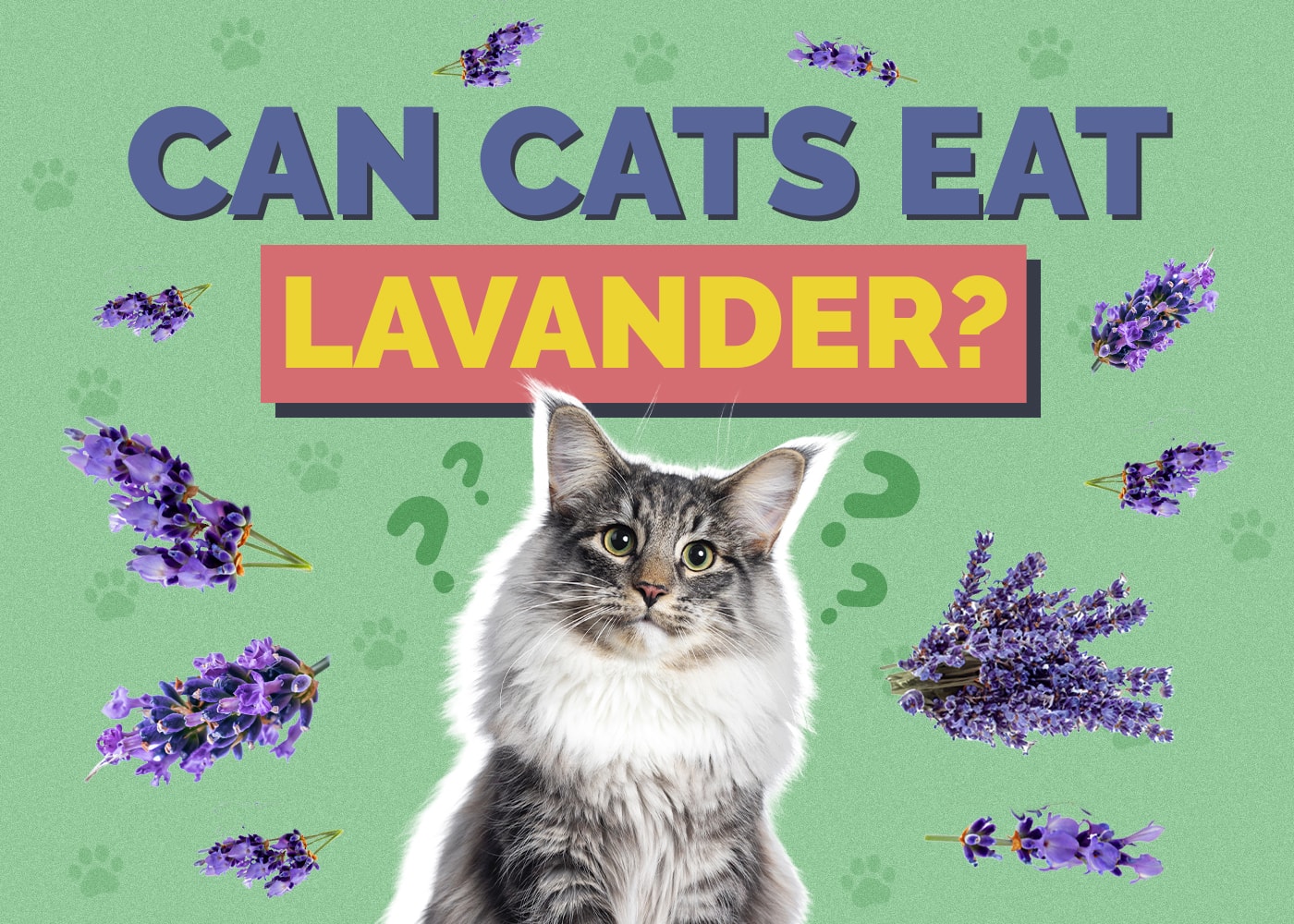
Lavender is a gorgeous plant, full of beautiful purple flowers, and the source of one of the most popular scents used in a variety of products. Found in everything from lotions to candles to cleaning products, lavender is generally considered a soothing, calming scent.
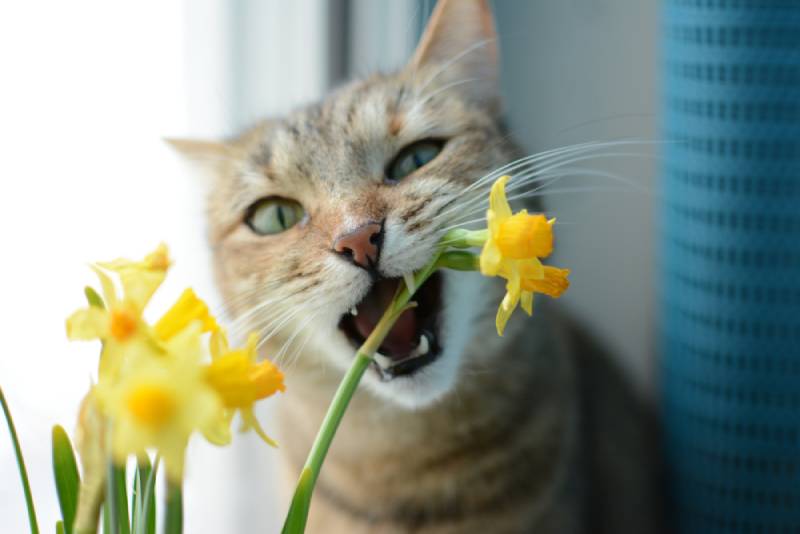
While you may enjoy the sights and smells of the lavender plant, you might also worry about what would happen if your cat tried to eat it. Is lavender safe for cats? No, cats shouldn’t eat lavender as it is considered toxic to them.
In this article, you’ll learn what makes lavender toxic to cats and what symptoms you should expect to see if your cat eats lavender.

What Makes Lavender Toxic To Cats?
According to the ASPCA, common lavender, also called English lavender, contains two toxic components: linalool and linalyl acetate.
Linalool is a naturally occurring alcohol found in many flowers, not just lavender. This compound is responsible for the lovely fragrance of the lavender plant and is extracted for use in many products, including cosmetics. It’s also used as an insecticide.
Linalyl acetate is derived from linalool and the two are the primary chemical compounds that make up lavender oils. This substance is also used to add scent to cosmetic and cleaning products. It can also be used to flavor food and as a natural anti-inflammatory.
What Happens If a Cat Eats Lavender?
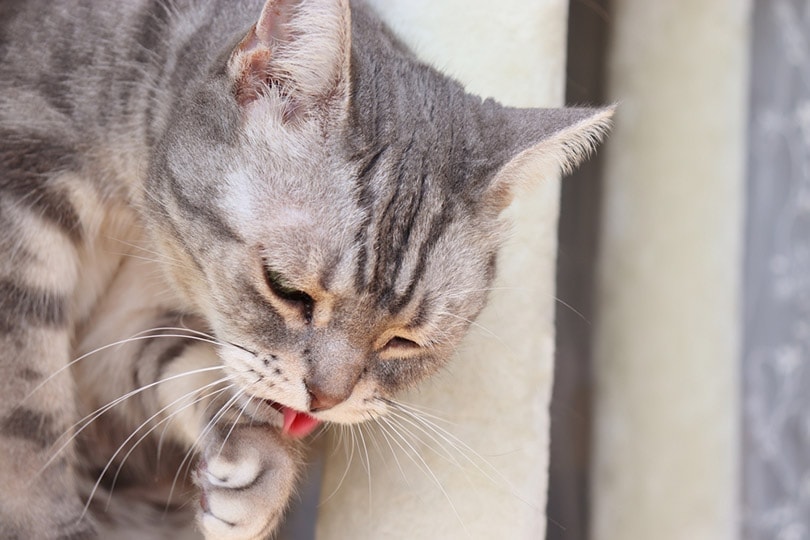
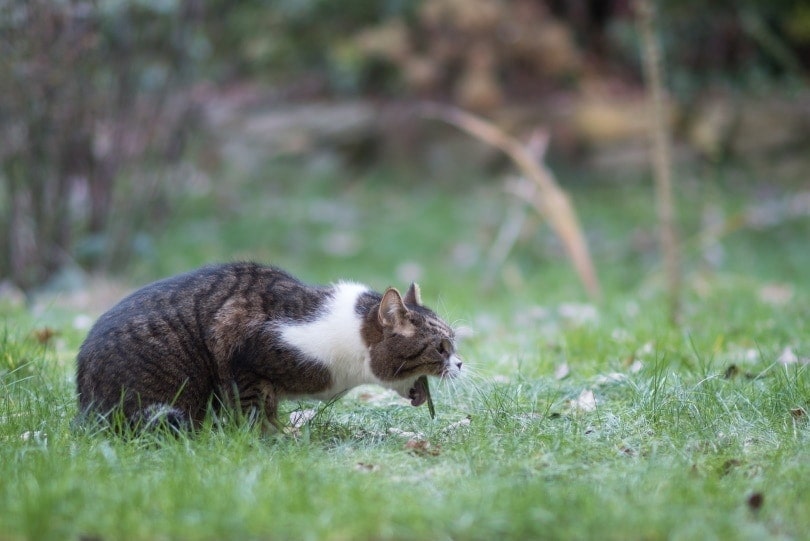
The main symptoms of lavender toxicity in cats are nausea, vomiting, and loss of appetite. While these signs may seem more annoying than dangerous, they can still pose a concern for your cat. Excessive vomiting can cause your cat to become dehydrated, leading to more serious medical issues.
In addition, anytime a cat goes even a short period without eating, they are at risk of developing a condition called hepatic lipidosis, or fatty liver syndrome. Overweight cats are more likely to develop this disease, which is difficult to treat and sometimes fatal.
If you suspect your cat has eaten or chewed a lavender plant, contact your veterinarian for advice. If your cat develops persistent symptoms, your vet may recommend symptomatic treatment such as anti-nausea medications and intravenous fluids to keep your cat hydrated.
What About Lavender Essential Oil Products?
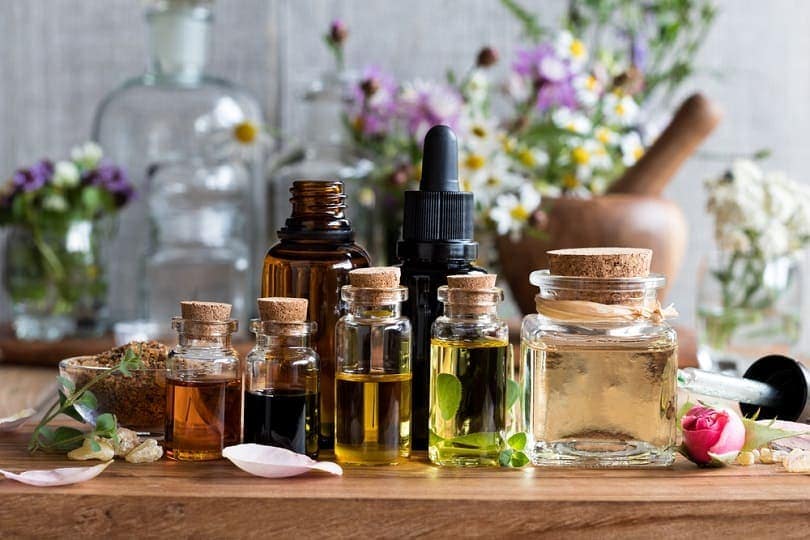
Essential oils derived from numerous plants, including lavender, have grown in popularity recently. They are being used for aromatherapy and herbal remedies, among other things.
All essential oils should be used with caution or avoided entirely with cats. Many are known to be toxic to our feline friends, and even those considered "safe" could still present a problem. Unlike dogs and humans, cats have fewer of the specific liver enzymes needed to metabolize the oils.
Because of this, it takes only a small amount of essential oil to poison a cat. Cats could be poisoned either by ingesting the oils or absorbing them through the skin.
You may enjoy the scent of a lavender oil diffuser, but these could also be dangerous to your cat. Some types of oil diffusers could cause respiratory irritation in cats. Others could lead to droplets of oil collecting on your cat’s fur, which may be absorbed or ingested.
How To Keep Your Cat Safe From Lavender
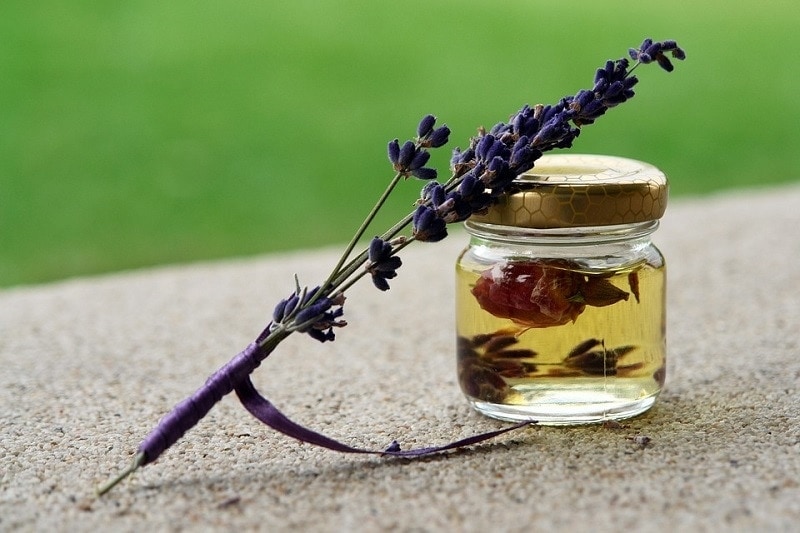
The best way to keep your cat from eating lavender is to prevent access in the first place. If you grow lavender in your yard, keep your cat indoors or plant it in a location your cat can't access. To keep your indoor cat safe, keep lavender plants out of reach or place them in a room off-limits to your kitty.
Better yet, consider growing one of these cat-friendly plant species:
- Gerber daisy
- Orchid
- Roses
- Sunflowers
- Rosemary
- Spider plant
- Boston fern
You could also plant your kitty their own patch of cat grass to chew on or grow a personal supply of catnip.
Even when growing safe plants, it's still best to keep them out of reach of your cats if possible. Many fertilizers are toxic to cats, and they could also be injured if they knock over and break pots or vases. Hanging plants are a good choice in many cases.
For even more plant options, check out the ASPCA’s exhaustive list of toxic and non-toxic plants here. If you ever have a concern about any plant or flower, don’t hesitate to consult your veterinarian.
Conclusion
Growing houseplants can provide many health benefits, including cleaner air indoors and lowered stress levels. However, cat owners need to be certain that the plants they choose to improve their health don't endanger their cats'. For humans, lavender is both highly beneficial and extremely useful, but it's not safe for your cat to eat. Keep lavender in all forms away from your kitty.
Get Hepper In Your Inbox


Pet care tips from our vets and experts, straight to your inbox.
You may opt-out at any time. View our Privacy Policy for more information.
A lifelong lover of all creatures great and small, Elizabeth got her first cat at 5 years old and at 14, she started working for her local veterinarian. After spending more than 20 years working as a veterinary nurse, Elizabeth decided to step away to become a stay-at-home parent to her daughter. Now, she is excited to share her knowledge with our pet parents. Elizabeth lives in Iowa with her family, including her two fur kids, Linnard, a husky mix and Algernon, the worldʻs most patient cat. When not writing, she enjoys reading, watching soccer, and spending time outdoors with her family.
Join the conversation
Ask a question, share your story, or send private feedback.