Hepper is reader-supported. When you buy via links on our site, we may earn an affiliate commission at no cost to you. Learn more.
Why Does My Cat's Breath Smell? 7 Vet-Reviewed Causes Explained


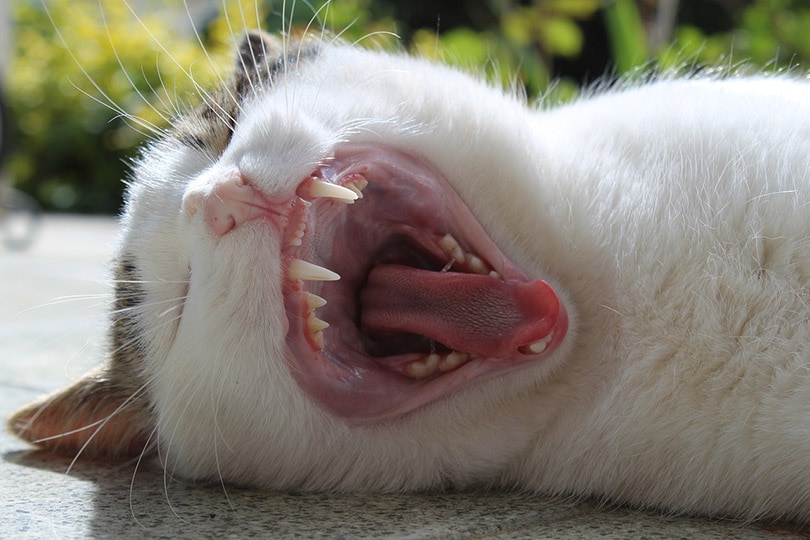
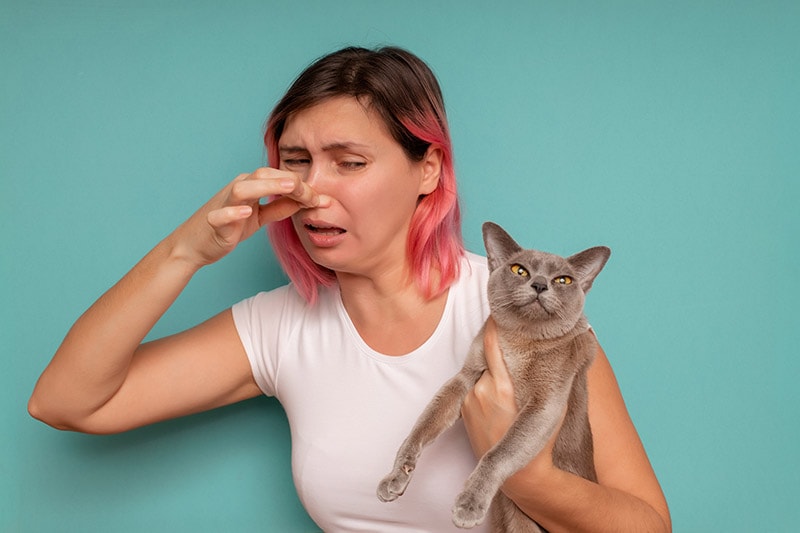
Cats typically don't have bad breath issues, but it's often possible to get a whiff of something pungent if your cat just ate a few bites of tuna or something similar. While halitosis (commonly called bad breath) can have several causes, a cat's bad breath is most often linked to dental disease. Other conditions that can hurt your cat's breath include kidney and liver disease, as well as conditions such as diabetes. Keep reading for more information about the most common reasons for feline halitosis.

The 7 Likely Reasons Your Cat's Breath Smells Bad
1. Dental Disease
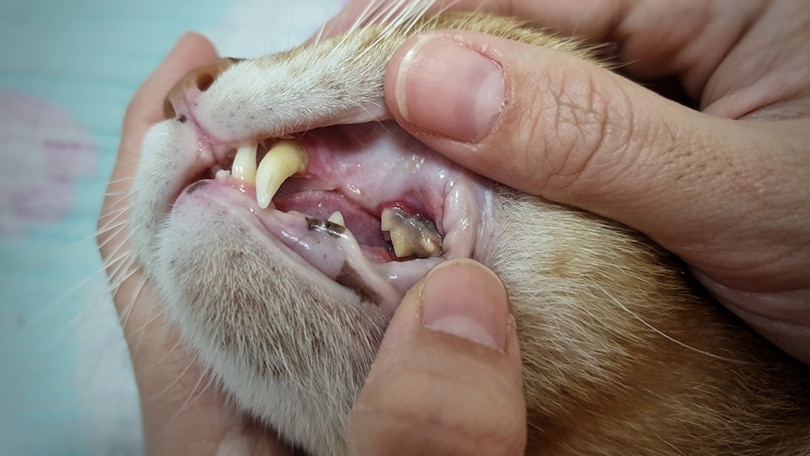
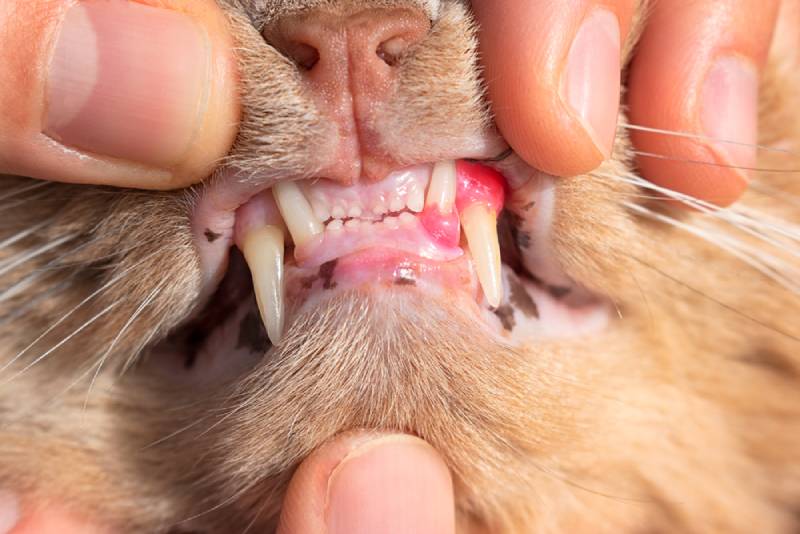
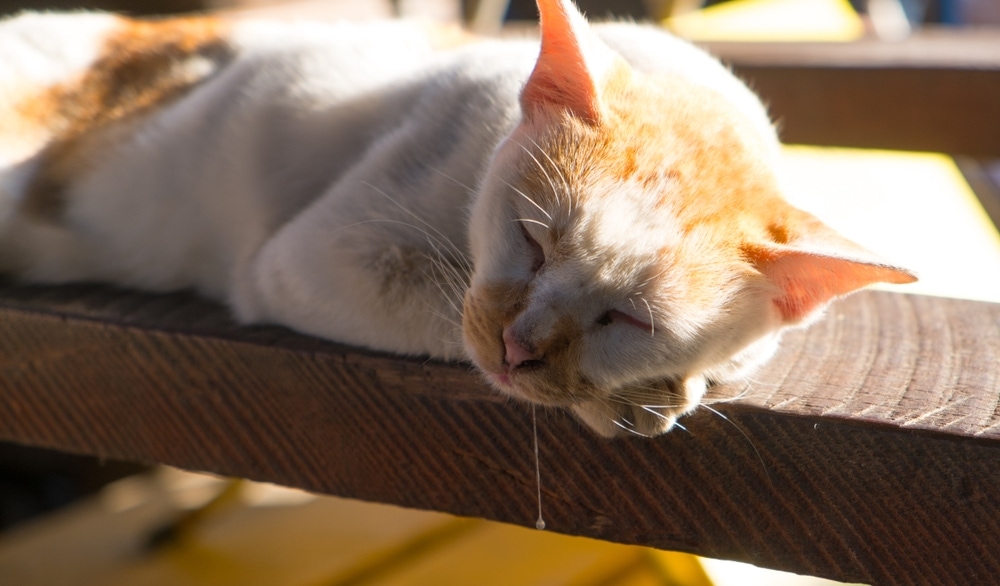
Dental disease is by far the most common cause of bad breath. It often starts with a lack of basic hygiene, which leads to plaque buildup and gingivitis (irritated and inflamed gums). Left untreated, gingivitis can develop into periodontal disease, which can result in tooth loss and even systemic infections. Signs of dental disease in cats include drooling, pawing at the mouth, pain while eating, lack of interest in food, and weight loss.
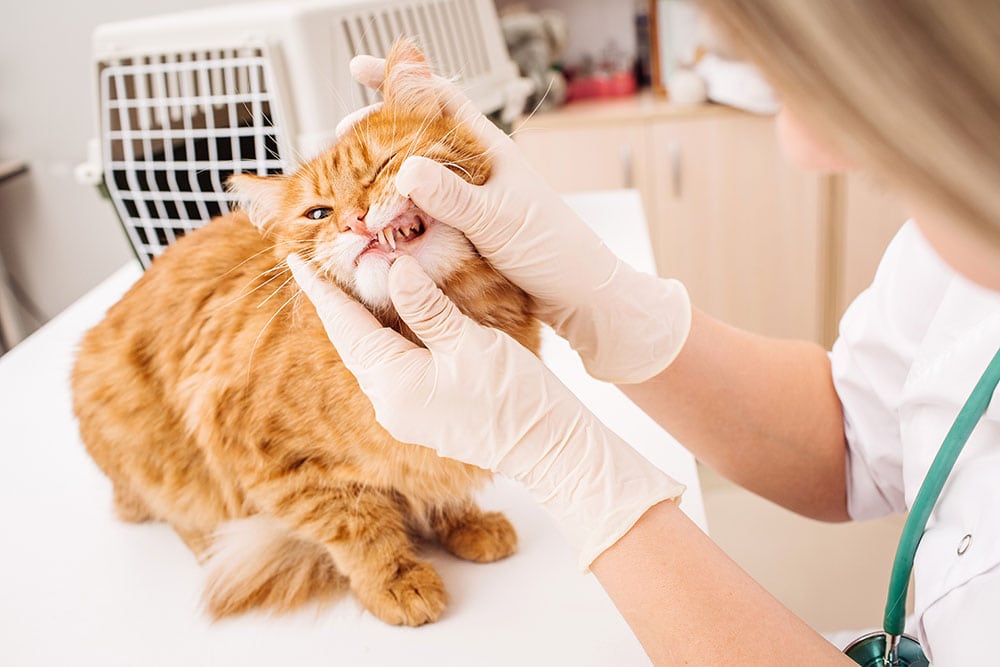
Most veterinarians recommend brushing cats' teeth daily to prevent plaque accumulation and tartar formation. Stick with toothpaste for cats since human products often contain fluoride, which can be toxic to cats. Cats generally respond well to flavored feline-friendly toothpaste! Even cats getting great at-home dental care may require the occasional professional cleaning. Your vet will let you know if your cat needs this type of in-depth cleaning, so make sure you routinely have your cat’s teeth checked (at least once or twice a year).
2. Chronic Kidney Disease (CKD)
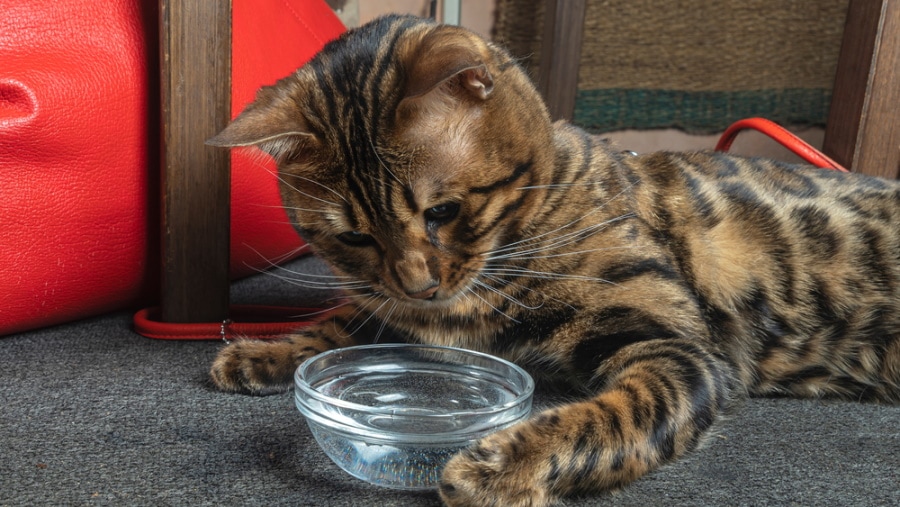
Your cat's kidneys play an essential role in their overall health by filtering out waste materials from your pet's blood. When a cat's kidneys decline, waste products can no longer be efficiently removed from its body. Some cats with failing kidneys have breath that smells like ammonia due to the accumulation of urea. CKD is a progressive condition most often found in older cats. Cats suffering from the condition often lose weight and sometimes appear depressed. Increased drinking and urination are also usually seen.
CKD is classified in four stages and the treatment depends on the stage your cat is in. Your vet will help you understand the disease and help your cat achieve a slower progression and better quality of life. Dehydration is a serious complication in cats suffering from CKD. A fun cat fountain may encourage your buddy to take a few more sips, as most cats prefer to consume water from running sources.
3. Liver Disease
Good liver health is essential for metabolic function. The liver plays a role in breaking down and removing toxins from your cat's bloodstream. It also assists in the absorption of fats, proteins, and other nutrients. Early signs of liver disease often include increased drinking and urination, lethargy, and weight loss. Jaundice is often seen as the condition progresses.
Several conditions, including hepatic lipidosis, can cause your cat's liver to function less optimally. Hepatic lipidosis occurs when excess fat in the liver leads to organ failure. It's often seen in overweight cats and is usually immediately preceded by a period during which cats lose interest in eating. Cats suffering from this condition often lose weight and have yellowish gums. Many also show digestive issues, such as vomiting and diarrhea. The condition can be fatal if not promptly treated, so make sure you take your cat to your vet as soon as you noticed a decrease in appetite.
4. Diabetes
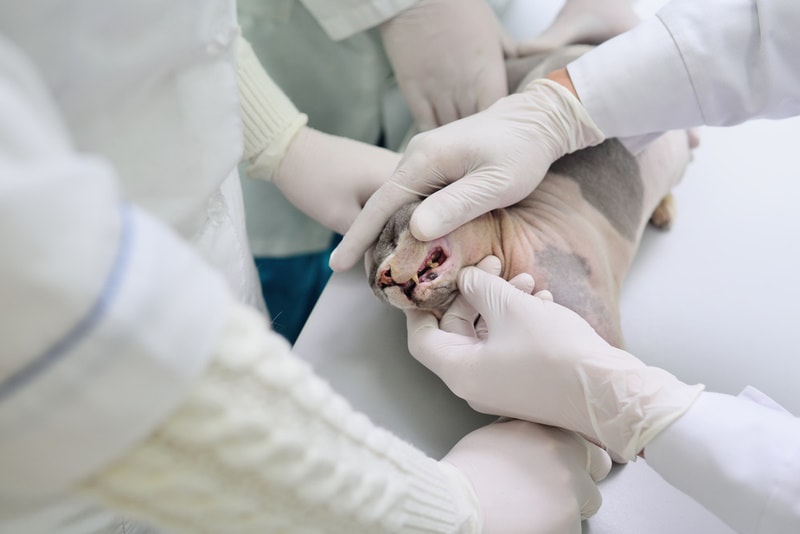
Cats with diabetes have trouble making or responding to insulin, causing elevated blood sugar levels. The two most common types of diabetes are type 1 and type 2. Cats mostly suffer from type 2 diabetes, in which their body fails to respond properly to insulin (called insulin resistance). Common signs of the condition include weight loss and increased thirst and urination. Cats with severe or uncontrolled diabetes can develop a life threatening complication called ketoacidosis, which can lead to a stinky, fruity breath.
There are many risk factors for the development of diabetes. Overweight cats are at increased risk of developing the condition, and so are cats that suffer from pancreatitis and some hormone diseases. Keeping your cat's weight under control is one of the best ways to reduce their chances of developing a chronic disease like diabetes. Treatment often involves medication and dietary adjustments.
5. Skin Infections
Cats suffering from skin infections of the lips or areas around the mouth sometimes have bad breath, often due to the presence of bacteria. Traumatic injuries of the mouth sometimes progress into bacterial infections, which can give your pet's breath a bit of a punch. Cats with skin infections often have small, raised bumps and fluid-filled pustules. They also have patches of discolored or dry, flaky skin. Smelly yellow and green pus are sometimes present.
Make an appointment to have your cat looked at if they're showing signs of a skin infection. Not only are these conditions quite uncomfortable for cats, but they can also develop into systemic diseases such as sepsis that can be fatal if not swiftly treated. Most infections can be effectively treated with antibiotics. Veterinarians also commonly prescribe medication to reduce pain and lower inflammation to help support cats as they heal.
6. Foreign Objects
Cats sometimes develop bad breath when there's something stuck in their mouth. Contact your veterinarian immediately if you suspect your cat has eaten yarn, string, or something similar.
Other signs of foreign object ingestion include lethargy, drooling, gagging, and difficulty swallowing. Veterinarians often rely on the information you provide about your cat's health, x-rays, and endoscopies for diagnosis. Treatment usually requires cats to be sedated to have their mouth examined and the foreign object removed.
7. Respiratory Conditions
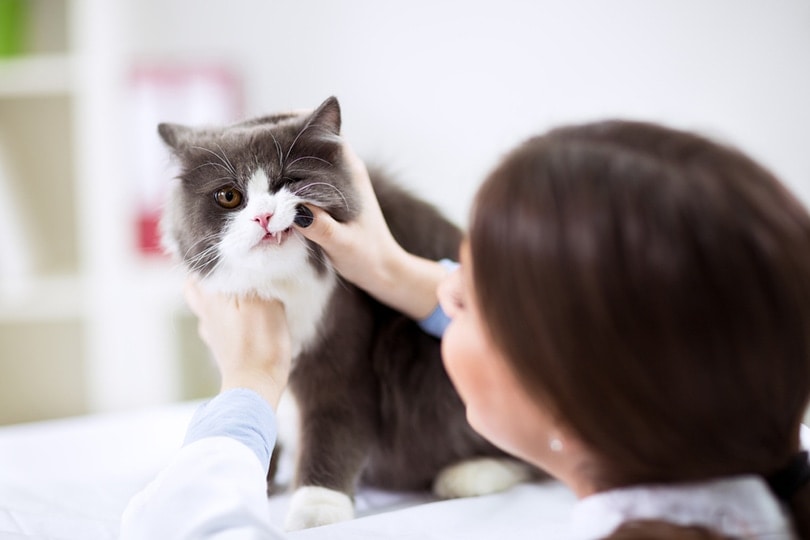
Although it is not very common, bad breath can sometimes be caused by respiratory tract problems. Viruses cause many respiratory infections in cats, although secondary bacterial infections are relatively common. Feline viral rhinotracheitis (FVR) and feline calicivirus (FCV) are two of the most common culprits. Pets having respiratory issues often sneeze, cough, and become lethargic. Many lose interest in food and have runny noses.
FVR and FCV are common among cats; around 98% are exposed to FVR throughout their lives. There are safe and effective vaccines for both viruses, and you can speak to your veterinarian to ensure you're on the right schedule for boosters. Neither vaccine prevents cats from catching these viruses, but they drastically limit the chances of transmission. Vaccinated cats who become sick often only experience mild signs.
How Do I Brush My Cat's Teeth?
If you've never brushed your cat's teeth, start by heading to the pet store to buy cat-friendly toothpaste and a feline toothbrush. Grab a can of tuna or something similar your cat likes and a few Q-tips.
Are There Other Ways to Improve My Cat's Dental Health?
Dental chews can help minimize the accumulation of tartar in some pets. There are dietary formulations that are designed to reduce the formation of plaque in cats. Also, wipes, sprays, and water additives may help when cats don’t tolerate regular tooth brushing. Speak with your veterinarian to ensure you use the right product for your pet's needs.
Final Thoughts
Bad breath in cats should never be overlooked. Bad breath that sticks around is often a sign of a condition that needs attention. Cats can end up with bad breath due to various issues, including dental, kidney, and liver disease. However, dental problems are the most common cause. Frequent at-home tooth brushing, combined with professional dental cleanings if necessary, supports optimal feline oral health by reducing the buildup of plaque and tartar and the development of gingivitis and periodontal disease.
Sources
https://www.petmd.com/cat/conditions/mouth/dental-issues-cats
https://vcahospitals.com/know-your-pet/dental-cleaning-in-cats
https://vcahospitals.com/know-your-pet/brushing-teeth-in-cats
https://www.petmd.com/cat/conditions/digestive/c_ct_esophageal_obstruction
https://www.petmd.com/cat/conditions/systemic/c_ct_septicemia_bacteremia
Featured Image Credit: Sergio Huainigg, Pixabay
Get Hepper In Your Inbox


Pet care tips from our vets and experts, straight to your inbox.
You may opt-out at any time. View our Privacy Policy for more information.
Lorre Luther a reformed lawyer from the United States, she moved to the Netherlands to follow her dream and become a writer. Currently living in Rotterdam, Lorre enjoys traveling and reveling in the astonishing beauty of our planet. As an animal lover, Lorre is convinced that cats are smarter than humans.
Join the conversation
Ask a question, share your story, or send private feedback.