Hepper is reader-supported. When you buy via links on our site, we may earn an affiliate commission at no cost to you. Learn more.
Why Does My Cat’s Poop Smell So Bad? 10 Vet-Reviewed Reasons & Solutions


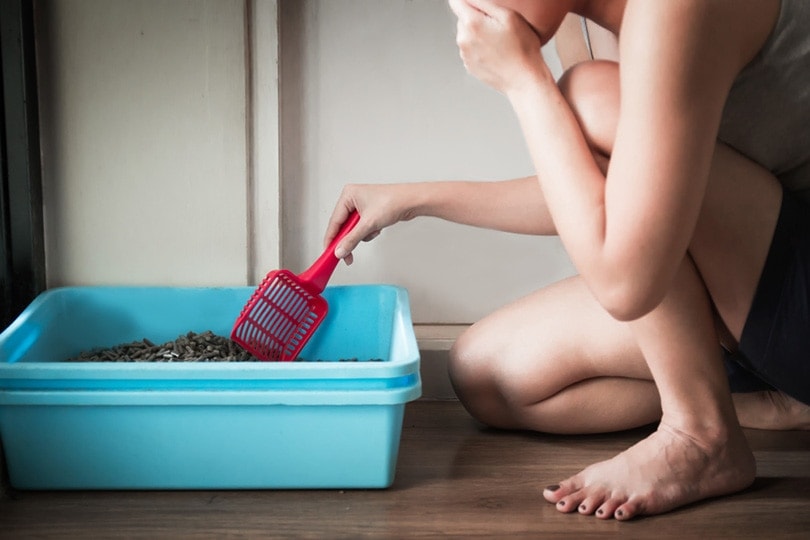
Let’s face it, nobody expects their cat’s poop to smell like freshly baked pumpkin bread. After all, we're talking about the waste products that your cat’s body couldn’t digest. However, if you have noticed that your cat’s poop doesn’t just stink but smells strong and pungent, there could be a reason, and—even better—there could be a way to fix it!
In this article, we will discuss 10 possible reasons your cat’s poop might smell so bad and what you can do about it.

The 10 Reasons Your Cats Poop Smells So Bad
1. Food Quality
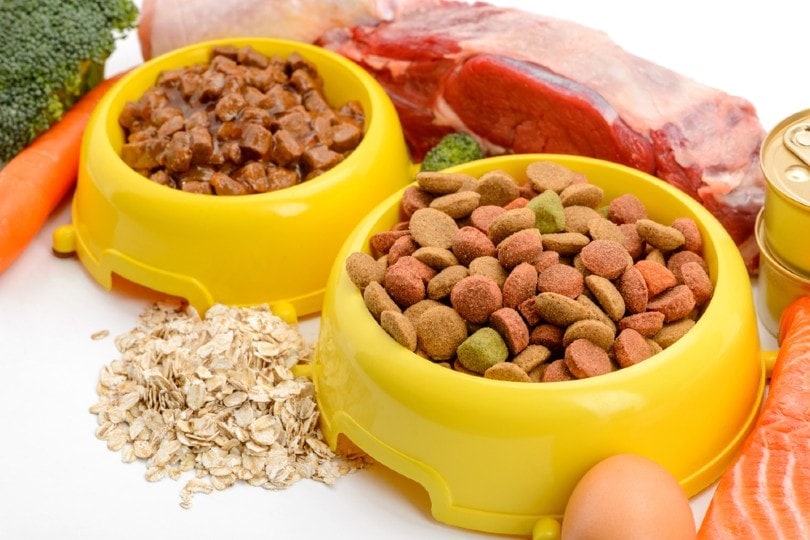
The quality of your cat’s food could be causing their poop to smell bad. While all cat diets must meet certain basic nutritional standards, the type of ingredients used varies widely within those parameters. Some of the cheaper foods use more “filler” ingredients to meet standards at a lower price point.
Many cats don’t have an issue with these foods and they are still nutritious, but other cats will have more trouble digesting these diets, leading to smelly poop.
- Solution: Feed your cat the highest quality food you can afford or speak to your vet for advice.
2. Sudden Diet Change
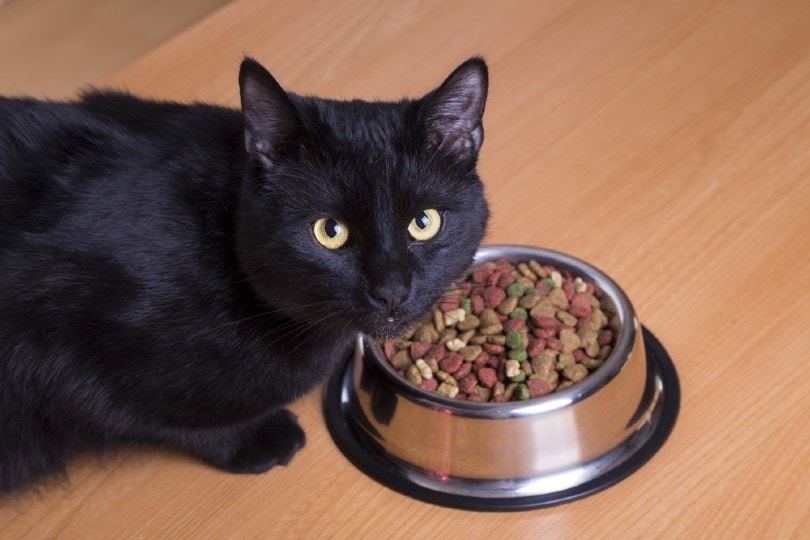
If you decide to change your cat’s diet, don’t do it abruptly because a sudden food change can also lead to smelly poop. Again, some cats can tolerate a quick changeover, but most will suffer some kind of digestive upset1, including vomiting and smelly, often loose, stools.
When your cat's digestive trouble is due to a food change, it'll generally resolve on its own fairly quickly as your cat's system adjusts to the new diet. However, if vomiting or diarrhea continues for more than a day or two or if your cat stops eating and drinking, contact your veterinarian.
- Solution: To avoid smelly stool from a diet change, switch your cat’s food slowly. Depending on how picky your cat is, try to take at least a week to make a food transition, gradually adding more of the new food each day.
3. Bacterial Infection
An infection or overgrowth of bacteria in your cat’s intestines2 can lead to gas and smelly stool, including diarrhea. Cats can get Salmonella or E. coli infections from eating raw food or hunting rodents and there are numerous other bacterial infections3 they can be affected by. Certain medical conditions4 can also cause an overgrowth of bacteria, resulting in smelly poop.
Treating bacterial causes of smelly poop generally involves a trip to the veterinarian to diagnose the problem. Your vet may recommend a fecal exam or other lab tests. Make sure to follow all recommendations and treatment plans to ensure your cat’s condition is properly treated.
- Solution: Avoid feeding your cat raw food5 and keep them indoors so they can't hunt and eat prey like rodents. Keep up with all routine veterinary care to hopefully spot problems early.
4. Parasites
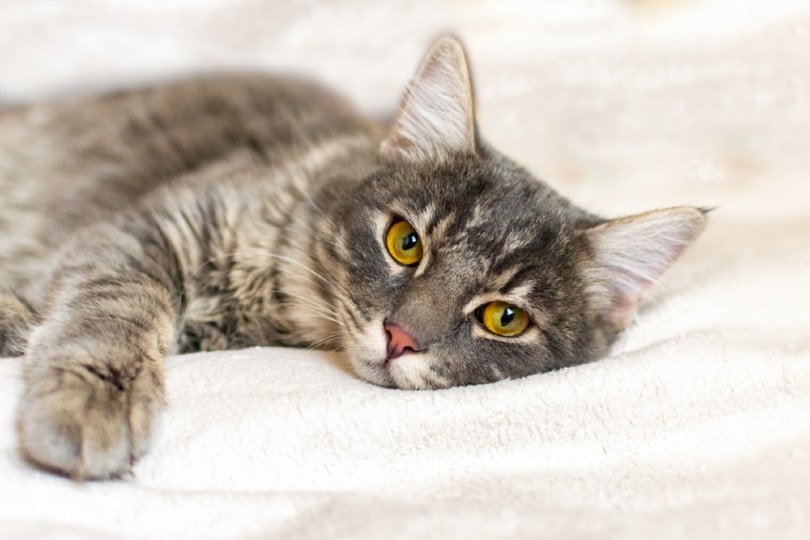
Intestinal parasites (“worms”) are another common cause of smelly stool, especially in kittens. Kittens are often passed worms by their mother while adult cats can get them from fleas, hunting rodents, or from other infected cats. Cats are generally infected by ingesting worm eggs, which migrate to the intestines and begin to hatch and reproduce. Hosting worms in the intestines can take a toll, leading to digestive trouble and stinky poop.
Your vet will diagnose intestinal parasites by examining your cat’s stool under a microscope. Treatment usually involves specific anti-parasitic medications and sometimes symptomatic treatment for diarrhea.
- Solution: Use a monthly flea preventative on your cat to reduce the risk of tapeworms and keep them indoors. If you adopt a new cat—especially a kitten—make sure they’ve been dewormed and keep them separate from your resident cats for at least 2 weeks to ensure they do not pass on any parasites or diseases. Worm cats regularly with a broad spectrum wormer, depending on their lifestyle this should be at least every 3 months but for some may need to be monthly.
5. Medications And Supplements
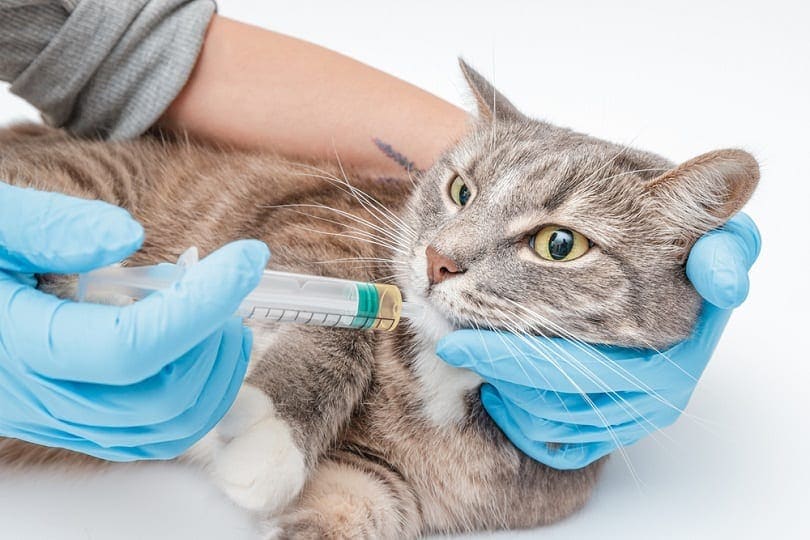
Certain medications and vitamin supplements can cause smelly stool in your cat. For example, antibiotics may alter the normal digestive bacteria in your cat's intestines, leading to issues digesting food and resulting in stinky poop. Any change to your cat's system, such as that caused by a new medication, can also change the smell of their stool.
Some added vitamin supplements may also cause your cat’s poop to smell. Healthy cats fed well-balanced diets usually do not need any added supplements.
- Solution: Ask your vet about any side effects with medications prescribed to your cat. You can also ask whether a
6. Digestive Disorders
Medical conditions can cause your cat to have issues digesting their food or absorbing nutrients. Either of these issues can lead to foul-smelling gas and poop. You’ll probably also notice that your cat is losing weight or having diarrhea and vomiting.
Many specific conditions can cause digestive disorders and your vet will likely recommend diagnostic tests to try and identify which it is. Managing these conditions can be complicated and your vet may refer you to a veterinary internal medicine specialist.
- Solution: Make an appointment with your veterinarian and follow all recommendations for medications or diet changes.
7. Food Allergies
Like humans, cats can suffer from food allergies and sensitivities. Unfortunately, many of the most common ingredients in cat food—like chicken, fish, and beef—are regular culprits of cat food sensitivities. Genuine allergies to food are very rare in cats. If your cat is allergic or intolerant to a certain food, they may be unable to digest it properly, leading to smelly poop.
In cats, food allergies are usually diagnosed by performing an elimination trial or a food trial under the guidance of a vet. These can be hard to accomplish because your cat must either strictly avoid certain foods or eat only a special allergy diet for an extended period, usually at least 8 weeks.
- Solution: Talk to your vet about performing a diet trial. Owner compliance is the most common reason diet trials fail, so be prepared to stick to the recommendations for as long as it takes.
8. Anal Gland Infection
Cats (and dogs) have little glands on either side of the inside of the anus called anal glands that are full of a strong-smelling liquid. This liquid usually expresses naturally when the animal poops. If the glands become infected, however, the liquid may take on an extra-strong, unpleasant scent, leading you to think that the cat's poop is to blame.
Anal gland infections usually require a trip to the vet. Sometimes, the glands can become clogged and develop an abscess. If this happens you may notice not only a strong smell but pus or bloody discharge on your cat's rear.
- Solution: Monitor your cat’s poop to make sure it is appropriately solid. Normal, solid stools will generally keep the anal glands expressed. If you see your cat scooting or excessively licking their rear, ask your vet to check their anal glands.
9. Not Covering The Poop
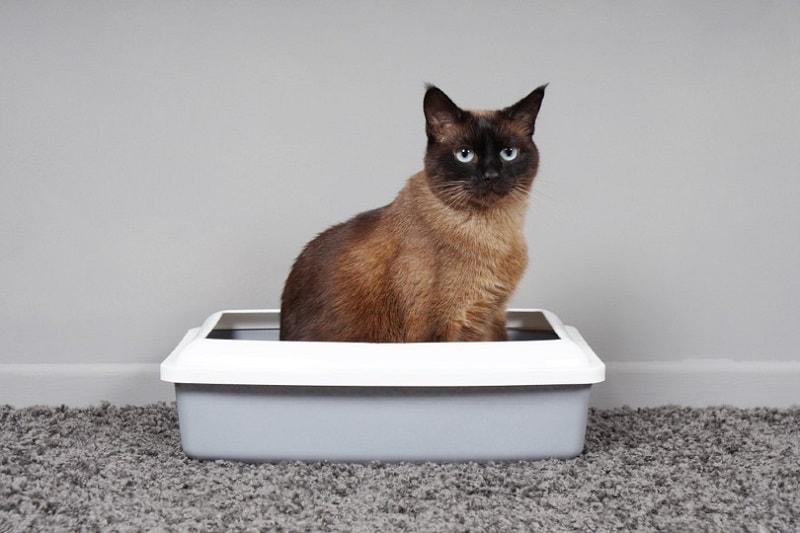
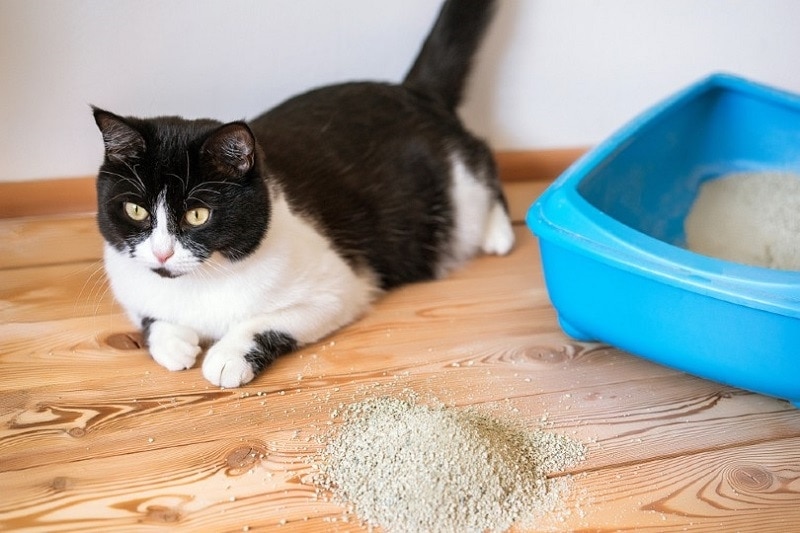
Sometimes, you might think your cat’s poop is extra smelly, but the real issue is your cat has failed to cover it after using the litter box. There are several reasons your cat may stop covering their poop, including medical conditions, behavioral concerns, or dislike of the litter box.
Your vet can help you determine if there are medical or behavioral reasons for your cats’ behavior. The causes of litter box aversion can be complicated to uncover.
- Solution: A rule of thumb is one litter tray per cat and then one extra. Make sure your elderly cat can physically manage to get into the litter tray. Ensure litter boxes are somewhere private and quiet and not near food and water bowls.
10. Type Of Cat Litter
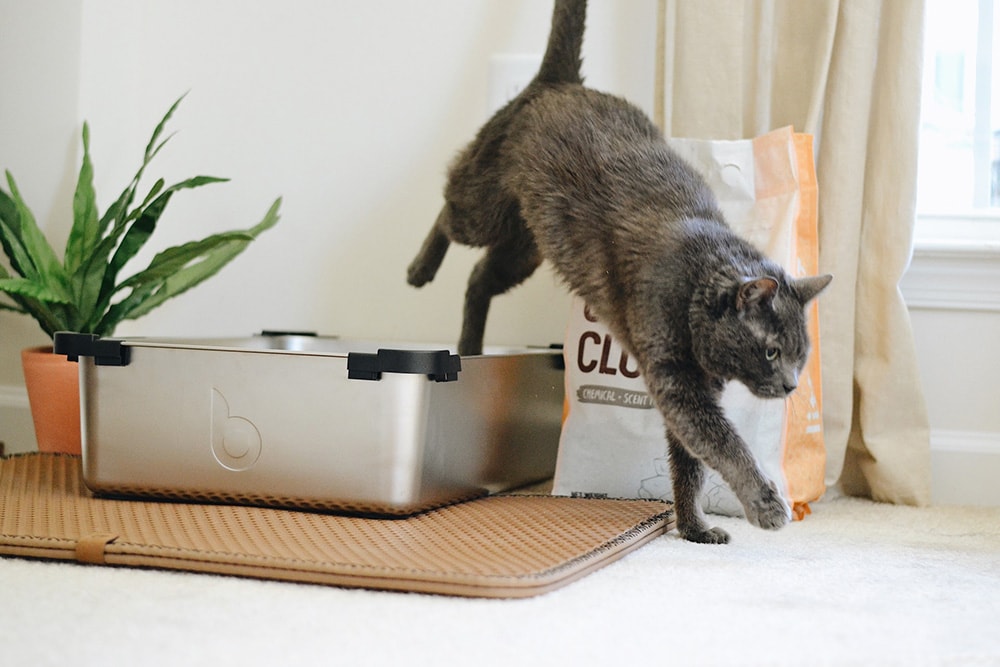
This is another one where the issue is not with your cat’s poop itself but their toilet. Certain types of cat litter do a better job of controlling odors than others. Some types, such as clay or plant-based litter retain more odors compared to clumping litter. If you are not regularly scooping your cat's litter box, you'll notice more poop smell in your home.
Cats usually have a texture preference when it comes to litter and some will only use one type. Generally, you will need to rule out all the other reasons for the smelly poop we just discussed before determining that your cat litter is to blame.
- Solution: Use unscented, clumping litter if possible. Regularly change out the entire box when using clay or plant litter rather than just scooping.
Final Thoughts
Believe it or not, cat poop should not have an overpowering odor. If the scent of your cat’s poop regularly draws a strong reaction, consider whether one of these reasons might be to blame. If so, you don’t just have to live with the unpleasant odor.
As we learned, smelly poop can sometimes be a sign of a serious medical condition. Because of this, you should not just ignore the odor or assume it is a natural part of life with a cat. Talk to your vet and make sure your cat is healthy before investing heavily in air fresheners.
Related Reads:
Featured Image Credit: catinsyrup, Shutterstock
Get Hepper In Your Inbox


Pet care tips from our vets and experts, straight to your inbox.
You may opt-out at any time. View our Privacy Policy for more information.
A lifelong lover of all creatures great and small, Elizabeth got her first cat at 5 years old and at 14, she started working for her local veterinarian. After spending more than 20 years working as a veterinary nurse, Elizabeth decided to step away to become a stay-at-home parent to her daughter. Now, she is excited to share her knowledge with our pet parents. Elizabeth lives in Iowa with her family, including her two fur kids, Linnard, a husky mix and Algernon, the worldʻs most patient cat. When not writing, she enjoys reading, watching soccer, and spending time outdoors with her family.
Join the conversation
Ask a question, share your story, or send private feedback.