Hepper is reader-supported. When you buy via links on our site, we may earn an affiliate commission at no cost to you. Learn more.
Why Is My Elderly Cat Suddenly Pooping on the Floor? 10 Vet-Approved Reasons


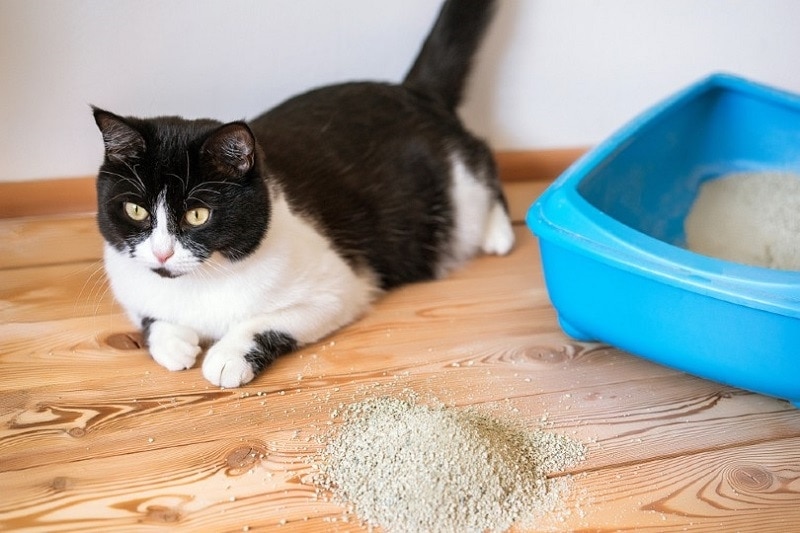
It can be distressing if your elderly cat suddenly starts pooping on the floor. The vast majority of cats are excellent at using their litter tray and are incredibly clean animals, so the chances are that if your elderly cat is soiling in the house, they’ll be just as distressed as you are about it.
Any change of behavior in your cat should always be checked by a vet, particularly with sudden house soiling, as this usually indicates a medical problem or illness that needs treatment rather than a cat “trying to get back at” their owner.
This behavior is a cry for help, and because cats are incredibly good at hiding health issues, it may be the only sign you get that your cat is unwell. Identifying the problem is the first step to remedying the issue, so read on to discover 10 possible reasons why your elderly cat is suddenly pooping on your floors.

The 10 Common Reasons Why Your Elderly Cat Is Suddenly Pooping on the Floor
1. Constipation or Diarrhea
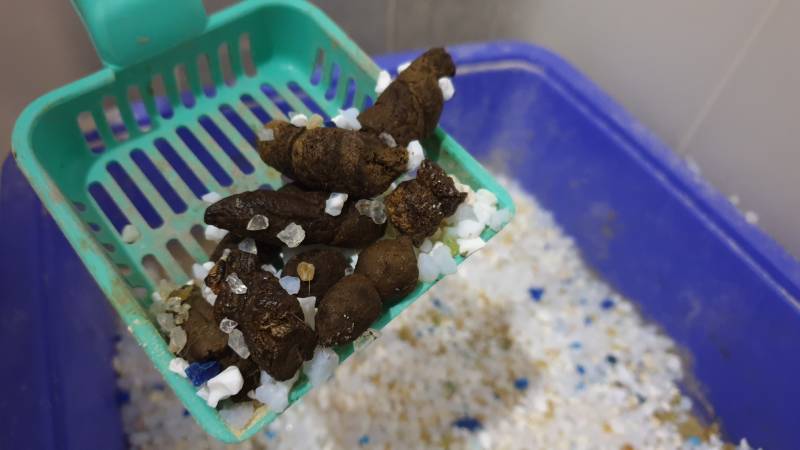
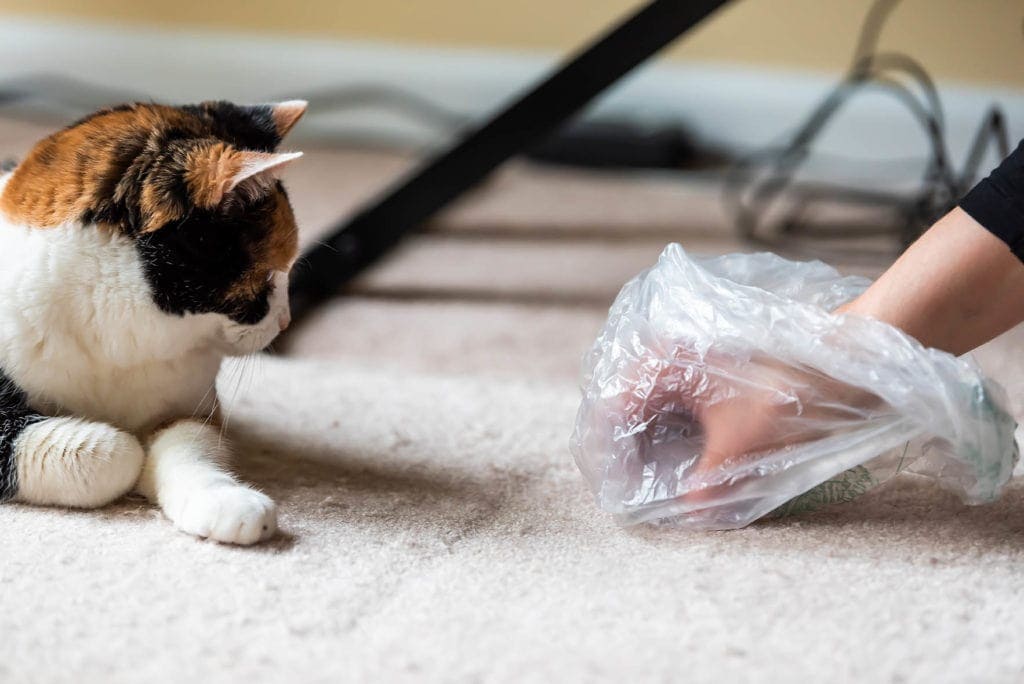
Usually, it’s obvious if your cat didn’t make it to the litter box in time if they have diarrhea, as it’ll be on the floor close to the litter tray. Your cat may try to bury these spots of poop or act upset over them, so it’s best to clean it up as soon as possible. For dry poops, constipation can be a reason they’ll end up on the floor.
If your cat is constipated or has diarrhea, they will be in pain and significant discomfort when trying to poop. There is also urgency when it comes to diarrhea, meaning they may not have enough time to get to the box. Older cats suffering with arthritis may struggle to comfortably get in the litter box, which is why poop ends up outside of it. All of this can cause them to associate this pain with the litter box, making them not want to use it and forcing them to go elsewhere. They may also get some feces stuck to their bum, and may try to smear it off outside of the tray, leaving poop in several places.
How to Remedy the Behavior
2. Urinary Issues
When cats have trouble peeing (such as when they have a urinary tract issue or a urinary blockage), it will cause them to strain when they attempt to pee for a long time and squat to pee small amounts more often. This amount of straining can cause them to poop accidentally. Also, it may be challenging in those instances to differentiate their posture to pee from one to poop. If you’re not sure if your cat is struggling to pee or poo, either way, they should be checked by your vet immediately.
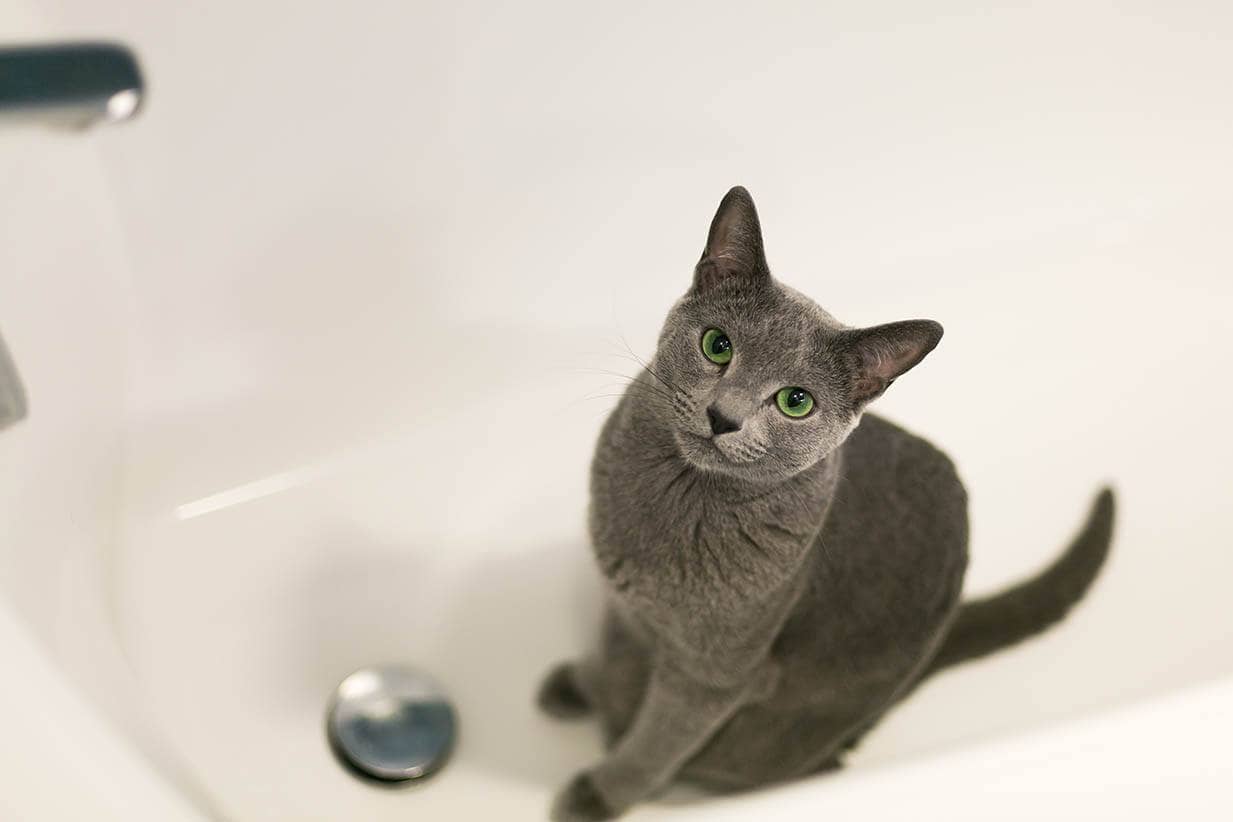
The reason why cats may then urinate or defecate outside of the litter box is due to straining repeatedly, and often, they do not have enough time to get to their box but instead do it wherever they are. In addition, the urge to urinate is distressing, painful, and uncomfortable for your cat, so they might not use their litter tray as they associate the tray itself with this pain (similar to constipation). This means they may decide to try and pee somewhere else, such as in the bathtub.
If you find poop around the house, observe your cat for a while and see if they’re squatting to urinate often or make frequent (unfruitful) trips to the litter box.
How to Remedy the Behavior
3. Hyperthyroidism
If your cat has issues with their thyroid gland, uncontrollable diarrhea can often be a sign of this. This condition is unfortunately common in middle-aged and older cats, and accidental pooping is often a result. However, other signs usually will occur alongside gastrointestinal problems with hyperthyroidism, which can help owners identify if their cat is unwell and seek treatment for them. Other signs your elderly cat may have hyperthyroidism include:
How to Remedy the Behavior
4. Dementia
Cats, like humans, can suffer from a cognitive decline in their old age. Feline cognitive decline has signs similar to dementia, causing changes in memory, forgetfulness, deterioration in senses, and decreased bowel control.
These signs may mean that your elderly cat has simply forgotten where their litter box is and can no longer hold their poop.
How to Remedy the Behavior
5. Litter Box and Litter
If you’ve recently changed the type of litter box you use, the type of litter inside it, or even the location of it, your elderly cat may not like the new changes.
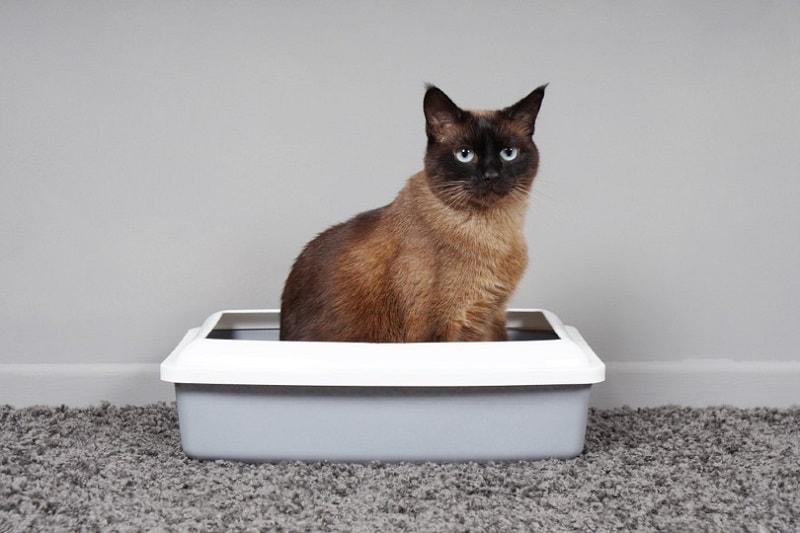
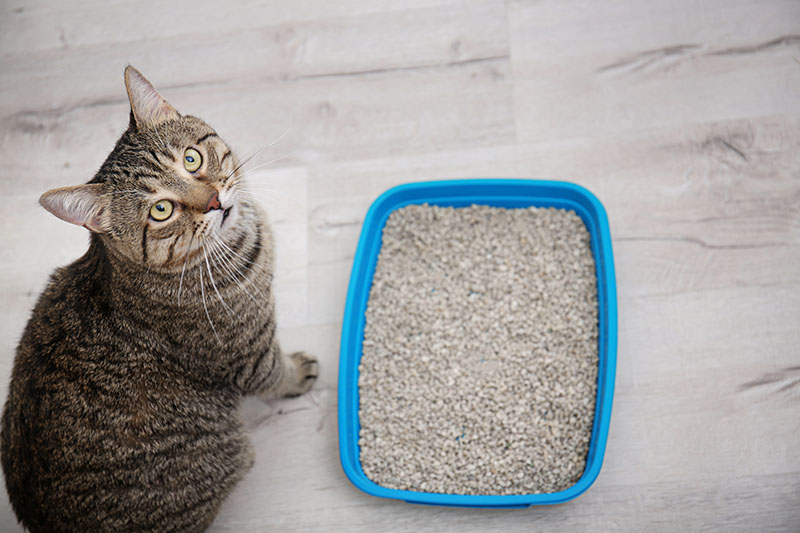
Cats are creatures of habit and will want to urinate and defecate in private on clean litter where they feel safe. A litter box that is too large or too small can also deter your cat from using it. If it’s too small, it’ll be uncomfortable to use; if it is too large, they may not feel secure using it.
How to Remedy the Behavior
6. Arthritis and Mobility Problems
Elderly cats, in particular, can have problems getting in and out of a litter tray with high sides, as they often suffer from joint pain or conditions like arthritis, which can make using a high-sided box painful.
They may be pooping outside the box because it's too painful to climb over the high sides of their litter box. Mobility problems and arthritis can also cause pain when getting into the "squatting" position cats use to pee and poop, which may also make them wary of the litter tray, as they associate the pain not with arthritis but with the container. This can make them poop around the house.
How to Remedy the Behavior
7. Stress
Sometimes, cats react strongly to any changes in their environment, however small. Change is a big deal to many cats, particularly older ones, as the stress of it can have a significant impact on their behavior and health.
Some cats will be able to handle more stress than others, and some won't be able to handle it at all and may end up pooping on the floor. Stressful situations can include:
How to Remedy the Behavior
8. Vision Problems and Blindness
Cats are good at locating essential places and resources, such as food and water bowls and litter boxes. However, if your elderly cat begins to lose their sight or goes blind over a shorter period of time, they may not be able to find these areas so easily at first and may be looking for so long that they have accidents or even get confused about where they are.
Because cats instinctively hide illness, you may not notice something wrong with their sight until the litter box is moved and an accident occurs.
How to Remedy the Behavior
9. Not Enough Litter Boxes
If more than one cat resides in your home, but you only have one litter box, some territorial behavior may occur. The general rule of thumb for the number of litter boxes needed is “one litter tray for each cat in the home, plus one extra.”
This means that in a house with two cats, there should be three litter boxes; for three cats, there would be four, etc. Cats are solitary in nature and territorial, meaning that if there’s only one litter tray in the home, your elderly cat may be bullied out of or prevented from using it by another cat, leading to pooping accidents on the floor.
How to Remedy the Behavior
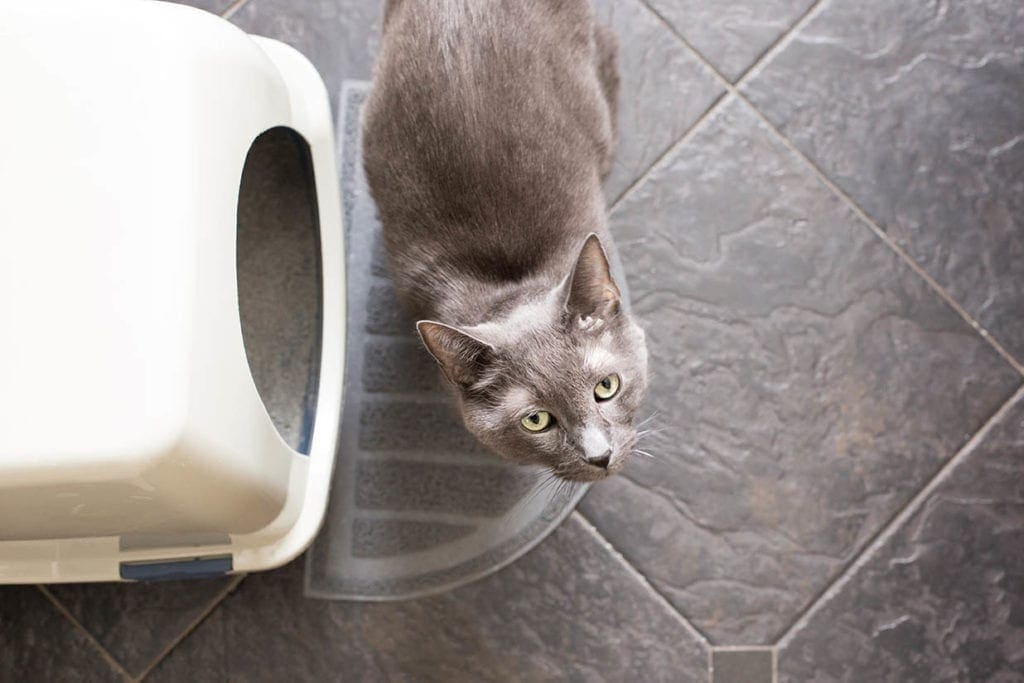
10. A Clean Litter Box
If your cat’s litter box is not cleaned out regularly, they may be opposed to using it and may not use it at all. Cats are fastidiously clean and won’t use a litter tray that’s smelly or filled with waste. This means they will have to go to other areas of the home, despite probably wanting to use their own kitty toilet.
How to Remedy the Behavior
Does My Cat Poop Around My Home to Annoy Me?
Remember that no cat will ever poop around the home or outside of their litter box to annoy or "get back at" their owners. If your old cat is pooping outside the litter box, there is likely a good reason for it, whether it's a medical reason or otherwise, and this sudden change in toileting habits is sometimes the only sign that something is wrong with your cat, so it should be seen as a call for help.
Conclusion
There are many reasons why your elderly cat may suddenly poop on the floor, and not all of them are health-related, but many are. A visit to the veterinarian can remedy most of the reasons we listed (such as diarrhea and arthritis) quickly and effectively. Finding the root cause of the problem is the fastest way to remedy it, and a few minor changes otherwise can make all the difference and keep you and your old cat happy.
See also:
Sources
Hyperthyroidism in Cats | Cornell University College of Veterinary Medicine.
Feline Behavior Problems: House Soiling | Cornell University College of Veterinary Medicine.
What to Do When Your Senior Cat Is Not Using the Litter Box | BeChewy
Sudden Blindness | Cornell University College of Veterinary Medicine
Featured Image Credit: Tanya Plotnikova, Shutterstock
Get Hepper In Your Inbox


Pet care tips from our vets and experts, straight to your inbox.
You may opt-out at any time. View our Privacy Policy for more information.
Nicole is a lover of animals of all sizes but is especially fascinated with the feline variety. She’s the proud mom of Baby, a Burmese, and works every day so he can relax in the sunshine or by the fire. She’s always had a cat in her home and has spent countless days with others, observing behaviors and softening up even the grouchiest of the lot. Nicole wants to share her kitty expertise with you so you and your cat can live happy, healthy, and care-free.
Join the conversation
Ask a question, share your story, or send private feedback.