Hepper is reader-supported. When you buy via links on our site, we may earn an affiliate commission at no cost to you. Learn more.
Why My Cat Goes Into Another Room and Meows? 9 Vet-Approved Reasons


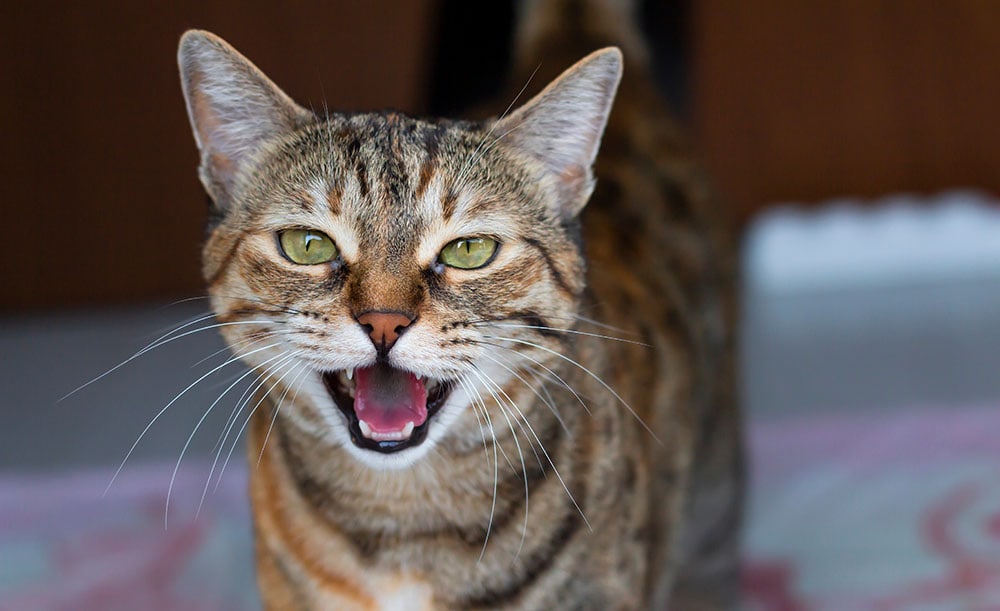
If you’re a cat parent, your cat going into another room and starting to meow is one of the behaviors you may have noticed. This can seem strange and can even be startling if you’re not accustomed to it—it’s understandable to be concerned when you suddenly hear a meow or even a yowl seemingly out of nowhere!
Cats engage in all kinds of behaviors that may seem odd to us but make perfect sense when you know more about the reasons behind them and, fortunately, meowing in another room doesn’t always signal a serious issue. However, there are still some concerning underlying health conditions that may cause sudden and distressed meowing or yowling in cats, while some are life-threatening.
There are a fair few potential reasons your cat may remove themself to another room to meow and they’re all centered around them trying to communicate something to you. Let’s explore this further.

The 9 Reasons Why Your Cat Goes Into Another Room and Meows
1. Asking for Attention
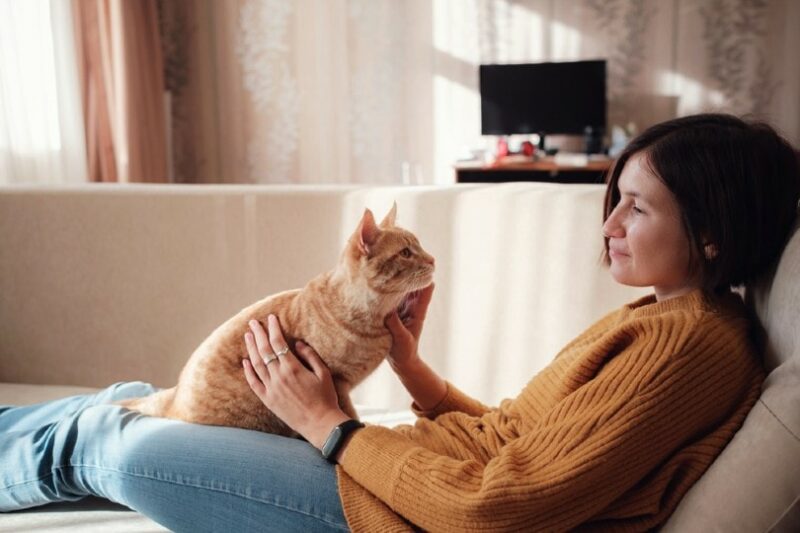
One of the most common reasons cats go to another room to meow is that they are trying to get your attention. These whip-smart felines may have figured out that by disappearing from your field of vision and meowing, it gets you heading in that direction to find out what’s going on.
If your cat is feeling bored or neglected, it might help to take breaks now and then to have short play sessions with them. This gives them attention and mental stimulation while keeping them active, thereby tiring them out more and putting them in a more relaxed state of mind.
Also, make sure you’re being tactile enough with your cat if they’re the type to enjoy a cuddle and a fuss. This doesn’t mean petting them all day but setting aside a bit of time here and there throughout the day goes a long way toward making sure your cat feels loved and secure.
They may also seek your attention when they want you to let them out (or in), and meowing and standing next to the door may be their way to show you what they want from you. Some cats toilet outside and will meow when it’s time to go.
2. Hunger or Thirst
If your cat’s food and water bowls are in the room they’re meowing in, they may be signaling to you that they’re hungry or that their water bowl is due to be freshened up. If you’re out during the day, you might want to consider a timed automatic feeder and water fountain as these keep your cat’s water supply much cleaner than when it’s left out in a bowl.
3. Bathroom Needs
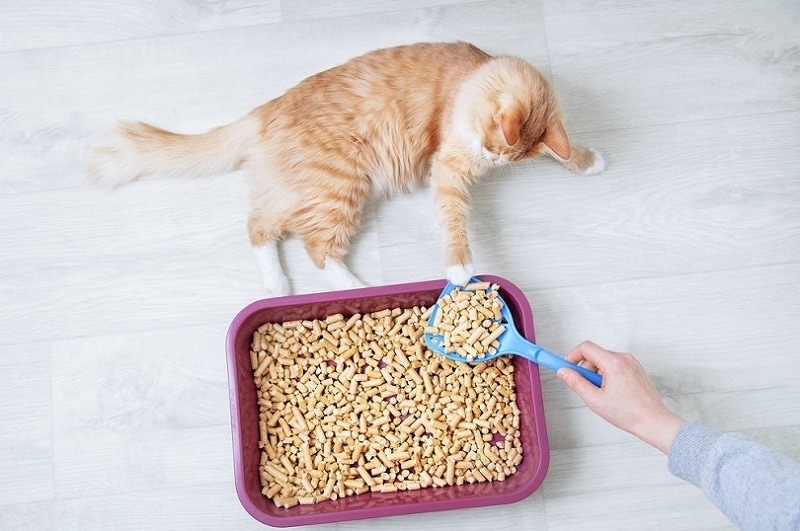
Like with food and water bowls, if your cat’s litter box is due for a cleaning, your cat might go to the room where it is and start meowing to alert you to the fact that it isn’t quite up to their exacting standards of cleanliness. Cats are quite fastidious, and most will completely avoid using a litter box that isn’t clean enough and may leave presents outside of the box as a sign of their disapproval.
4. Illness
A cat that isn’t feeling their best might meow more than usual to let you know they’re unwell or in pain. Cats are very adept at hiding when they’re sick or in pain, but excessive vocalizing is one of the giveaway signs that something isn’t right.
This is particularly the case with many painful conditions, such as fractures, wounds, and other injuries, painful joints in older cats, kidney disease, urinary issues, heart disease, overactive thyroid gland, high blood pressure, and many more.
Even if it’s just excessive meowing without any of the obvious and above-mentioned signs of illness or an explanation, it’s important to still get your cat checked out by the vet to make sure there isn’t an underlying reason for this change in their behavior. With time, this may get worse.
5. Stress
Cats are very sensitive to change, whether that be moving house, rearrangement of furniture or rooms, a new pet, a new baby, or a change in your daily routine or work routine. If there have been some changes in your cat’s life of late or they’re living in a stressful environment for whatever reason, they may react by meowing excessively.
They may also groom themselves more, seem withdrawn, become destructive (i.e. scratching or biting objects and furniture), eat less, hide, demand more attention than usual, and appear generally tense.
6. Personality
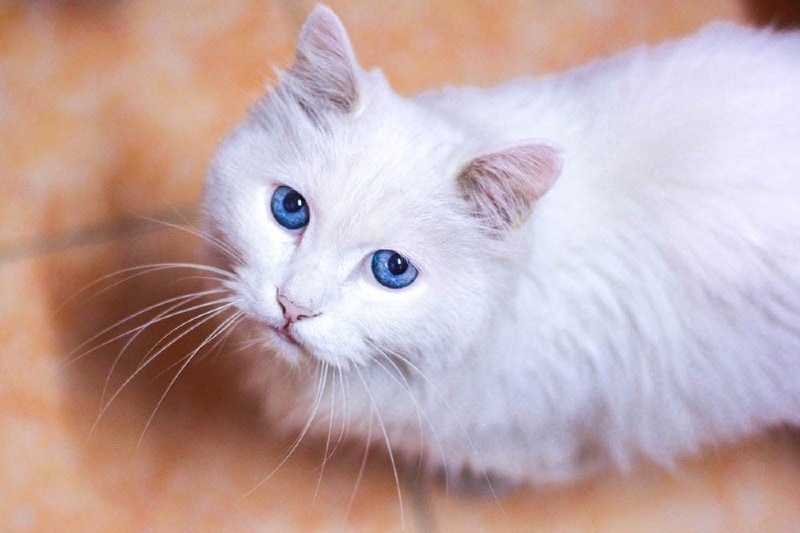
Some cat breeds are known for being more vocal than others. It’s not unusual for a Siamese, for example, to chatter away to you throughout the day with no real reason other than that it’s part of their personality. If your chatty cat goes off somewhere and starts meowing, they might simply be continuing the “conversation” they were just having with you from another room, or demanding something from you that’s in there.
7. Calling for Help
If your cat starts meowing out of nowhere in another room—especially when they’re playing or exploring—it could be because they’ve hurt themselves or have gotten stuck somewhere like on top of a wardrobe. Go check it out to be on the safe side.
8. Aging
Senior cats may meow more often for a variety of reasons, including confusion due to cognitive dysfunction syndrome and problems with vision or mobility.
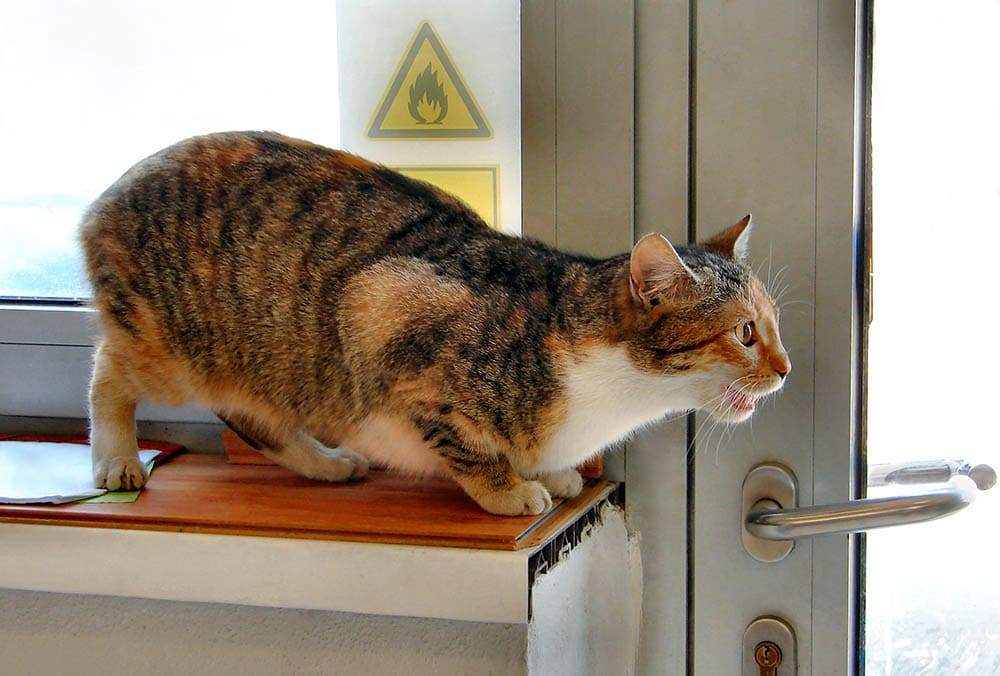
For example, if your aging cat’s vision isn’t what it used to be, they might meow because they’re unable to find their way around a room. If they have a painful condition or a joint condition, they may be calling for help to get into the litter box or their bed. It’s a good idea to get your senior cat checked out by a vet for visual and cognitive issues.
9. In Heat
It’s not uncommon for cats in heat to meow or even yowl much more than usual. Other signs of a cat in heat include demanding lots of attention, being clingy, and rubbing up against people or objects.
Conclusion
The reasons cats may meow at you from another room range from the harmless like wanting a bit of TLC to the more concerning like illness, injury, or being in pain. If you suspect that a medical condition might be causing your cat to meow more, you have an older cat that has started vocalizing excessively, or your cat's showing other signs of being unwell, it’s time to get them to a vet for a prompt checkup.
See Also:
Sources
Featured Image Credit: Kaan Yetkin Toprak, Shutterstock
Get Hepper In Your Inbox


Pet care tips from our vets and experts, straight to your inbox.
You may opt-out at any time. View our Privacy Policy for more information.
Kit Copson is a freelance writer and lifelong animal lover with a strong interest in animal care. She has parented various furry beings over the years and is currently a proud cat mom of two—one skittish but adorable Domestic Shorthair and very chilled (unless hungry) Siamese and a —and dog mom of one—an adopted Bichon Poodle cross. When not writing about or spending time with pets, Kit can be found doodling in her sketchpad, reading, or more often than not, drinking tea.
Join the conversation
Ask a question, share your story, or send private feedback.