Hepper is reader-supported. When you buy via links on our site, we may earn an affiliate commission at no cost to you. Learn more.
Why Does My Cat Pee in the Litter Box But Poop on the Floor? 8 Vet-Reviewed Reasons


In this article
Being owned by a cat comes with its joys and its frustrations. For example, the litter box can be an occasional source of frustration.
It can be difficult to figure out why your cat would pee in it but then poop on the floor. This rather frustrating act could be behavioral or medical in nature, so your first port of call should be a visit to your vet. You want to rule out any medical problems first.
Here, we discuss the reasons that cats might engage in this behavior and how you can encourage your cat to keep their business confined to the litter box only.

The 8 Reasons Why Your Cat Pees in the Litter Box But Poops on the Floor
1. Digestion Issues
Sometimes, cats may have uncomfortable digestive issues, which can affect the way they are using the litter box. If a cat has constipation, they might feel discomfort, and your cat could be associating that pain with the litter box.
The same could happen with a bout of painful diarrhea. Perhaps your cat could not make it to the litter box on time and consequently, defecated on the floor. Medical problems like inflammatory bowel disease can cause stomach problems, leading to diarrhea. Regardless of the cause, you will notice abnormal stools, which will help you identify a digestive problem.
2. Stress
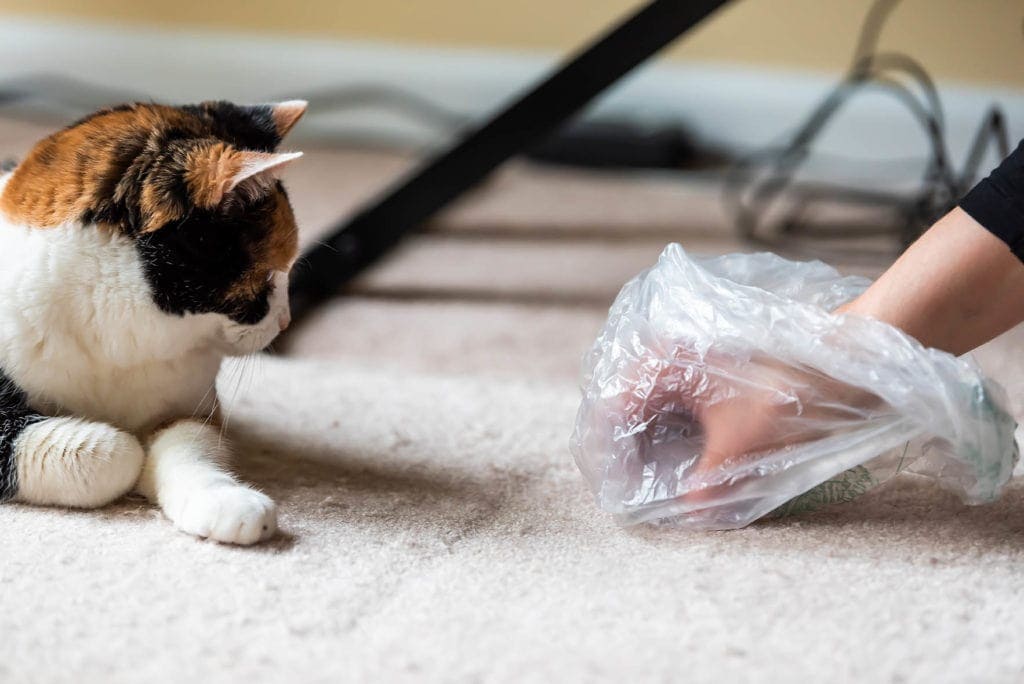
Cats are undeniably creatures of habit and don’t always appreciate change. If there has been a change in your household, such as introducing a new pet or family member or a recent death, this can stress a cat, leading to inappropriate elimination.
In most cases, the cat just needs time to adjust, and things should return to normal, but almost many changes to a cat’s routine can lead to unusual behavior.
3. Newly Adopted
If your cat is the newest member of the household, it can feel out of place as they get used to their new environment. This adjustment period could take several weeks until the cat feels more comfortable. In the meantime, they can have litter box problems.
4. Wrong Litter Box
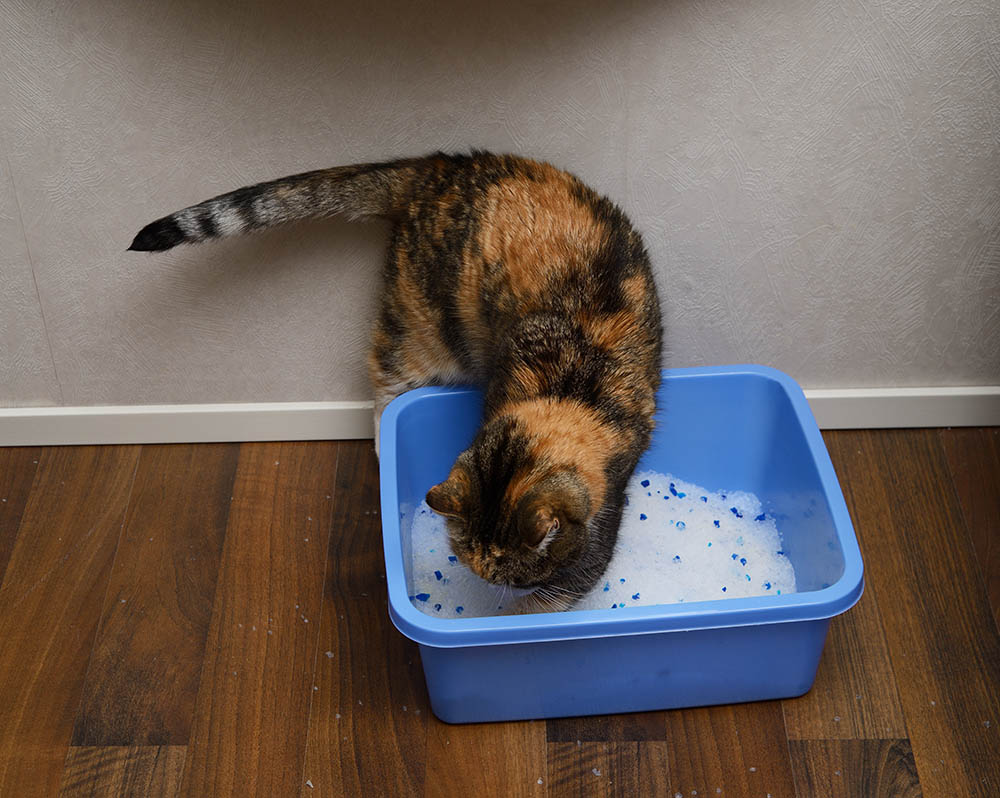
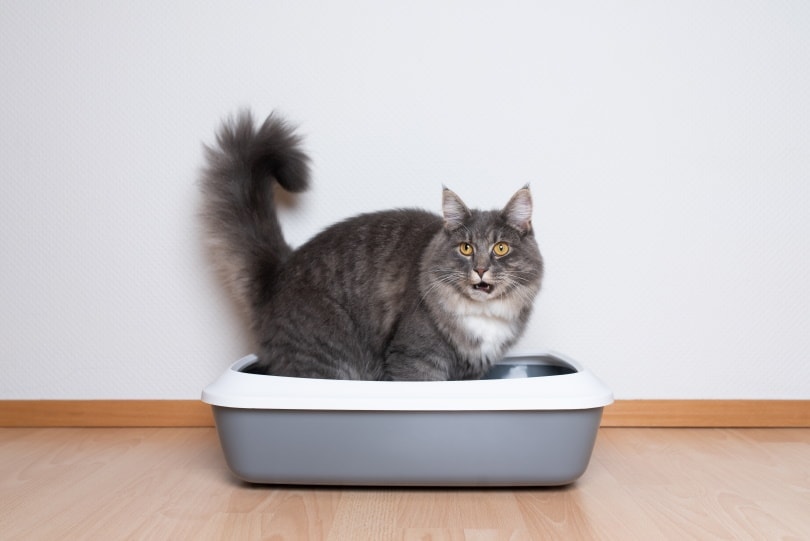
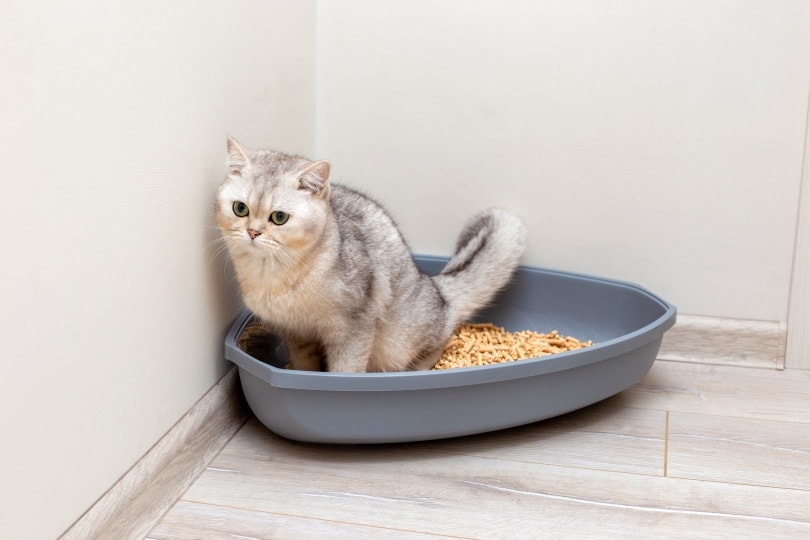
Perhaps the litter box itself is the problem. Is it big enough? The litter box should be about 1½ times the size of your cat (cats must be able to stand up and turn around comfortably).
If it’s a covered box, some cats might not enjoy the enclosed space, which can trap the smell and intensify it. Some cats prefer to perch on the edge of the litter box to do their business, which they can’t do with a covered box. Conversely, some cats prefer the privacy of the enclosed box.
Automatic litter boxes might be more convenient and easier for us to deal with, but if your cat seems to be afraid of the noise and movement, you might need to consider going with a traditional litter box.
5. Wrong Litter
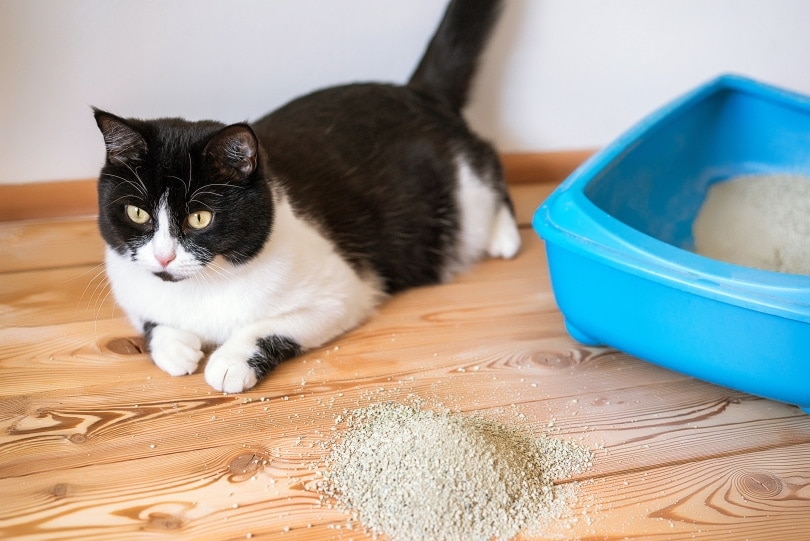
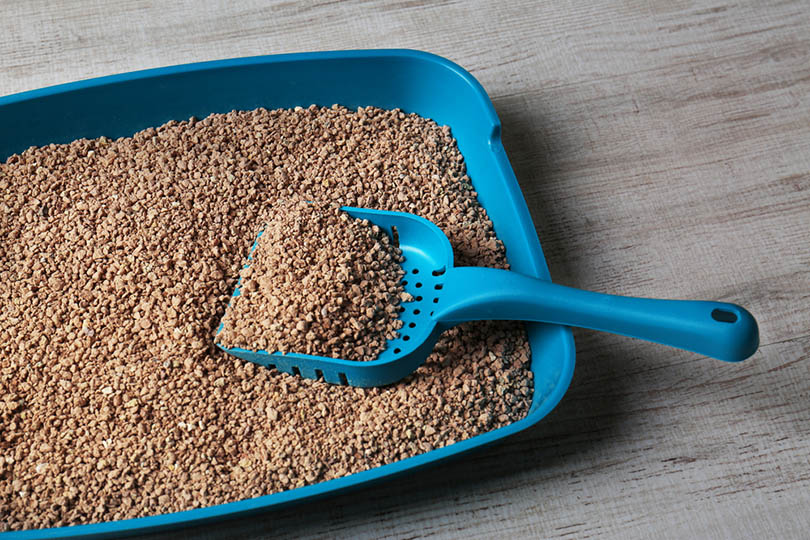
Potty problems can be due to the kind of litter that you’re currently using. Typically, the best litter for cats has a sand-like texture. Domestic cats descended from desert-dwelling wild cats, which might help explain their litter preference. If their litter is hard or sharp on their feet, they might not like using it, particularly for a long poop session.
In addition to this, if the litter that you are using is scented, your cat’s sensitive nose might not appreciate the odor as much as you do. Combine the perfumy scent with the not-so-perfumy scents in the litter box, and that makes for a stinky box as far as your cat is concerned. Also, make sure you’re putting enough litter in. As a general rule, litter should be at least 3 inches deep for one cat.
Finally, while a litter box liner gives you cleaning convenience, your cat might be put off by the plastic on the bottom of the pan. Consider going without if you’ve tried everything else.
6. Cleaning the Litter
Litter boxes should usually be scooped once a week and thoroughly cleaned once a month. This means dumping all the old litter, cleaning the litter box, and filling it back up with clean litter.
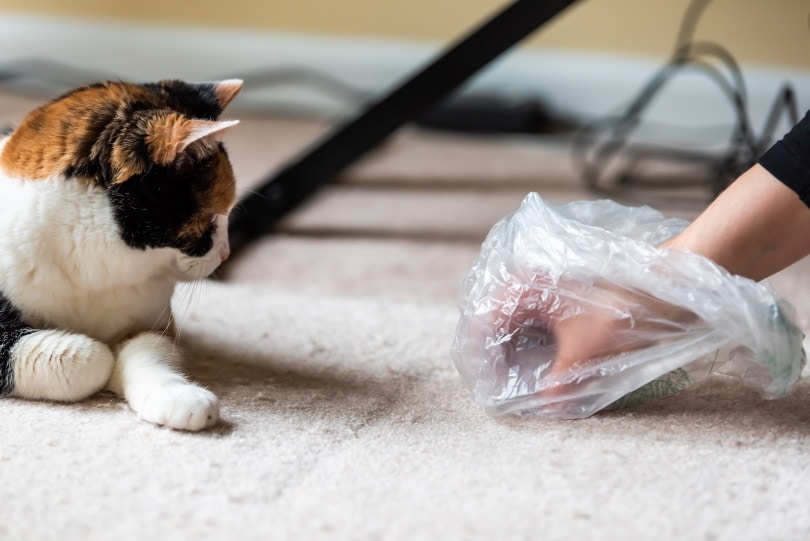
If your cat poops in the box once and then poops outside of it, it’s possible that they are put off by the poop already inside. Unfortunately for you, this means you’ll need to scoop the box shortly after your cat has defecated there.
A smelly litter box can make a cat unhappy to use it, so the clear answer here is to be diligent with the scooping and cleaning.
7. Litter Box Location
Where the litter box is located can also affect your cat’s litter box etiquette. For example, if the box is located near a high-traffic area (like the front door) or next to a noisy appliance (like the washing machine), spending time pooping in these locations might be scary.
When cats use the litter box, they should be afforded privacy. Not only does this mean keeping the litter box in a quiet area, but other pets or people in the home also shouldn’t be able to bother your cat while they’re using their box. Additionally, ensure that your cat can easily access the litter box.
8. Number of Litter Boxes
This point mainly applies to multi-cat homes. The rule goes that you should have one litter box per cat plus one extra. So, if you own three cats, you should have four litter boxes. Also, these boxes shouldn’t be right next to each other, they should be spaced apart.
If you only have one cat but their pooping on the floor behavior hasn’t changed, consider getting a separate litter box to give your cat a different option for defecating. Some cats might not want to poop in the same place where they pee.
If you live in a place with multiple levels, consider putting a litter box on each floor, particularly if your cat has health issues or is a senior.
Top 4 Solutions
Here are extra tips for dealing with your cat’s pooping on the floor problem.
1. Experiment with Litter Options
First, watch your cat’s behavior around the litter box. Sometimes this can help you determine what might be wrong. Most cats tend to scratch around after doing their business. If your cat doesn’t take the time to bury their poop, the issue may be with the litter itself.
Experiment with different litters. If you have a few litter boxes, try putting different kinds of litter in different boxes, and note which litter your cat gravitates toward.
2. Style of Litter Box
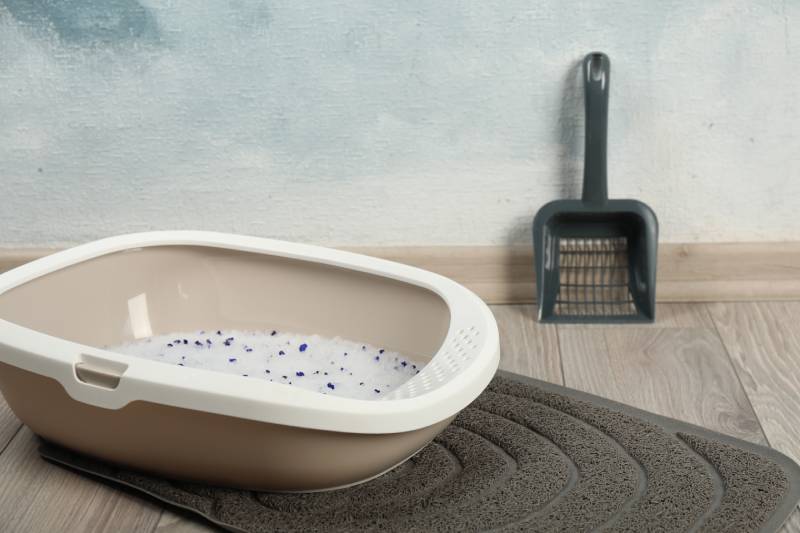
Sometimes the litter box itself can be the issue. If you have a senior cat with arthritis or another physical problem, you should purchase a litter box with low sides so it’s easier for them to get in and out.
You’ll also probably want to get a large litter mat for these kinds of litter boxes, to catch the litter that will most likely get kicked out.
3. Make the Location Unappealing
If your kitty seems to be drawn to a specific spot on your floor to poop, you might want to take steps to make that location less appealing. Start with an enzymatic cleaner to thoroughly clean that area, which will help break down the smell so your cat won’t be enticed to continue pooping there.
If you're tired of all the smells and stains that come with pet parenting, you should check out the Hepper Advanced Bio-Enzyme Pet Stain & Odor Eliminator Spray. Okay, it's our product, so we may be biased – but we love it so much, we just have to share it! It permanently removes even the very worst smells and stains, and we offer a 100% satisfaction guarantee.

- ADVANCED ENZYMATIC CLEANER - Penetrates the most stubborn smells and stains at the deepest molecular levels to dissolve any pet mess you encounter and lift it away at the source.
- FOR ANY MESS, ON ANY SURFACE - This pet odor eliminator cleans your carpets, floors, furniture, fabrics, and more. Whether it's urine, feces, vomit, or drool, you can erase all foul spots and smells!
- FRESH, NATURAL ODOR - Our unique formulation doesn't rely on dangerous or unpleasant chemical fragrances to get the job done. We eradicate smells and stains, not just cover them up.
You can also try to close off the room to your cat if possible or place tin foil or sticky tape over that spot. You can even try to put the litter box over that location.
4. Retraining
Litter box training with positive reinforcement might be in order if you’ve tried everything else and you know that it’s not medically related. This starts by confining your cat to a certain area in the house with more than one litter box (and food, water, and toys). You might need to show your cat the boxes and give them a special treat when there’s a success.
Once your cat has been successfully using the litter box a couple of times, you can relocate the litter box to its usual place and observe the situation.
Conclusion
If this is the current situation with your cat, remember that your first step should be to rule out a medical problem first. When you see your vet, bring some of your cat’s poop with you so your vet can run tests if they need to.
Experimentation begins once you have established that there is nothing medically wrong with your cat. Try out different styles of litter boxes, and try changing the kind of litter. Put the litter box in a quiet, stress-free location, use unscented and sandy litter, and keep the litter clean.
In the end, if you are still experiencing issues, speak to your vet or cat behaviorist for some advice.
Related Read: Best Litter Boxes for Picky Cats - Reviews & Top Picks
Sources
Featured Image Credit: Nils Jacobi, Shutterstock
Get Hepper In Your Inbox


Pet care tips from our vets and experts, straight to your inbox.
You may opt-out at any time. View our Privacy Policy for more information.
Kathryn was a librarian in a previous lifetime and is currently a writer about all things animals. When she was a child, she hoped to work in zoos or with wildlife in some way, thanks to her strong love for animals. Unfortunately, she's not strong in the sciences, so she fills her days with researching and writing about all kinds of animals and spends time playing with her adorable but terribly mischievous tabby cat, Bella. Kathryn is hoping to add to her family in the near future – maybe another cat and a dog.
Join the conversation
Ask a question, share your story, or send private feedback.