Hepper is reader-supported. When you buy via links on our site, we may earn an affiliate commission at no cost to you. Learn more.
Why Is My Goldfish Turning Black? 6 Vet-Approved Reasons


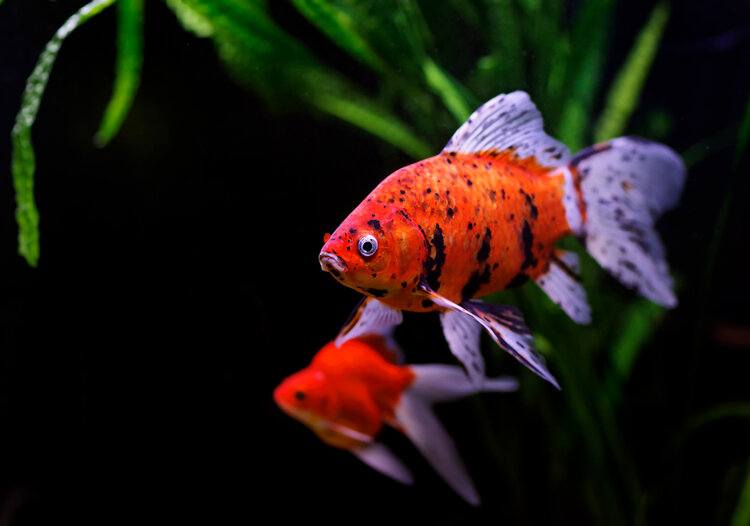
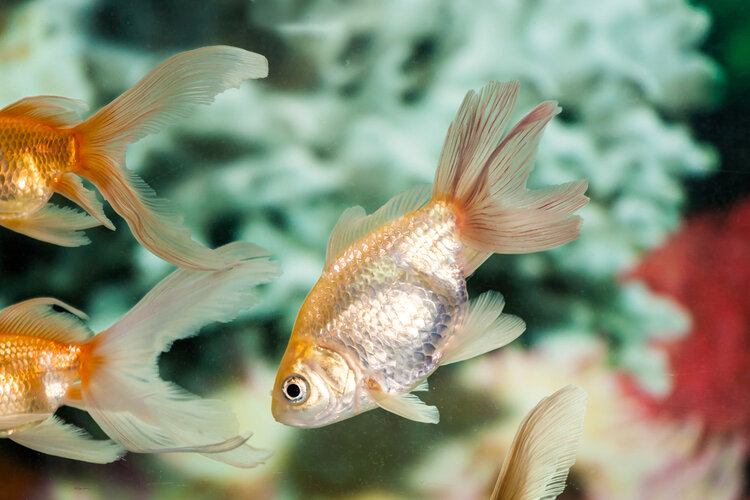
Some goldfish will naturally change color as they grow older. This often involves turning lighter or even white. However, if your goldfish begins to turn black, then this can be an indication of some major problems. Here are a few potential causes:

The 6 Likely Reasons Why Your Goldfish Is Turning Black
1. Ammonia Poisoning
Ammonia poisoning is extremely common in tanks that aren’t properly cleaned and that don’t have an adequate filtration system. Overstocking tanks and overfeeding goldfish can also contribute. Fish waste and decaying food lead to the production of ammonia, which in a properly functioning tank, will be broken down into less detrimental substances.
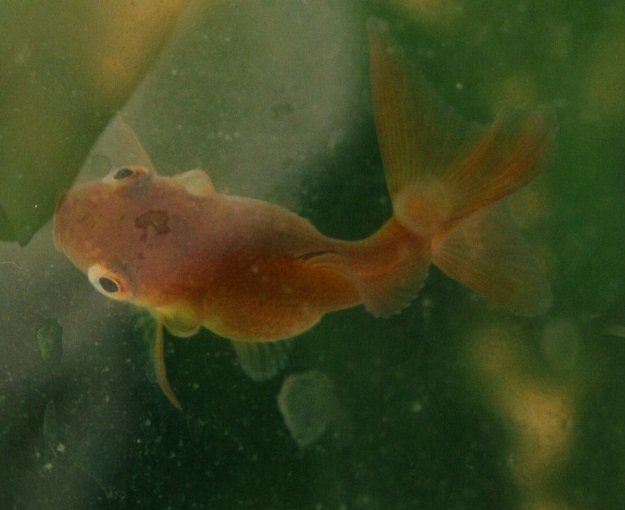
When a tank is overcrowded or isn’t cleaned regularly, this ammonia can reach high levels in the water and actually “burn” or irritate a fish’s skin. Initially, ammonia poisoning will look like red spots or streaks. These spots may progress to turning black as the skin either heals or the damaged cells die. Goldfish can recover from ammonia poisoning if the damage isn’t too severe and if the tank’s environment becomes more favorable. If not, fish can die from ammonia poisoning.
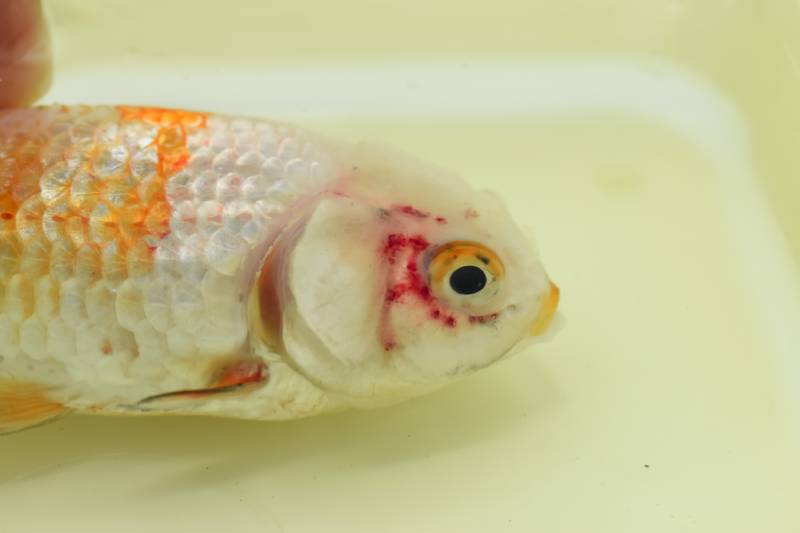
2. Nitrite Poisoning
In the nitrogen cycle, ammonia is converted into nitrite, which is then converted into nitrate. Both ammonia and nitrite can be irritating and dangerous to your goldfish in high concentrations. It can lead to difficulty breathing and black, brown, or tan discoloration.
Nitrite poisoning is best prevented by ensuring you have a proper filtration system and that you aren’t overstocking your tank or overfeeding your fish, creating excessive waste.
3. Tank Background Color
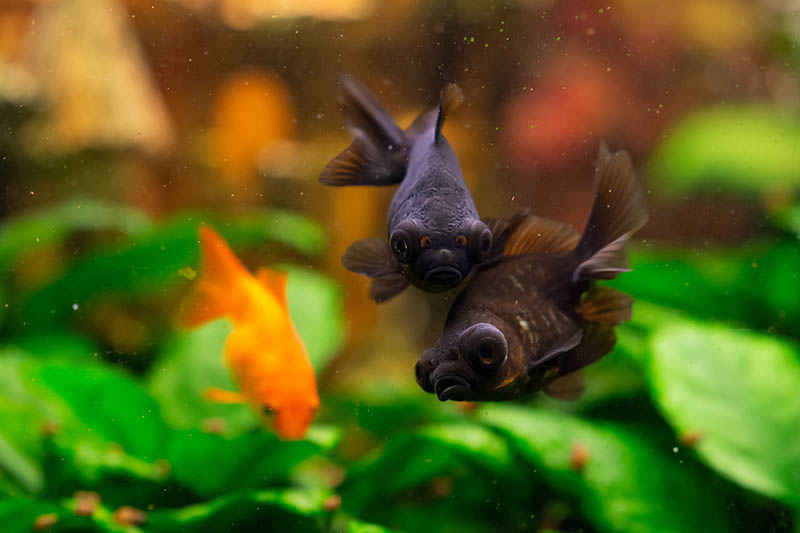
Other than the cleanliness of your water, the tank that your goldfish lives in can dictate their color. Having a dark tank background 1 can decrease the brightness of your goldfish’s coloring, even making it blacker. This happens due to changes in specific hormones that are released in response to their environment.
4. Fin Rot
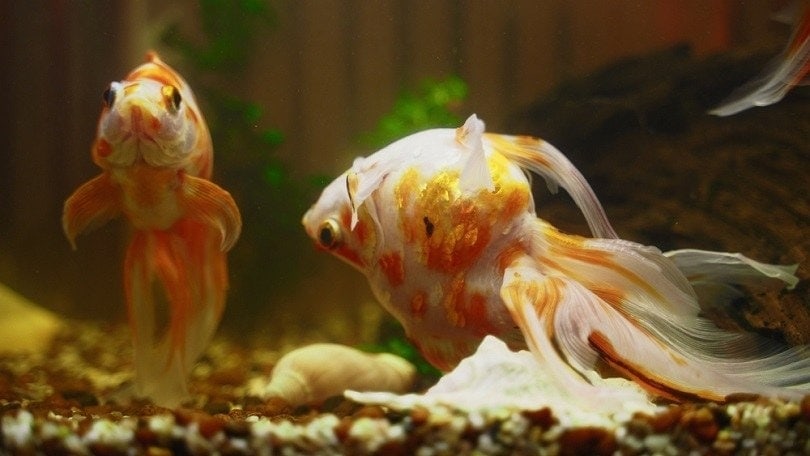
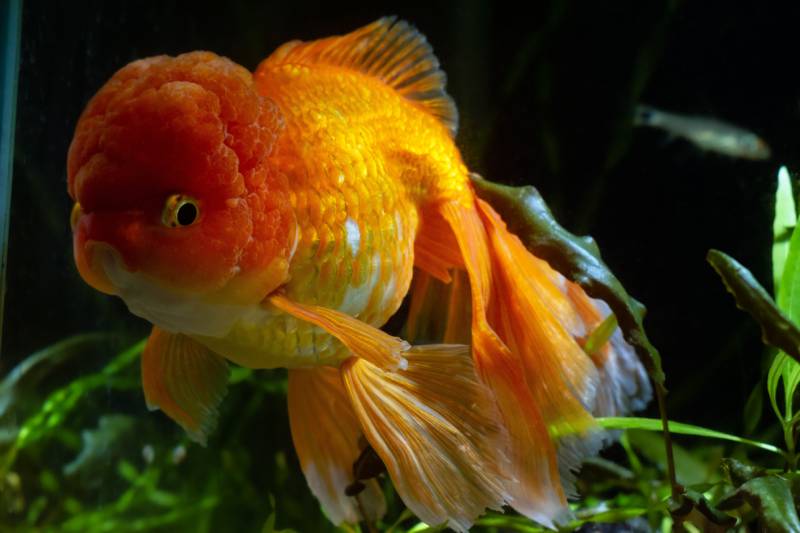
Fin rot is a bacterial or fungal infection of the fins. It is brought on by poor water quality that can cause stress leading to this infection. Fin rot may show up as inflammation and fraying of the fins that then may start to turn black at the edges if it is caused by bacteria. Fin rot is however most commonly a fungal infection and will appear white. Fin rot is best prevented by keeping your tank clean and by having a properly functioning filtration system.
5. Black Spot Disease
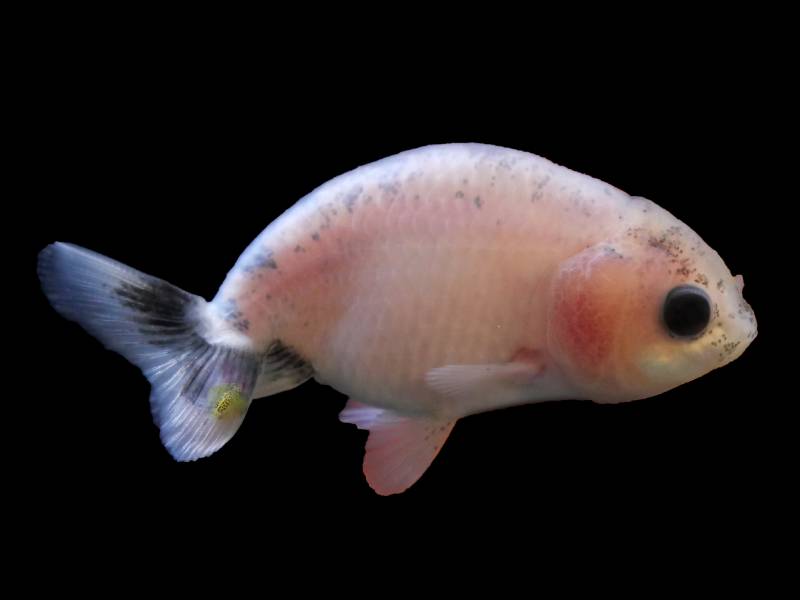
Although not common, black spot disease can occur in goldfish. Black spot disease is caused by a parasite that is carried by snails. Since this parasite needs bird droppings to complete its life-cycle, finding it in indoor tanks is nearly impossible. However, it may be a cause of outdoor goldfish turning black. Black spots will develop on the infected fish as the larvae burrow into the fish’s skin.
6. Others
A few other causes of a goldfish turning black include:
- Recovery from an injury: similar to the progression of ammonia burns from red to black as the skin and scales heal or the damaged cells die
- Physiological and morphological color change: where the pigment producing cells in the skin die or move around due to short-term stress, aging, illness, etc.
- Tumors: some tumors of the skin can turn black

How Do You Prevent Black Coloration from Occurring?
Sometimes, conditions that can lead to your goldfish turning black cannot be prevented, especially in the case of things like black spot disease occurring in outdoor settings. You do have control over most of the factors that can cause your goldfish to turn black, though! Poor water quality is the number one cause of all illnesses and stress that goldfish experience.
Poor water quality can cause stress, ammonia poisoning, and nitrite poisoning. It also allows parasites, bacteria, and other infectious agents to accumulate in the tank. When your fish is stressed and their immune system is suppressed, they are more susceptible to catching these infectious conditions. Even something as simple as a little scrape from tank décor can allow an infection to take hold in a stressed goldfish.
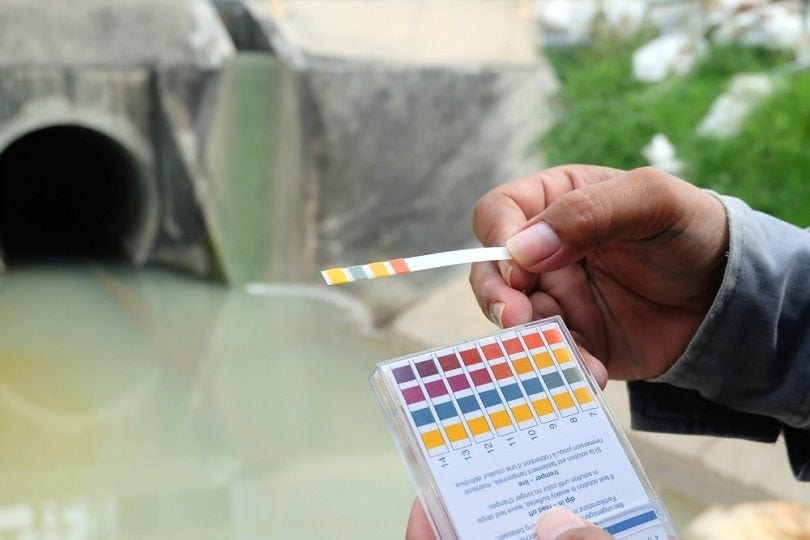
If you notice your goldfish developing black coloration, it’s extremely important for you to act. Make sure to check your water parameters to ensure high water quality, as well as ensure that the tank temperature, pH, and overall environment are appropriate for your goldfish. Contact your aquatic center or fish veterinarian for more help.
Conclusion
If your goldfish is developing black coloration, then it’s necessary to determine the cause. A tank that isn’t functioning properly or that is overstocked is most often to blame. To help prevent your goldfish from turning black and other health conditions, be sure your water quality is adequate and that you aren’t overfeeding or crowding your goldfish.
Featured Image Credit: HamsterMan, Shutterstock
Get Hepper In Your Inbox


Pet care tips from our vets and experts, straight to your inbox.
You may opt-out at any time. View our Privacy Policy for more information.
After nine years as a veterinary assistant, Brooke Billingsley transitioned to a career as a nurse in 2013. She lives in Arkansas with her boyfriend, sharing their home with three dogs, two cats, five fish, and two snails. A dedicated animal lover, Brooke has a special place in her heart for special needs pets, including a three-legged senior dog and a famous cat with acromegaly and cerebellar hypoplasia. Fish keeping is one of her hobbies, and she is constantly improving her knowledge to care for her aquarium pets. Brooke is an active yoga enthusiast, having obtained her 200-hour yoga teacher certification in 2020. She believes in the importance of continuous learning and dedicates time each day to developing new skills and expanding her knowledge.
Join the conversation
Ask a question, share your story, or send private feedback.