Hepper is reader-supported. When you buy via links on our site, we may earn an affiliate commission at no cost to you. Learn more.
Younger Dog Attacking Older Dog? Here's What to Do
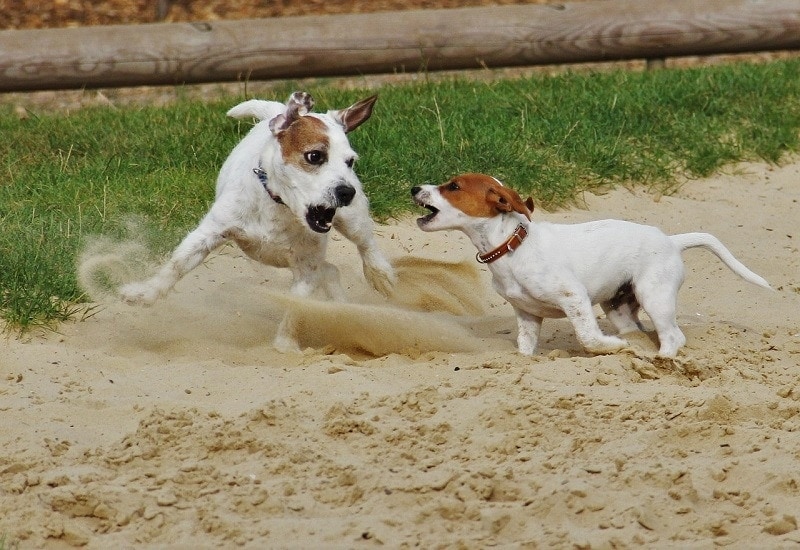
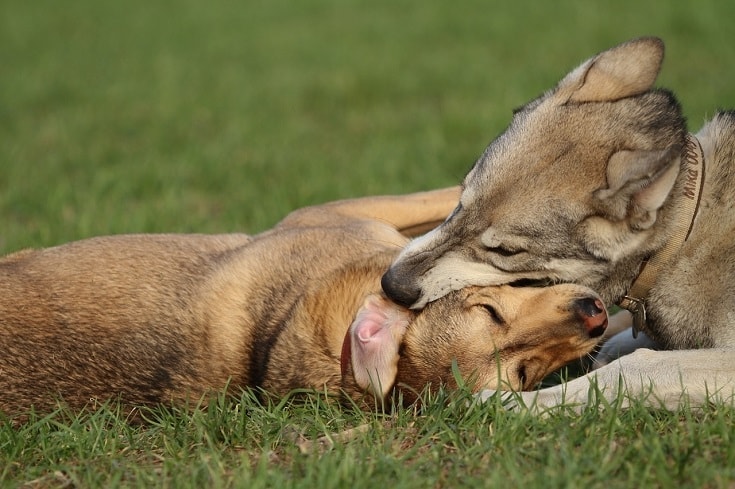
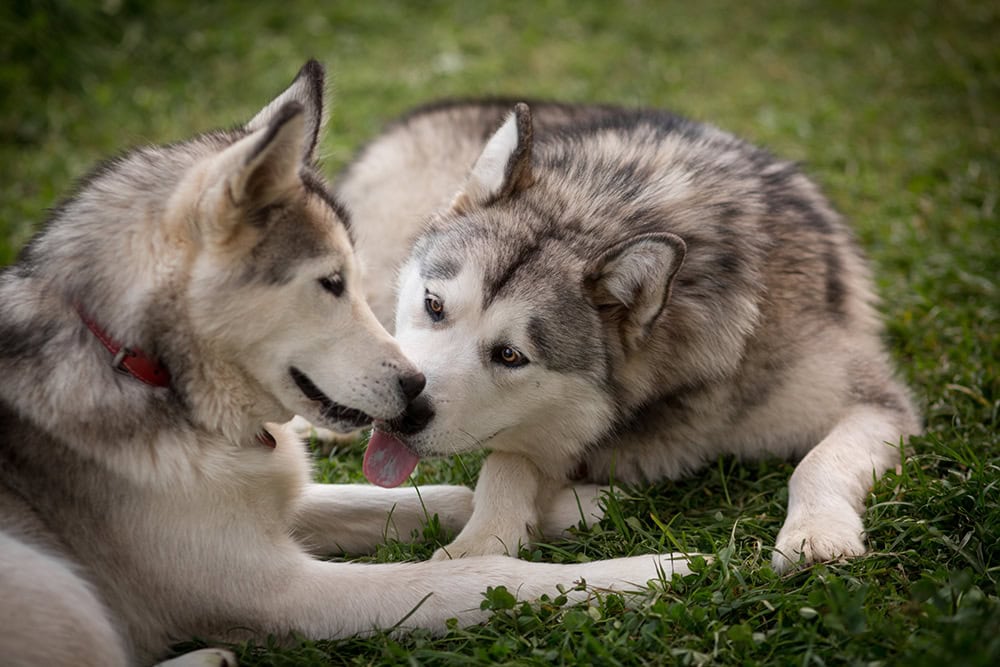
There's nothing as tough as trying to settle the disharmony between the canines in your household. After all, you love them both, but you also want to protect them. If you have dogs with a bit of an age gap, you might worry that your older dog being attacked can be pretty dangerous—and that's true.
But the good news is, there are always solutions to the problem. With a bit of help and perseverance, you can get everyone on the same page. Let's go over the root causes of aggression between younger and older dogs and explore the solutions.

Signs of Dog Aggression
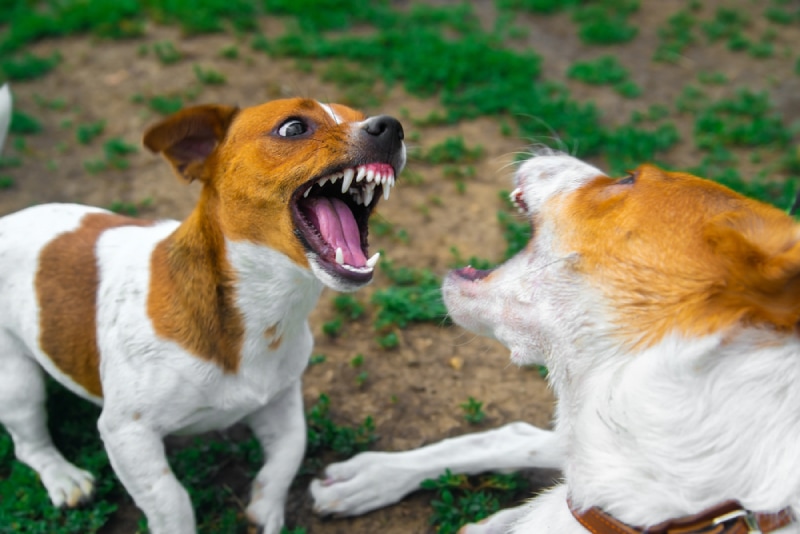
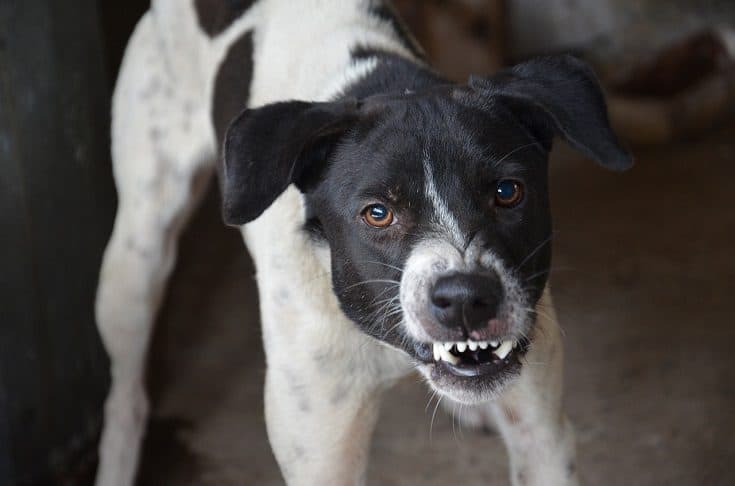
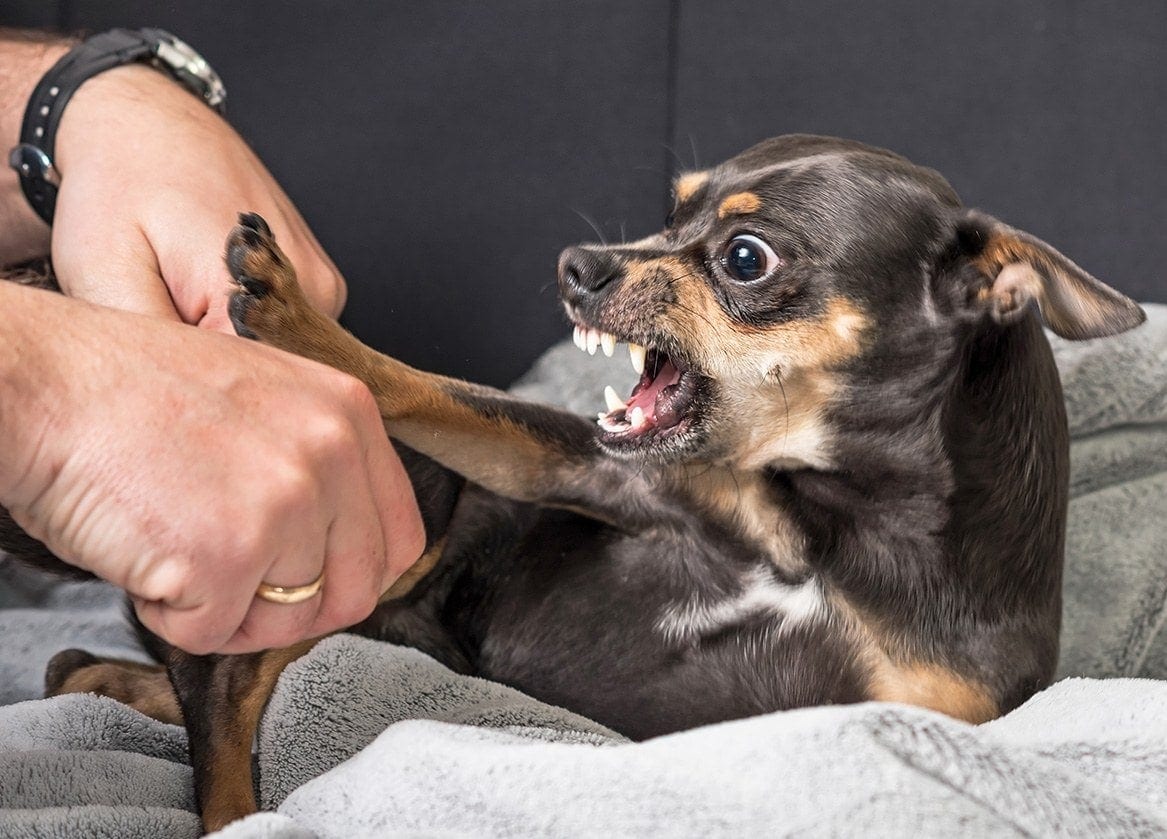
Dog aggression can display itself in several ways. Some dogs are more prone to go from zero to 100, attacking with minimal notice. Others have certain body language and triggers that you can spot to avoid the behavior.
You might notice:
There is often a common denominator or theme in aggressive behavior. Once you spot the reason behind the attacks, you can work diligently as an owner to protect each one of your dogs and others in your household.
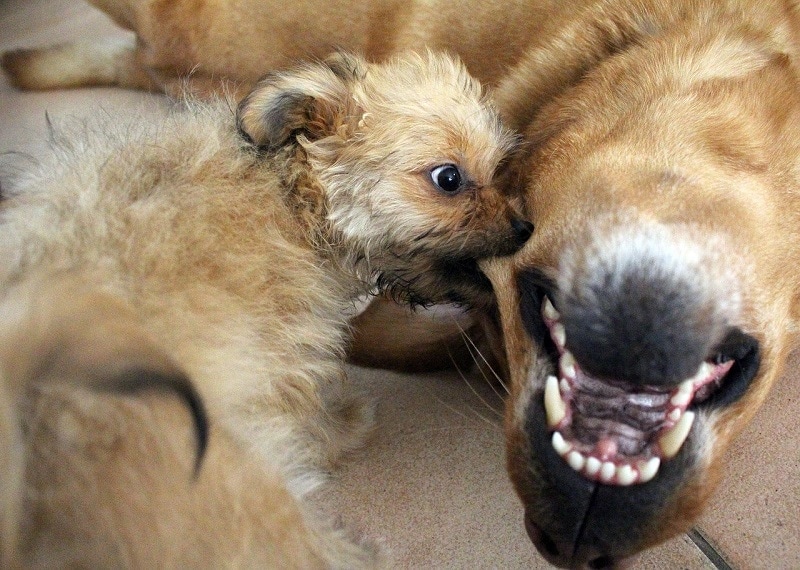
Puppy Keeps Attacking Older Dog (Reasons & What to Do)
1. Jealousy
It's no secret that dogs compete for our attention. If you have a younger dog that's noticing that your older dog is getting extra love, it could cause a bit of jealousy. If jealousy issues arise, it's not uncommon for the younger dog to attack the older dog as a means of competing for affection.
This type of aggression won't be too hard to spot. Every time your pups come running up to you for some pets, the older dog is likely to get a lashing.
One primary concern is not only the safety of your older dog but for yourself as well. Dog bites can be pretty brutal. Since dogs have long fur to protect their skin, a bite might not affect a dog the same way that it will a human. If you're caught up in the mayhem, you can get her as a consequence, so correcting this type of behavior is absolutely essential.
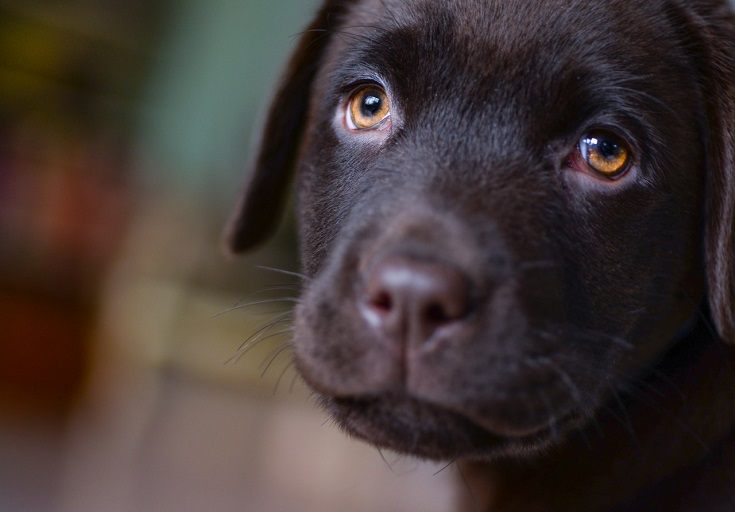
Ways to Stop Jealous Aggression
There are ways that you can curb jealous aggression in dogs.
Here are a few tips you can try.
2. Possessive Aggression
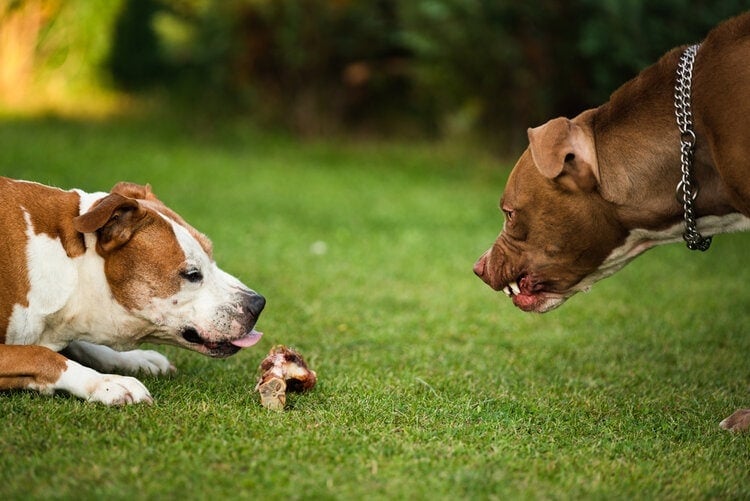
Maybe your younger dog doesn't like to share. If your older dog walks past a favorite toy or a chew bone, you might notice an upheaval. It's not an uncommon display of behavior, and it's primarily manageable if you carry out the proper responses.
There are varying levels of aggression when it comes to objects. Your dog might huddle their body around the toy and make vocalizations towards the older dog. This act serves as a warning for them to back off and stay away. Or they might spontaneously attack anytime they fear that their personal belongings are threatened. That is when things can get a little dicey.
Not only is your older dog at risk of being attacked, but this behavior might also extend to small children and other household pets as well. It's important to get a handle on it because your dog might very well perceive something as a danger when it is absolutely not.
Ways to Stop Possessive Aggression
Possessive aggression can show up and many dogs for various reasons. Most commonly, this is a behavior that stems from their interactions with litter mates when they are very small. It might also be a shelter dog syndrome where they were forced to fight for what they needed.
Rather than encouraging this behavior to continue, try to curb this tendency through training.
3. Dog Food Aggression
Food aggression is a widespread and somewhat manageable problem amongst dogs. If your younger dog doesn't like the older dog interfering with their food bowl, it can cause them to lash out aggressively. Even though separating them might seem like a good idea, it doesn't provide a solution.
One hazardous thing about food aggression is having other pets, children, or even adults in the household. Sometimes, dogs can perceive a threat when there is none. If they think any passerby is going to steal their food, it can evoke a reaction. You don't want to leave the behavior left as it is because it can have much bigger consequences in the long run.
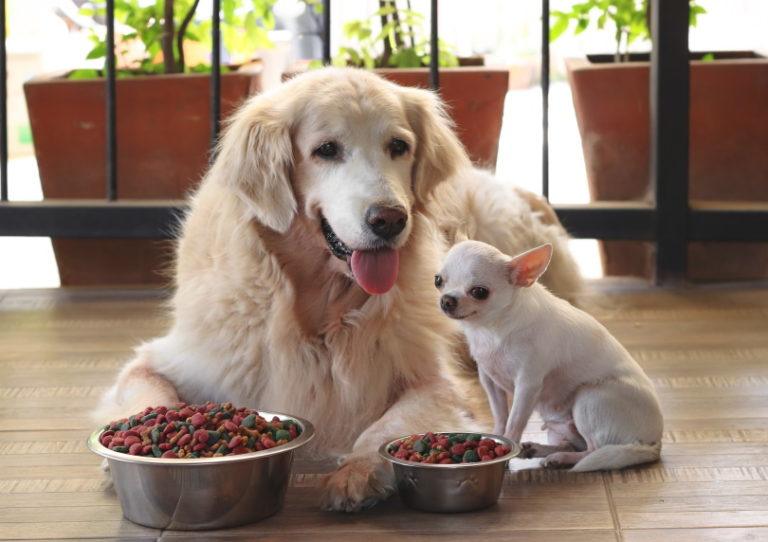
Ways to Stop Food Aggression
Food aggression stems from multiple factors. Many times, puppies and litters learn this behavior as an instinctual response to fight for food. If your puppy had to compete for their food above their littermates, it could create behavior in their brain where they feel like they have to continue this with your older dog.
Many times, rescues or previous strays also exhibit this behavior. If they were ever in a situation where food was scarce, it could make them extra possessive of their food since they think they might have it taken from them.
If food aggression is the problem, try these tips.
4. Dog Epilepsy
Epilepsy, or seizures, is common in older dogs. If your older dog is experiencing a seizure, it could be an impulse for your younger dog to attack them to get them to stop. The younger dog doesn't have any understanding of exactly what's happening.
If they become panicked, it could lead to unwanted behavior, making everything worse in the long run. And having the older dog attacked during one of these episodes can be extremely dangerous.
Ways to Stop Seizure-Related Attacks
If your older dogs suffer from epilepsy, there are definitely ways that you can protect them.
5. Dog Pain
Maybe your senior doesn't play the way that they used to. It's going to be very hard for a puppy or younger dog to understand. Younger dogs typically have higher energy levels and less comprehension of boundaries.
If the older dog is in pain from conditions such as arthritis, they might be snappy with the younger dog to try to get them to quit. The younger dog might see this as an aggressive act and react negatively.
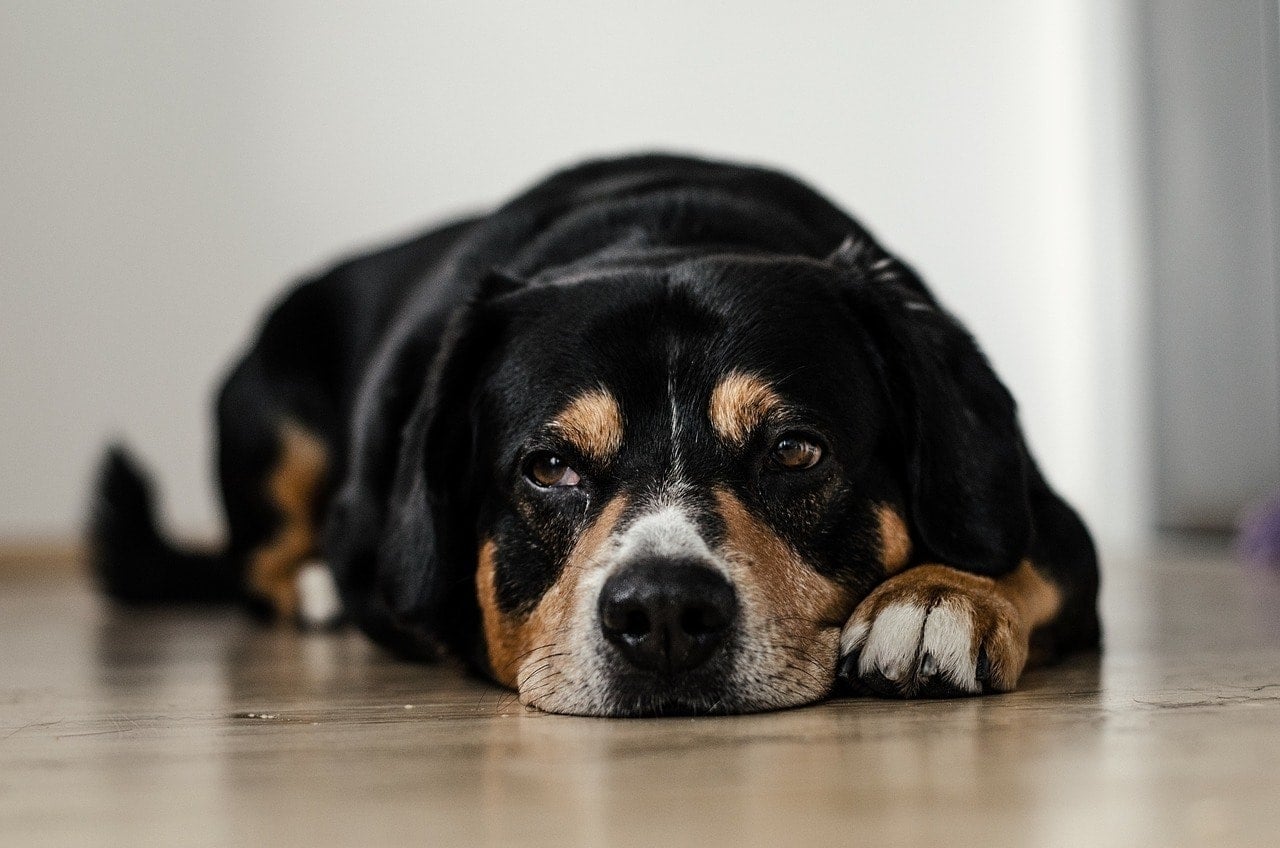
How to Stop Discomfort
The most important part of pain management is making sure that your older dog doesn't have any type of discomfort and that the younger dog understands boundaries.
Try out these tips to protect both of your animals.
6. General Decline
As with anything that ages, bodies begin to break down over time. Your older dog might not be feeling the way that they used to. Once their energy levels decrease, their patience with rough play can diminish very quickly.
Many dogs will give out warnings that they just don't want to be messed with. Puppies or younger dogs can get on their nerves quite a bit. However, even if they show that they are interested, a boisterous young dog might not get the picture.
Ways to Help Channel Younger Dog's Energy
Usually, in this case, all that needs to happen is to create a way for your younger dog to get the attention that they need and leave your older dog alone.
Relying on Professionals
As owners, sometimes we aren't prepared for the challenges that might arise when you own multiple dogs. If you don't feel like you can stop aggressive behavior, professionals are willing to help you at every turn.
Reach out to professional trainers or a veterinarian so they can assess and train the behavior appropriately. They will be able to try lots of different tactics so that your younger dog learns how to interact healthily.
Final Thoughts
It can be challenging to have two dogs with extreme age gaps. Sometimes, they're not going to be on the same page. It is a learning process for all of you, so don't beat yourself up if you haven't got a handle on the situation quite yet.
If the situation seems a bit too extreme, work with your vet or search locally to find a trained professional to help you.
Related Reads:
Featured Image Credit: ASSY, Pixabay
Get Hepper In Your Inbox


Pet care tips from our vets and experts, straight to your inbox.
You may opt-out at any time. View our Privacy Policy for more information.

Nicole is a lover of animals of all sizes but is especially fascinated with the feline variety. She’s the proud mom of Baby, a Burmese, and works every day so he can relax in the sunshine or by the fire. She’s always had a cat in her home and has spent countless days with others, observing behaviors and softening up even the grouchiest of the lot. Nicole wants to share her kitty expertise with you so you and your cat can live happy, healthy, and care-free.
Join the conversation
Ask a question, share your story, or send private feedback.