Hepper is reader-supported. When you buy via links on our site, we may earn an affiliate commission at no cost to you. Learn more.
Why Your Cat Is Pawing Under the Door: 8 Interesting Reasons
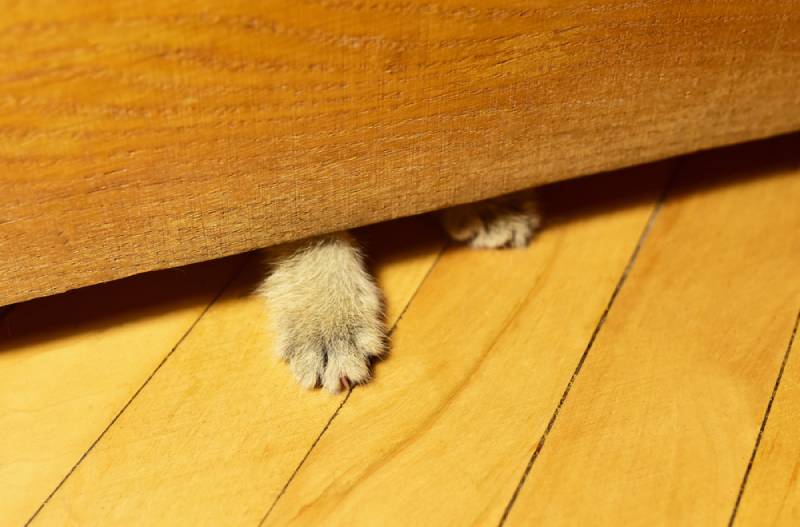
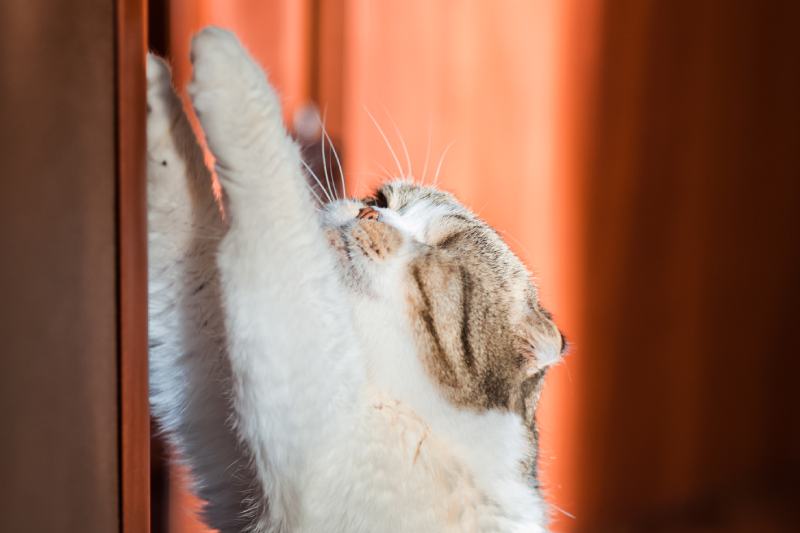
Cats are sometimes goofy, and many people get a kick out of some of the odd behaviors of cats. One behavior that many cats do is pawing underneath closed doors. It may be annoying or frustrating if your cat is pawing under the door while you’re trying to sleep, but it might give you a giggle if you see a paw waving at you from under the door while you’re on the toilet or taking a shower. Why do cats do this weird behavior, though?

The 8 Reasons Why Your Cat Is Pawing Under the Door
1. Attention
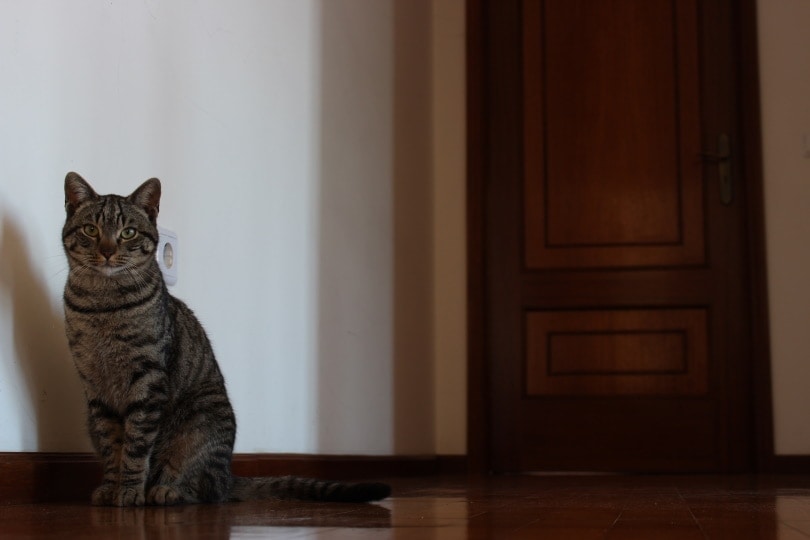
If you just walk into the bathroom or a bedroom and shut the door behind you, then your cat may start pawing underneath the door you just closed. Your cat may want your attention if they do this. They might be a little bit bummed that they’re closed on the other side of the door while you go about your day.
If your cat does this, they may simply want you to open the door or pay attention to them for a little bit before you continue with whatever you are already doing.
2. Stress
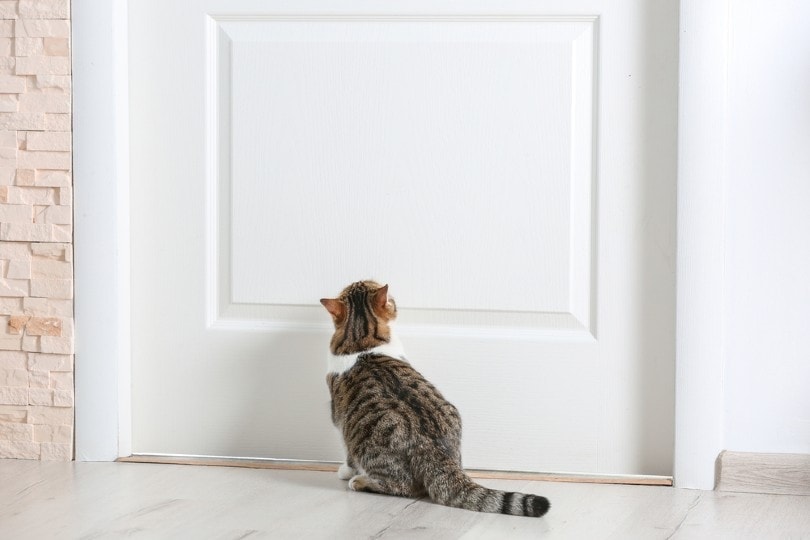
When cats become stressed or frustrated, they may begin to do unusual things. This can be shown by pawing underneath doors. Multiple things may cause your cat to paw underneath a door, including not wanting to be on the side of the door they are on.
If something has changed in your household, like bringing home a baby or a new pet, then your cat may be seeking a safe place to spend time. If something has changed in your home and your cat seems stressed, it’s a good idea to provide them with a safe space to spend time that is specifically set up for their comfort.
3. Curiosity
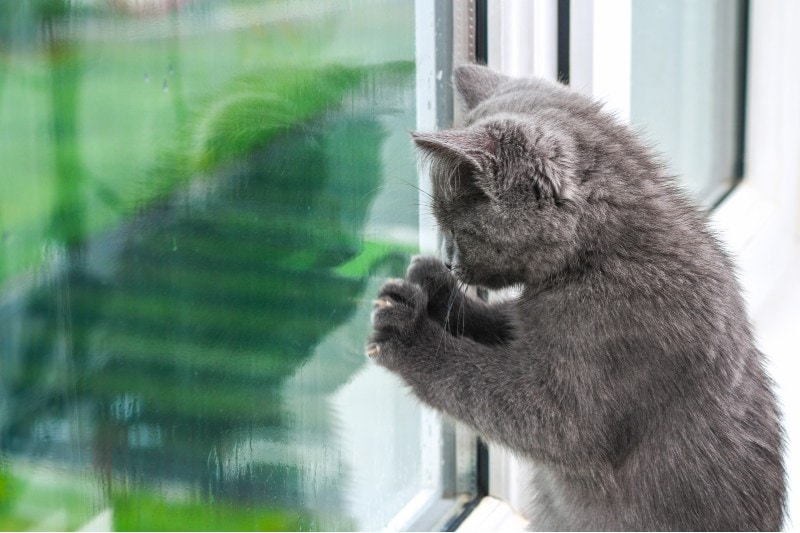
Cats are naturally curious animals, and it’s not unusual for them to attempt to do things fully out of curiosity. Your cat may start pawing underneath doors if they are curious about what’s on the other side of the door.
This is more likely to happen if your cat isn’t typically allowed on the other side of the door or if there is something new and interesting on the other side of the door. Pawing maybe your cat’s way of trying to learn about what’s on the other side of the door, or they may be trying to find a way to get to the other side of the door by pawing and scratching.
Observing the quirks of our feline friends can be puzzling at times; they are amusing and enjoy odd things that we might not always get, but we love them anyway. The Hepper Hi-Lo Scratcher is a tool we can provide that shows our cats our acceptance and affection, catering to their scratching instincts and peculiar desires. It’s like a symbol of love, providing them a space to be a cat, and welcoming their unique behaviors.

- Premium Materials - Hepper's cardboard scratcher is made with dense, B-flute cardboard, and a metal core. Encased in a 1/2" plywood frame with gloss coating. Stable and beautiful, use after use
- High, Low and Lower - A single cat scratch pad won't keep your cat engaged. 3 unique positions keeps them coming back, and back, and back again. Finally, something to get them away from the couch!
- Activates Muscles - The Hi Lo isn't just a cat nail file to stop the chief cat couch scratcher. The deep cat scratcher wave encourages maximum musculoskeletal activation for a healthier workout
4. Learning
In a similar way to human children, cats are tactile creatures that use their sense of touch to learn about the world around them. By pawing underneath a door, your cat may be able to learn about what’s on the other side of the door. Not only can touching things on the other side of the door help your cat learn about what’s on the other side of the door, but they may also be able to paw around and then sniff their paw to learn about whatever interesting scents may exist on the other side.
5. Grabbing or Reaching
Cats use their claws and paws as effective grabbing machines. By sticking their paws underneath doors, your cat may be able to reach or grab something of interest to them. If your cat loses a toy underneath a door, then they’ll likely start pawing under the door in an attempt to grab their toy.
Some cats may even paw underneath open doors as part of their playtime. Your cat might get a toy near the door and then slip between the door and the wall, pawing underneath the door in an attempt to grab the toy.
6. Wanting In or Out
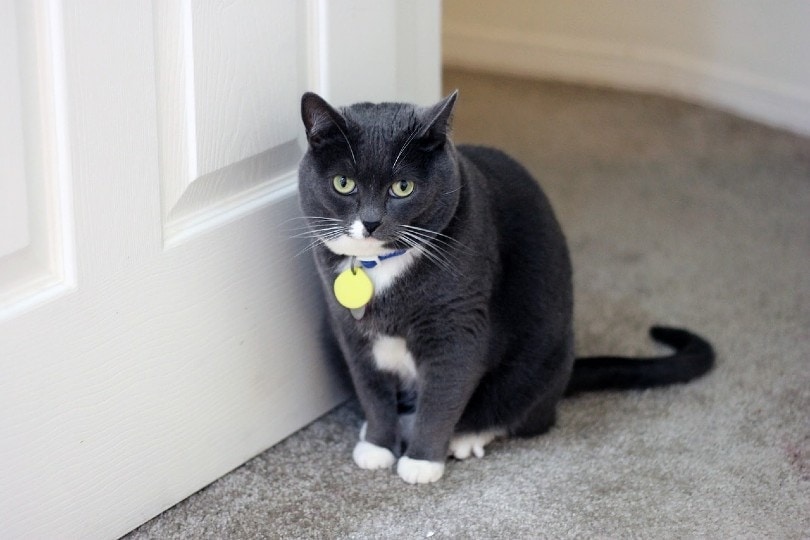
Your cat wanting in or out of the room they’re in is probably the most common reason that they’ll paw underneath doors. If your cat accidentally gets closed in a room, like a closet, then they will likely paw and scratch at the door in an attempt to get out or to get your attention so that you’ll let them out.
You may also notice your cat attempting to paw underneath doors leading to the outdoors in an attempt to get out. It’s very unlikely that your cat will be able to paw underneath an outdoor door, but they will still try.
7. Marking Territory
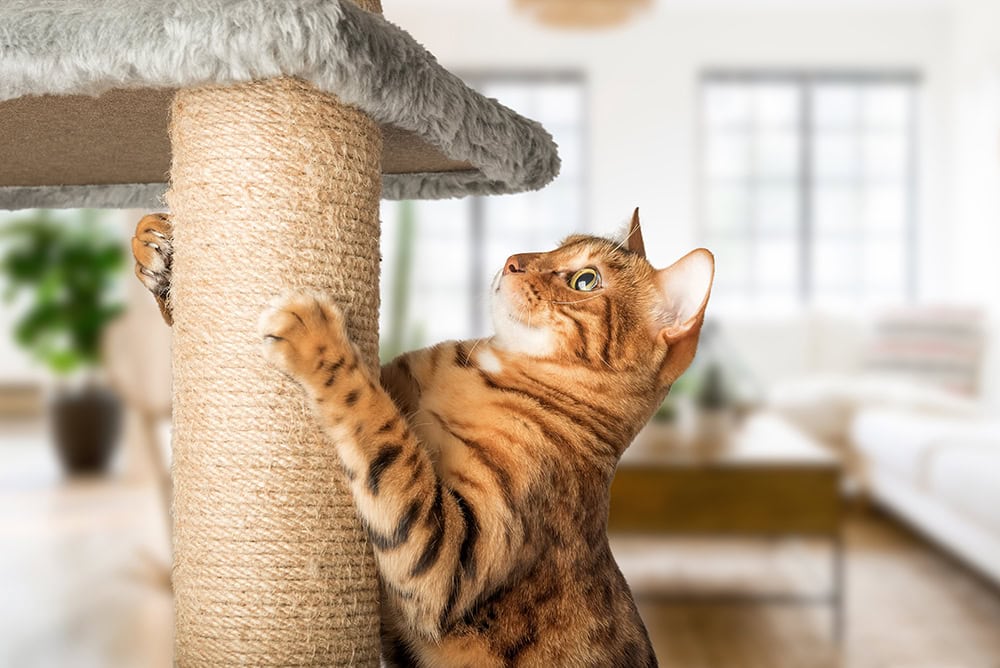
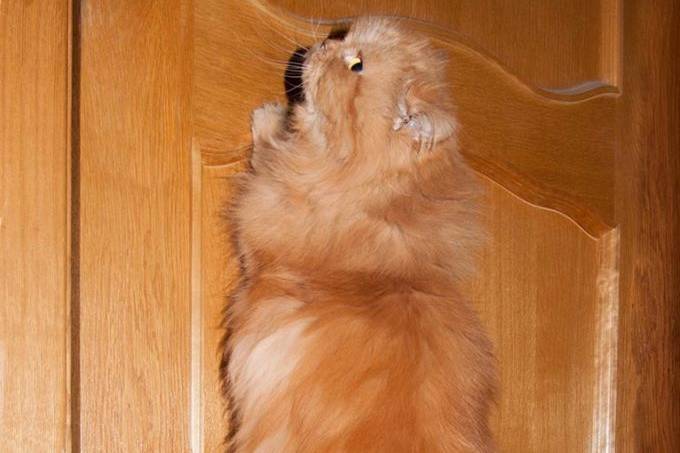
Cats will attempt to mark their territory in multiple ways, and scratching is one. Cats have glands in their feet that secrete scents and pheromones. When your cat scratches on their scratcher, it helps mark their territory.
Although scratching supports the health of your cat’s feet and claws, as well as helping to reduce stress, it also leaves the scent of your cat and their pheromones behind. By clawing and pawing underneath a door, your cat is leaving their scent everywhere they scratch. This can help them mark their territory, even if they can’t get to the other side of the door.
8. Having Fun
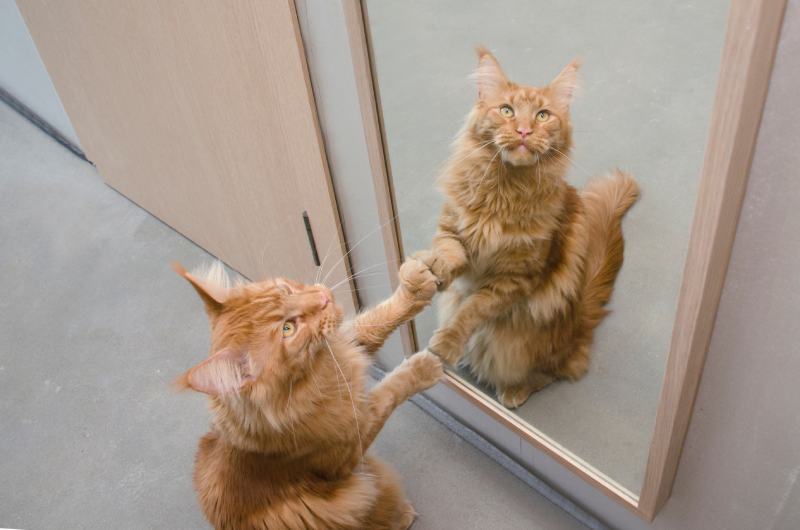
For some cats, pawing underneath doors is just a fun thing to do. They may do it for a combination of the above reasons, or they may just do it because it’s fun and interesting for them to play around like this.
Usually, a toy will be involved in this type of play, but some cats may just paw and scratch under and around a door because it’s fun and different from their normal types of play.

How to Prevent Pawing Under the Door
Since there are multiple reasons that your cat may be pawing underneath the door, you likely will need to pinpoint the reason your cat is pawing to proceed with prevention. The best thing you can do, though, is to provide your cat with outlets for their stress and energy.
Bored and stressed cats are more likely to take part in behaviors like pawing underneath doors. If you provide your cat with plenty of attention, a rotation of interesting and engaging toys and games, and places that help your cat feel safe and comfortable, then they are less likely to do most inappropriate behaviors.
Positive reinforcement of your cat behaving properly when you close a door can also help prevent pawing under the door. For example, if your cat sits nicely outside the bathroom instead of pawing under the door, then you can provide them with a treat and praise when you come out, so they learn that the calm behavior of sitting quietly outside the door is preferred over scratching and pawing.
Conclusion
Some cats really enjoy pawing underneath doors, and there are multiple reasons that your cat may paw under doors in your home. Try to pinpoint the reason your cat is doing this. If your cat is stressed, then you need to know that so you can help make your home feel safer and more comfortable for your stressed kitty.
If you think your cat may be bored or seeking attention, then try to add some new toys and give them some extra one-on-one time every day.
Sources
Featured Image Credit to: Maksim Safaniuk, Shutterstock
Get Hepper In Your Inbox


Pet care tips from our vets and experts, straight to your inbox.
You may opt-out at any time. View our Privacy Policy for more information.

After nine years as a veterinary assistant, Brooke Billingsley transitioned to a career as a nurse in 2013. She lives in Arkansas with her boyfriend, sharing their home with three dogs, two cats, five fish, and two snails. A dedicated animal lover, Brooke has a special place in her heart for special needs pets, including a three-legged senior dog and a famous cat with acromegaly and cerebellar hypoplasia. Fish keeping is one of her hobbies, and she is constantly improving her knowledge to care for her aquarium pets. Brooke is an active yoga enthusiast, having obtained her 200-hour yoga teacher certification in 2020. She believes in the importance of continuous learning and dedicates time each day to developing new skills and expanding her knowledge.
Join the conversation
Ask a question, share your story, or send private feedback.