Hepper is reader-supported. When you buy via links on our site, we may earn an affiliate commission at no cost to you. Learn more.
Australian Shepherd Dog Breed Info: Pictures, Origin, Traits & Facts

Breed Overview
Height:
Weight:
Lifespan:
Colors:
Suitable for:
Temperament:
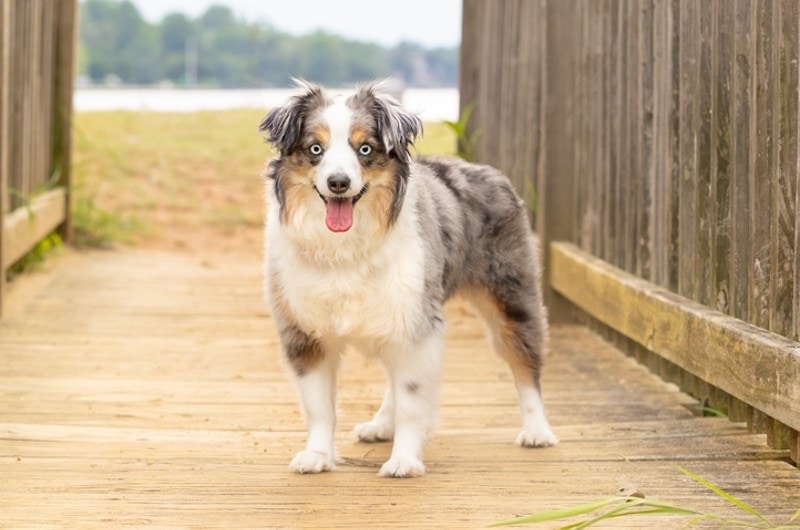
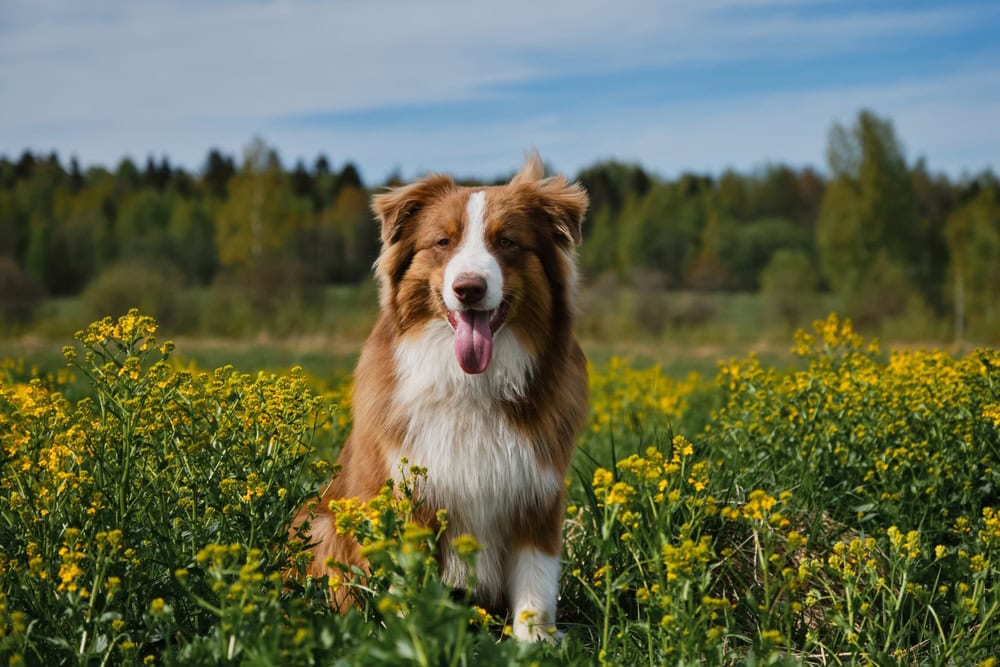
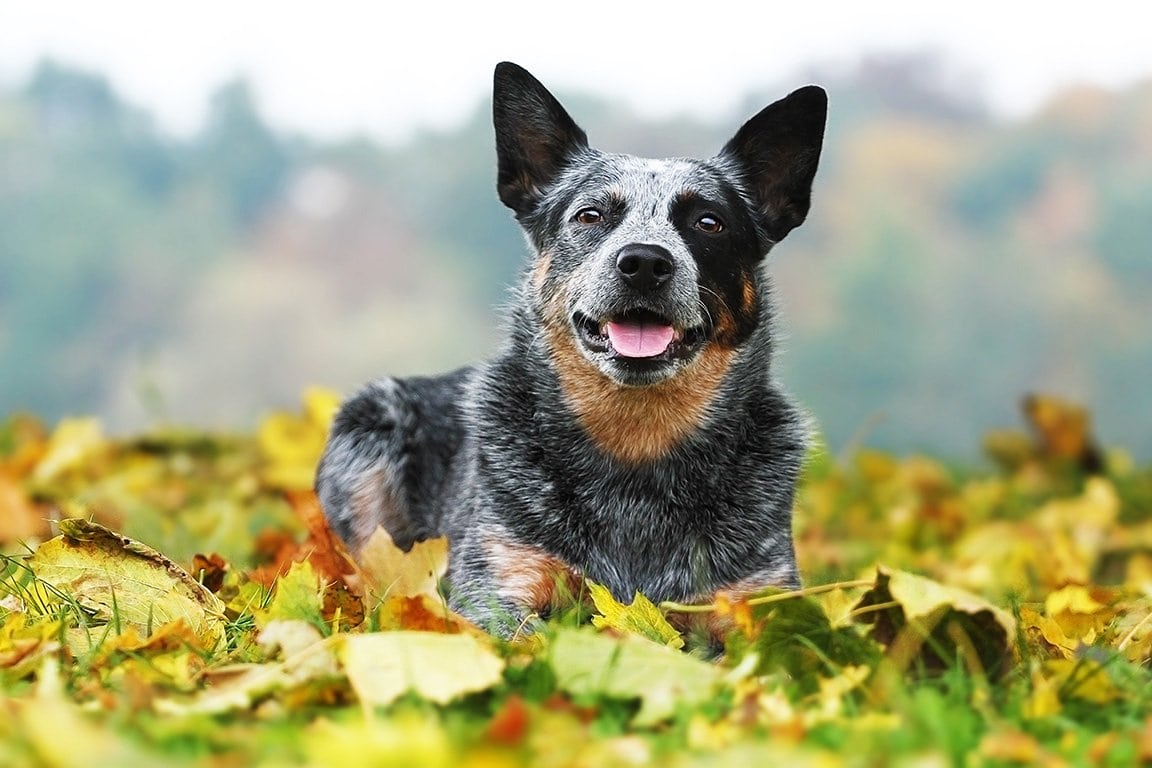
The Australian Shepherd is a beautiful, fun-loving, and loyal breed that fits in fine with families of all sizes, singles, and senior citizens. These dogs love to play, they’re thoughtful, and they never seem to get frustrated. Australian Shepherds have almond-shaped eyes in shades of blue, brown, hazel, or amber.
These dogs have slender bodies that are agile and stoic. They’re highly intelligent and take well to training. The Australian Shepherd is loyal and compassionate, making them the perfect companion for kids of all ages. While some Australian Shepherd owners choose to dock their pup’s tails, this isn’t a requirement for health or show reasons, so many owners choose to leave the tails intact.
Are you curious about what it might be like to own an Australian Shepherd? Or do you just want to know what this breed is all about, to increase your knowledge of canines? Whatever your reason for learning more about the Australian Shepherd, the following guide is a must-read.

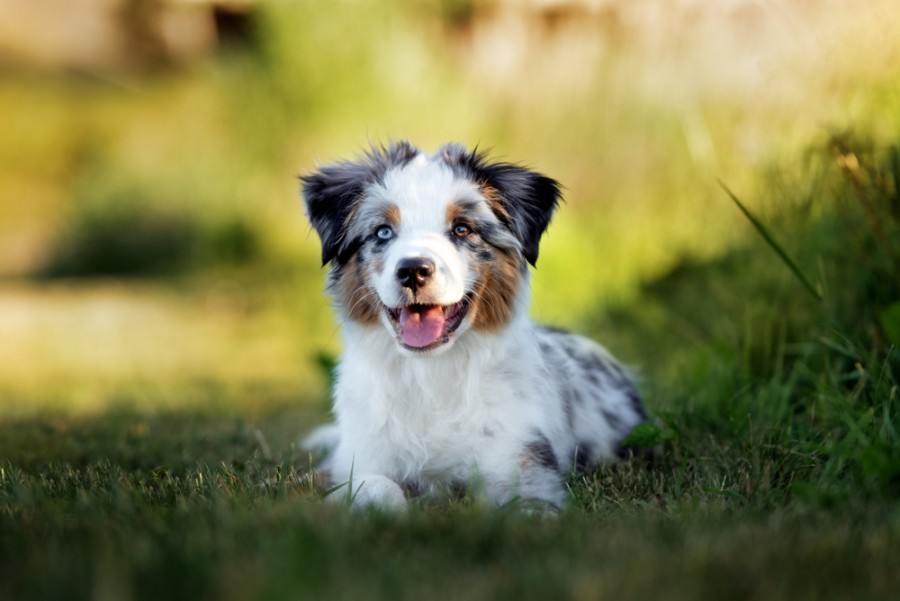
Australian Shepherd Puppies
Australian Shepherd Characteristics
These puppies are adorable when they’re young. But once they grow up, they’re big and they require a great deal of commitment. Here are a few important things you need to know about this beautiful purebred dog.

The Earliest Records of Australian Shepherds in History
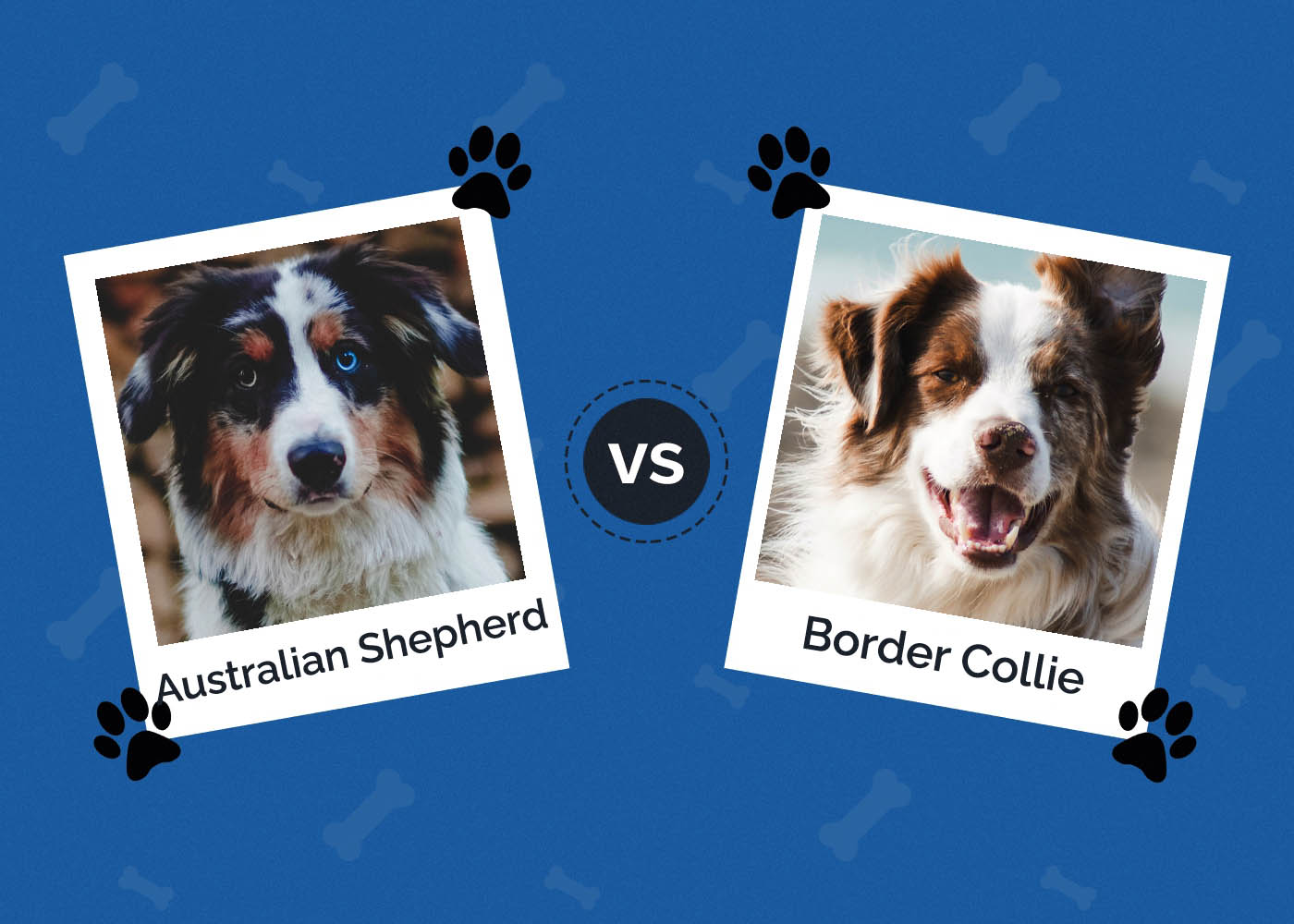
Australian Shepherds have an interesting and somewhat unclear history, partly because they were only bred for working purposes.1 The first appearances of the Australian Shepherd go back to the 1800s, during a bustling and productive time in America. With settlers from around the world pouring into America, many people also imported livestock and herding dogs. It's said that many of these herding dogs were Collies and Border Collies from Australia, as well as dogs with influences from the Pyrenees and European herding dogs. Eventually, Australian Shepherds started to become their own breed, but it wasn’t until the 1950s that they had any breed recognition.
How Australian Shepherd Gained Popularity
Australian Shepherds started like the Siberian Husky, bred selectively based on temperament rather than physical confirmation. Their natural working capabilities made them popular among ranchers in the Midwest, which helped spread their popularity throughout the decades. Around the 1950s and 60s, Aussies started becoming popular family dogs and companions. Today, they're high in demand and have a huge following, both as working dogs and as companions.
Formal Recognition of Australian Shepherds
Although they were high in demand in the Midwest for ranching and herding livestock, the breed was almost unknown until the 1950s. The first stepping stone to recognition was the founding of the Australian Shepherd Club of America in 1957, but their history goes as far back as the 1800s. Australian Shepherds had no true confirmation to follow and were selectively bred for working purposes only, as with other herding and working dogs. It wasn’t until the 1990s that the United Kingdom Kennel Club recognized them as a breed, followed by the American Kennel Club quickly after.

Temperament & Intelligence of the Australian Shepherd 🧠
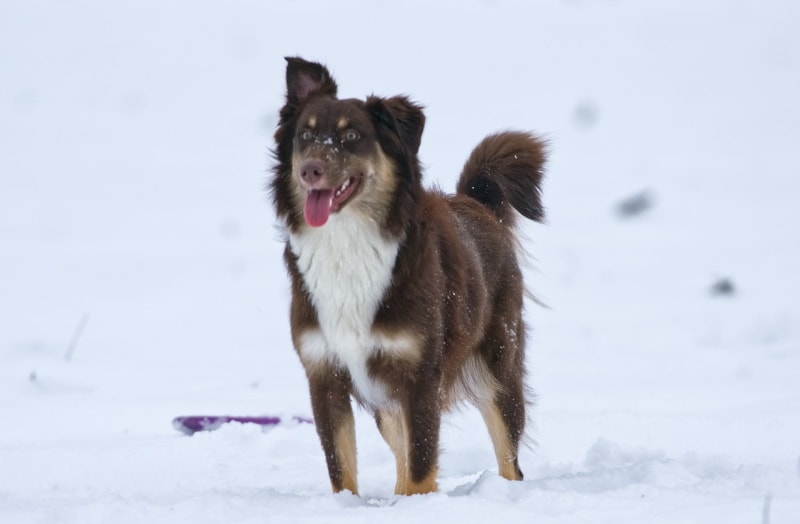
Australian Shepherds are born to herd farm animals, so they do have a strong prey drive and like being the leader of their pack. But this doesn’t mean that they can’t get along well in a family environment. In fact, Australian Shepherds can be happy living in an apartment, as long as they get out to exercise every day.
Aussies are extremely intelligent. Therefore, they need just as much brain stimulation as they do exercise. Puzzle toys and indoor games should do the trick. These dogs love hanging out with their family members. Since herding is in their nature, Australian Shepherds should always be behind a fence or on a leash while outside, so they don’t try herding passing cars or other animals.
Are These Dogs Good for Families? 🏡
Even though Australian Shepherds are high energy, they get along well with kids of all ages. Socialization should be a priority when they are puppies so they can learn how to safely play with kids and ensure that they know what their limits are. The whole family should be involved in obedience training so the kids know how to effectively manage the dog in all situations. Kids should also practice walking with the puppy while still young to ensure that they’re comfortable leading a walk when the dog grows up.
Does This Breed Get Along With Other Pets? 🐶 😽
Australian Shepherds do get along with other animals, especially dogs. They can even live with cats if they’re accustomed to doing so at a young age. Even if they won’t be living with other animals, these dogs should be introduced to other animals regularly while they grow up to minimize the risk of them becoming aggressive as adults. Aussies may be inclined to chase after animals that they see as prey, such as squirrels, raccoons, and rats.

Things to Know When Owning an Australian Shepherd
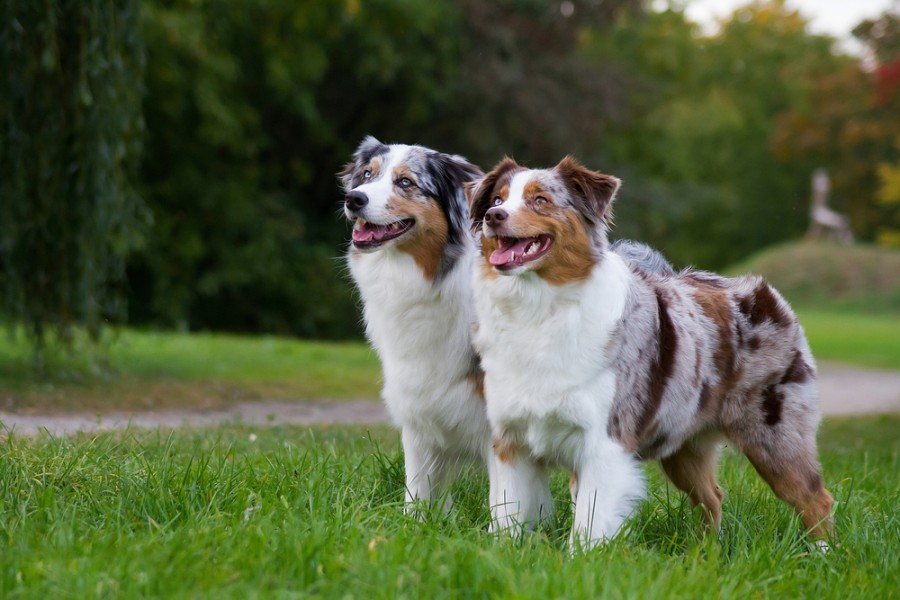
It’s a good idea to learn all there is to know about Australian Shepherds before deciding whether to adopt one. You may enjoy some aspects of owning one of these dogs, but other aspects may just be too much for you to handle.
Food & Diet Requirements
Australian Shepherds can eat either wet or dry food, provided that it contains high-quality ingredients like real meat, sweet potatoes, and peas. Foods that contain artificial colors or flavorings should be avoided whenever possible. Aussie puppies should be fed several meals throughout the day to support their quickly growing bodies.
Adult dogs can be fed just once or twice a day. These dogs are food motivated, so you can use pieces of dry food or treats to make training easier. It’s always a good idea to consult your veterinarian when deciding which type of food and how much to give your Australian Shepherd puppy.
Exercise 🐕
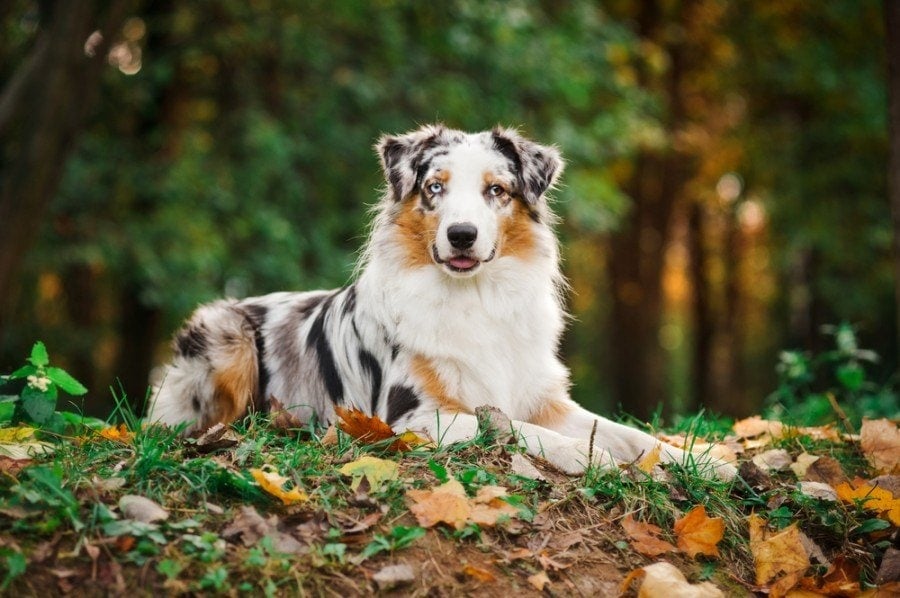
Australian Shepherds need daily exercise to thrive. Without daily walks and outdoor activities, this breed can become unruly and hard to work with. Plan on walking your Aussie for at least half an hour each day throughout the week. Even puppies want daily walks! Additional exercise should be considered to help ensure that your dog gets all the challenge, stimulation, and socialization needed for a long and happy life.
Agility training classes with other dogs are excellent options to consider. Trips to the dog park make for another fun idea that will help enrich your Aussie’s quality of life over time and help them become well-rounded overall.
Training 🦮
Obedience training is a must for all Australian Shepherds. These are big and powerful dogs that need to know their strength and how to manage that strength when dealing with people, kids, and other animals. Learning to sit, stay, and come is a necessity. These dogs love to please, so they’re typically open to learning a variety of tricks, such as rolling over and fetching the newspaper or mail, which will help enhance your interactions with them.
Grooming ✂️
As an average shedder, the Australian Shepherd is easy to maintain but does require combing or brushing a few times a week to keep the shedding under control. They shouldn’t be bathed, as the process tends to dry their skin out and make their coats feel and look more coarse over time. Australian Shepherds have undercoats that shed once or twice a year as the seasons change, at which time, more brushing may be needed. Nail trimming may be needed occasionally, but daily walks should naturally keep the nails short and dull.
Health and Conditions ❤️
Like all dog breeds, there are health conditions that Australian Shepherds are prone to. This doesn’t mean that every Aussie will develop the problems. It just means that owners should be aware of potential health concerns so they can protect their dogs and know how to spot the signs of a disease.
Male vs. Female
Female Australian Shepherds tend to look a bit leaner than males, and males tend to be a little more independent than females. But both sexes are fun-loving, kind-hearted, and loyal. Both love to run and play, though the females might spend more time resting throughout the day. The truth is that there really aren’t any significant differences between the two sexes that prospective owners should worry about.

3 Little-Known Facts About the Australian Shepherd
1. They Aren’t Really Australian
It’s believed that these dogs were introduced to Australia by shepherds and farmers from an area near the Pyrenees Mountains. It wasn’t until these dogs were brought to the United States from Australia that they started being called Australian Shepherds. These dogs are now widely bred in the United States, and very few are brought over from Australia.
2. Many of Them Feature Two Different Eye Colors
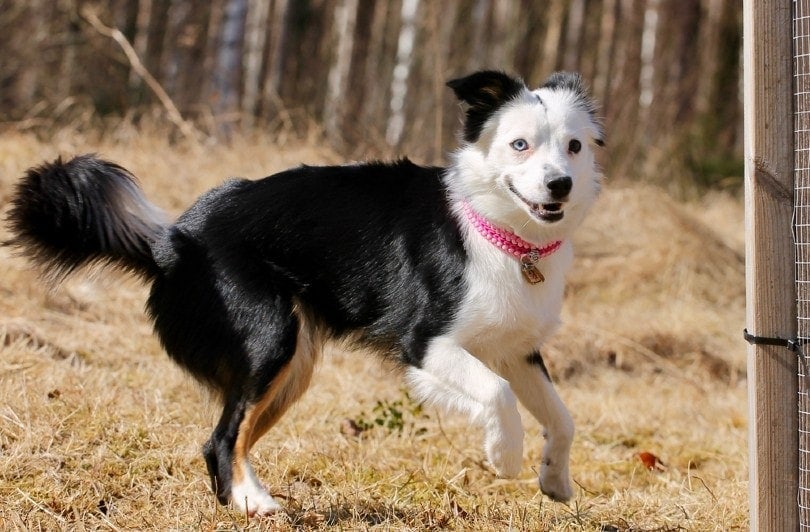
Some Australian Shepherds just have blue or brown eyes, but many of them have different colored eyes. So, some dogs may have a blue eye and a hazel eye, while another may feature one brown eye and one amber eye.
3. They Can Perform Important Jobs
This dog may be well known as a herding breed, but Australian Shepherds can successfully perform a variety of other important jobs. You may see an Australian Shepherd working as a seeing-eye dog, a therapy dog, or even a drug-sniffing dog.
Final Thoughts
The Australian Shepherd is an incredibly agile dog that loves to play and hang out with the pack. They’re attentive and friendly, but they need plenty of exercise and training to stave off bad behaviors. These dogs enjoy a good adventure, so they’re always up for a hike or camping trip.
While these dogs are used to lying on the ground outdoors, they still appreciate a nice soft bed to lay in while spending time indoors. So, owners can expect the best of both worlds: a rough-and-tough playful friend outside and a cuddly family member inside.
Do you have any personal experience with Australian Shepherds? Are you considering adopting one? We would love to hear from you!
See also:
Featured Image Credit: Jan Havlicek, Shutterstock
Get Hepper In Your Inbox


Pet care tips from our vets and experts, straight to your inbox.
You may opt-out at any time. View our Privacy Policy for more information.

Nicole is a lover of animals of all sizes but is especially fascinated with the feline variety. She’s the proud mom of Baby, a Burmese, and works every day so he can relax in the sunshine or by the fire. She’s always had a cat in her home and has spent countless days with others, observing behaviors and softening up even the grouchiest of the lot. Nicole wants to share her kitty expertise with you so you and your cat can live happy, healthy, and care-free.
Join the conversation
Ask a question, share your story, or send private feedback.