Hepper is reader-supported. When you buy via links on our site, we may earn an affiliate commission at no cost to you. Learn more.
How Big Do African Sideneck Turtles Get? Average Size & Growth Chart
In this article
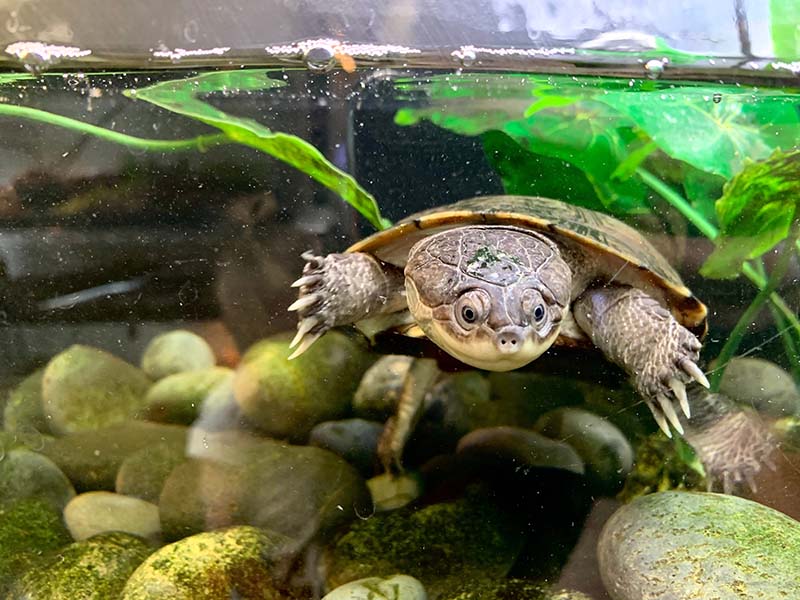
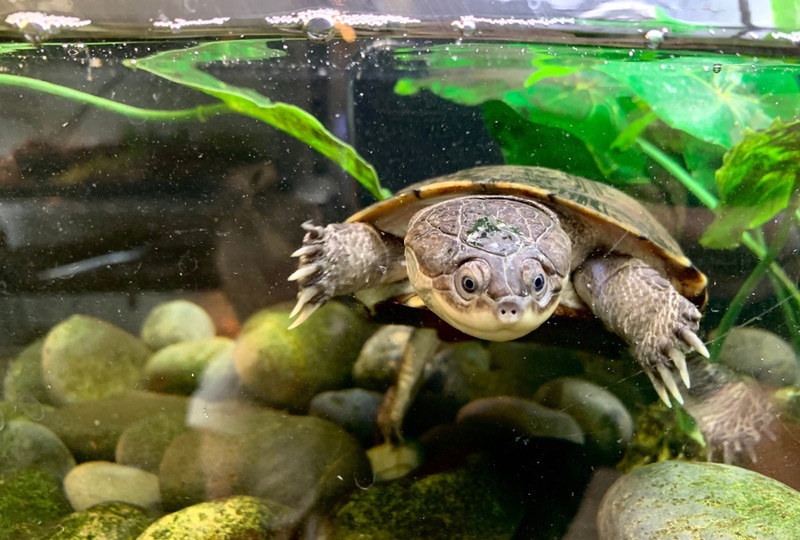
African Sideneck Turtles, also known as African Mud Turtles, are a popular choice for pet owners due to their unique appearance and interesting behaviors. As with all turtles, understanding their developmental stages and growth patterns is crucial for providing them with proper care. A fully-grown African Sideneck Turtle can grow up to 6–12 inches long. Here's a basic overview of the developmental stages of an African Sideneck Turtle and the sizes they typically reach at each stage.

African Sideneck Turtle Overview
African Sideneck Turtles (Pelusios castaneus), hailing from the freshwater habitats of western and central Africa, are a fascinating species with their long necks, high-domed shells, and distinctive personalities. These semi-aquatic, diurnal reptiles are known for their retractable necks that tuck sideways into their shell, hence the name. They're omnivorous, eating a mix of plants and small creatures, and with good care, they can live for several decades, sometimes even surpassing 50 years!
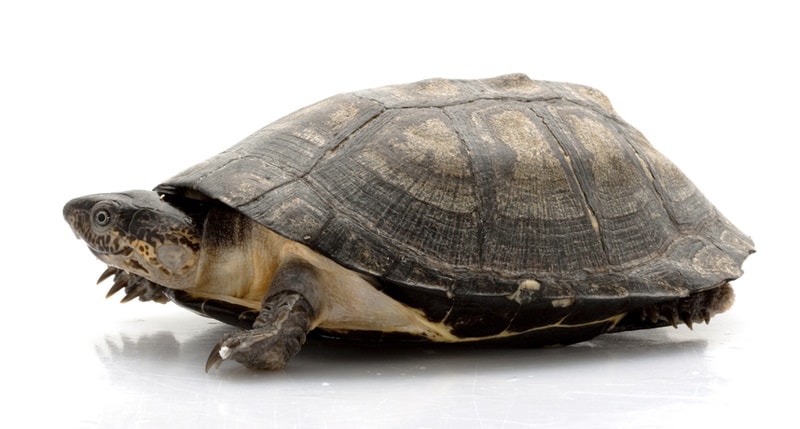
African Sideneck Turtle Size and Growth Chart
| Age | Length Range |
| Hatchling (0–6 months) | 1.25–1.5 inches |
| Juvenile (6 months–2 years) | 1.5–6 inches |
| Adult (2+ years) | 6–12 inches |
Hatchling Stage (0-6 months)
When African Sideneck Turtles hatch, they are tiny, typically measuring just 1 to 1.5 inches in carapace (shell) length. At this stage, they are extremely vulnerable and require a diet rich in protein to support their rapid growth.
Juvenile Stage (6 months–2 years):
During the juvenile stage, African Sideneck Turtles experience a significant growth spurt. By the end of this stage, they may measure anywhere from 4 to 6 inches in carapace length. Their diet should be balanced between proteins and plant matter to support healthy growth.
Adult Stage (2+ years)
African Sideneck Turtles reach adulthood around the age of 2. Adult males typically measure between 8 and 10 inches in carapace length, while females are slightly larger, generally reaching 9 to 12 inches in carapace length. At this stage, their diet should consist mostly of plant matter, with proteins offered occasionally.
When Does an African Sideneck Turtle Stop Growing?
As hatchlings, African Sideneck Turtles usually measure about 1.25 to 1.5 inches in shell length. They grow rapidly during their first few years, reaching about half of their adult size by the time they're one year old.
On average, these turtles reach maturity between the ages of 5 to 6 years. At this point, males typically measure between 8 and 10 inches in carapace (shell) length, while females are slightly larger, generally reaching 9 to 12 inches in carapace length. However, turtles may continue to grow slowly throughout their lives.
The growth rate of an African Sideneck Turtle can be influenced by several factors, including diet, environmental conditions, and overall health. Providing a balanced diet, maintaining optimal habitat conditions, and ensuring regular health check-ups are crucial for supporting healthy growth in these turtles.
Factors Affecting the Size of African Sideneck Turtles
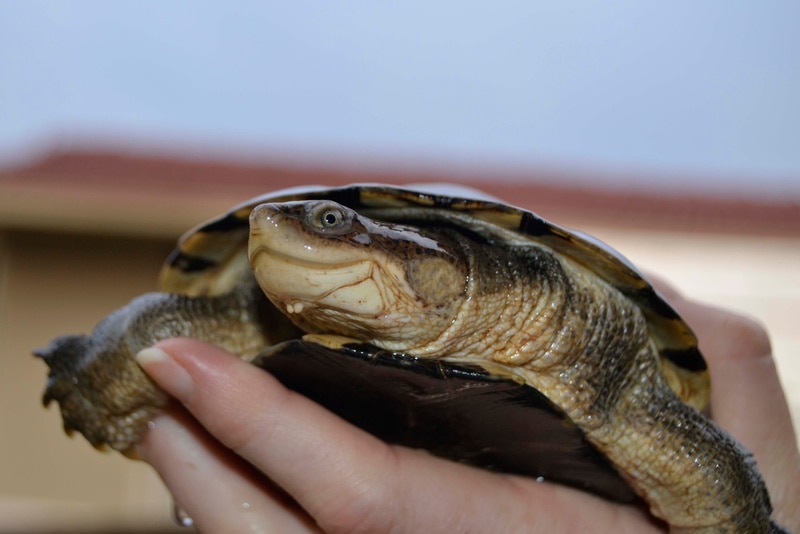
The size of an African Sideneck Turtle can be influenced by several factors. Genetics are a significant determinant, as it sets the potential for their maximum size. However, reaching this potential depends on other variables, such as diet and environment.
Diet plays a critical role in a turtle's growth and development. An optimal diet for African Sideneck Turtles should include a balance of proteins and plant-based foods. Overfeeding, underfeeding, or providing a nutritionally deficient diet can lead to health problems and impact growth.
The turtle's environment also influences its size. Turtles kept in larger enclosures with plenty of room to swim, dive, and explore tend to grow larger and healthier. Adequate UVB lighting, clean water, and a suitable basking area are also crucial for their overall growth and well-being.
Signs Your African Sideneck Turtle Isn't Growing Properly
If your African Sideneck Turtle isn't growing properly, it may display several signs.
Here are some indicators to watch out for:
If you notice any of these signs in your African Sideneck Turtle, it's crucial to consult a vet who specializes in reptiles. They can provide a thorough health check-up and guide you on the necessary steps to support your turtle's growth and overall well-being.
Ideal Diet for Maintaining a Healthy Weight
African Sideneck Turtles are omnivores, and thus they require a varied diet to meet all their nutritional needs. Commercial turtle pellets can form the base of their diet, providing essential nutrients and vitamins.
However, these should be complemented with fresh leafy greens like romaine lettuce, kale, or spinach, which provide necessary fiber and vitamins. Insects such as mealworms, earthworms, or crickets, along with occasional servings of fish or lean poultry, can fulfill their protein needs.
Remember, moderation is key. Overfeeding can lead to obesity and related health issues. Similarly, it's essential to provide a balanced diet to avoid nutritional deficiencies. Always consult with a vet or a knowledgeable reptile expert for specific dietary advice for your African Sideneck Turtle.
How to Measure Your African Sideneck Turtle
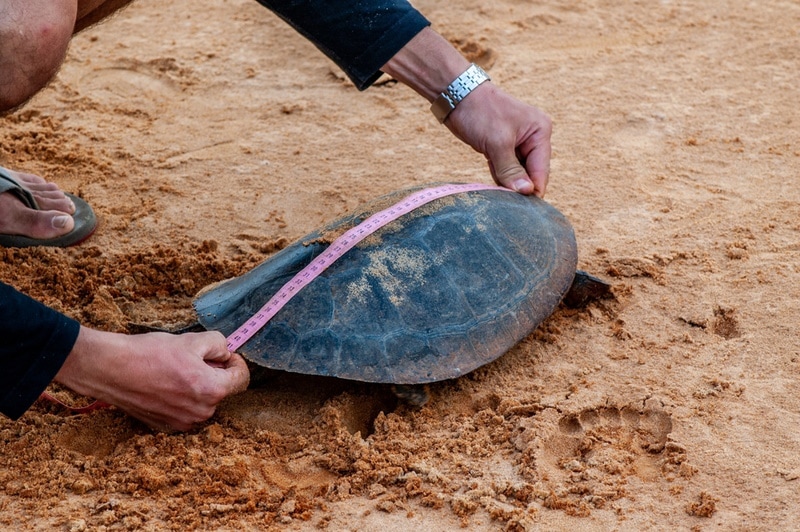
To measure your turtle, you'll need a soft measuring tape. Measure the length from the middle of the shell (carapace) right above the tail (posterior end) to the middle of the shell above the head (anterior end). This gives you the straight carapace length, which is the standard way to measure turtles.
Conclusion
Nurturing an African Sideneck Turtle to its full potential involves understanding its growth patterns and providing it with the right care, diet, and environment. Remember, while these turtles can be a delightful addition to your home, they require a long-term commitment of up to 50 years or more! So, if you're ready to embark on this rewarding journey, prepare yourself to offer the best care to your shelled friend. And if you ever notice signs that your turtle isn't growing properly, don't hesitate to seek professional help. After all, a healthy turtle is a happy turtle!
Featured Image Credit: Megan Czarnocki, Shutterstock
Get Hepper In Your Inbox


Pet care tips from our vets and experts, straight to your inbox.
You may opt-out at any time. View our Privacy Policy for more information.

Nicole is a lover of animals of all sizes but is especially fascinated with the feline variety. She’s the proud mom of Baby, a Burmese, and works every day so he can relax in the sunshine or by the fire. She’s always had a cat in her home and has spent countless days with others, observing behaviors and softening up even the grouchiest of the lot. Nicole wants to share her kitty expertise with you so you and your cat can live happy, healthy, and care-free.
Join the conversation
Ask a question, share your story, or send private feedback.