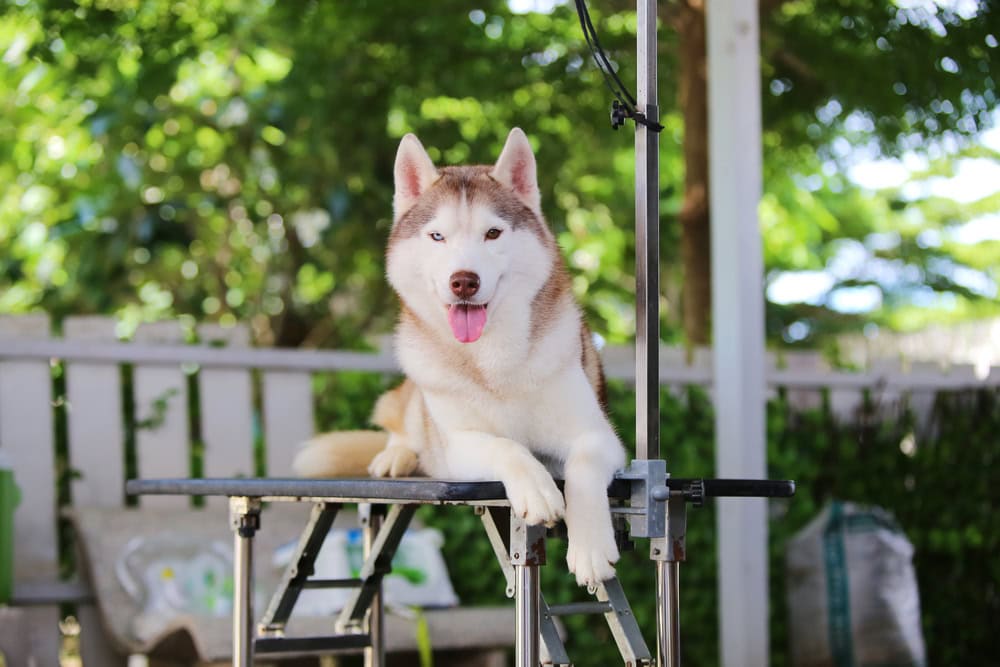
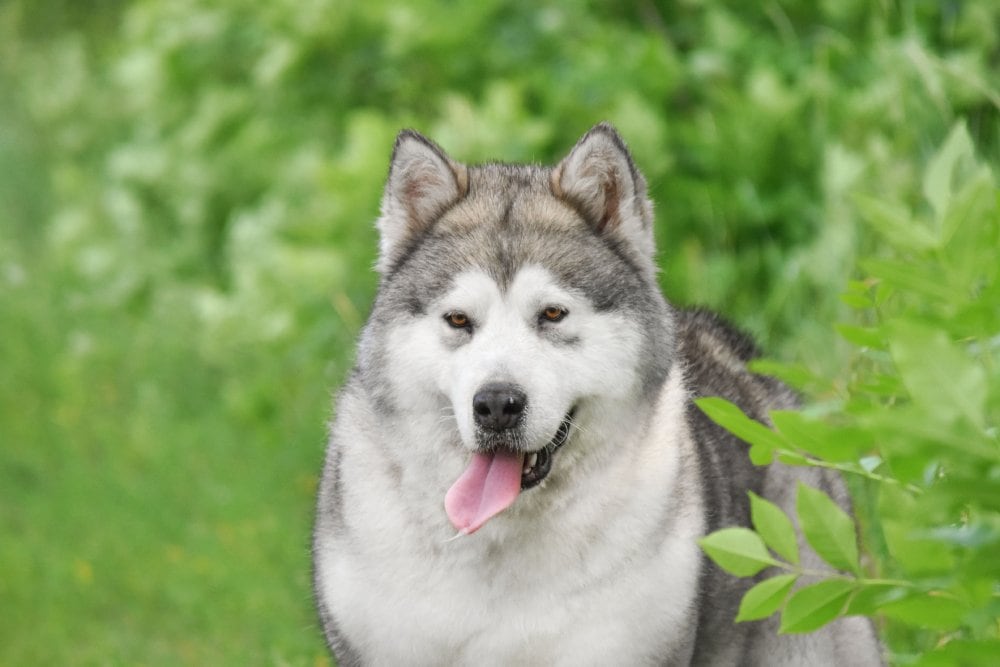
Hepper is reader-supported. When you buy via links on our site, we may earn an affiliate commission at no cost to you. Learn more.
Alaskan Malamute vs Akita: Differences Explained (With Pictures)
In this article
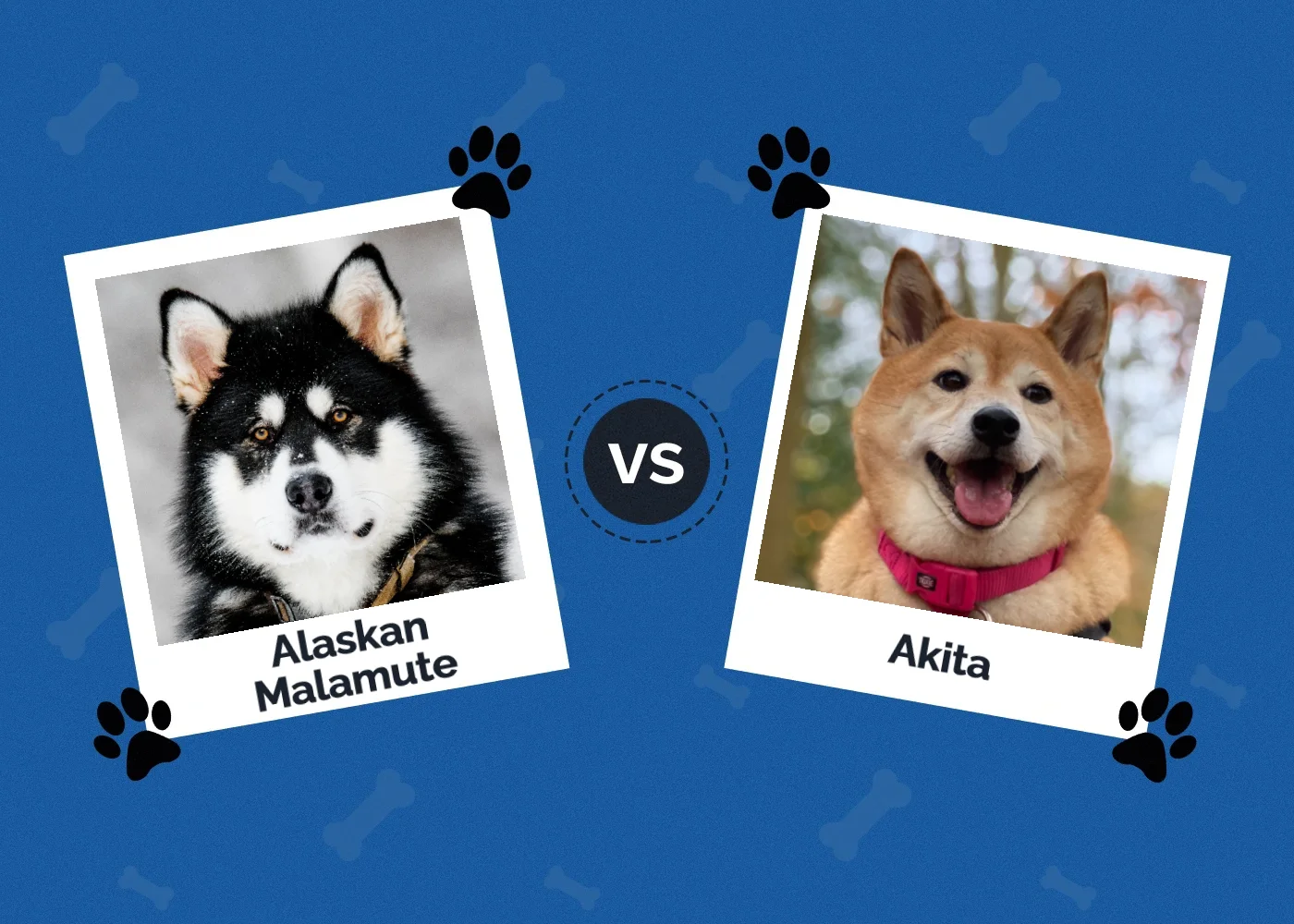
Akitas and Alaskan Malamutes are both examples of two big dogs with rich and storied histories exhibiting their hardworking demeanor. If you’re looking for a highly energetic, doting, and intelligent dog, you could go either way. They can both make great pets, but neither is right for every family.
Read on to learn more about each of these beautiful dog breeds, including their health concerns, temperament, training requirements, and exercise needs. By the end of our article, you’ll have a better idea about whether an Akita or Alaskan Malamute will fit better with your lifestyle.

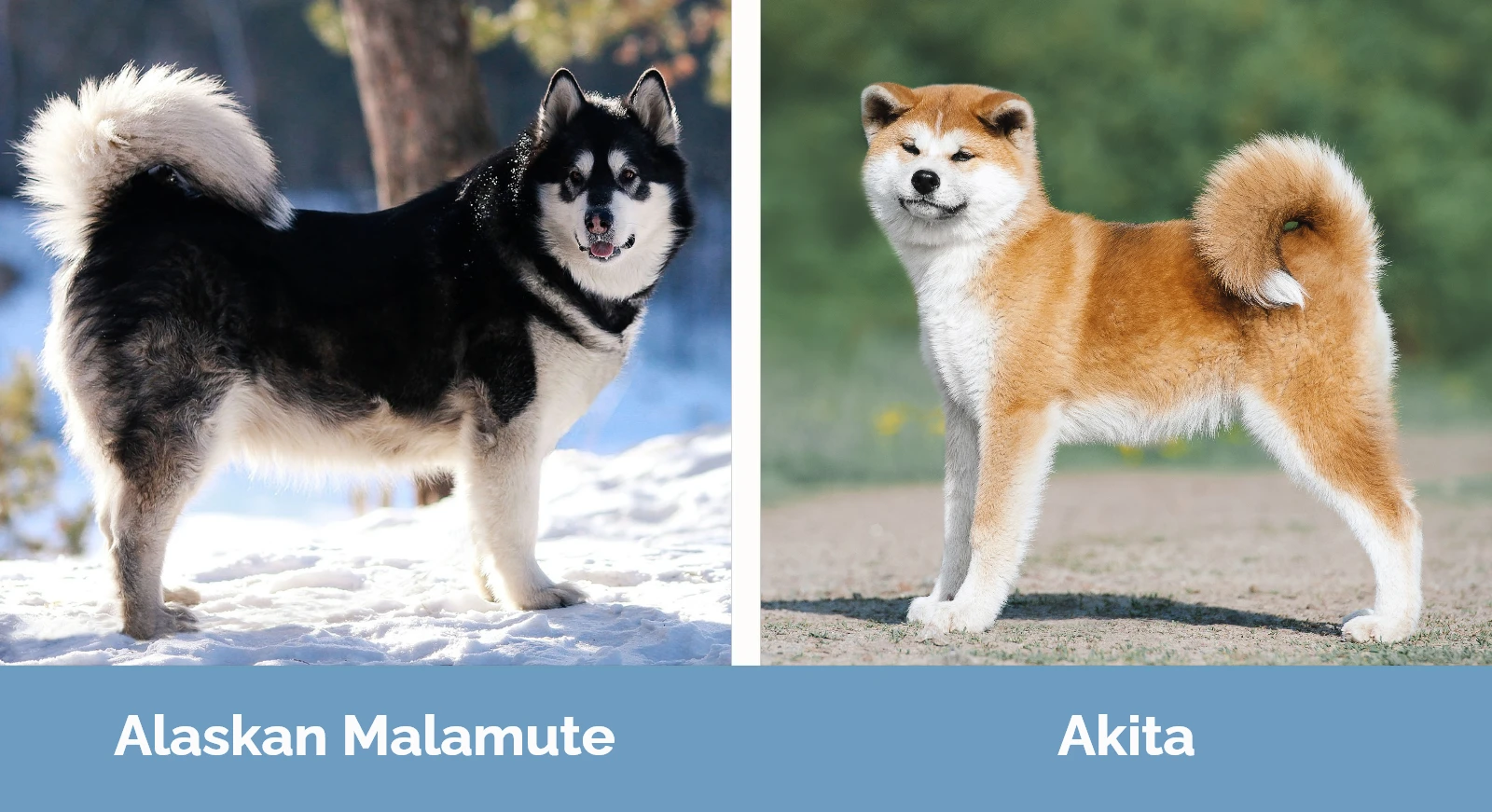
Visual Differences
At a Glance

Akita Overview
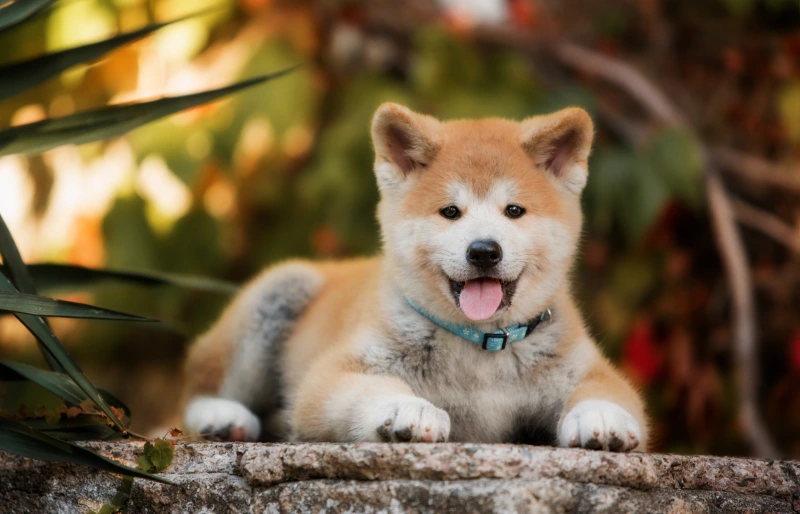
Akitas are a Japanese dog breed originating in the snowy and rural lands of northern Japan. They were bred to hunt animals like bears, elk, and boars. Unfortunately, Akitas were often involved in dog fighting during their earlier years. During the early 1900s, Akitas were used to track prisoners of war and lost sailors. However, after World War II, fewer than 50 Akitas remained in Japan. Thanks to the efforts of a determined group of breeders, the numbers were revived.
Personality / Character
Akitas can be very territorial over their property and may not enjoy meeting new people. They are sometimes described as cat-like with their fastidious grooming and their resulting cleanliness and odorlessness.
Akitas are very protective over all the members of their family (including children). Their build and size, coupled with this natural protectiveness, can make them powerful guard dogs.
Akitas generally don’t get along well with other animals due to their territorial nature. They can be aggressive toward other dogs and animals, so they may not be well-suited for homes with other pets.
Exercise
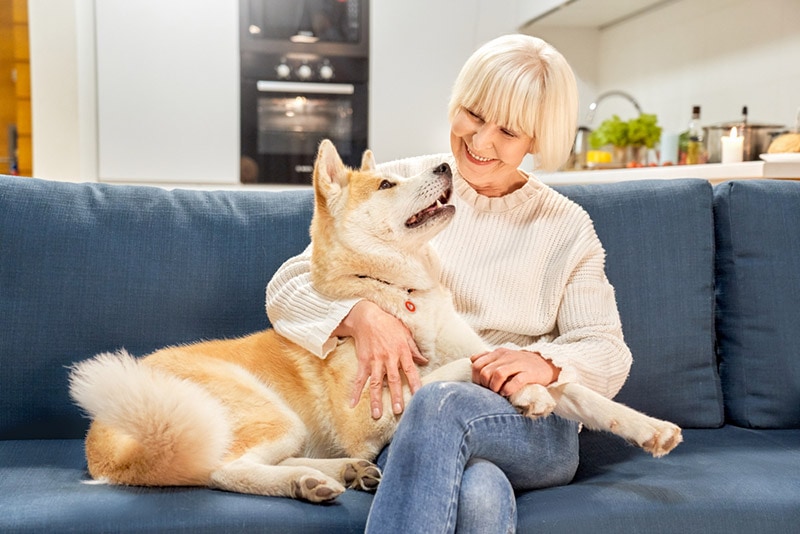
Akitas requires a minimum of two hours of exercise daily to stay happy and healthy. They love going on adventures with their humans and enjoy going for walks and runs. They do well with families that can provide a large and secure yard to help them meet their daily exercise requirements.
Training
Training is non-negotiable when it comes to Akita ownership. Thankfully, this breed is highly intelligent and generally responds well to training because, without it, they can become very destructive. However, it is important to know that the Akita’s independent streak can make training challenging. You must proceed with patience and consistency when engaging in your training sessions.
The Akita’s strong guarding instinct, coupled with their size and strength, means that early socialization is key to having a well-rounded pup.
Health & Care
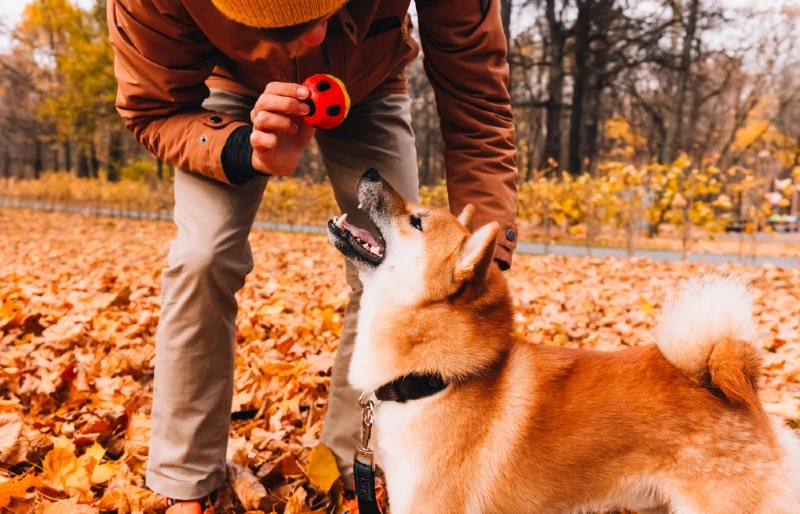
While the Akita is typically a healthy and hardy breed with a lifespan of around 10 to 12 years, they may be prone to some health conditions.
Hip dysplasia is an orthopedic condition commonly seen in larger dog breeds. It affects the hip joints and may cause limping. Some dogs may require surgery to correct the issues caused by this condition, but this is only done in severe cases when the veterinarian believes the benefits of surgery (better mobility) outweigh the risks.
Hypothyroidism occurs when the body doesn’t produce enough of the thyroid hormone and is another condition commonly seen in Akitas.
Gastric dilatation volvulus (GDV), also sometimes called ‘bloat’, occurs when the stomach twists on itself and cuts off blood supply to other organs. This life-threatening condition is seen in deep-chested large dog breeds such as the Akita. Some vets recommend the gastropexy procedure to prevent GDV.
Suitable For:
Though Akitas are highly affectionate and playful with their family members, they are best suited in one-dog households. Their large size and strength can make them difficult to control, so they need an owner willing to put in the effort to train and socialize them at a young age. Because they have such high exercise requirements, Akitas are best suited for active families.

Alaskan Malamute Overview
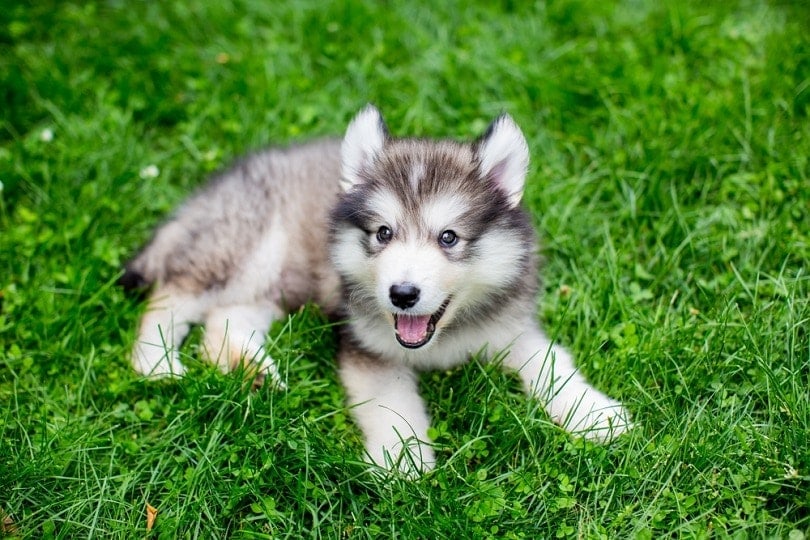
The Alaskan Malamute was originally bred for strength and endurance as they were used in countless ways. They worked alongside the Mahlemut tribe in Alaska, where they were relied upon to do some pretty serious work, including hauling freights on sleds, hunting seals, and scaring polar bears. They were especially prized during the Gold Rush in the late 1800s because of their reliability and hardworking nature.
Personality / Character
Alaskan Malamutes are a gregarious and loving breed that grows fond of their humans. They are very playful and friendly and tend to look at all people (even strangers) as friends. This pleasant temperament does make them unsuitable as watchdogs, but their unwavering loyalty toward their humans makes them fantastic family dogs.
Alaskan Malamutes can be dominant toward dogs of the same sex. Still, with a proper introductory period, socialization, and training, they can learn to get along well with other household pets.
Exercise
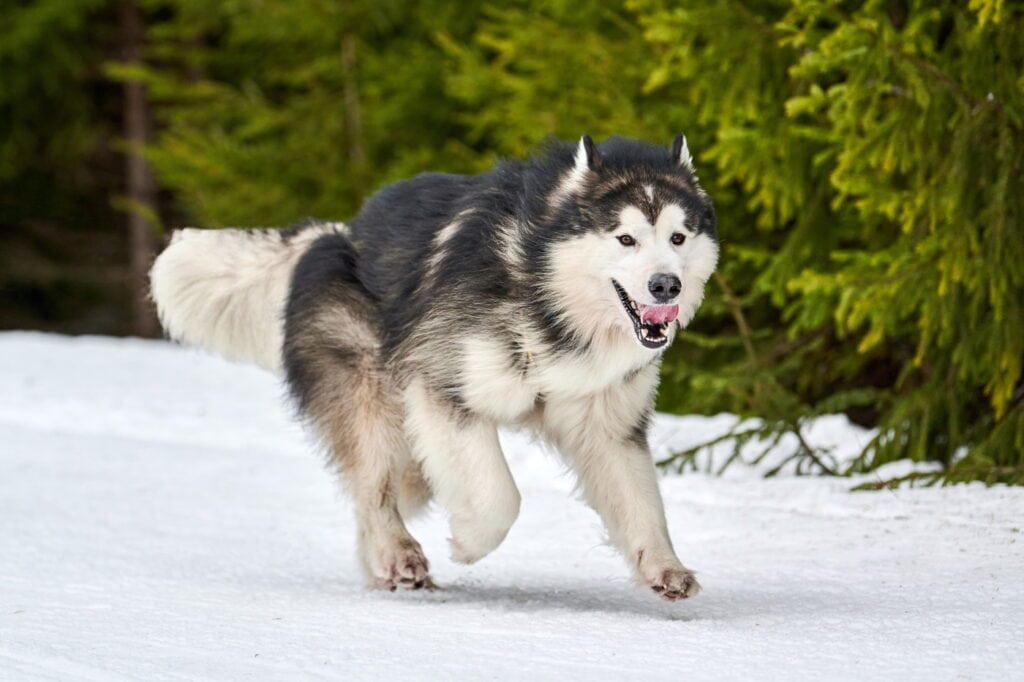
Alaskan Malamutes need a lot of exercise to stay happy and healthy. We’re talking at least two hours a day, minimum. Remember, their ancestors pulled heavy sleds in the snow for generations. You don’t need to buy a sled for your pup, but daily walks—or better yet, runs—are great to keep this energetic breed satisfied. If you’re an avid outdoors person yourself, there are plenty of exhilarating outdoor activities you can do with your pup during the winter. Some of our favorites are skijoring, tracking, and, of course, pulling sleds.
Training
Alaskan Malamutes are born and bred pack animals, but in your family unit, you must be the leader. If your pup doesn’t respect you, they will own you. They are highly intelligent dogs that do well with training when provided with plenty of positive reinforcement. However, they can be too smart for their good, which can make your training sessions a little challenging. Your dog may hear and understand the commands you’re giving them but choose to outright refuse to follow the command if they don’t feel up to it. You’ll need a firm hand and lots of patience during your training sessions, but the result will be a dog that listens to you, respects you, and looks to you as the leader of his pack.
Health & Care
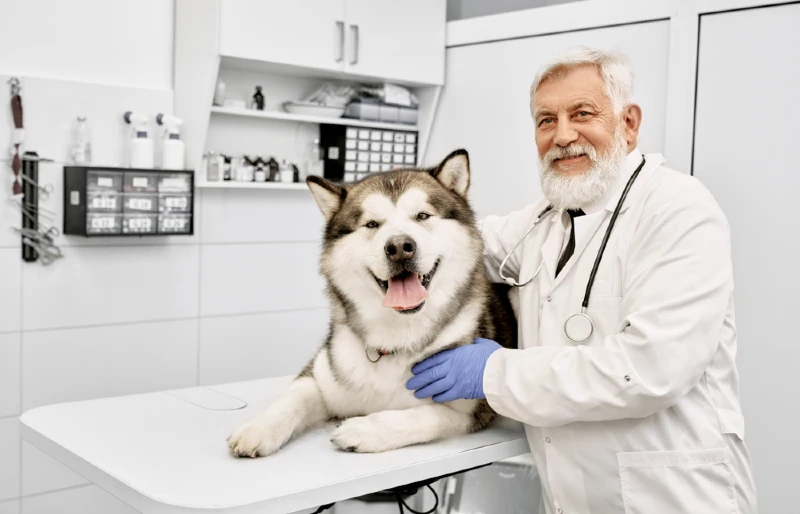
Alaskan Malamutes are generally healthy dogs with a relatively long lifespan of 10 to 14 years. However, as with most breeds, they do have some common health conditions they may develop.
Like Akitas, Alaskan Malamutes are prone to hip dysplasia and hypothyroidism. They’re also at risk of developing a genetic disorder known as chondrodysplasia. This condition is marked by limb deformities that result in “dwarf puppies.” Luckily, responsible breeders will have their dogs tested before breeding to ensure their puppies won’t be born this way. They can also develop polyneuropathy, a disorder that affects the nervous system and can result in falls, abnormal gait, and loss of muscle mass.
Suitable For:
Alaskan Malamutes make great family pets as they are comfortable and do well with children. It is important to remember, however, that these are large dogs that can easily overwhelm young kids. They do best in households with active families willing to take them outside, especially during the winter months, to get their required physical activity in.

Which Breed Is Right for You?
The Alaskan Malamute and Akita share many of the same qualities. They’re both energetic and active dogs that require at least two hours of exercise daily due to their working dog background. Both dogs do best in households with active people who love spending time outdoors.
Alaskan Malamutes tend to be easiergoing than their Akita counterparts as they’re friendly with everyone and happy to meet strangers. They can get along well with other dogs thanks to their social nature; however, they may be dominant toward dogs of the same sex. Akitas are the ultimate guardians and protectors, so they tend to be wary of strangers and generally do not get along well with other household pets.
It is hard for us to tell you which breed is right for you. You’ll need to consider your lifestyle before choosing. Are you able and willing to spend two hours a day exercising your dog? Do you have children in the home? What about other pets? How much experience do you have with training and socializing dogs? Doing a deep dive into your expectations, lifestyle, and experience can provide insight into which breed will be best for your needs.
Featured Image Credit: Left - Till Daling, Pexels | Right - Charlotte Rush, Unsplash
Get Hepper In Your Inbox


Pet care tips from our vets and experts, straight to your inbox.
You may opt-out at any time. View our Privacy Policy for more information.

Chantelle's life revolves around two passions: writing and animals. Raised on the prairies of Canada amidst a menagerie of pets, she now lives with five cats, two guinea pigs, and a bearded dragon. Together with her husband and child, Chantelle delights in being an exemplary animal parent, going as far as installing wall-mounted cat shelves to give their cats an indoor playground. When she's not cozying up with her cats or snapping their amusing antics, she enjoys venturing into the Rocky Mountains, binge-watching her favorite Netflix shows, and indulging in spontaneous reading adventures.
Join the conversation
Ask a question, share your story, or send private feedback.