Hepper is reader-supported. When you buy via links on our site, we may earn an affiliate commission at no cost to you. Learn more.
Egg Allergy in Dogs: Vet Reviewed Signs, Causes & Treatments

In this article
Most pet parents are likely familiar with the uncomfortableness of allergies, perhaps suffering from allergies themselves or knowing another who does. Dogs, just like people, can and do suffer from a vast range of allergies, with different food ingredients being one such trigger. Although food allergies are seen less than environmental allergies, they can occur at age in any breed even if they have eaten that particular food before and been completely fine with it prior.
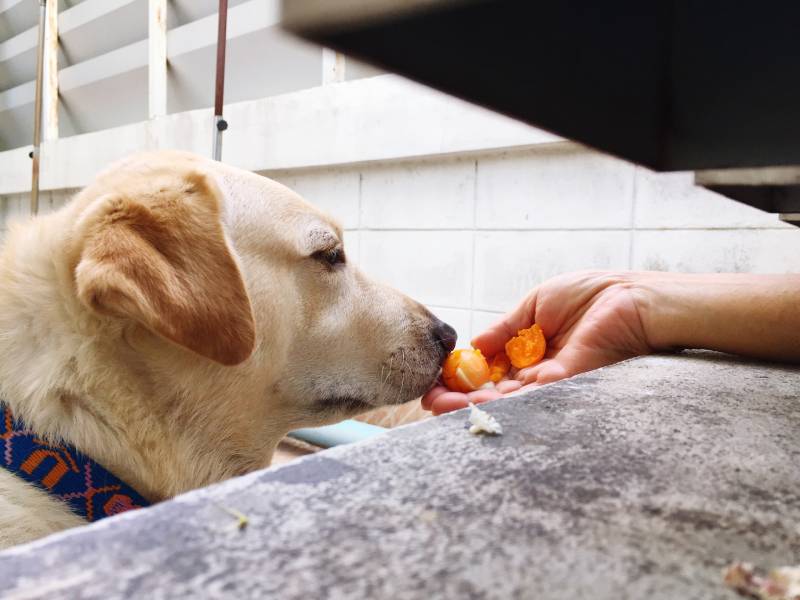
Eggs are a common ingredient used in many diets and treats or in home-cooked food that may be offered to dogs, but unfortunately, this relatively popular food ingredient can cause allergies and one study showed it affected 4% of dogs who had adverse food reactions. So, what is an allergy to eggs, and how can we best look after our dogs if they have an allergy to eggs?

What Is an Egg Allergy?
An egg allergy means your dog has developed a negative immune response towards, most likely, the protein in eggs. Certain food proteins—for reasons that can be a mystery—cause your dog’s immune system to mistake the protein as a threat. The system, therefore, initiates defensive antibodies to rid the body of this protein that it believes (wrongly) is harmful.
In turn, this produces a bunch of unpleasant problems and issues that your dog begins to experience. These will continue for as long as the egg is still part of their diet or treats fed to them.
What Are the Signs of Egg Allergy in Dogs?
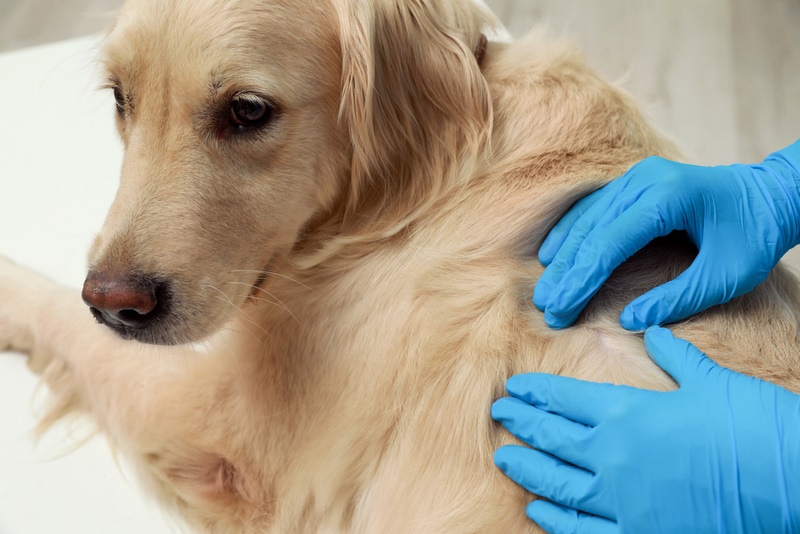
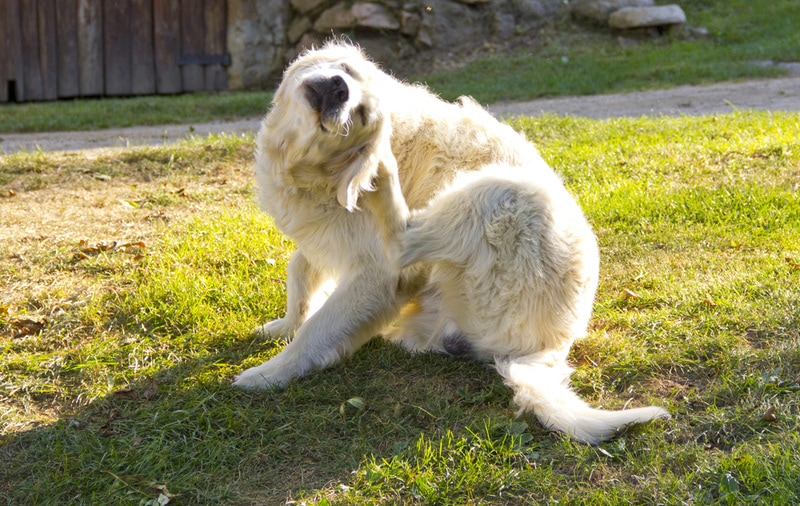
Signs of food allergies all tend to follow the same pattern despite the source of the individual food causing the reaction. If any of these signs are noticed, or they suddenly begin to occur, be sure to have your dog checked over by your veterinarian. They may show only one of these or a few.
- Itchy Skin (pruritus)
- Licking/chewing paws
- Rubbing face
- Compulsive licking
- Bald or thinning patches of hair
- Pink/red skin, especially in the groin, armpit areas, and paws
- Skin rashes and infections
- Ear infections
- Hives
- Diarrhea
- Gas and/or bloating
- Abdominal pain or discomfort
- Vomiting
- Weight loss
- Lethargy
What Are the Causes of Egg Allergies?
The most common cause of food allergies is the protein portion of the food itself, especially the proteins found in dairy, beef, chicken, soy, wheat, and eggs. Occasionally, it can be additives causing the allergic response. Either way, the body produces an abundance of antibodies, as it believes the protein source or additive is a foreign body and harmful to the system, so it begins to attack it.
It would not be unusual for your dog to develop an egg allergy later in life, as sometimes, food allergies can take months or years to appear. Once an allergy is diagnosed and is present it is likely that the specific food, in this case eggs, will always cause a negative response for your dog, unfortunately.
How Is an Egg Allergy Diagnosed in Dogs?
Diagnosing a food allergy can be a tricky and time consuming process, and does require some patience. As the signs and symptoms displayed by food allergies can also be caused by various other health concerns, your veterinarian will take a broad approach and first rule out any other health issues, such as gastrointestinal conditions, or parasitic skin diseases. If those results are all negative, your vet may discuss an elimination diet trial with you.
Food trials should be done under the direction of your vet and involve feeding a specific diet for at least 8 weeks, with no other treats, other foods, or even flavored medication in that time. Either a diet containing a novel protein (one your dog has never had before), or a prescription hydrolyzed diet is used. Hydrolyzed diets have their proteins broken down to a small size which is not recognized by the immune system and so doesn’t trigger a reaction.
Testing for food allergies via blood tests is commercially available, but unfortunately are not considered to be accurate.

How Do I Care for a Dog With an Egg Allergy?
While there is no cure or magic pill for egg allergies, caring for your dog now that you know they have the allergy is relatively easy. Obtaining the diagnosis is the most difficult and frustrating part, but it all becomes a lot easier and smoother when you know the cause of the problem.
If the allergy is not treated or ignored, then yes, more serious problems for your dog can occur over time. If the allergy is managed well, your dog (and you) will live, for the most part, a normal life. Flare-ups generally happen periodically. For example, their skin may suddenly become itchy. Any flare-ups, irrespective of which signs it produces, can usually be treated with medication prescribed by your veterinarian.
You will likely be advised to change to a suitable diet to feed your dog, meaning one that doesn’t contain eggs. Egg is one of the simpler ingredients to spot in food, and it will be listed on the ingredients list.
Other ways to help:
Frequently Asked Questions
Does an Allergy to Chicken Mean an Allergy to Eggs as Well?
Due to the proteins in the meat of chicken being very different from those proteins found in eggs, an allergy to chicken does not automatically mean an allergy to eggs either. Food allergies to chicken are more common than those to eggs.

What Is the Difference Between a Food Intolerance and a Food Allergy?
A food intolerance is an adverse food reaction where the immune system is not involved. For example, lactose intolerance causes abdominal discomfort and diarrhea and is due to a lack of lactase enzyme.
An allergy is an immune response by the body. The body essentially mistakes the said food substance as being a harmful substance, and the body is subsequently triggered into producing defensive antibodies against the said food. Proteins such as chicken and dairy are common examples of foods causing allergies.
In many cases distinguishing between allergies and intolerances can be very difficult with the signs, diagnosis, and treatment options similar.
Can You Cure a Food Allergy?
Unfortunately, no. However, in the future, veterinary medicine could potentially evolve enough to develop a cure, but for now, food allergies can be well maintained with a proper and correct diet.

Conclusion
Allergies have unfortunately become a part of modern times both for humans and pets. In dogs, food allergies most commonly cause signs affecting the skin and/or GI tract and vary in severity. Diagnosis involves an elimination diet trial but fortunately, diet ranges, treatment options, and choices have improved over the years. It is important to seek a diagnosis out, and once a plan is in place, you will find life for your dog becomes easier and more comfortable.
See Also:
Sources
Get Hepper In Your Inbox


Pet care tips from our vets and experts, straight to your inbox.
You may opt-out at any time. View our Privacy Policy for more information.
Annaliese began her career as a veterinary nurse in Edinburgh, later advancing her qualifications with a diploma in advanced veterinary nursing in surgery from London. Her work in small and mixed veterinary practices led her to become a head nurse, where she trained other veterinary nurses, managed the nursing department, conducted nurse clinics, and developed new patient care protocols.
Throughout her career, Annaliese has cared for thousands of patients and their owners, setting higher standards in nursing regimes with a focus on surgery and anesthesia. She co-authored multiple veterinary nursing textbooks and contributed to various mainstream publications in the UK and USA. After more than twenty years in the veterinary and pet care professions, she retired from clinical practice to pursue full-time writing. Having cared for thousands of patients and owners, Annaliese specialized in surgery and anesthesia. She was asked to co-author several veterinary nursing textbooks and contributed to a number of other publications in the UK and USA. After more than two decades in the veterinary and pet care industries, she retired her scrub suit and now works as a full-time writer.
Annaliese Morgan has been a dedicated veterinary nurse for over two decades, having completed a diploma in advanced veterinary nursing in surgery from London and qualifying from Edinburgh. Her professional experience includes managing a nursing department, training other veterinary nurses, providing patient care, and running nurse clinics in both small and mixed veterinary practices.
As an expert in surgery and anesthesia, Annaliese has treated thousands of patients and owners. In addition to being asked to co-author multiple veterinary nursing textbooks, she has written for a variety of publications in the UK and USA. After a long and successful career in the veterinary and pet care professions, Annaliese now dedicates her time to writing full-time. You can find out more about her work at www.annaliesemorgan.com.
Join the conversation
Ask a question, share your story, or send private feedback.