Hepper is reader-supported. When you buy via links on our site, we may earn an affiliate commission at no cost to you. Learn more.
Can Dogs Be Allergic to Peanut Butter? Vet-Verified Allergy Signs & FAQ
In this article
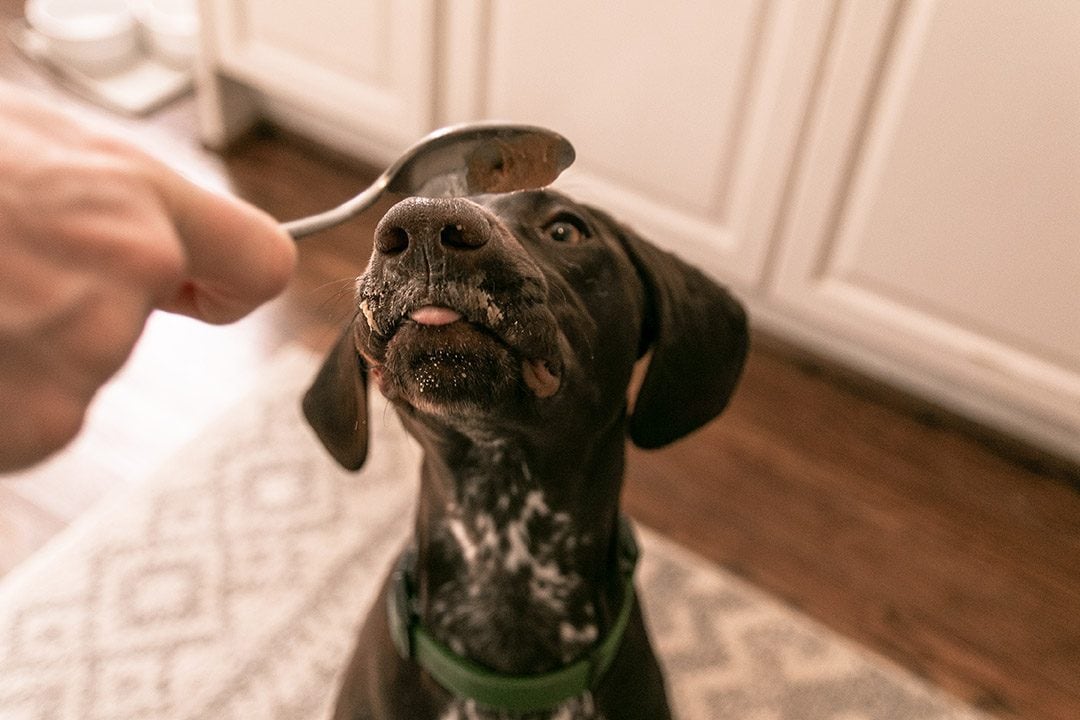
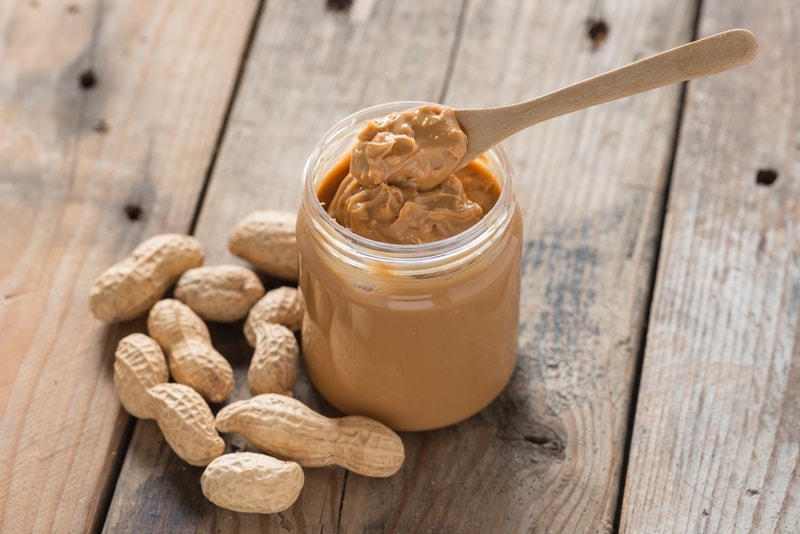
Peanut butter has helped many a pill go down a little more smoothly, making it a lifesaver for dog parents, and is one of those occasional indulgences most dogs love to lick off a spoon or out of a treat-hiding toy. All that said, is it possible that this much-loved treat could dogs be problematic for some dogs? The answer is yes. Unfortunately, some dogs are purportedly allergic to peanuts, and therefore peanut butter.
In this post, we’ll share important information about potential peanut butter allergies in dogs, including the warning signs to look out for.

Can Dogs Eat Peanut Butter?
The majority of healthy dogs can eat a little peanut butter as a treat on an occasional basis as long as it doesn’t contain xylitol, which is commonly included in human foods as an artificial sweetener. Xylitol is toxic to dogs, so foods containing it should be avoided at all costs. Peanut butter with chocolate is also a massive no-no.
It’s best to offer unsalted or homemade peanut butter, as this is a little healthier for your dog. Bear in mind that too much peanut butter can lead to weight gain, so it really should only be offered in small amounts.
In addition, peanut butter may not be a good choice for dogs with certain health conditions requiring them to stay away from high-fat treats, so check with your vet first if your dog has a health issue. Examples include dogs with weight issues, a history of pancreatitis, or dogs on special prescription diets.
Peanut butter is a popular choice of food to hide pills inside for dogs on medication or to stuff toys (like Kong toys) with. Unfortunately, not every dog can enjoy this creamy, nutty snack due to potential allergies, which show up in a number of ways.
Signs of a Peanut Butter Allergy
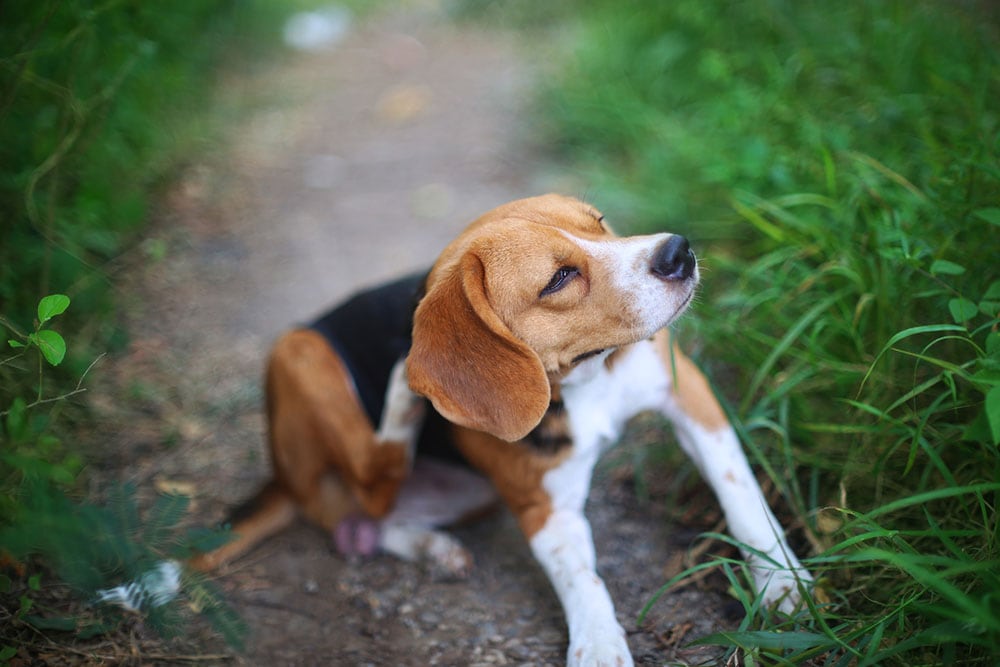
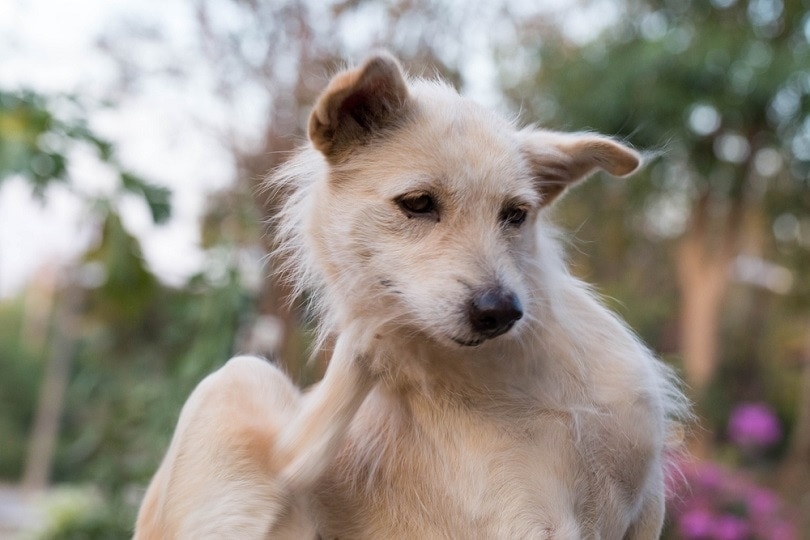
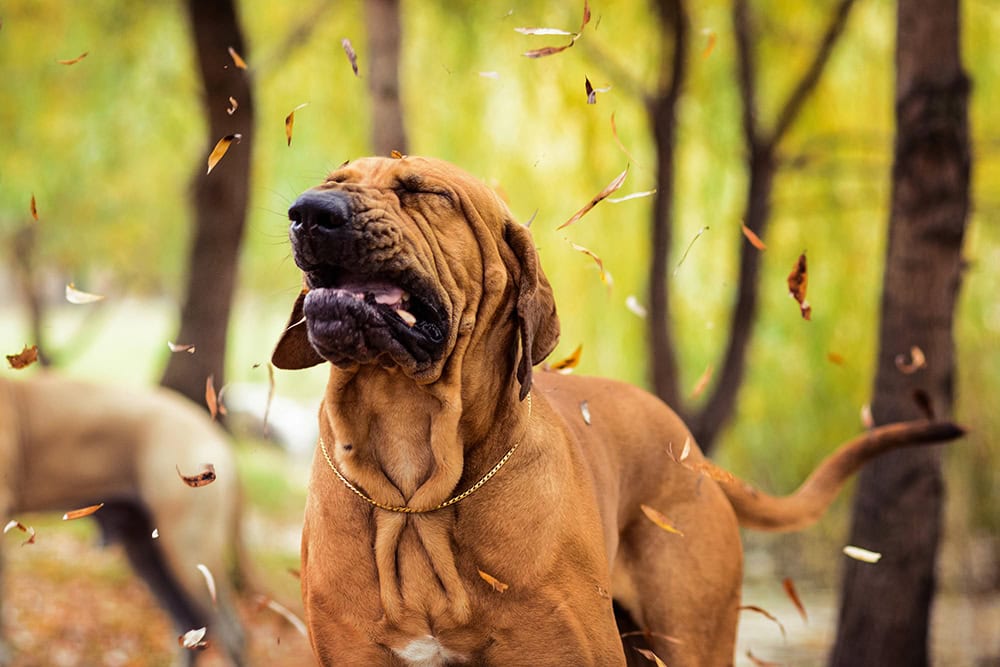
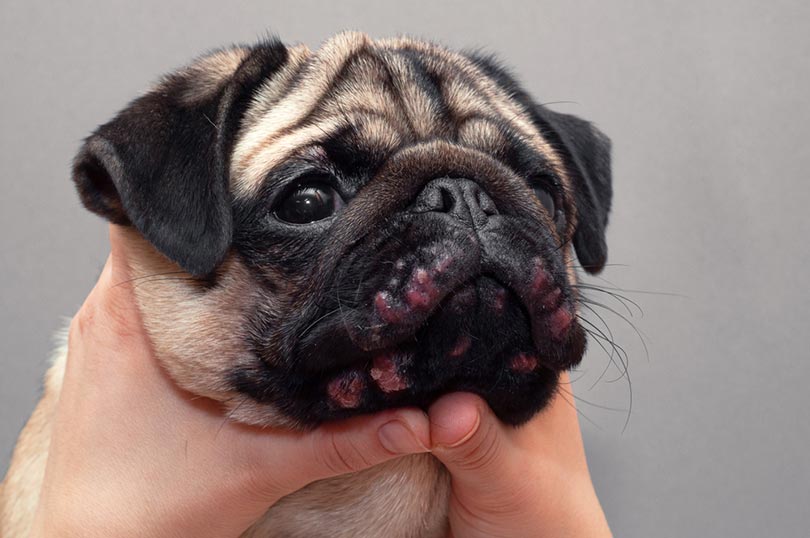
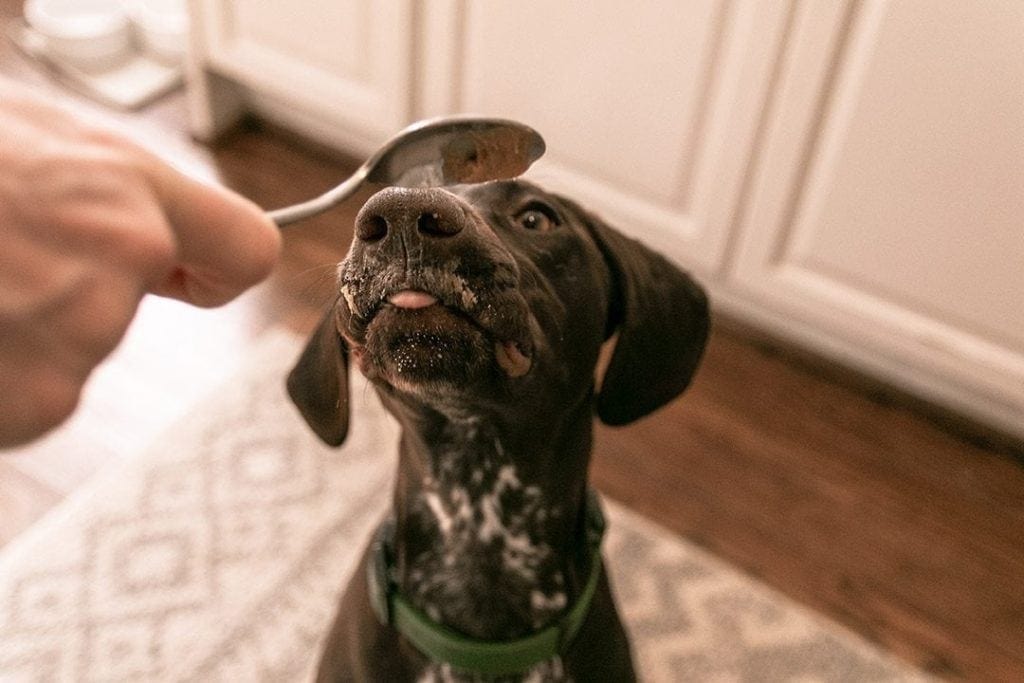
Dogs with an allergy to peanuts or peanut butter have not been well-described in the literature, but can potentially display a number of symptoms. In rare cases, an allergy can cause a dog to go into anaphylactic shock, which is an emergency.
Regardless, please contact your vet straight away if you notice any of the following allergy symptoms:
What Causes Food Allergies in Dogs?
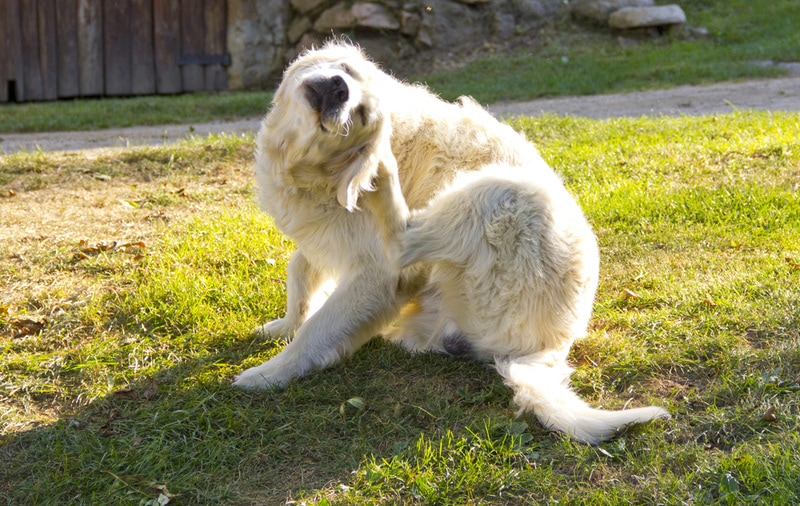
Allergic reactions occur when the immune system overreacts to a certain type of food (or another type of allergen) that non-allergic dogs can eat without any problems. The dog’s immune system goes into protection mode, which results in the release of histamine, which causes physical symptoms like itchy skin, redness, and swelling to develop.
Common food allergy triggers are protein sources, including chicken, beef, dairy, chicken eggs, wheat gluten, and soy, though dogs can certainly be allergic to other foods, too.
Can a Peanut Butter Allergy Be Treated?
Allergies generally can’t be cured, but they can be managed. Treatment can involve taking away the allergen (in this case, peanut butter) and treating the physical symptoms already present. Alternatively, treatment may also focus on decreasing sensitivity to an individual’s allergic triggers.
If your vet suspects that an allergic reaction is indeed the root of your dog’s physical symptoms, they may perform some tests and prescribe oral allergy medications or a cream to soothe the sore, itchy skin. That said, identifying allergy triggers can be time-consuming; testing can’t always pin down the cause, and elimination diets are often necessary to get a clearer picture of what’s behind the reactions.
Your vet will likely ask you several questions about your dog’s diet and when symptoms occur to try and ascertain the likely trigger. This is why it’s important not to try and treat allergy symptoms without a vet’s guidance. Your dog could be allergic to something other than peanuts or peanut butter and need a different course of treatment. They may even be suffering from another condition entirely. Always consult your vet if you spot allergy symptoms.
Conclusion
While meat, dairy products, wheat, and soy are among the most common allergy triggers in dogs, they can also be allergic to other foods, including peanut butter. If you suspect that your dog has a peanut butter allergy, stop feeding it to them and consult your vet for advice. In rare cases, allergies can develop into anaphylaxis, so it’s always best to err on the side of caution.
See Also:
Egg Allergy in Dogs: Vet Reviewed Signs, Causes & Treatments
Can Dogs Be Allergic to Gluten? Vet-Reviewed Signs & Diagnosis
Sources
https://www.bluecross.org.uk/advice/dog/food-and-weight/can-dogs-eat-peanut-butter
https://wagwalking.com/condition/peanut-butter-allergies#symptoms
https://www.akc.org/expert-advice/nutrition/can-dogs-eat-peanut-butter/
https://vcahospitals.com/know-your-pet/food-allergies-in-dogs
https://www.akc.org/expert-advice/health/dog-allergies-symptoms-treatment/
Featured Image Credit: inewsfoto, Shutterstock
Get Hepper In Your Inbox


Pet care tips from our vets and experts, straight to your inbox.
You may opt-out at any time. View our Privacy Policy for more information.
Kit Copson is a freelance writer and lifelong animal lover with a strong interest in animal care. She has parented various furry beings over the years and is currently a proud cat mom of two—one skittish but adorable Domestic Shorthair and very chilled (unless hungry) Siamese and a —and dog mom of one—an adopted Bichon Poodle cross. When not writing about or spending time with pets, Kit can be found doodling in her sketchpad, reading, or more often than not, drinking tea.
Join the conversation
Ask a question, share your story, or send private feedback.