Hepper is reader-supported. When you buy via links on our site, we may earn an affiliate commission at no cost to you. Learn more.
Anemia in Dogs: Causes, Signs & Treatments (Vet Answer)

Anemia is a simple word for a complex condition that has many different forms and a multitude of causes. Anemia is when there are not enough red blood cells, or hemoglobin in those cells, which deprives the body of oxygen. Without compensation or treatment, this may lead to tissue damage and, eventually, death.
In order to understand what causes anemia, how it affects the body, and how it can be treated, we must first understand the role of red blood cells and the different types—and subtypes—of anemia. Although many cases of anemia carry a good prognosis when treated, all cases of anemia must be treated urgently, as even mild cases can become life-threatening in a matter of hours.

What Do Red Blood Cells Do?
Inside the blood and bone marrow of all mammalian species, there are cells that each have specific roles in the body.
- White blood cells, called leukocytes, are the cells associated with inflammation and infection.
- Platelets, also known as thrombocytes, are responsible for primary clotting.
- Red blood cells are also known as erythrocytes. They contain a protein called hemoglobin, and it is this protein that is responsible for transporting oxygen around the body, and it is what makes blood appear red.
Arteries carry bright red, oxygenated blood away from the heart towards all the other organ systems, and veins bring the darker, deoxygenated red blood cells back to the heart so they can pick up more oxygen from the lungs, and so the cycle repeats. Without enough hemoglobin or red blood cells, as is the case with anemia, the organs become starved of oxygen and can fail to function.
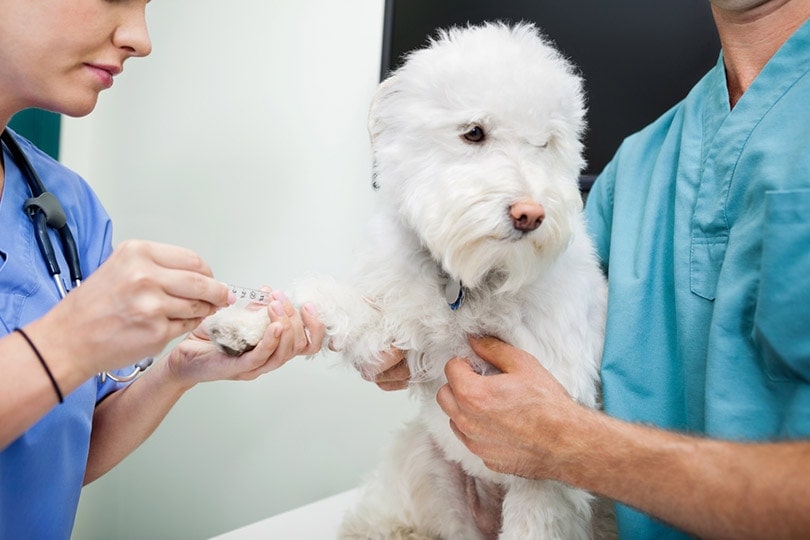
What Is Anemia & Types of Anemia in Dogs
Anemia emerges in different ways, and in order to reach a diagnosis and treatment plan, it is essential to identify how and why your dog has become anemic.
Let’s break this down into three basic concepts:
The first two are generally categorized as regenerative anemia because, as the name suggests, the body is able to restore or replenish the lost or damaged cells. The third is also known as non-regenerative anemia because it results from a disease that affects the production of new cells or hemoglobin.
Regenerative Anemia (Loss or Destruction)
We see regenerative anemia when the cells are being lost from the system, either through destruction or hemorrhage, but the bone marrow is able to produce more red blood cells to replace them. In dogs, there are two main causes of regenerative anemia: hemolytic anemia and blood loss (hemorrhage) anemia.
Hemolytic Anemia
Hemolysis is the destruction of red blood cells, and this can happen in a number of ways:
- Immune-Mediated Hemolytic Anemia (IMHA): the body’s own immune system attacks and destroys the red blood cells
- Toxins (drugs, plants, chemicals)
- Intracellular infections (eg. Babesia, Ehrlichia)
- Tumors: red blood cells are damaged as they pass through abnormal microvessels in internal tumors.
Blood Loss Anemia
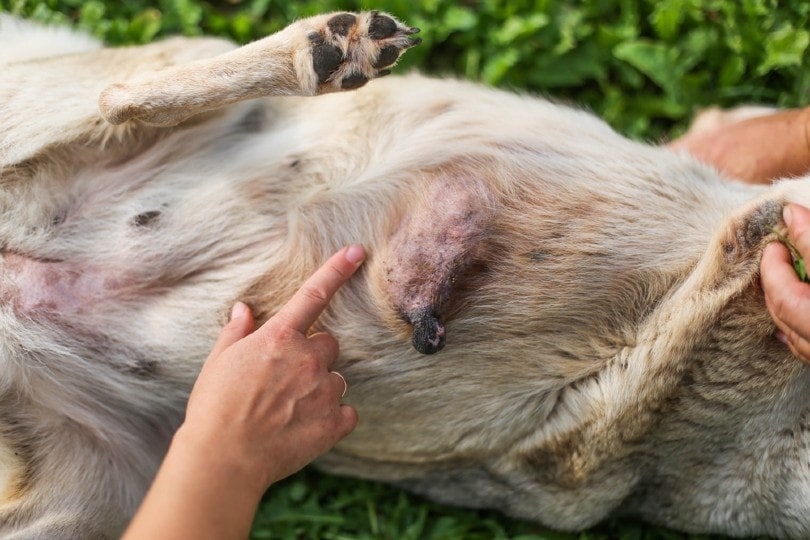
This is the only type of anemia in dogs that involves the loss of blood volume. In all other types, it is only the red blood cells or hemoglobin that is lost or destroyed, but the actual blood volume stays the same. Blood loss can occur externally (cuts, trauma, etc.), or internally (trauma, tumor, etc.). Splenic masses are the most commonly encountered abdominal tumor to cause internal hemorrhage, and of these, around 30% are benign.
Chronic, low-level external blood loss (e.g., bleeding from the gastrointestinal tract) can eventually lead to non-regenerative anemia through a depletion in iron levels.
Dogs that have a clotting disorder (coagulopathy) are likely to experience spontaneous hemorrhage, which will lead to anemia. In dogs, the most common causes of clotting disorders are:
- Genetic (e.g., von Willebrand's disease)
- Ingestion of a toxin (e.g., rodenticide poisoning)
- Immune-mediated thrombocytopenia (IMTP): similar to IMHA, the immune system attacks its own platelets, leading to hemorrhage. Sometimes, IMHA and IMTP can occur together, known as Evan’s Syndrome, which is severely life-threatening.
Non-regenerative Anemia (Decreased Production)
This form of anemia occurs when the body is unable to replenish its own red blood cells due to damaged or malfunctioning bone marrow (where red blood cells are produced) or organs involved in the production of red blood cells, like the kidneys. Red blood cells normally last around 120 days before they die off, so if the bone marrow is unable to adequately produce new cells, severe anemia can occur in a matter of weeks or months. In dogs, non-regenerative anemia can be caused by:
- Iron deficiency: iron is essential for the production of hemoglobin, and without it, red blood cells cannot carry oxygen around the body. In dogs, the most common reasons for iron deficiency are:
- Bone marrow neoplasia (cancer): leukemia is uncommon in dogs but can occur and directly affects the production of red blood cells in the bone marrow.
- Chronic illness
- Toxins or infections
- Nutritional deficiencies
How Is Anemia Diagnosed?
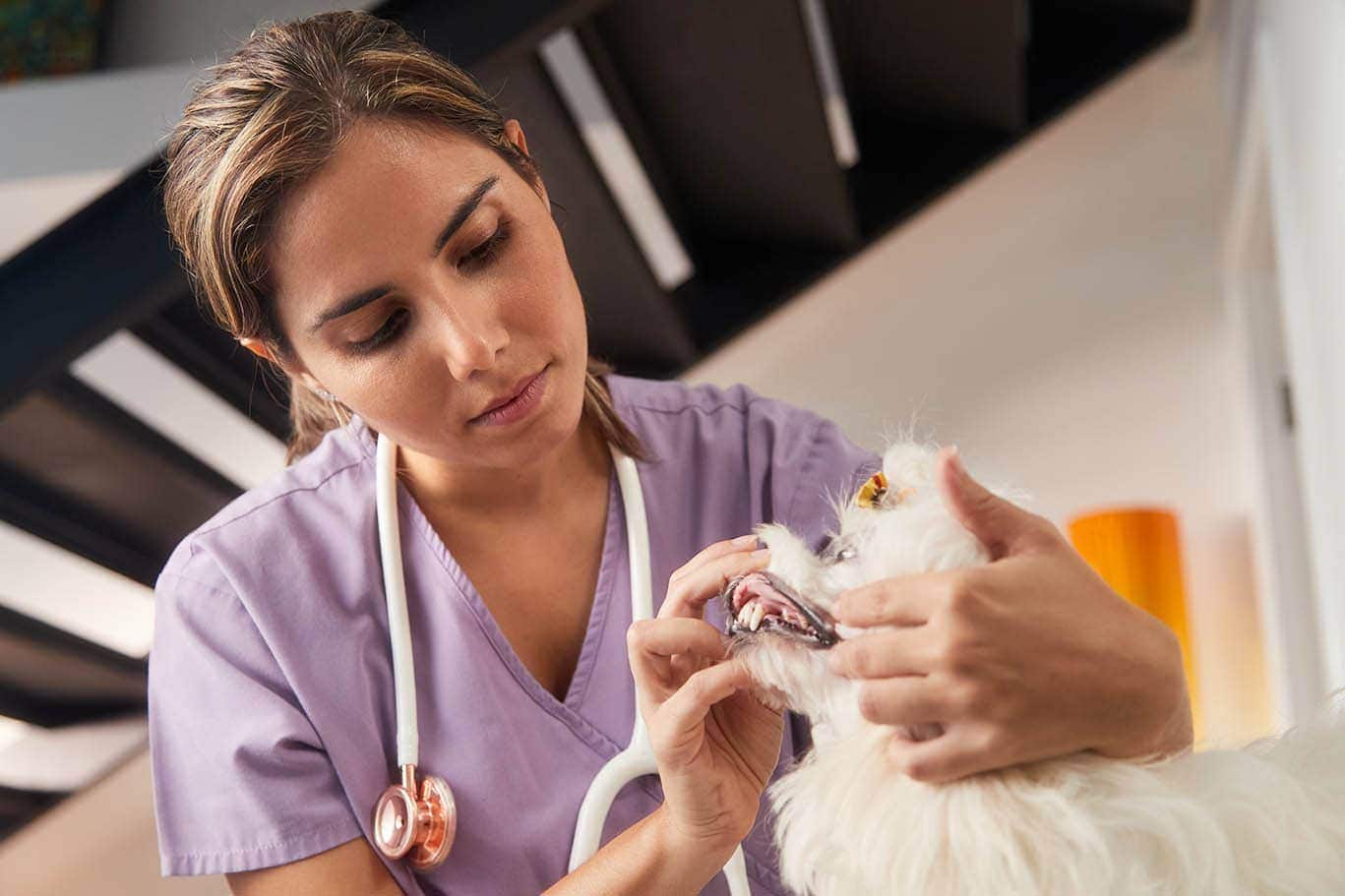
The diagnosis of anemia is relatively straightforward and is based on clinical exams and basic blood work. Determining the type and cause of the anemia usually involves a more in-depth investigation. As with most diagnostic workups, the history is extremely important; even the slightest change could be helpful for diagnosis, so never leave anything out.
What Are the Signs of Anemia
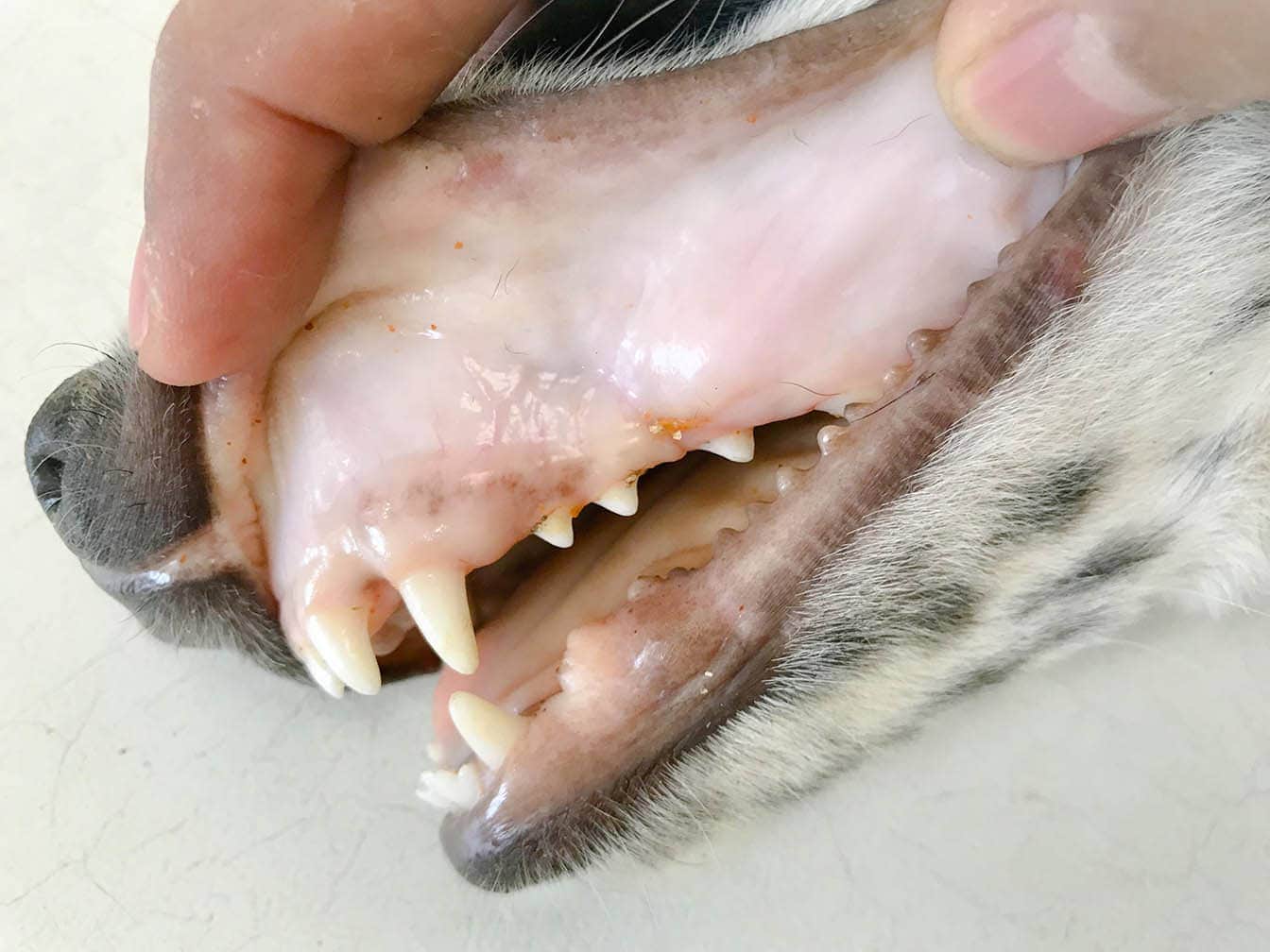
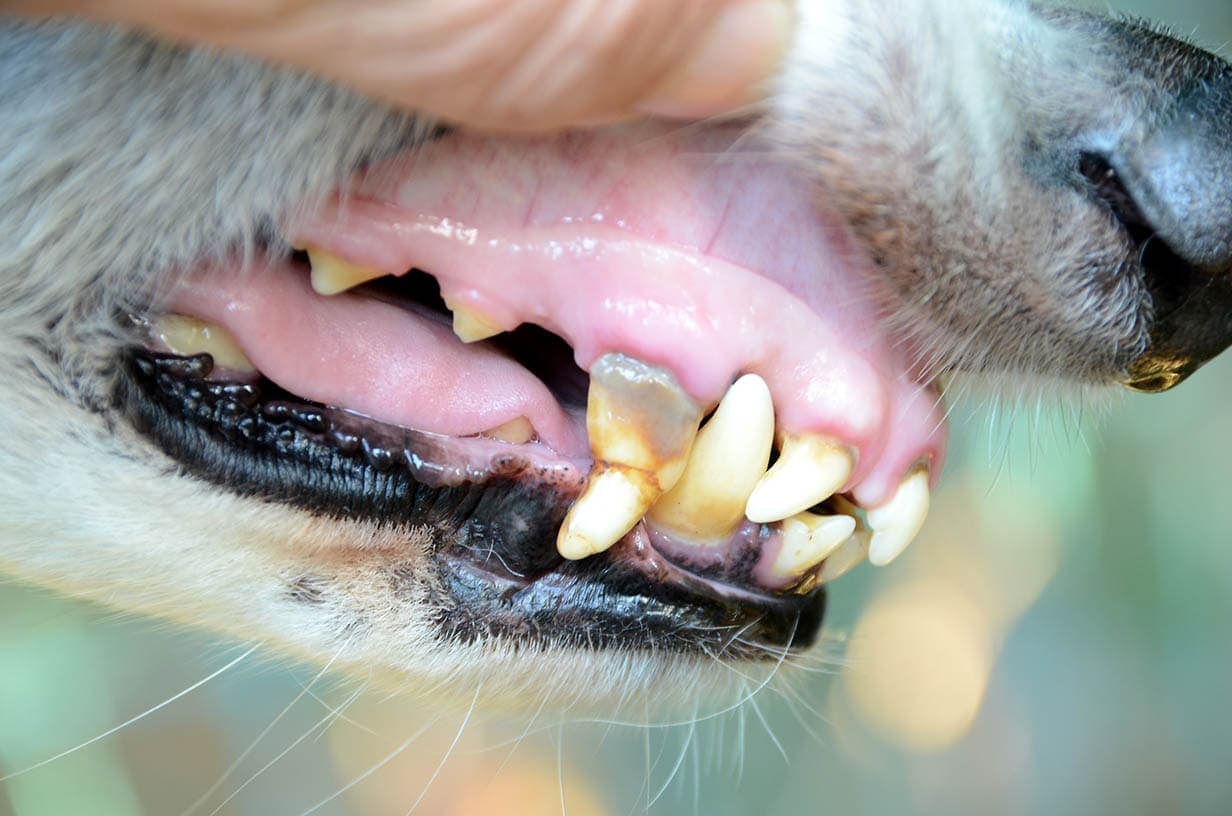
- Pale mucous membranes
- Jaundice
- Rapid heart rate, sometimes with a murmur
- Rapid, shallow breathing
- Lethargy
- Weakness or collapse
- Dark/black feces
How to Treat a Pet With Anemia
The good news is that most cases of anemia can be treated once the cause has been found. Examples of anemia treatment or management include:
- Identifying and stopping sources of blood loss
- Blood transfusion for severe anemia
- Immunosuppressive medications for IMHA (corticosteroids, Azathioprine)
- Supplementation or diet adjustment for iron deficiency anemia
- Management of gastric ulceration or intestinal inflammation in cases of chronic gastrointestinal blood loss
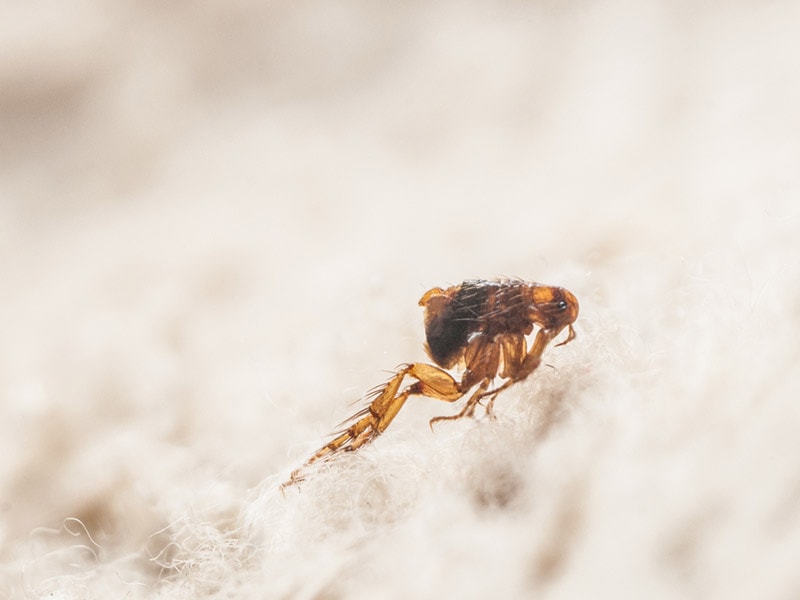
- Anti-parasitic treatment in the cases of intestinal worms or fleas
- Surgical removal of tumors
- Management of renal dysfunction
- Treatment of Hypothyroidism with Thyroxine

Conclusion
Anemia in dogs is a condition that occurs for a myriad of reasons. This is down to the fact that anemia is not a disease or disorder itself, but a clinical sign of a huge range of diseases, disorders, injuries, or toxins. By identifying the type of anemia affecting your dog, we can diagnose the problem that is causing it.
In most cases, once the underlying condition is found and treated, the anemia usually resolves. However, there are some more sinister diseases that cause anemia in dogs that do not have such a positive prognosis. Treating anemia is very much dependent on the cause and may involve immunosuppressive medication, surgery, diet changes, medical management, and even radiation therapy.
If you have any suspicion that your dog could be anemic, seek veterinary advice as a matter of urgency. When it comes to anemia, hours can sometimes determine the outcome for your dog.
Related Read: How to Treat Anemia in Dogs: Safe Methods (Vet Answer)
Sources
Featured Image Credit: Kim Christensen, Shutterstock
Get Hepper In Your Inbox


Pet care tips from our vets and experts, straight to your inbox.
You may opt-out at any time. View our Privacy Policy for more information.
Karyn has lived in the UK for the past 10 years after moving from Queensland, Australia. In 2010, she graduated from The University of Queensland School of Veterinary Science, and also holds a Bachelor’s degree in Zoology. Karyn is passionate about using evidence, experience, and owner collaboration to provide the best solutions for pets, and believes in making reliable information about animal health accessible to all. She shares her home with 5 cats, 4 dogs, and 1 husband, and when she is not practising as a veterinary surgeon, she spends her time writing, gardening, and cleaning up pet hair!
Karyn comes from Queensland, Australia, but has lived in the UK for the past 10 years. She is passionate about using evidence, experience, and owner collaboration to provide the best solutions for pets, and believes in making reliable information about animal health accessible to all.
She shares her home with 5 cats, 4 dogs and 1 husband, and when she is not practising as a veterinary surgeon, she spends her time writing, gardening, and cleaning up pet hair!
Education
In 2010, Karyn graduated from The University of Queensland School of Veterinary Science and also holds a Bachelor’s degree in Zoology.
Experience
Dr. Kanowski has worked in small animal practice, both in Australia and the UK, and she will be very happy if she never has to see another post-Brexit Animal Export Certificate again! Karyn has special interests in acupuncture and canine behavior and loves challenging surgical cases.
Join the conversation
Ask a question, share your story, or send private feedback.