Hepper is reader-supported. When you buy via links on our site, we may earn an affiliate commission at no cost to you. Learn more.
Why Is My Dog’s Tongue White? Vet-Verified Facts & Possible Reasons



In this article
You may not think that you can get a lot of information by examining your dog’s tongue. However, the color of your dog’s tongue can tell you a lot about their health. If your dog’s tongue is white, they may be experiencing an emergency health issue, and it’s important to get them to your veterinarian as soon as possible.
Since the color of your dog’s tongue can be a sign of an underlying medical issue, it’s important to be able to differentiate between normal and abnormal coloring. Here’s what you need to know about dogs and tongue colors.

What Does a Healthy Dog Tongue Look Like?
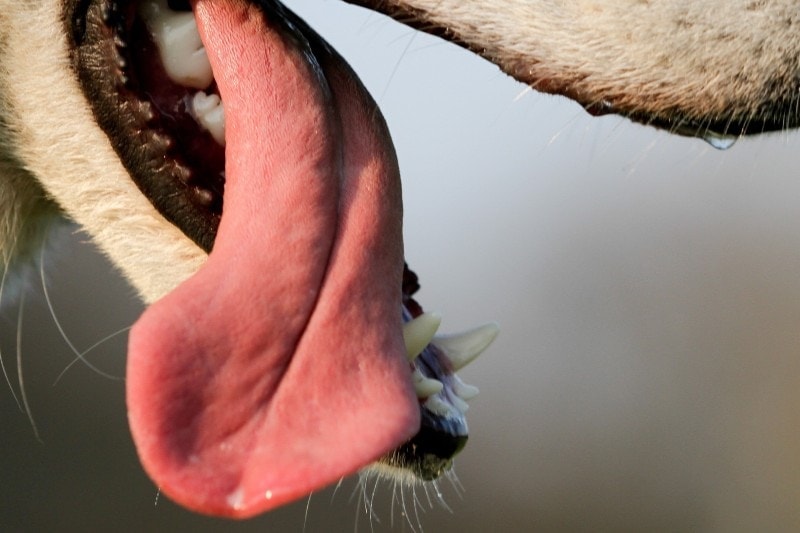
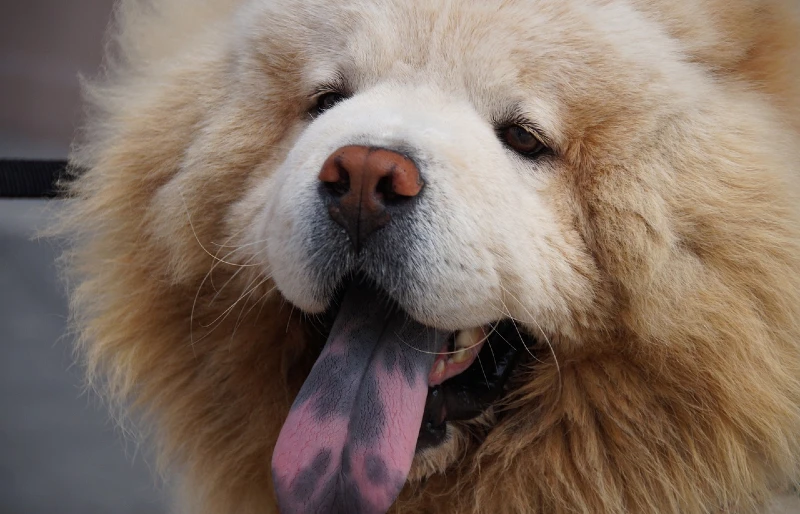
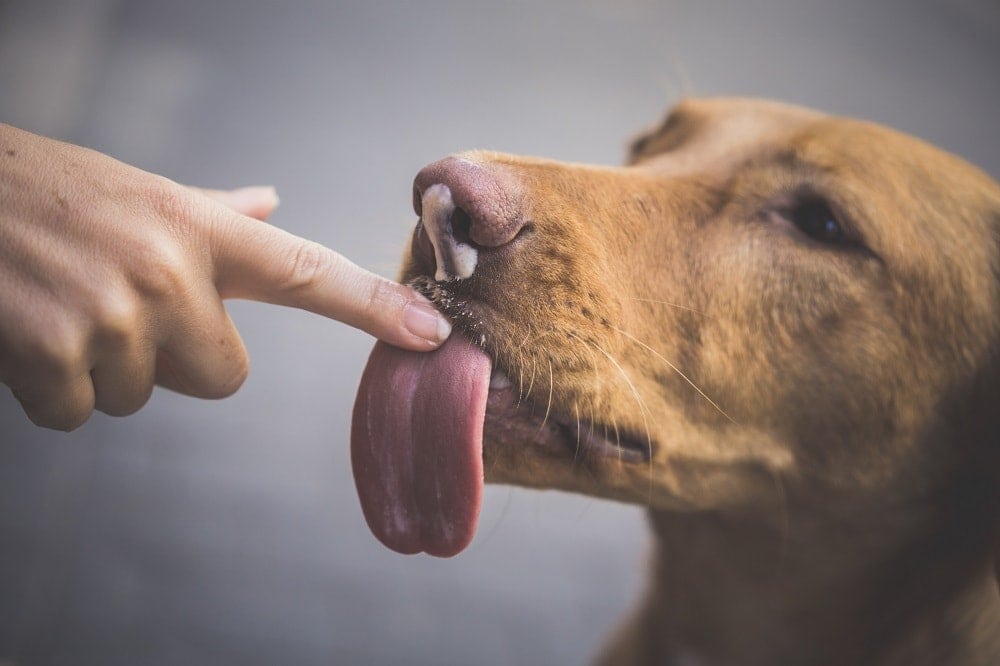
Dog tongues can be solid pink, solid blue-black, or somewhere in between. There are normal variations in coloring and patterns depending on the breed and genetics of the dog. Dog tongues should be moist and warm. With this in mind, it’s important to familiarize yourself with how your dog’s tongue normally looks so that you can more easily recognize when something is wrong.


Why Is My Dog’s Tongue White?
A white tongue usually indicates a serious medical issue with either lack of blood or very poor circulation. It is not normal for a dog’s tongue to be pale or white. So, make sure to contact your veterinarian right away if you see discoloration in your dog’s tongue.
Anemia
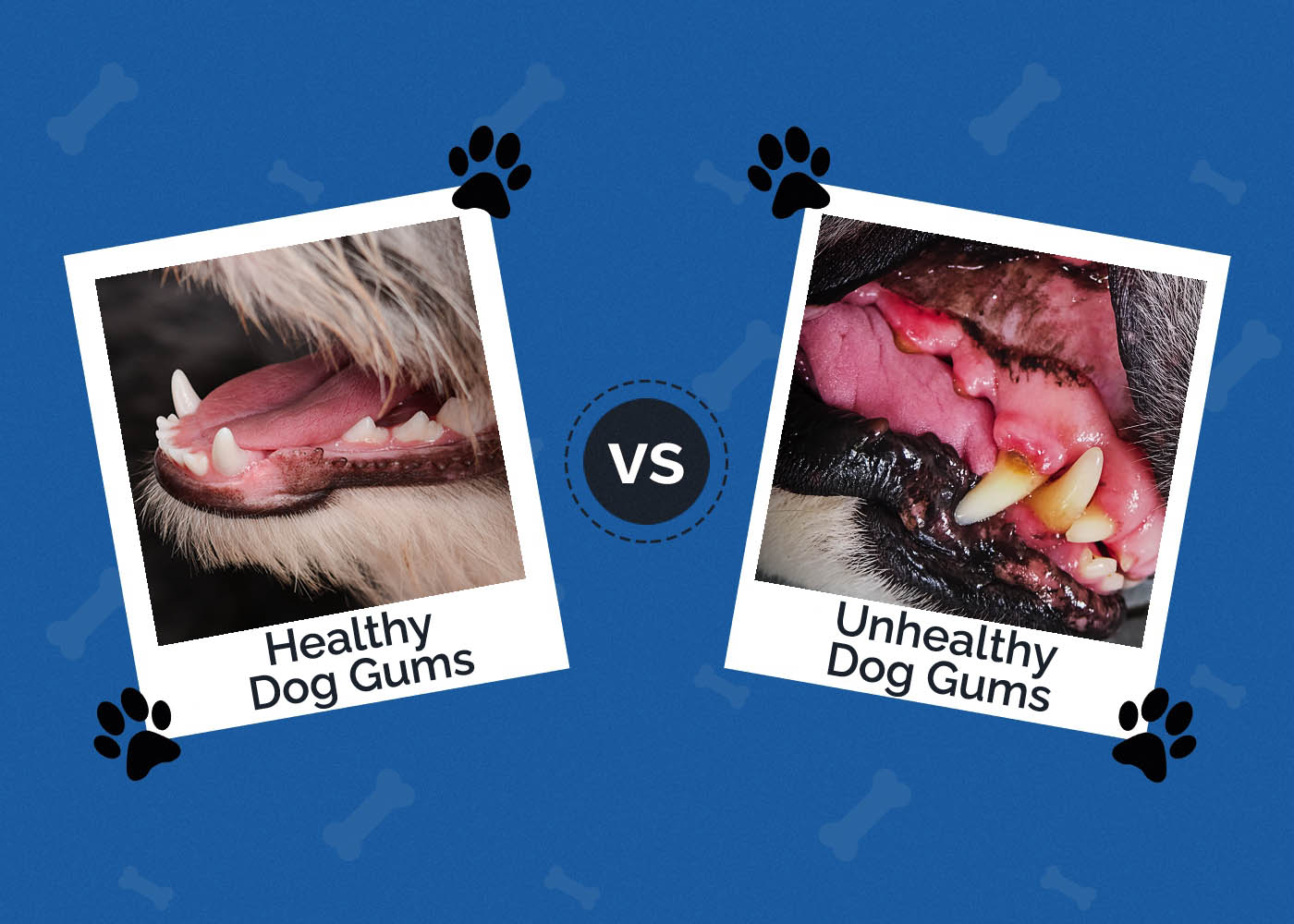
A common reason for a white tongue is anemia. A dog’s tongue can lose its color due to a lower red blood cell count which can result in not getting enough oxygen flowing through the body. If your dog is anemic, you may notice that their gums are also pale or white. They may be lethargic and have a lack of appetite as well. Anemia is often a sign of another medical condition such as kidney disease or lymphoma.
Blood Loss
A dog’s tongue can also become white if they’re experiencing internal bleeding or significant blood loss. Similar to anemia, your dog’s gums may also be pale or white. Blood loss results in decreased blood circulation, which will then affect the color of your dog’s gum and tongue.

Immune-Mediated Disease
A white tongue can also indicate an immune-mediated disease. An immune-mediated disease can end up harming a dog’s circulatory system by destroying platelets and red blood cells. This can result in anemia, which can affect the color of your dog’s tongue.
What Should I Do If My Dog’s Tongue Is White?
The best thing to do is contact your veterinarian if you notice that your dog’s tongue is white. Sometimes, a white tongue can be caused by a less serious health issue, like mouth ulcers or papillomas creating white spots. However, there’s the chance that it’s pointing to something more significant that requires immediate attention. So, it’s better to be safe than sorry and get your dog to a veterinarian for a full physical exam.
Your veterinarian can run some tests and get blood samples to determine the cause of the issue. Once your veterinarian is able to make an accurate diagnosis, you’ll be able to follow whatever the appropriate treatment plan is to help your dog get back to good health.

Final Thoughts
Overall, a pale or white tongue can be a sign of an emergency health issue that often involves complications with your dog’s circulatory system. So, make sure to see your veterinarian right away if you notice something off with the color of your dog’s tongue. It’s also helpful to know what your dog’s normal tongue color looks like. This will enable you to react as early as possible and get your dog the help they need to feel healthy and happy again.
Sources
Featured Image Credit: rgerber, Pixabay
Get Hepper In Your Inbox


Pet care tips from our vets and experts, straight to your inbox.
You may opt-out at any time. View our Privacy Policy for more information.
Jessica is a freelance writer who spends most of her day reading and writing while her fluffy Cavapoo, Nora, naps beside her. She loves and appreciates pets and animals because there’s so much to learn from them, and they do so much for people. As a dog mom, she understands the special relationship that pet parents have with their pets. So, she loves sharing helpful information that people can use to better understand their pets. When she’s not writing, you can find her walking dogs, tending to her plant babies, or drinking her nth cup of coffee.
Join the conversation
Ask a question, share your story, or send private feedback.