Hepper is reader-supported. When you buy via links on our site, we may earn an affiliate commission at no cost to you. Learn more.
Are Angel Plants Toxic to Cats? Keeping Your Cat Safe!


In this article
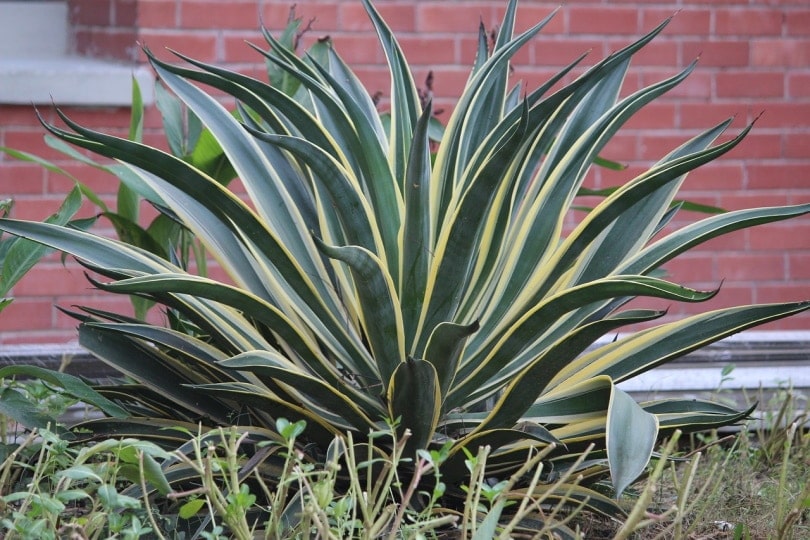
If you are wondering whether angel plants are toxic to cats, there are a few things that need to be cleared up before we get into angel plant toxicity. It is important to note that the term “angel plant” typically refers to the exotic angel plant, which is actually not a variety of plant at all but a brand name that consists of over 400 different plant varieties.
Complicates things a bit, doesn’t it? Don’t worry, we’ll dive further into what is commonly known as an angel plant and the potential safety risks that involve our beloved kitties. The short answer is that the most common types of angel plants are toxic to cats.

What Are Exotic Angel Plants?
As mentioned, exotic angel plants are not a particular species of plant but a brand name created by Hermann Engelmann Greenhouses Inc. that is composed of over 400 houseplant varieties. After 43 years in operation, Hermann Englemann Greenhouses were acquired by Costa Farms following the death of Hermann Engelmann in 2014, but the company has continued the company’s legacy.
Exotic angel plants are designed specifically to be grown within the home and add an exotic touch to home décor. Despite 400 plant varieties existing within the brand, and most originating from the tropics, the care and maintenance guidelines provided by Hermann Engelmann Greenhouses apply to each plant within the brand.
Toxicity of Exotic Angel Plants
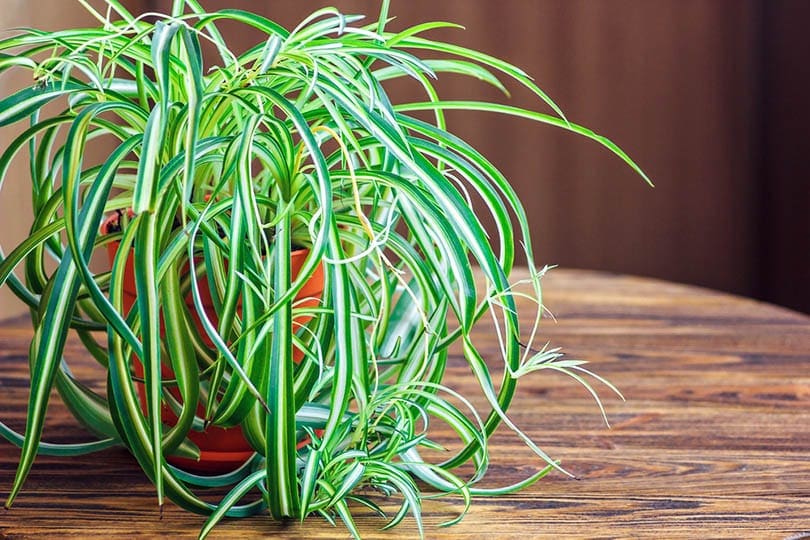
Because exotic angel plants are houseplants, pet owners must be aware of the potential risks of housing these plants alongside their animals. As a general rule, exotic angel plants should be considered toxic to cats. While breaking down the toxicity of over 400 different species in one place would be a bit much, the plants within the brand should be considered toxic by default and all necessary precautions should be taken by cat owners.

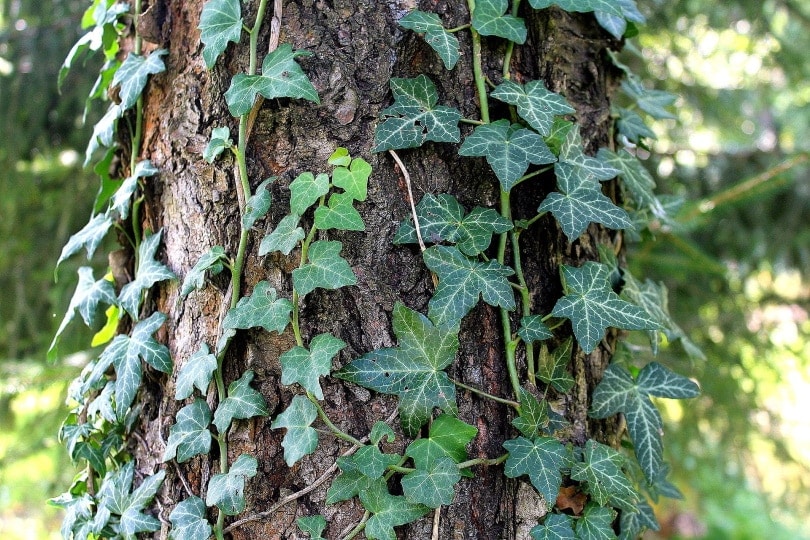
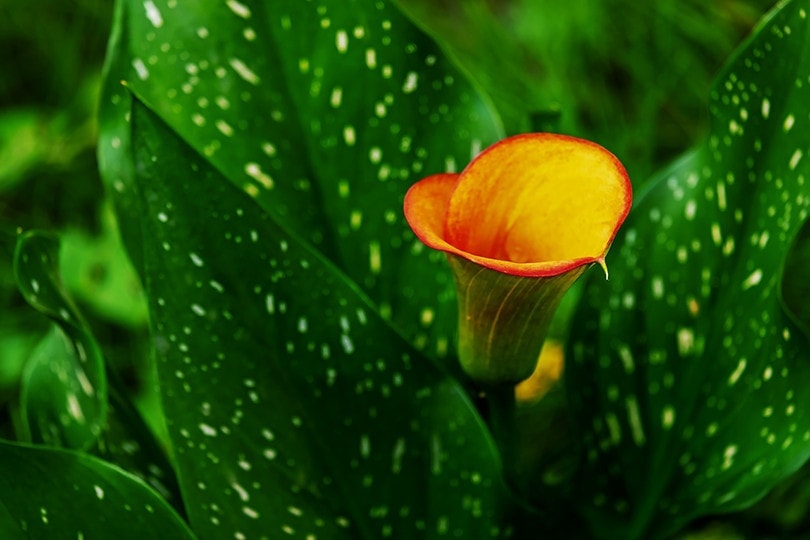
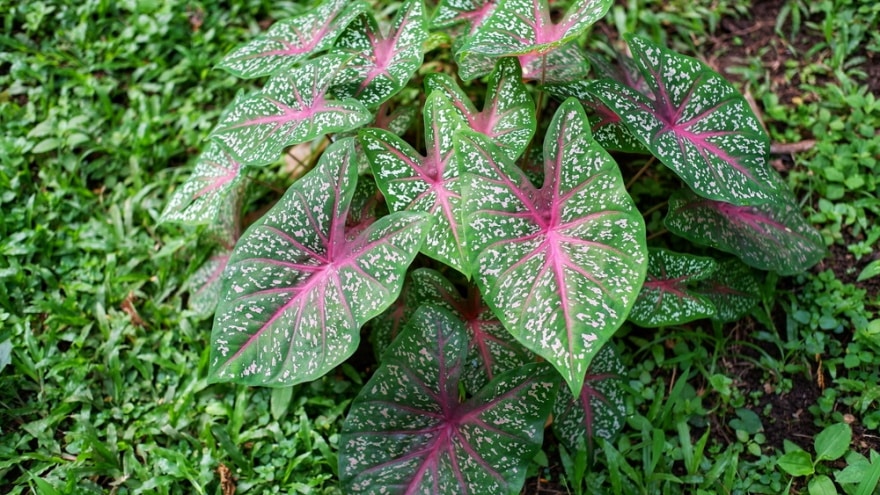
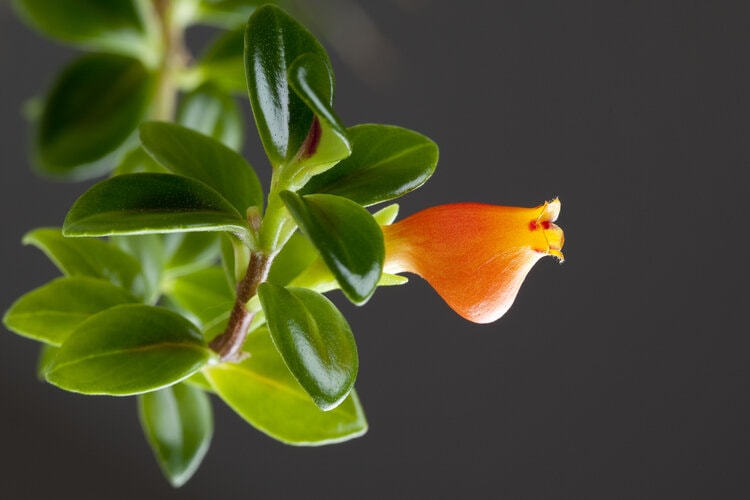
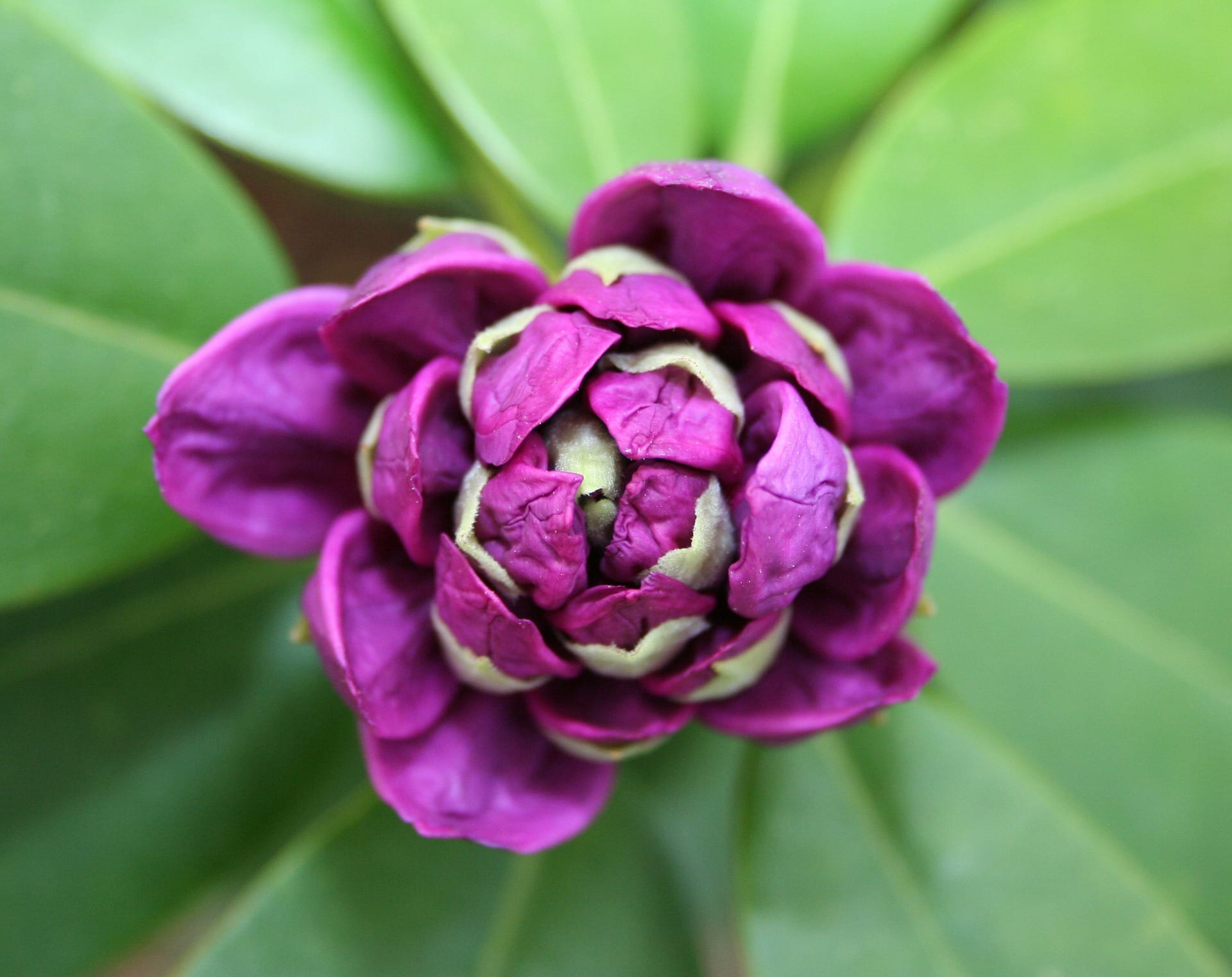
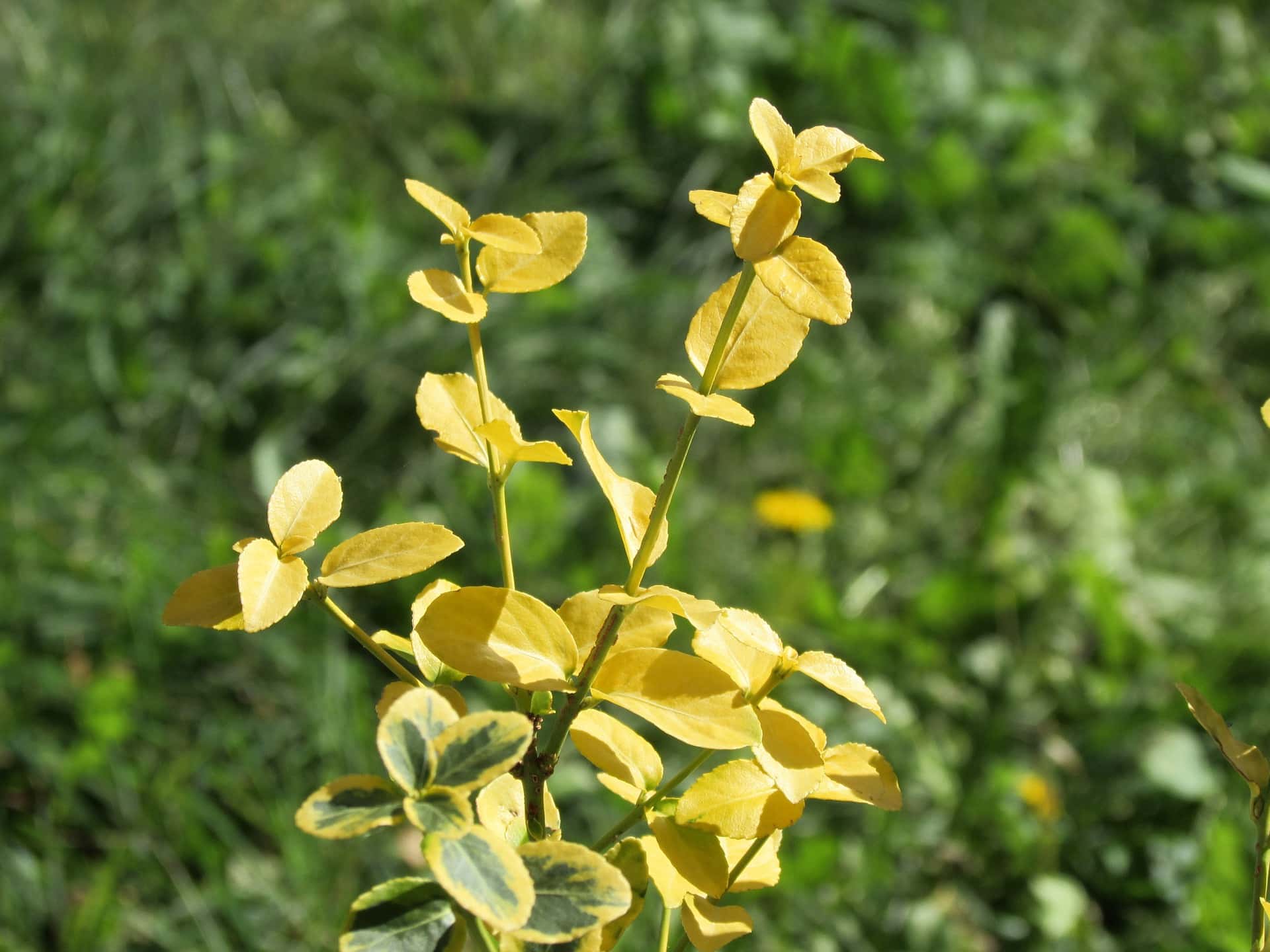
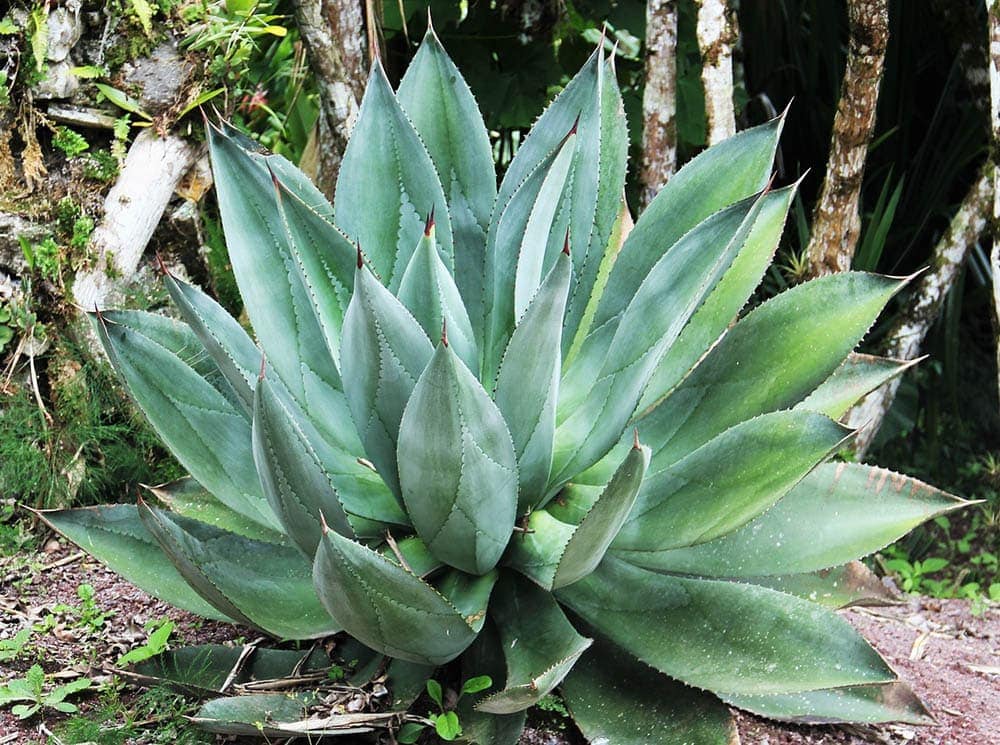
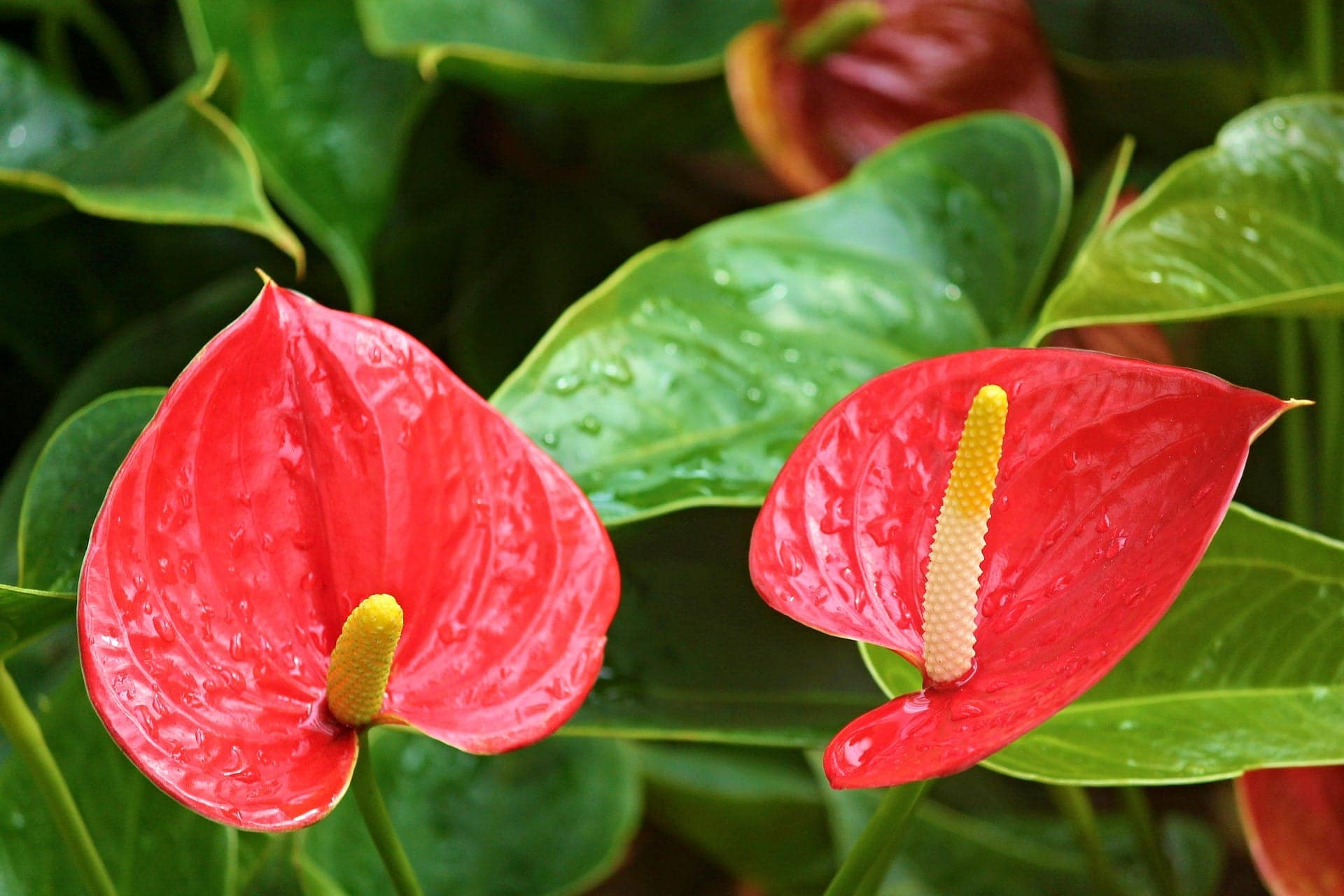
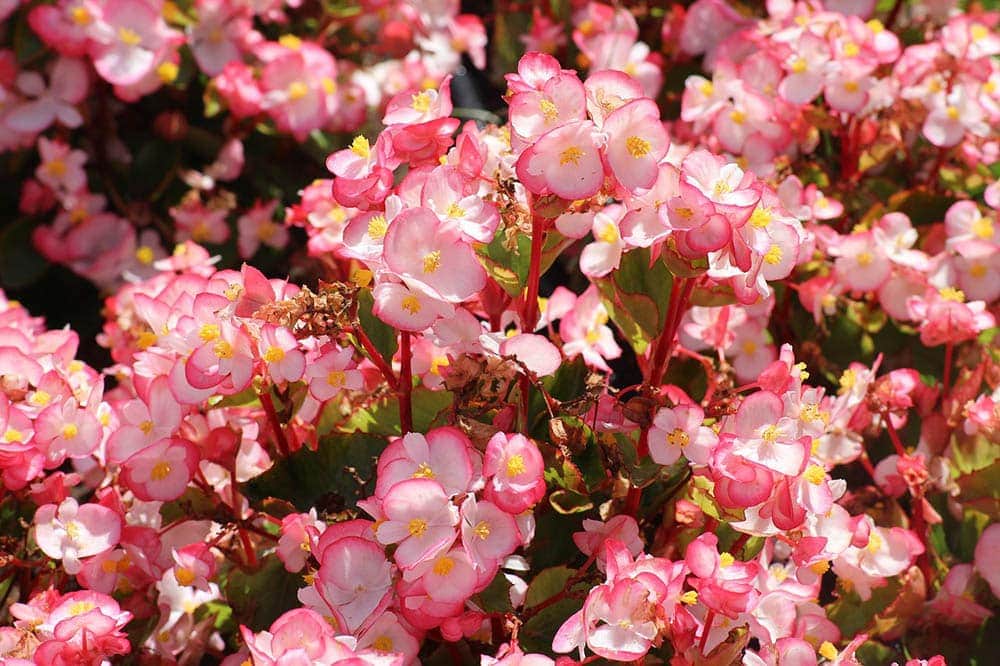
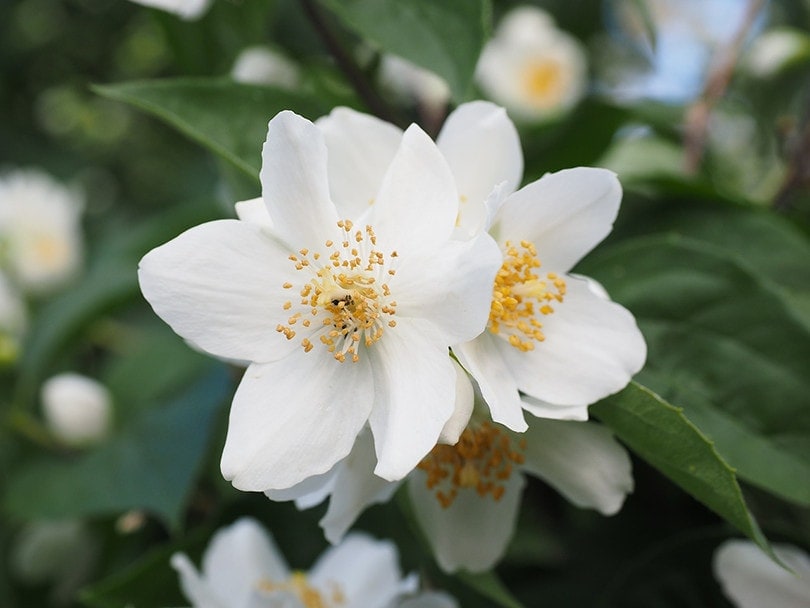
Most Common Exotic Angel Plants
What About the Angel’s Trumpets?
Aside from the exotic angel plant brand, a plant known as angel’s trumpets, or Brugmansia, is a genus of seven species of flowering plants in the nightshade family Solanaceae. These plants are either grown as small trees or shrubs and are great for gardens, but not indoors.
It is important to mention that all parts of angel’s trumpets are toxic to cats and dogs. Access to Brugmansia should be completely restricted for pets to prevent severe toxicity from occurring.
Signs of Plant Poisoning in Cats
Signs of toxicity can begin quickly ,but cats tend to slink away and hide when they are feeling ill, making the initial signs difficult to notice. When toxicity occurs, it can be a medical emergency, and time is of the essence. The faster you recognize toxicity and get your cat treatment, the better their chances of making a full recovery. The signs observed with plant toxicity include:

The 7 Ways to Keep Your Cat(s) Safe From Toxic Plants
Prevention is key to keeping your cat safe from the toxicity of plants. We’ve included some tips on how to keep your cat safe in a home filled with plants.
1. Keep Plants Out of Reach
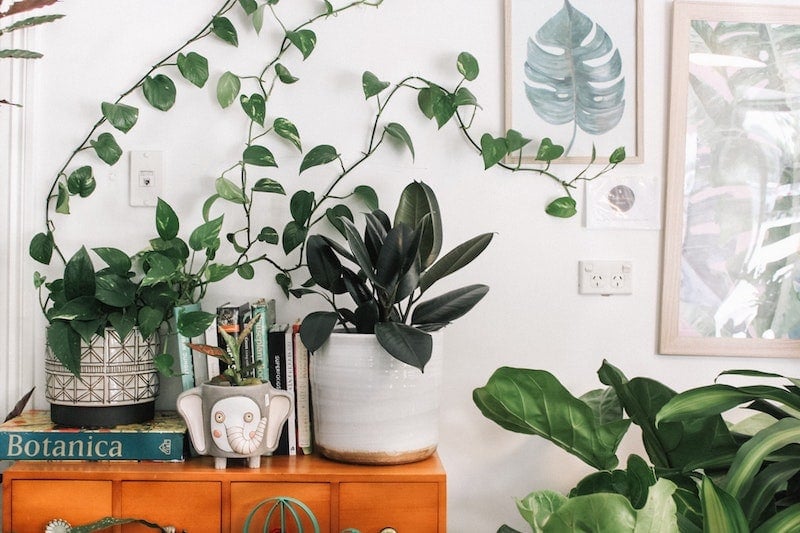
Keeping your plants far out of reach from kitty claws and mouths is good for both the cats and the plants. Any plants kept within the home should be kept up and out of reach to prevent your cat(s) from ingesting any part of the plant and also keep the plants from being destroyed.
2. Use Deterrents
Citrus
Cats are not fans of citrus and are deterred by the smell. You may find success in spritzing your plants with diluted citrus juice to keep your cat away. This won’t work for them all, but it’s certainly a safe option for both the plant and the cat.
Tin foil
Placing tin foil around the base of a plant can deter cats as they don’t typically like the sensation and noise of this.
3. Try Cat Grass or Catnip
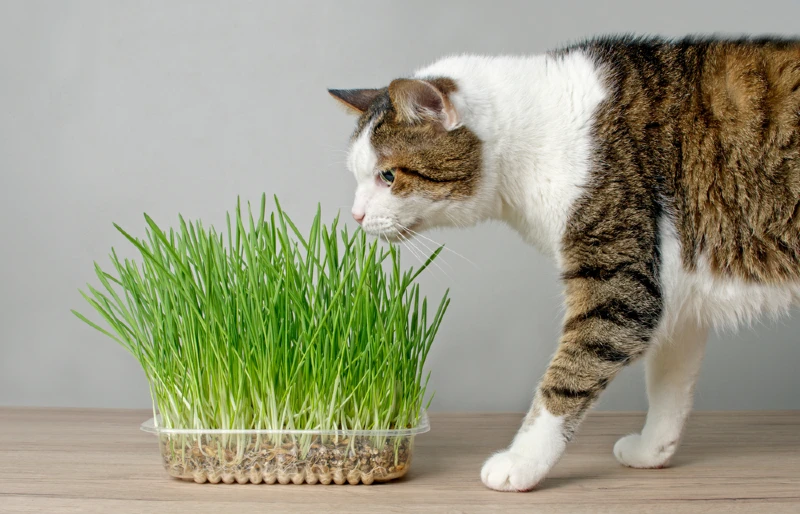
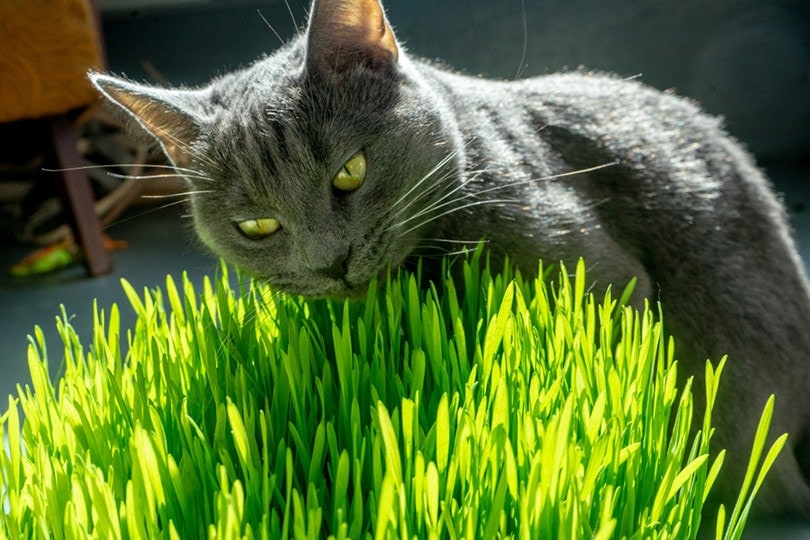
If you want the safest plant option in the home, try giving your cat the gift of a flower pot filled with cat grass or catnip. Cat grass and catnip are entirely different, but both are extremely safe for cats and make a great alternative to other plants. Just make sure it is in an easily accessible area for your cat.
4. Trim Your Plants Regularly
Keep your plants trimmed up neatly to prevent your cat from being lured in by those tempting, long leaves. This tactic may work for some plants, but for others you’d rather not trim, try keeping them in a more secure location away from your cat.
5. Create a Plant Room
Not everyone will have the room for this option, but for those that do, a plant room is a good idea for those green-thumbed cat owners. You can’t go wrong with a secure space dedicated to your plants that is completely inaccessible to your cat. Be careful not to leave the door ajar, though.
6. Choose Artificial Plants Instead
For those black thumbs and others that are just wanting the aesthetic of plants in the home, try shopping for some artificial plants. Nowadays, artificial plants are difficult to distinguish from the real thing. They are much safer than the toxic live versions and you don’t have to worry about keeping them alive.
7. Don’t Keep Toxic Plants
The best way to ensure your cat is safe from any plant toxicity is to avoid having any type of toxic plant in your home. Cats are curious creatures and are bound to find a way to get into something that grasps their attention. It’s truly better to be safe than sorry.
Conclusion
While exotic angel plants are a brand, the majority of these plants hail from exotic places and are toxic to cats. Any exotic angel plant should be considered toxic unless otherwise advised by the company itself.
As for the angel’s trumpets, though they are not houseplants, they are still highly toxic to cats and should be kept out safely away from both cats and dogs. If you suspect your cat has ingested a houseplant that is known to be toxic or is potentially toxic, you need to contact your veterinarian or the pet poison helpline for guidance and assistance.
Sources
Featured Image Credit: Tanuj_handa, Pixabay
Get Hepper In Your Inbox


Pet care tips from our vets and experts, straight to your inbox.
You may opt-out at any time. View our Privacy Policy for more information.
Lindsay is a wife, mother, nature enthusiast, animal lover, and business major. She was born and raised in the United States and now lives in Tulsa, Oklahoma. She shares her home with a German Shepherd, several snakes, tarantulas, and a couple of rescue cats.
Lindsay and her husband enjoy traveling the US with their children and photographing wildlife. Lindsey is passionate about proper animal care and education around it!
Join the conversation
Ask a question, share your story, or send private feedback.