Hepper is reader-supported. When you buy via links on our site, we may earn an affiliate commission at no cost to you. Learn more.
Is Schefflera Toxic to Cats? Vet Approved Facts & Safety Guide
In this article
Household plants can add a splash of color to your home décor and make your living area feel more alive. Not all plants are safe for pets, and it's vital to remove toxic varieties, especially when your cat loves chewing on leaves. Common household plants, like Schefflera, are toxic to both cats and dogs.
Schefflera and other toxic plants can cause a wide range of unpleasant signs in your cat, from difficulty breathing to an upset stomach. This guide will explain why Schefflera is toxic to cats and how to keep your kitty safe.

What Is Schefflera?
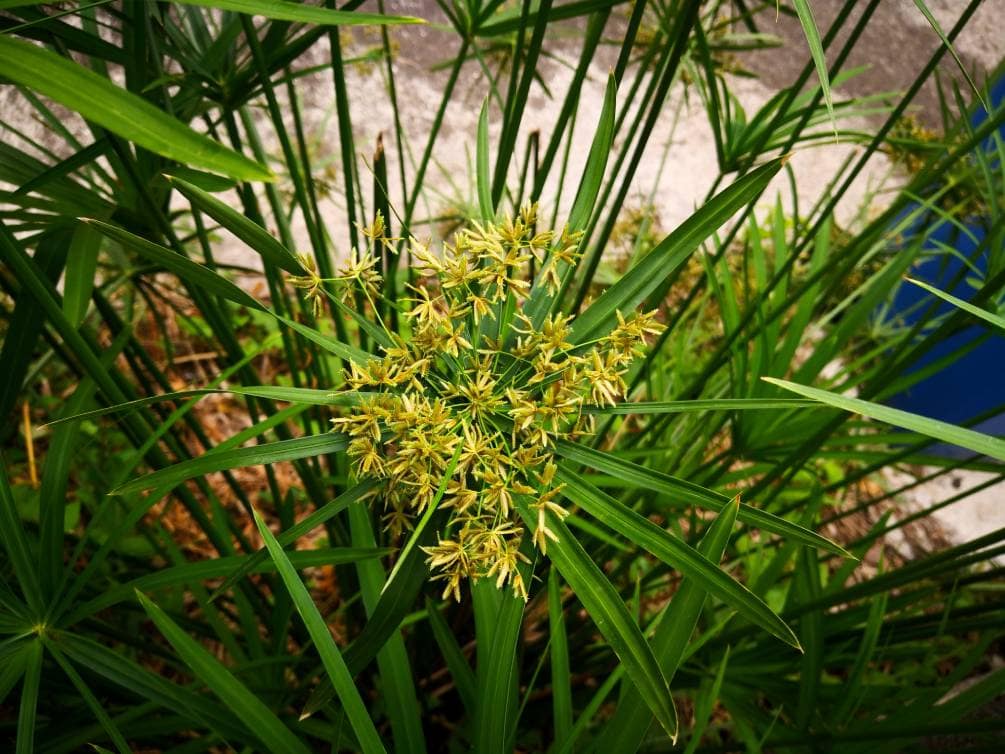
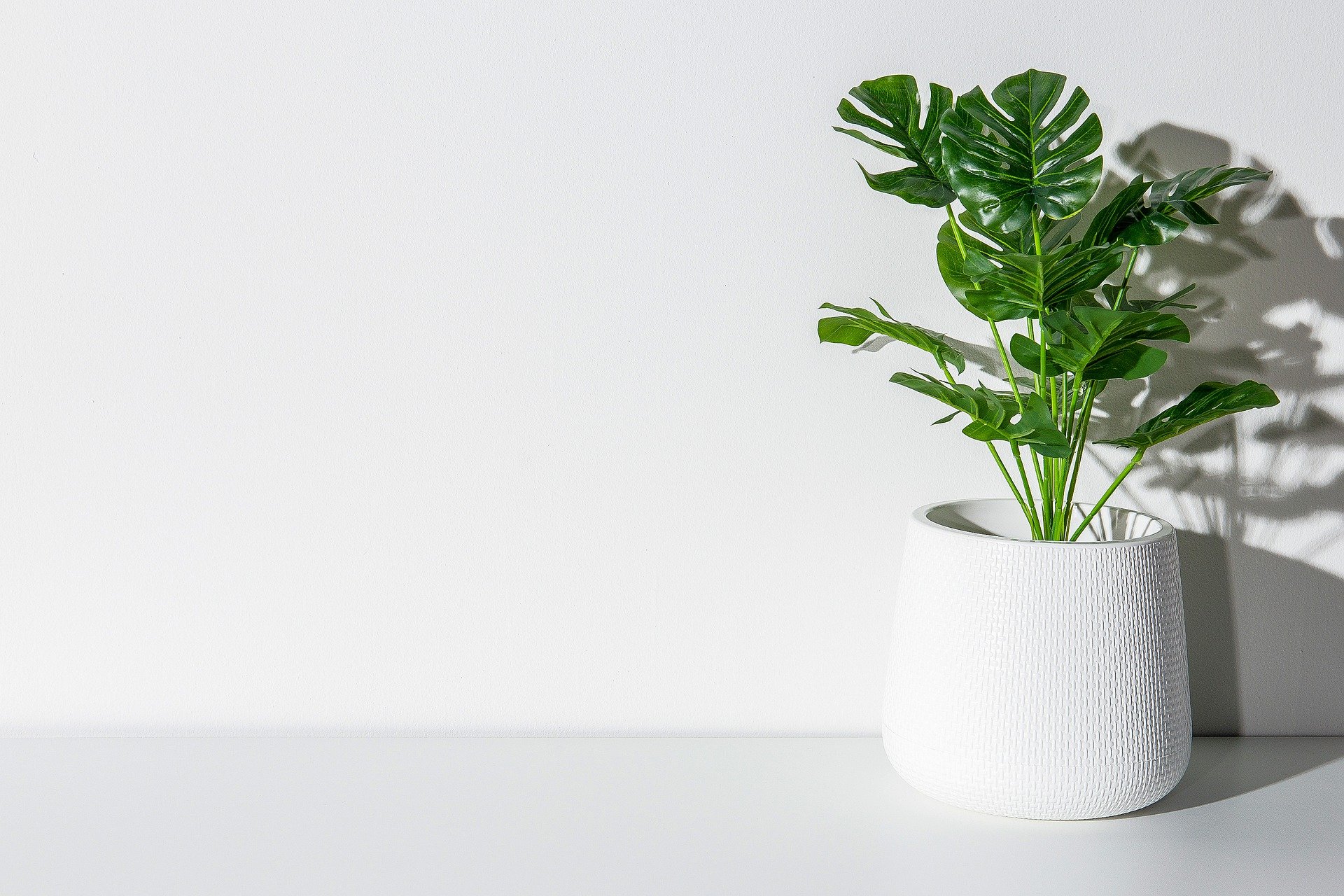
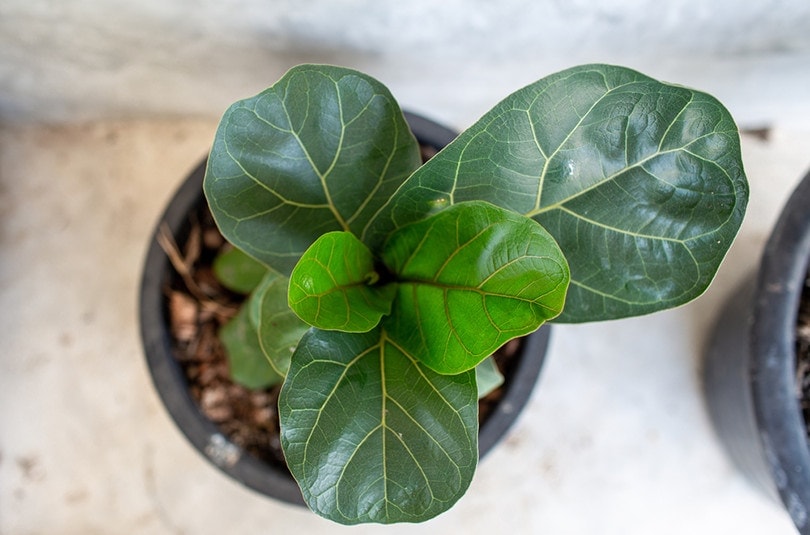
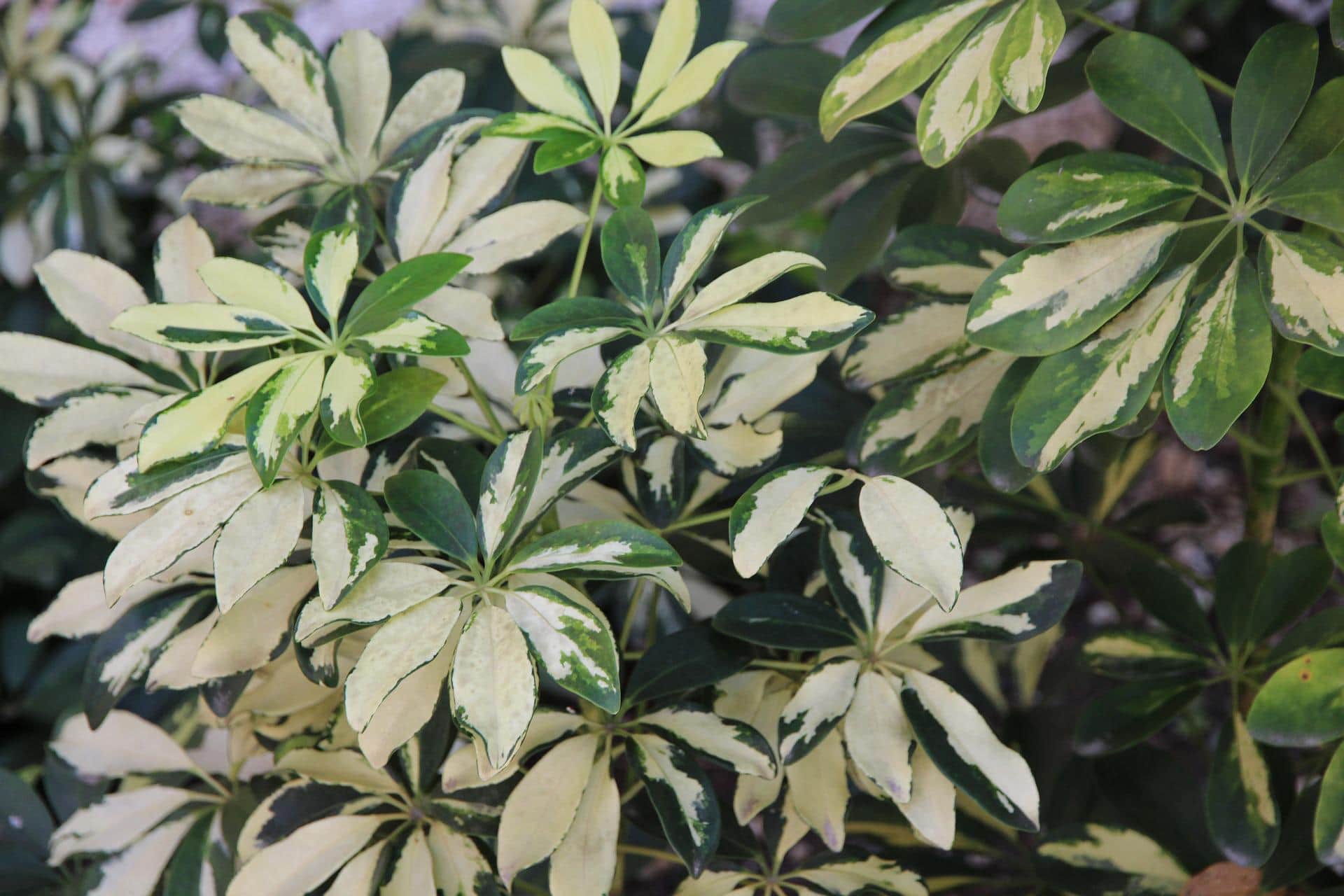
One of the easiest plants to care for is the Schefflera, which makes it popular for plant lovers who don’t have much time to dedicate to more difficult plants. Also known as the “umbrella tree,” Schefflera is a family of evergreen trees or shrubberies native to the tropics.
Although large Schefflera plants are often used in landscaping, a tiny dwarf species known as Hawaiian Schefflera is a common household plant.
Which Part of the Schefflera Plant Is Toxic to Cats?
Schefflera plants contain cells called “idioblasts” that are filled with calcium oxalate crystals. The crystals are microscopic, and they’re released into your cat’s body when they chew on or bite plants in the Araceae family, which include the Schefflera. They cause physical damage to the mouth when chewed.
The oxalate crystals are found throughout the plant—the roots, stem, and leaves—which makes the entirety of the Schefflera toxic to your cat.
What Are the Signs of Schefflera Poisoning?
Cats are curious by nature and are bound to get into trouble, whether you’re watching them or not. While you can catch your cat nibbling on your beloved Schefflera if you’re at home, keeping them safe is more difficult when you're away. Recognizing the signs of Schefflera poisoning can help you determine whether your cat needs to go to the hospital.
The signs of Schefflera poisoning include:
If you know your cat has eaten your Schefflera and is displaying the previous signs, remove any uneaten portion and contact your vet.
Which Other Plants Are Toxic to Cats?
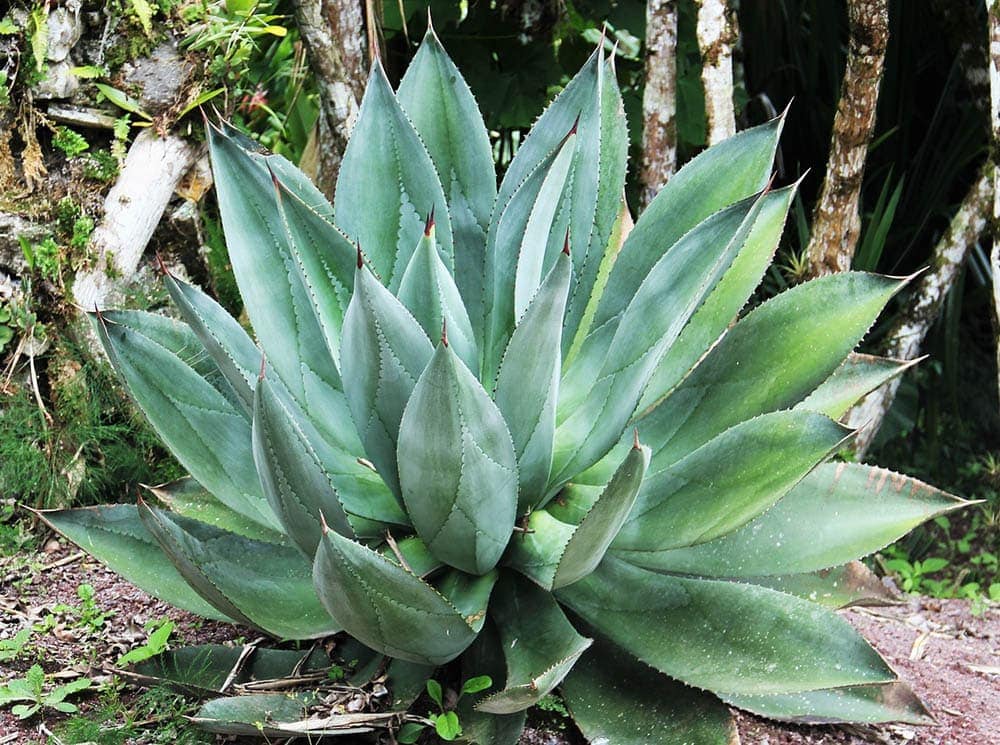
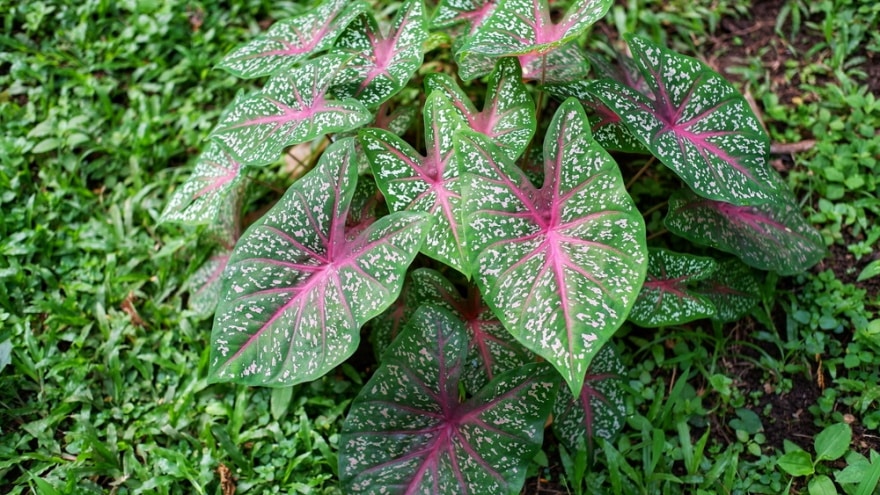
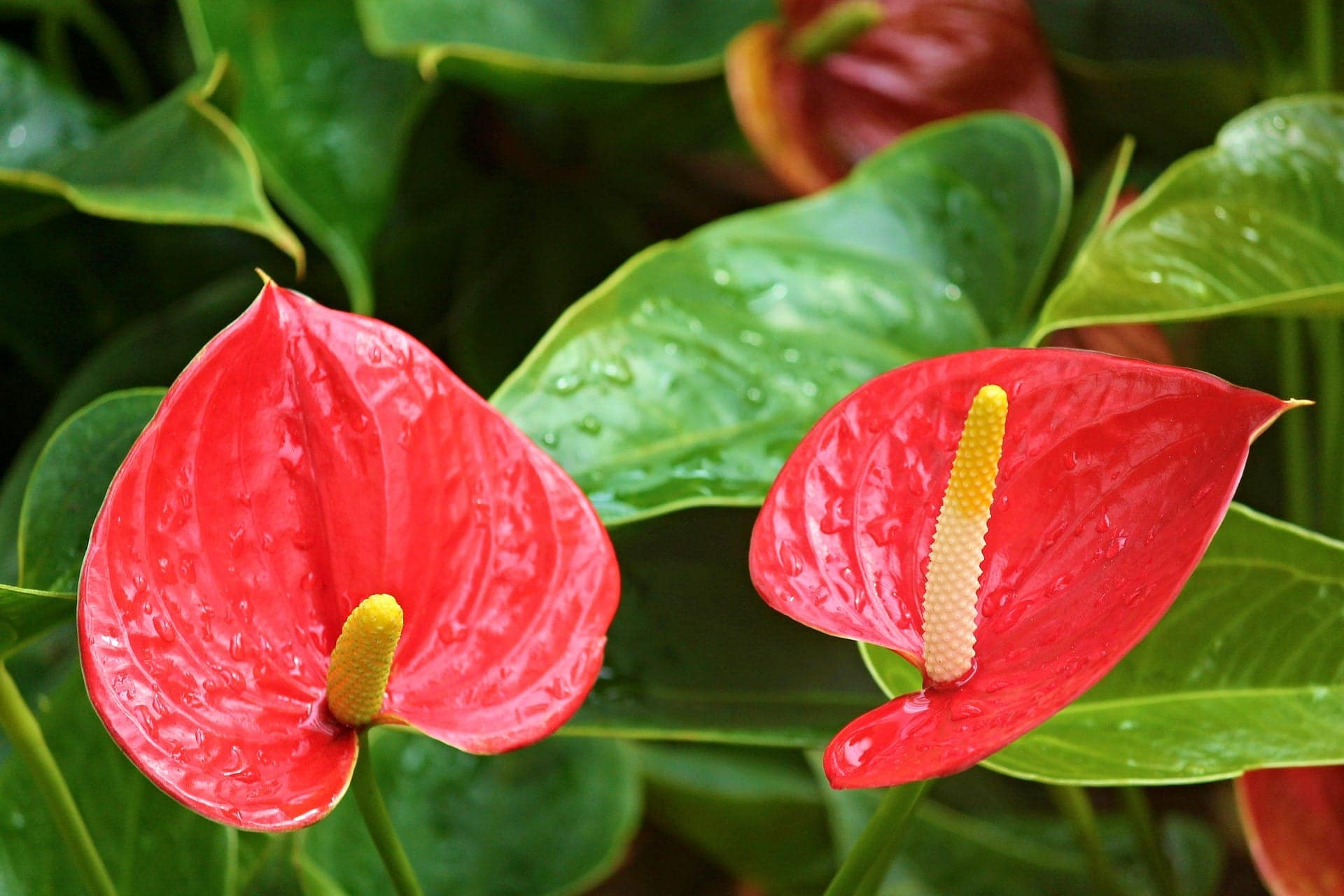
Schefflera isn’t the only house plant that’s toxic to cats. Many common and popular plants can cause health issues for pets, not just felines.
This list isn’t all-inclusive, but here are a few of the most common toxic plants.
How to Keep Your Cat Safe From Toxic Plants
When you welcome a new cat into your home, you’re also taking on a great deal of responsibility for their welfare. Keeping them safe, well-fed, and healthy is essential as a pet owner.
Their inquisitiveness can make this task difficult, but here are a few tricks that you can try to protect your cat from your plants and vice versa.
Aluminum Foil
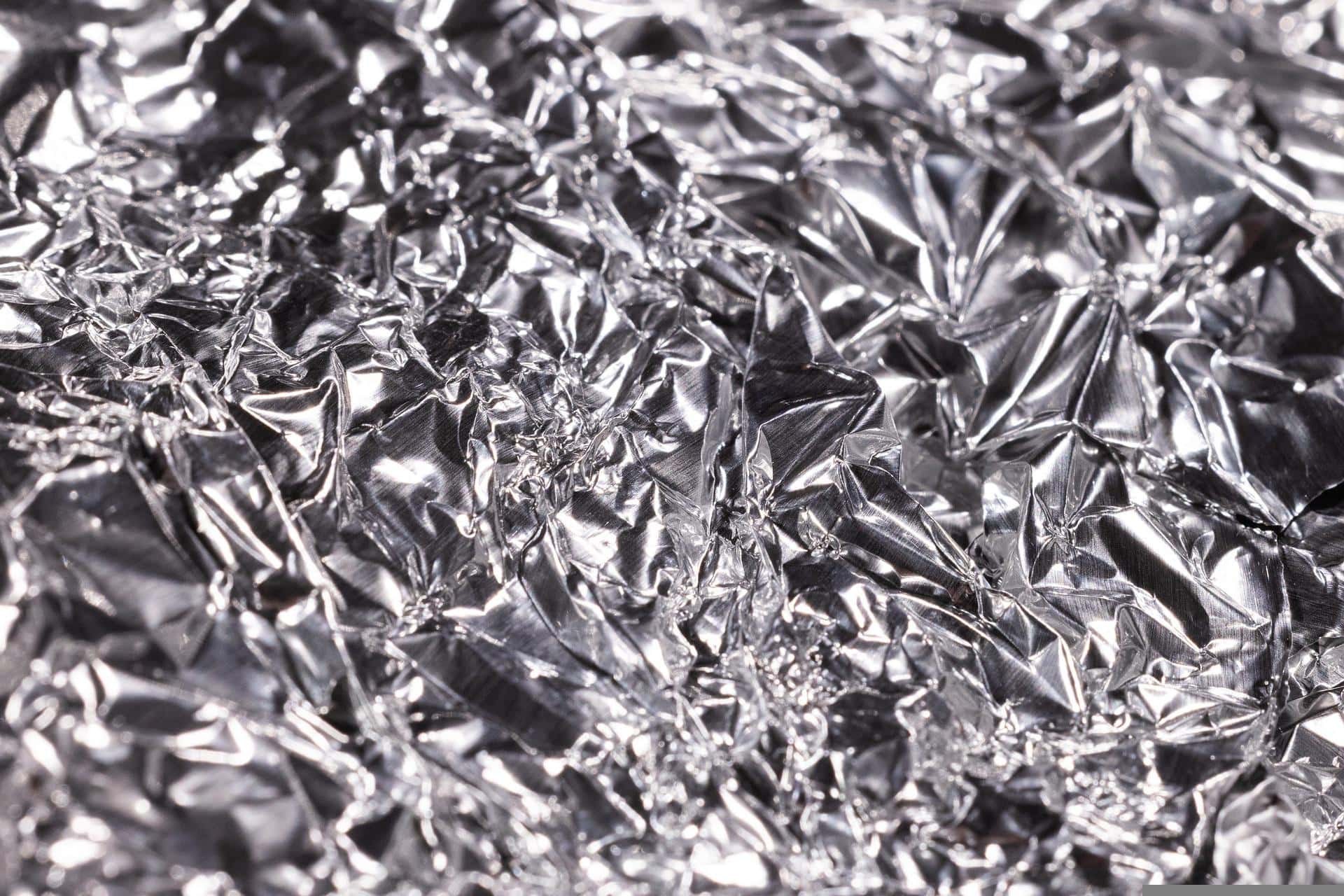
Although it might seem strange to surround your planters with aluminum foil, it’s an effective way to convince your cat to find somewhere else to sit. Cats don’t like the texture or noise that aluminum foil makes when they walk on it.
By surrounding your toxic plants with aluminum foil or even double-sided tape, you’ll make the area unpleasant for your cat to explore. Eventually, your cat will learn to avoid the spot, and you can remove the foil.
Cat Repellent
There are two types of cat repellent that you can try: spray bottles, both commercial and homemade, and electronic deterrents. Electronic deterrents have motion sensors that detect when your cat is in the vicinity. The devices are better for protecting outdoor plants, especially if you use a motion-activated sprinkler system.
The sprays can be used on indoor and outdoor plants. You can buy deterrent sprays online, but ensure they’re safe for your plant and your cat.
Cat-Safe Plants
Despite our best efforts, some cats can’t be deterred. Perhaps they're too mischievous, or they just enjoy your exasperated groans every time they explore places they’re not supposed to go. The pollen of some toxic plants is dangerous to cats, and your cat doesn’t have to nibble on the leaves to get poisoned.
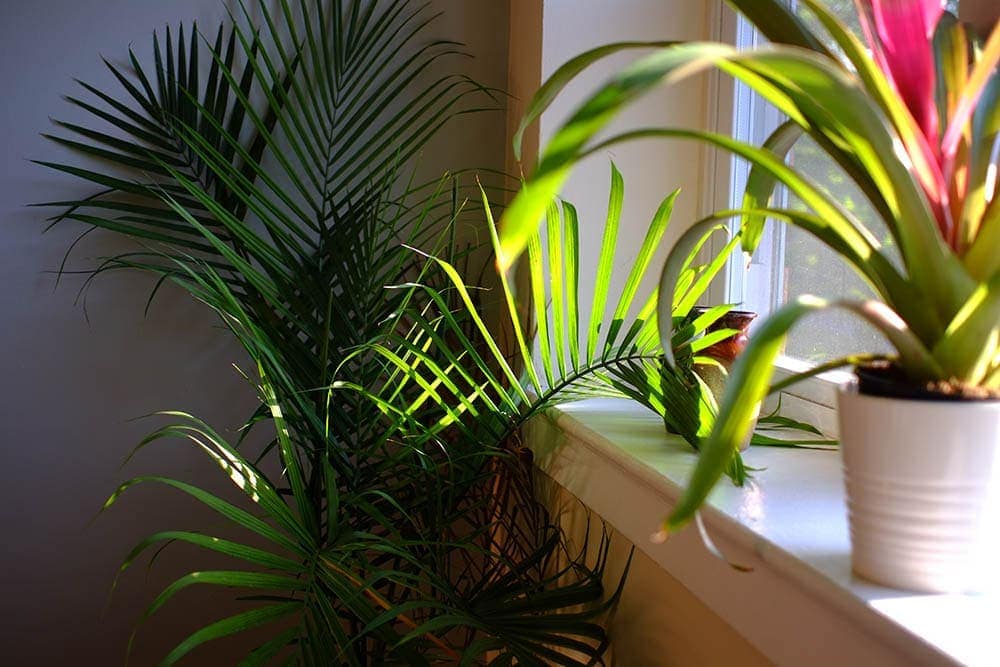
Sometimes, the easiest and most effective way to protect your cat from toxic plants is to remove them. That doesn’t mean you can’t have any plants at home, and they don’t have to all be made of plastic. Several species are safe for cats and can still brighten up your home.
Popular safe plants include:
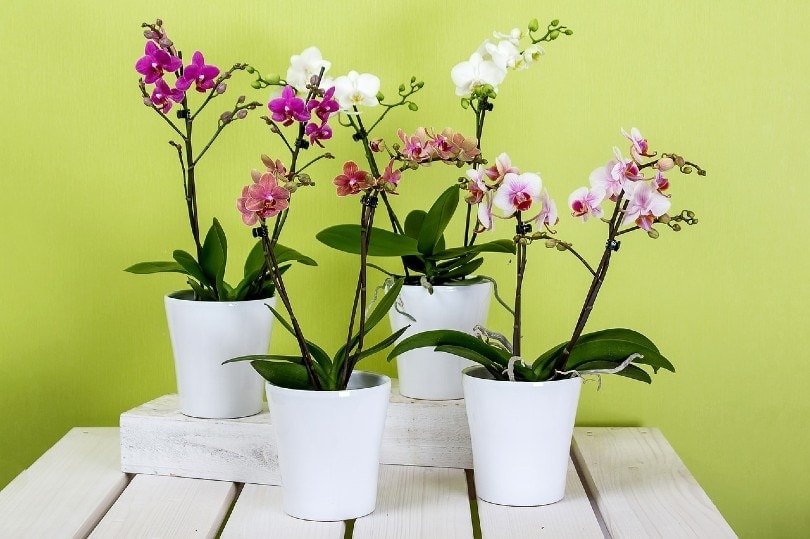
Roses are safe for cats, but some plants with “rose” in the name might not be. Double-check that the roses that you’re interested in are safe before taking them home.
Clean Up Fallen Foliage
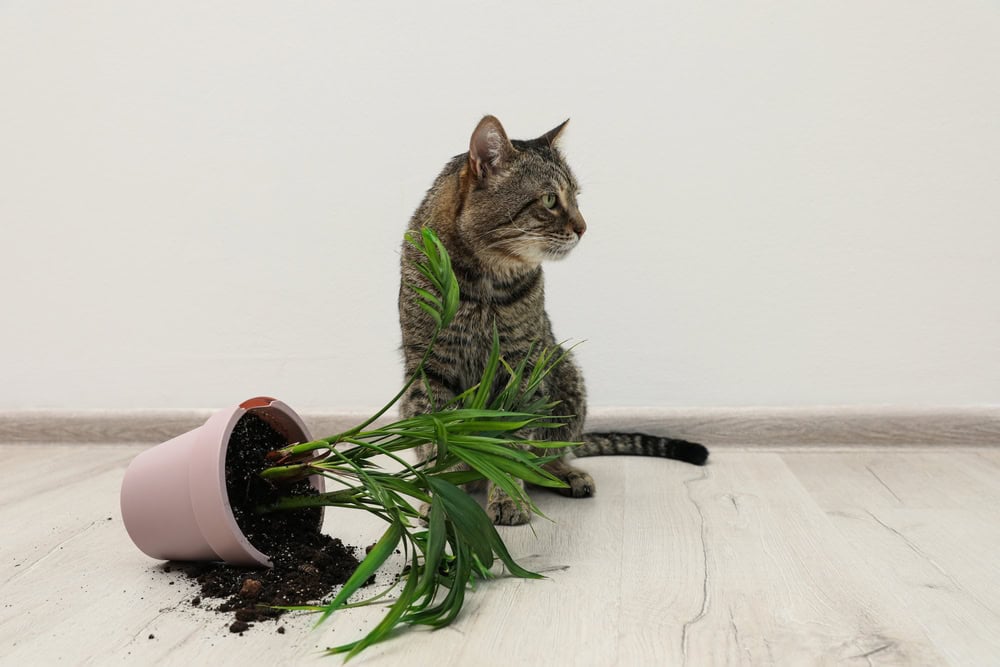
Fallen leaves and petals are just as dangerous to your cat as the plant. Whether they fall on their own, get knocked off when the plant is accidentally jostled, or the plant falls off its perch, clean up the mess as quickly as possible. This will reduce the risk of your cat playing with or chewing on the bits scattered on the floor.
Plant Terrarium
While you can secure all your toxic plants in a separate room if you have space, it’s easy to forget to shut the door. That is where a plant terrarium can come in handy. You can buy either plastic or glass models, but ensure you get one with a lid to keep your plants out of your cat’s reach.
Reduce Boredom
The amount of mischief that your cat gets into may be an indicator of how bored they are. Climbing on shelves and nibbling on plants is their way of satiating their curiosity and ridding themselves of boredom, especially if they’re house cats and feel cooped up.
Giving them more opportunities to entertain themselves is one way to divert their attention away from your plants. Giving them cat trees and puzzle toys or spending more time playing with them are great ways to keep their minds active and avoid the onset of boredom.
Conclusion
Since it's hardy and easy to care for, the Schefflera is a popular plant for many households. Unfortunately, it’s not as friendly to cats or dogs. If your cat ingests any part of the Schefflera plant, it can suffer from excessive drooling, vomiting, and intense burning on their lips, tongue, and mouth.
Although there are ways to keep your cat away from toxic plants, the safest option is to avoid bringing toxic plants into your home. You can find pet-friendly species to ensure your kitty stays healthy, even if they’re fond of nibbling your foliage.
You might also like:
Featured Image Credit: Jumpstory
Get Hepper In Your Inbox


Pet care tips from our vets and experts, straight to your inbox.
You may opt-out at any time. View our Privacy Policy for more information.

Nicole is a lover of animals of all sizes but is especially fascinated with the feline variety. She’s the proud mom of Baby, a Burmese, and works every day so he can relax in the sunshine or by the fire. She’s always had a cat in her home and has spent countless days with others, observing behaviors and softening up even the grouchiest of the lot. Nicole wants to share her kitty expertise with you so you and your cat can live happy, healthy, and care-free.
Join the conversation
Ask a question, share your story, or send private feedback.