Hepper is reader-supported. When you buy via links on our site, we may earn an affiliate commission at no cost to you. Learn more.
Are Begonias Poisonous to Cats? Vet-Approved Facts & Safety Guide


In this article
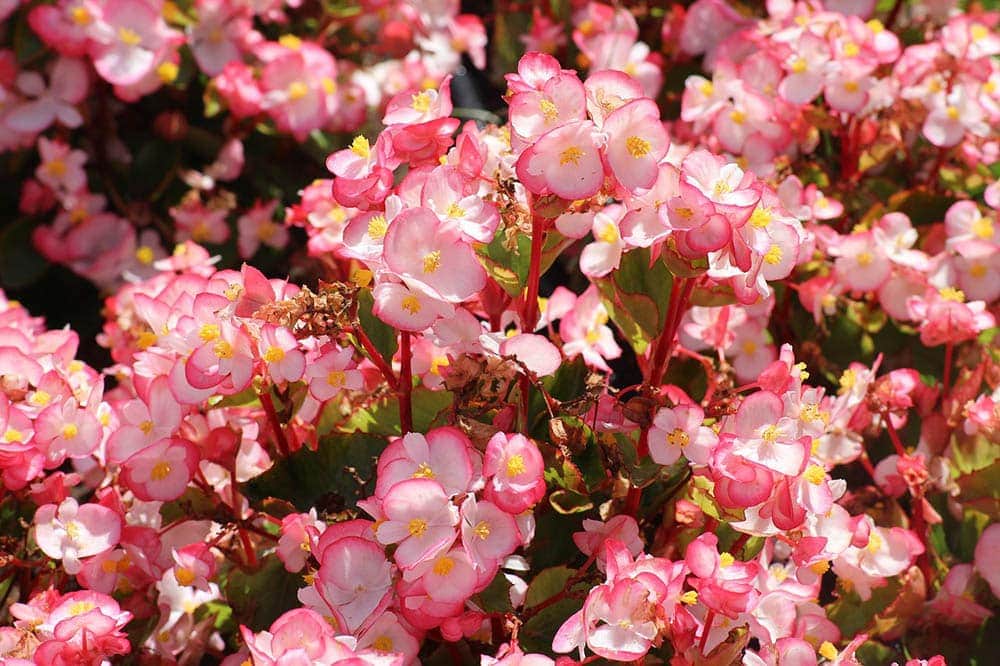
Begonias are popular annual plants commonly used in gardens and as household plants. They are generally easy to grow and take care of, and come in several varieties, making for pretty plants to keep. However, if you also have cats, you might be wondering if it’s safe to have begonias around them.
Begonias are toxic for cats. All species of begonias should be kept away from your cat as well as dogs and horses.
We’ll take a closer look at begonias and the toxic effects they have on cats and what the toxic signs are if your cat does ingest any. We’ll also discuss what you should do if your cat consumes part of this plant.

More About Begonias
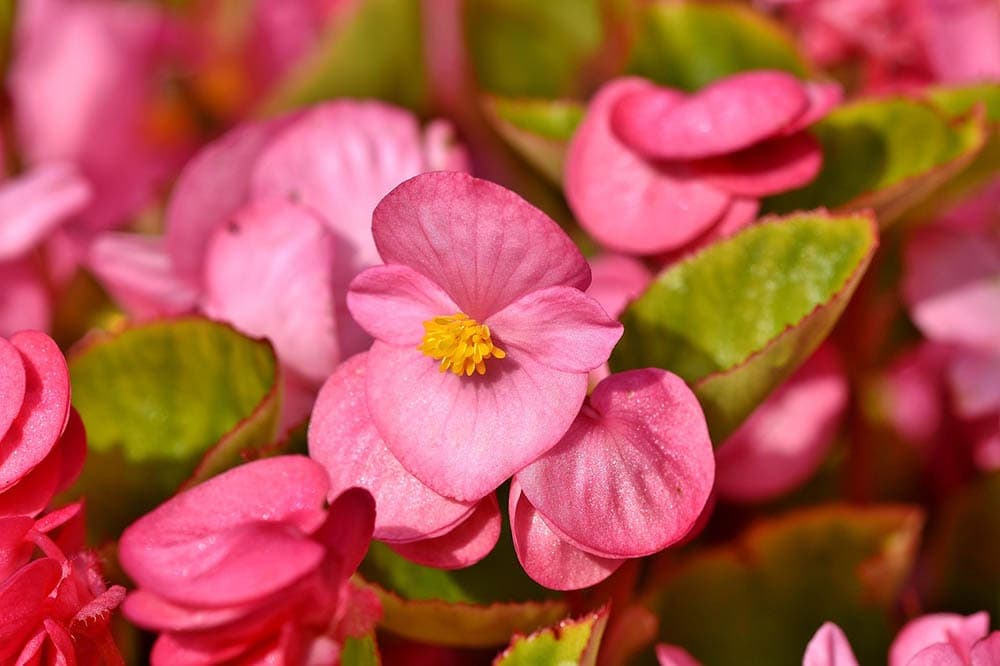
There are at least 1,000 species of begonias out there, and each variety is unique. The most common begonia is the Begonia semperflorens, commonly called wax, bedding, or annual begonia.
Other common varieties are the tuberous, cane, rhizomatous, rex, and even the strawberry begonia. Just so you know, the strawberry begonia does not grow strawberries – it just has similar leaves and growth patterns to the strawberry plant.
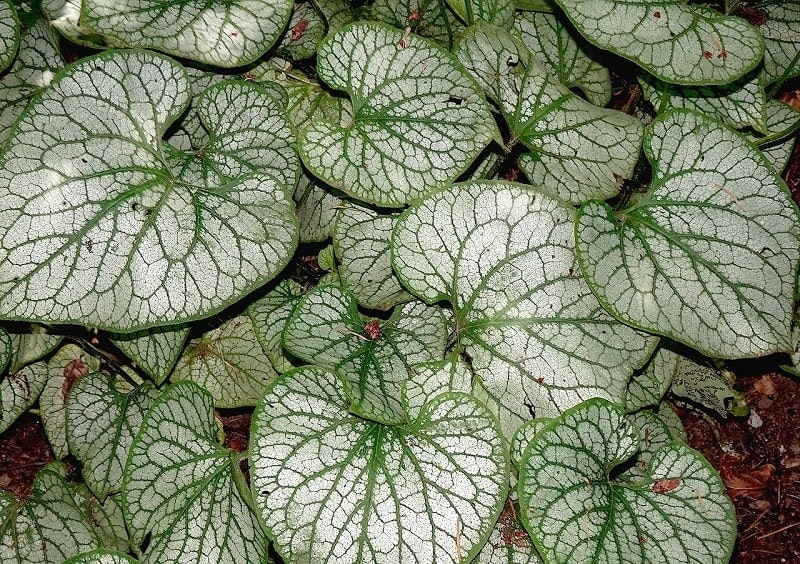
Begonias tend to do well in the shade, but it does depend on the species, and they are subtropical and tropical flowering plants. Begonias can be hard to identify because there are so many species. However, all begonias have oval-shaped leaves with pointed tips and grow in an alternate pattern on the stem. This means the leaves don’t grow opposite to each other but alternate along the stem.
Every part of the begonia plant is toxic for cats, although the most toxic part is underground, so it’s crucial that if you have cats, your begonias should be kept out of their reach.

Are Begonias Poisonous to Cats?
As we discussed previously, begonias are most definitely poisonous for cats. The ASPCA has placed begonias in their toxic plants category as toxic for cats, dogs, and horses.
The ingredient that causes problems for cats is soluble calcium oxalates. Soluble calcium oxalates are also commonly found in a few other plants, which we’ll list further on.
Signs of Begonia Poisoning
When cats eat any part of a begonia, they release the soluble calcium oxalate crystals, which will combine with the calcium found in the bloodstream. This can lead to hypocalcemia, low calcium levels, and kidney failure, although this is more common in horses and grazing animals.
Signs of hypocalcemia are:
However, it would take ingesting a large amount of soluble calcium oxalates in your cat’s system for things to get this bad. Beyond the possibility of a cat experiencing low calcium levels, there are also signs of begonia toxicity to consider as well.
Signs of begonia poisoning include:
It’s also possible for your cat to have an allergic reaction if they rub against the plant.
If you know your cat has eaten part of a begonia, you should go to the vet or emergency clinic immediately. While begonia poisoning cases are rarely severe, it’s better to be safe than sorry.
Treatment of Begonia Poisoning
When you take your cat to your vet’s clinic, be sure to bring the plant that your cat ingested or a good picture, just so the vet will know for certain how to treat them. The vet will examine your cat and may run tests to decide the best course of action.
As we mentioned earlier, most cases of poisoning through the ingestion of begonias tend to be fairly mild and will probably be resolved within 48 hours.
If your cat is dehydrated from vomiting, your vet will set up fluids through an intravenous (IV), and medication might be prescribed to stop your cat’s nausea, pain, and inflammation.
Taking Care of Your Cat at Home
As we mentioned, most begonia poisoning cases will resolve themselves within 48 hours, but the more serious cases might take longer for complete recovery. Part of the recovery includes your cat’s body ridding itself of the excess oxalate crystals.
However, if your cat’s digestive tract is damaged, your vet might place a feeding tube in your cat. This will allow your cat’s esophagus time to heal while your cat will still enjoy a healthy diet.
Otherwise, just keep an eye on your cat and give it time to heal, including keeping the environment as quiet and stress-free as possible.
How to Prevent Your Cat From Getting Into the Begonias
We don’t recommend keeping begonias in your house since they’re dangerous for your cat. If you still want to keep begonias in your house, you could consider placing them inside an enclosed terrarium or in a room that your cat never gets access to.
There are also cat-safe repellents/deterrents you can try that are directed for the plant and not directed at the cat. Most cats dislike the smell of citrus; however, citrus is also toxic to cats and therefore we don’t recommend its use.
Finally, you can just ensure your cat isn’t bored. Provide them with cat grass or catnip and play with them when they start getting into mischief. This is almost always a universal sign that your cat is bored and looking for attention.
What Other Plants Contain Soluble Calcium Oxalates?
Both insoluble and soluble calcium oxalates are found in various plants. Here, we’re only looking at soluble calcium oxalates as that’s what is found in begonias.
Keep your cat away from all these plants, as they are all toxic to your cat.
Conclusion
So, whether you have begonias in your home or in your garden and an outdoor cat, you’ll need to take steps to ensure your cat’s safety. This means you have to get rid of all the begonias and replace them with cat-friendly plants.
- China Aster (Callistephus chinensis)
- Gerber Daisy (Gerbera jamesonii)
- Phalaenopsis Orchid, Moth orchid (Phalaenopsis species)
- Rose (Rosa species)
- Snapdragon (Antirrhinum majus)
- Madagascar Jasmine (Stephanotis floribunda)
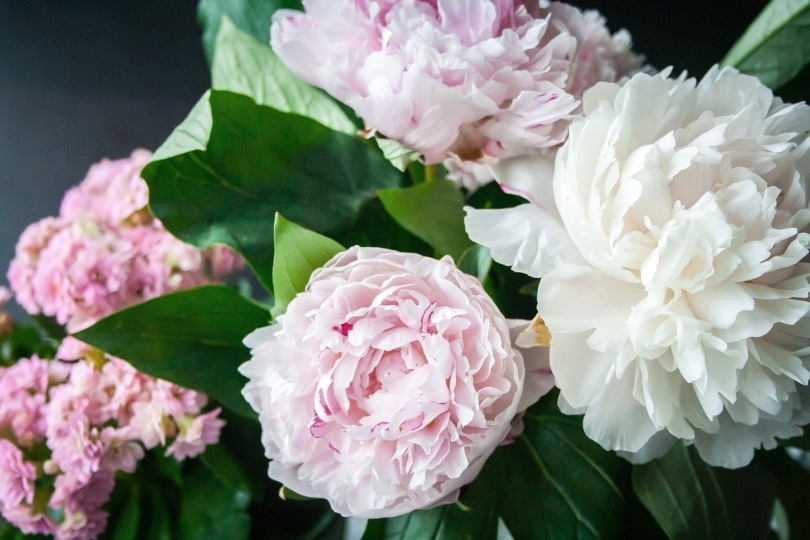
All these flowers are technically safe for cats, although you still don’t want your cat to be constantly feasting on them.
Otherwise, have lots of cat enrichment in place – cat trees, toys, and lots of love and attention might help keep your cat away from your begonias. As beautiful as begonias are, isn’t your cat’s health and safety the most important thing?
See also:
Sources
https://www.petmd.com/cat/general-health/evr_ct_kidney_failure_in_cats
https://www.petmd.com/cat/conditions/cardiovascular/c_ct_hypocalcemia
https://www.petmd.com/cat/emergency/common-emergencies/e_ct_vomiting
https://www.petmd.com/cat/general-health/why-my-cat-drooling
https://www.petmd.com/cat/conditions/digestive/c_ct_esophagitis
https://www.petmd.com/blogs/nutritionnuggets/cat/jcoates/2012/oct/feeding_tubes_for_cats-27597
Featured Image Credit: Pixabay
Get Hepper In Your Inbox


Pet care tips from our vets and experts, straight to your inbox.
You may opt-out at any time. View our Privacy Policy for more information.
Kathryn was a librarian in a previous lifetime and is currently a writer about all things animals. When she was a child, she hoped to work in zoos or with wildlife in some way, thanks to her strong love for animals. Unfortunately, she's not strong in the sciences, so she fills her days with researching and writing about all kinds of animals and spends time playing with her adorable but terribly mischievous tabby cat, Bella. Kathryn is hoping to add to her family in the near future – maybe another cat and a dog.
Join the conversation
Ask a question, share your story, or send private feedback.