Hepper is reader-supported. When you buy via links on our site, we may earn an affiliate commission at no cost to you. Learn more.
Is Caladium Toxic to Cats? Vet Approved Facts & FAQ


In this article
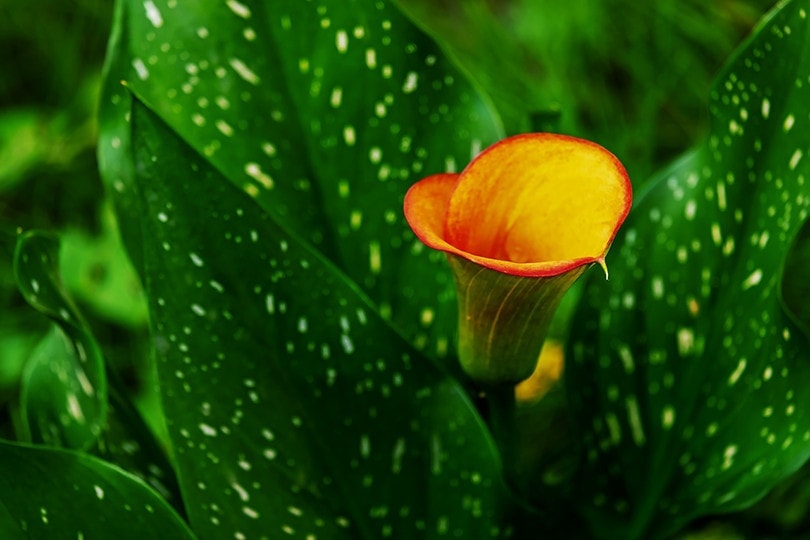
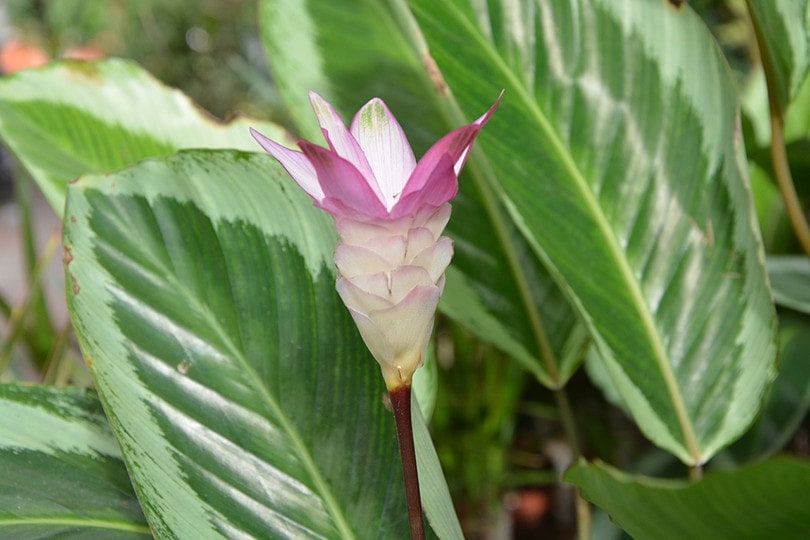
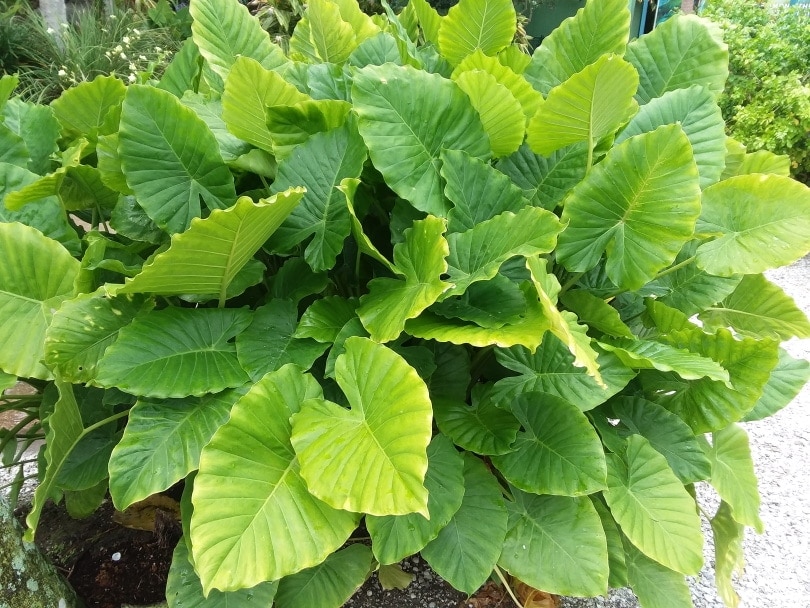
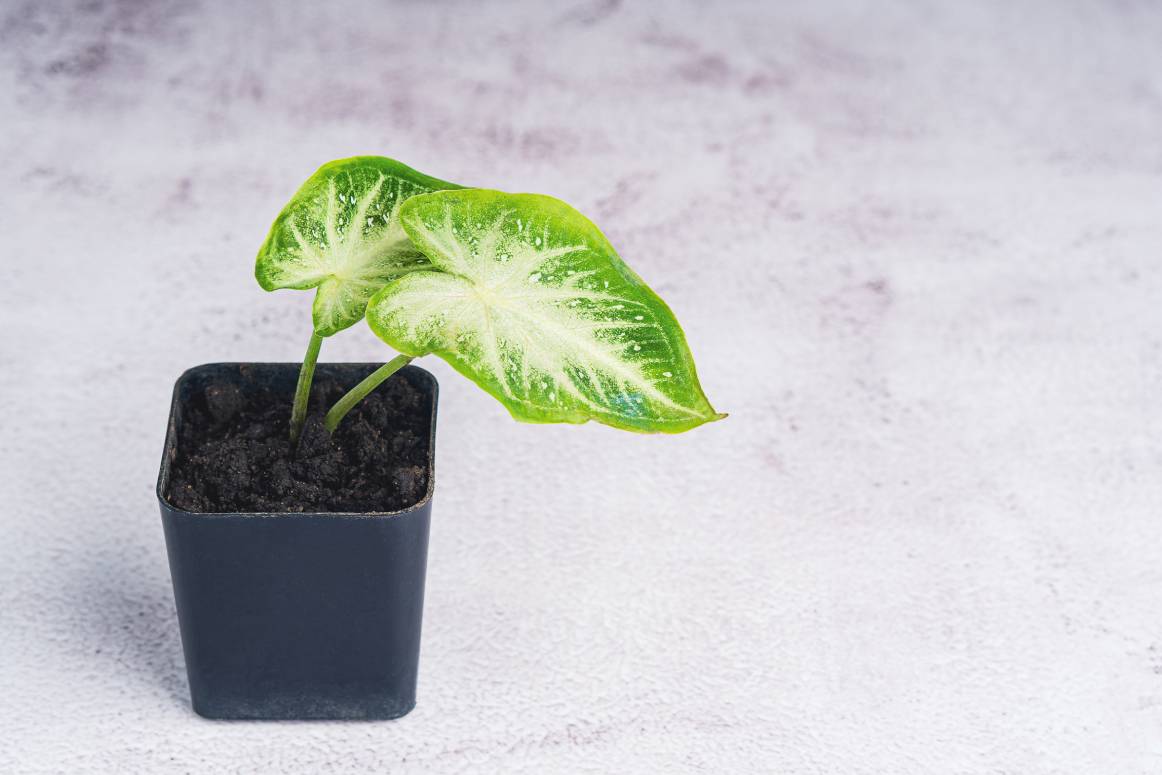
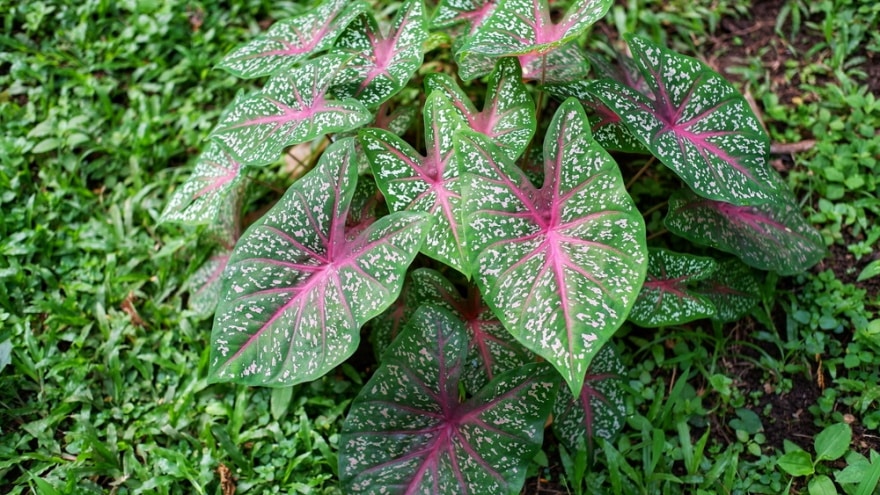
Caladium is an eye-catching plant with heart-shaped, multicolored leaves. It is also commonly known as the elephant ear, the heart of Jesus, and angel wings. If you're a cat owner who wants to grow some Caladium in your home, don't do it! Unfortunately, Caladium is not cat-friendly, nor is it ideal to have around dogs or kids because it is toxic.

What Happens When a Cat Eats Caladium?
While it's a gorgeous plant commonly sold in the United States, Caladium contains toxic substances called insoluble calcium oxalates. If a cat eats any part of this plant, the animal can experience the following signs:
- Discomfort of the mouth and tongue
- Excessive drooling
- Difficult swallowing
- Vomiting
If you think your cat has consumed Caladium, get in touch with your veterinarian right away. If possible, take a clipping of the plant your cat ate, just in case your vet needs it. At the very least, take a photo of the plant to help your vet identify it.
You'll likely be asked how much of the plant your cat ate and when it was consumed. Your vet may tell you to keep a close eye on your pet for a couple of hours or to bring them into the office if their signs don't improve.
Treatment for Ingestion of a Toxic Plant
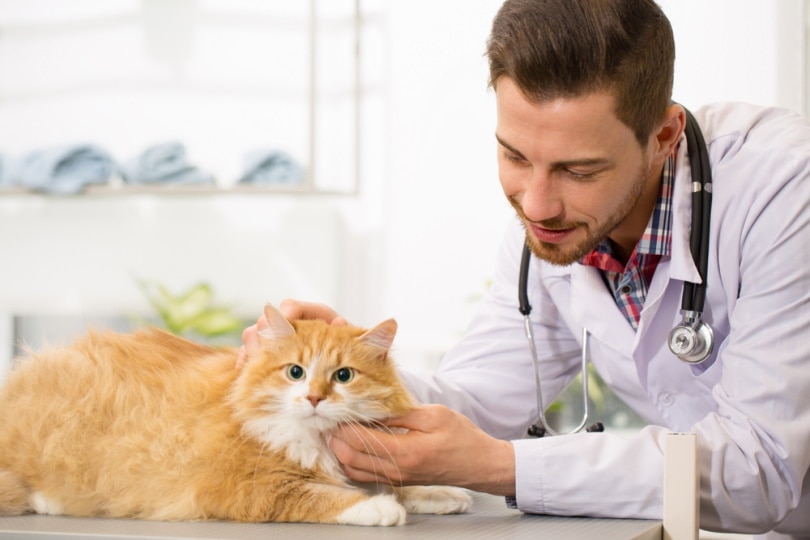
If you're told to take your cat to the vet, your veterinarian will examine your fur baby and ask you about their health history and the symptoms they're showing. The vet may prescribe anti-nausea, anti-inflammatory, or pain medication if the signs don't subside.
The treatment for toxic plant ingestion varies depending on the toxin involved and your cat's overall condition. With any luck, your furry friend will need minimal treatment and will fully recover. The calcium oxalate raphides in Caladium are released when any part of the plant is chewed, and they cause physical damage to the tissues of the mouth and digestive tract as they are swallowed. This causes almost immediate signs of distress and will usually stop your cat from eating more of the plant. Offering a small amount of milk or yogurt may help bind the crystals and give your cat some relief.
Know the Risk of Ingesting Toxic Plants
While some cats are careful about what they eat, others can't help but check out every object in the house. For the most part, curious young cats and kittens are at the highest risk of eating harmful plants, especially if those plants are kept indoors.
If your cat lives entirely inside your home and can't go outside, they may get bored often. This boredom could result in them looking for something to play with or explore, which could be your houseplants. Indoor cats and toxic houseplants do not go well together, so double-check if the plants at your house are safe. Get rid of any potentially dangerous plants for pets, or at least put them behind a closed door to keep your cat away from them.
If your cat can go outside, they probably have plenty of other things to do instead of nibbling on unfamiliar plants. Since they have free access to lots of plants outdoors, they are less likely to nibble on your indoor plants, although it is still possible. Don't take any chances. If you want to keep your cat safe, remove all toxic plants indoors. You'll feel better knowing your little tiger can't get sick from something within your control.

Other Houseplants Toxic to Cats
In addition to Caladium, several other common houseplants are toxic to cats, including, but not limited to, the following:
- Devils' Ivy
- Eucalyptus
- English Ivy
- Hydrangea
- Azaleas
- Sago Palm
- Jade
- Spanish Thyme
- Yew
- Lily of the Valley
- Aloe Vera
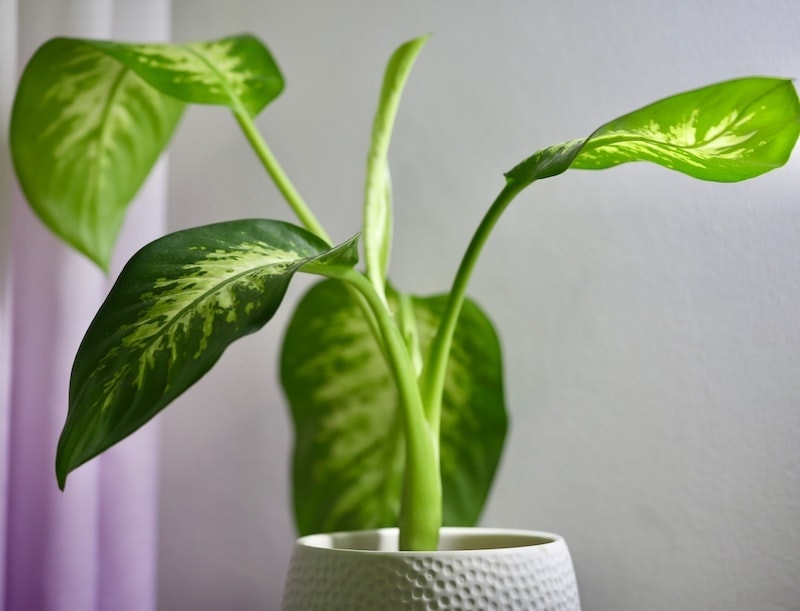
- Dumbcane
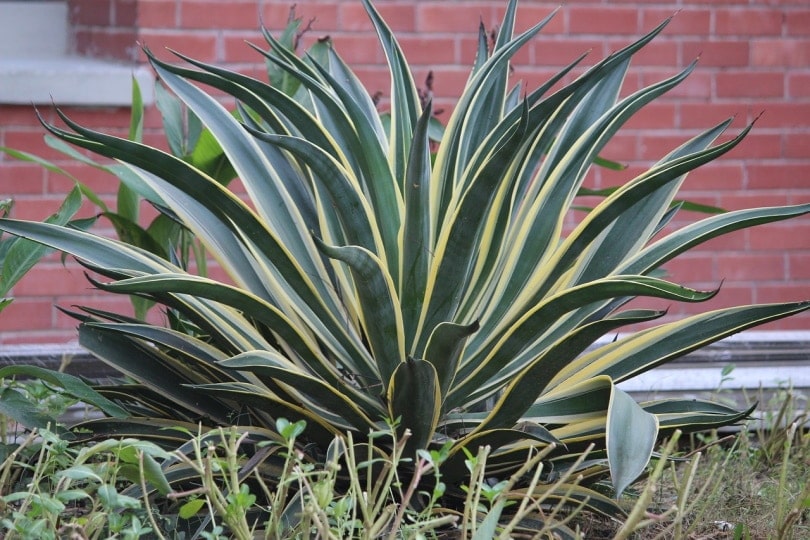
- Snake Plant
Non-Toxic Plants for Cats
If you're a plant lover who is feeling discouraged about keeping your cat safe, don't despair! There are plenty of non-toxic houseplants you can have that aren't dangerous. Here are a few cat-friendly plants you can grow at home without worrying if they'll harm your feline friend.
- Parlor Palm
- Venus Flytrap
- Friendship Plant
- Baby Tears
- Spider Plant
- Date Palm
- African Violet
- Boston fern
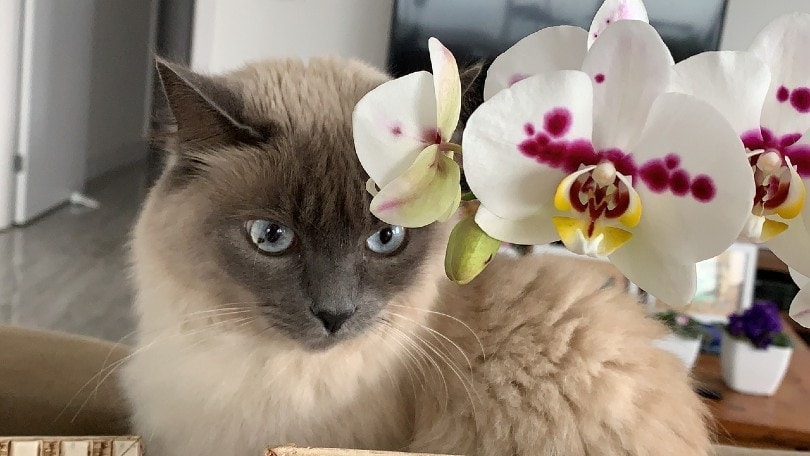
- Orchid
- Herbs including basil, thyme, and rosemary
If your kitty can't help but munch down on greenery, it's wise to grow some cat grass. This is an all-natural treat that requires no green thumb to grow and is safe for your cat to eat. While you're at it, pick up some catnip so they can have some harmless fun while you sit back and enjoy their hilarious feline antics!
Conclusion
If you love houseplants as much as you love your cat, you can have the best of both worlds as long as you're careful. Caladium is toxic to cats, as are many other houseplants, but there are lots of beautiful, non-toxic plants that can live in harmony with your feline. Just be sure that any new plant you bring home is safe for all your fur babies.
Related Read:
Sources
Featured Image Credit: Poetra.RH, Shutterstock
Get Hepper In Your Inbox


Pet care tips from our vets and experts, straight to your inbox.
You may opt-out at any time. View our Privacy Policy for more information.
Nicole is a lover of animals of all sizes but is especially fascinated with the feline variety. She’s the proud mom of Baby, a Burmese, and works every day so he can relax in the sunshine or by the fire. She’s always had a cat in her home and has spent countless days with others, observing behaviors and softening up even the grouchiest of the lot. Nicole wants to share her kitty expertise with you so you and your cat can live happy, healthy, and care-free.
Join the conversation
Ask a question, share your story, or send private feedback.