Hepper is reader-supported. When you buy via links on our site, we may earn an affiliate commission at no cost to you. Learn more.
Are Bichon Frises Hypoallergenic? Vet-Approved Facts & Tips


In this article
If you suffer from allergies, having a hypoallergenic dog in your house might seem like the ideal solution! You've probably heard the term hypoallergenic thrown around quite a bit, but what exactly does it mean?
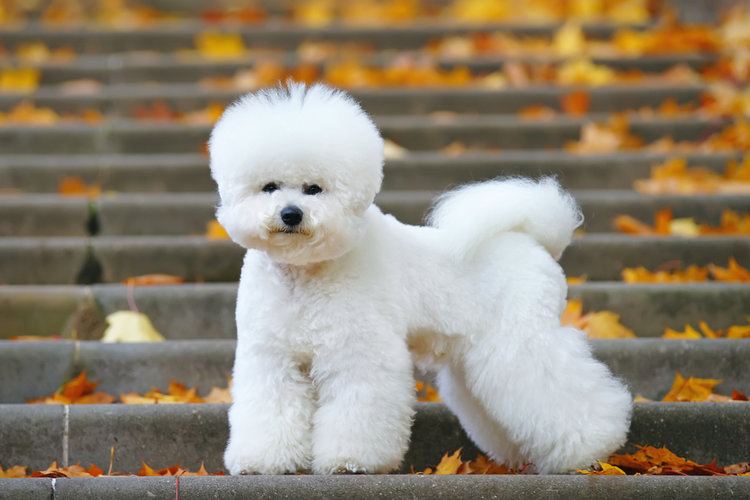
A hypoallergenic dog means a dog that won’t trigger your allergies. But as exciting as that may sound, unfortunately, there is no such thing as a hypoallergenic dog. Bichon Frises have a reputation for being ideal for dog-allergy sufferers, but all dogs produce and release allergens, and therefore, Bichon Frises can’t truly be considered hypoallergenic.
Let's learn more about what you can expect from a Bichon Frise and ways that you can curb allergies for sufferers in the home.

What Exactly Does “Hypoallergenic” Mean?
Hypoallergenic means that the object or entity in question does not trigger allergies. People can have allergic reactions to pets by touching their fur, dander, urine, or saliva. If someone is allergic to pollen and has other types of seasonal allergies, the allergens might be transported via your dog's fur, but they will be mainly airborne.
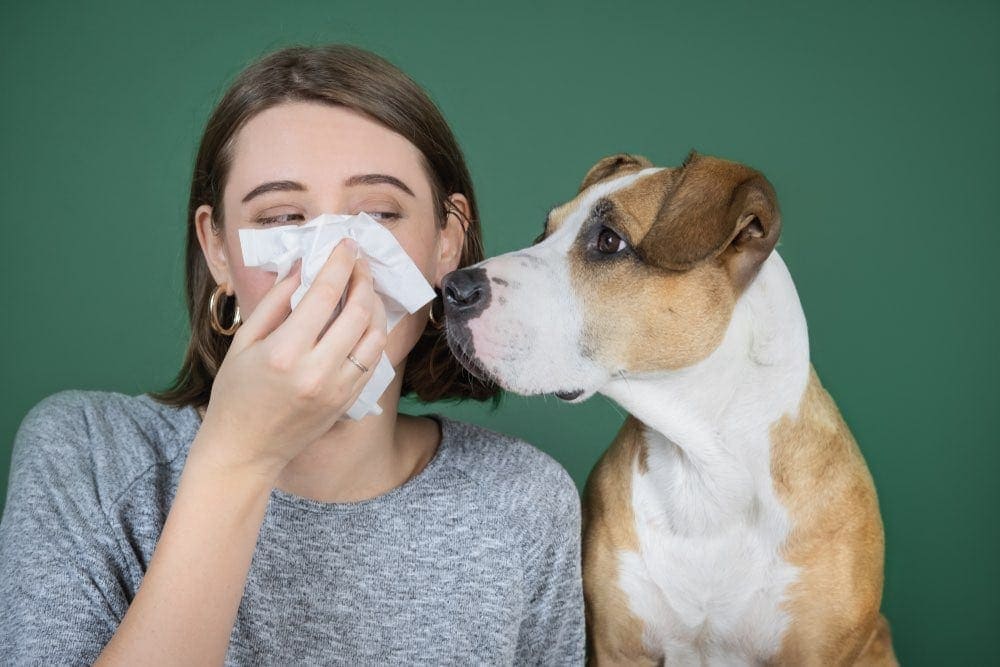
Pet allergies are extremely common, affecting 10% to 20% of the entire world's population. Still, if you or someone in your home suffers from allergies but loves pets, there are a few ways to minimize the presence of allergens in your home.

Signs of Dog Allergies
- Sneezing
- Stuffy nose
- Facial itchiness
- Nasal congestion
- Coughing
- Chest tightness
- Shortness of breath
- Wheezing
- Watery eyes
- Skin rash
- Hives
Everyone's allergies are different and can change with time. Some people have mild to moderate pet allergies, while some people’s allergies are extremely severe. Those with intense allergies might never be able to have a dog of any kind.
Are Bichon Frises Truly Hypoallergenic?
No dog is truly hypoallergenic. Some dogs, such as the Bichon Frise, have a reputation for triggering allergies less often, but this is not backed up by science. So, when it comes to reducing allergy signs, you can try adopting a Bichon Frise, but just know that there is no guarantee that they won’t trigger your allergies. Moreover, each dog produces and releases different amounts of allergens. This means that while one Bichon Frise may not trigger your allergies, another may cause all your allergy symptoms to flare up.
Bichon Frises may not be hypoallergenic, but they are lovely, friendly, and fun dogs, and this is one of the reasons that they're so popular.

About the Bichon Frise
At this point, you may want to know more about the breed in general. So, here are a few fun facts about this particular dog so you know what you're getting into when you adopt one.

Personality and Compatibility
The Bichon Frise is the lap dog at heart. This little dog was bred to be a companion animal, so they thrive on human connection. They will enjoy their time the most when it is spent close to their family members.
But they can also get along with other dogs and other domestic pets like cats and maybe even smaller caged animals. Granted, dogs can hurt caged animals without much force, so never leave a guinea pig, hamster, or any other small animal around your Bichon Frise unattended.
Grooming Needs
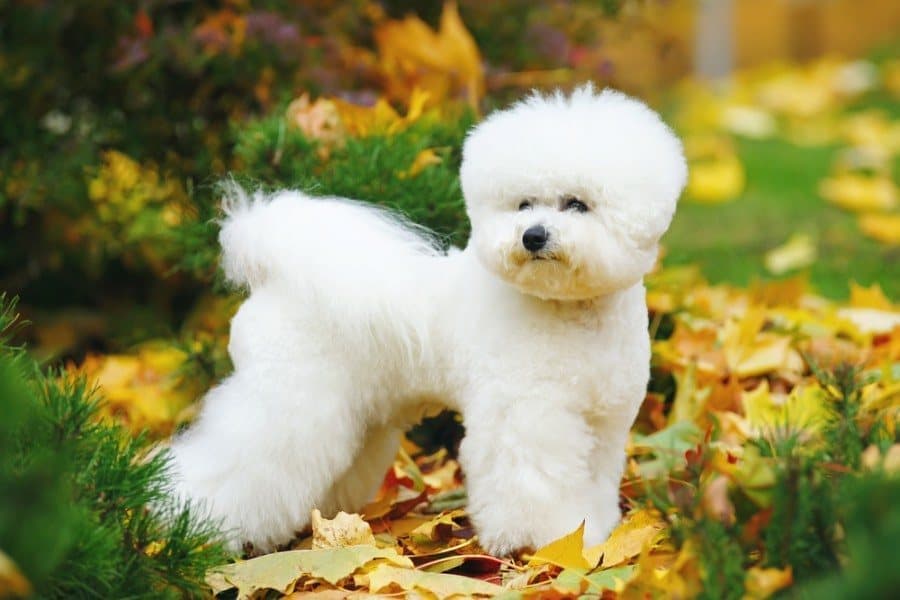
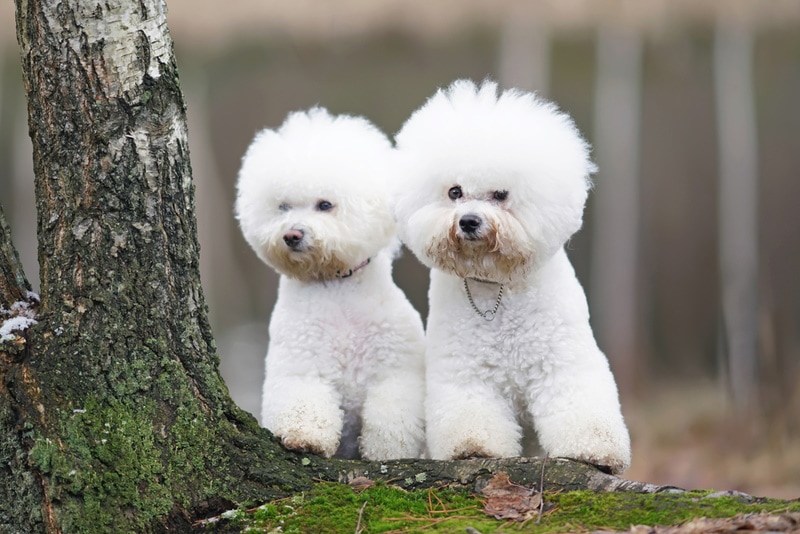
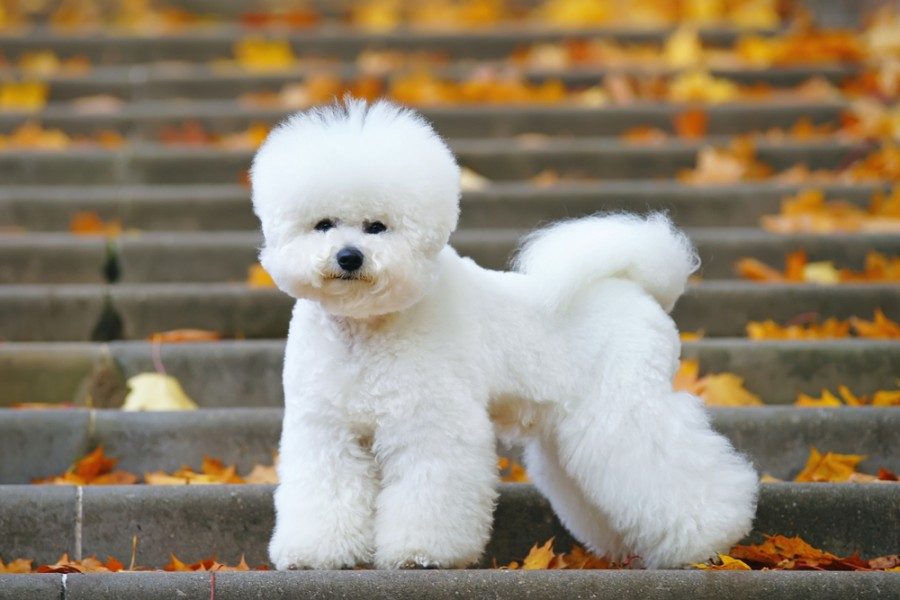
The breed is well known for their plushy, curly fur. They require a hefty amount of grooming to keep that coat looking in tip-top shape. You will need to brush it every day to keep it looking its best. Once you start the grooming process, you'll realize just how little they shed.
Even though your Bichon Frise needs daily brushing, they only need a bath roughly every 6–8 weeks, or even less. They can have very sensitive skin, so always consult your vet for the most suitable shampoo.
Physical Requirements
The Bichon Frise makes an excellent companion animal for all different lifestyles! They are calm enough for seniors and small children but playful enough to keep you busy! They will thrive on taking their morning and evening walks, but they equally enjoy snuggling up with you during downtime.
On average, your Bichon Frise will need approximately 1 hour to 1.5 hours of play daily, but yours might need more! You can also tucker out this breed quite quickly by engaging in friendly rough-play.

Extra Tips to Manage Allergies
Here are a few things that you can do to manage allergies better in the home.
Vacuum Daily
Vacuuming your home will pick up any dust, dander, and debris left over from your pet. This will reduce your exposure to specific allergens. This practice is especially recommended if your home has carpet or fibrous fabrics. Make sure you use a disposable face mask unless you can get a non-allergy sufferer to do it for you. “Dry” cleaning (sweeping and dusting) is not recommended because it can aerosolize allergens and worsen your symptoms.
Brush Your Dog
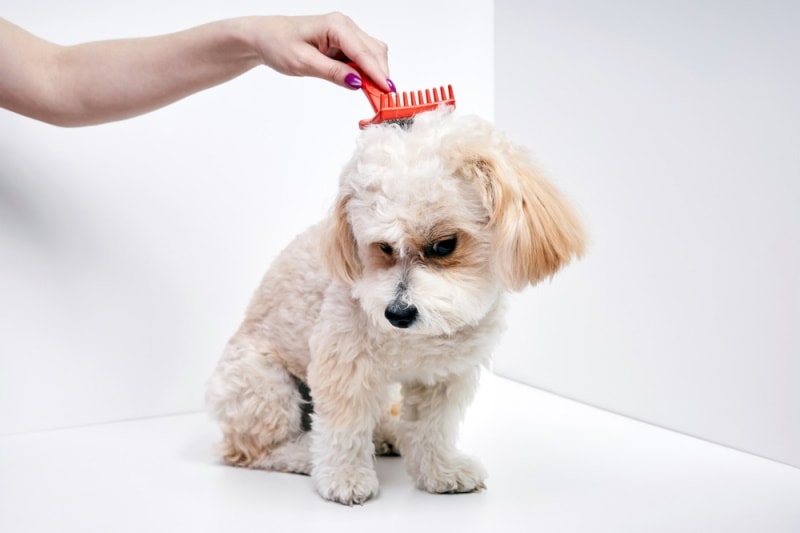
Make sure you brush your dog every 1 or 2 days If you have a Bichon Frise. They will greatly benefit from regular brushing sessions to combat mats and tangles! Slicker brushes are great tools for everyday upkeep because of their general design.

Use Air Filters
Air filters can help combat allergies, but make sure you get one with a HEPA filter. It removes allergens from the air by pushing air through a special screen that eliminates and traps the small particles.
Visit Your Doctor
Your doctor can help you understand your allergies and give you the right advice and even medication to manage them in the best way possible. They can also explain what your allergic threshold is, since you may be suffering from other types of allergies simultaneously. Minimizing your exposure to allergens other than your dog’s can help you stay below your symptom threshold, which means you won’t experience the uncomfortable allergy manifestations, such as runny nose, itchy eyes and sneezing, among others.
Have a Pet-Free Zone
We know, we know. You feel bad exiling your pup for any reason. However, it can be necessary for your own comfort sometimes. Not sharing your bedroom will ensure proper sleep due to not coming in contact with as many allergens.

Final Thoughts
So now you know that even though no dog is 100% hypoallergenic, but that doesn’t mean you can’t enjoy the company of a beautiful, white, fuzzy Bichon Frise. Just be aware that unfortunately, no one can assure you that one dog breed won’t trigger your allergies. Bichon Frises are extremely people oriented, fitting in with various lifestyles, which makes them a perfect choice for all sorts of families and various age groups. If you have an allergy sufferer in your home, it is worth trying to interact with this dog to see if they are compatible with them!
Sources
Featured Image Credit: Eudyptula, Shutterstock
Get Hepper In Your Inbox


Pet care tips from our vets and experts, straight to your inbox.
You may opt-out at any time. View our Privacy Policy for more information.
Ashley Bates, a freelance writer with a passion for pets, is currently studying animal therapy. She is a mother to four children and 23 pets, both furry and feathery. Ashley actively volunteers at local shelters, advocates for animal welfare, and rescues animals in distress. Her mission is to promote awareness, education, and entertainment about pets to help prevent animal homelessness. She specializes in the care and well-being of dogs and cats.
Join the conversation
Ask a question, share your story, or send private feedback.