Hepper is reader-supported. When you buy via links on our site, we may earn an affiliate commission at no cost to you. Learn more.
Are Papillons Hypoallergenic? Vet-Reviewed Facts & Tips



In this article
Papillons are active, small active dogs with vibrant personalities. Most weigh anywhere from 4 to 9 pounds and top out at around 11 inches at the shoulder. They were bred to be loyal companion animals, so they make fantastic lap dogs. They have stunning butterfly-shaped ears, and Papillon means butterfly in French. They have medium-long, silky fur that comes in several shades, but white is frequently involved in dogs with bi-color coats. However, if you are looking for a hypoallergenic companion, you may need to search further. Papillons aren’t considered good choices for allergy sufferers.

What Causes Human Allergies to Dogs?
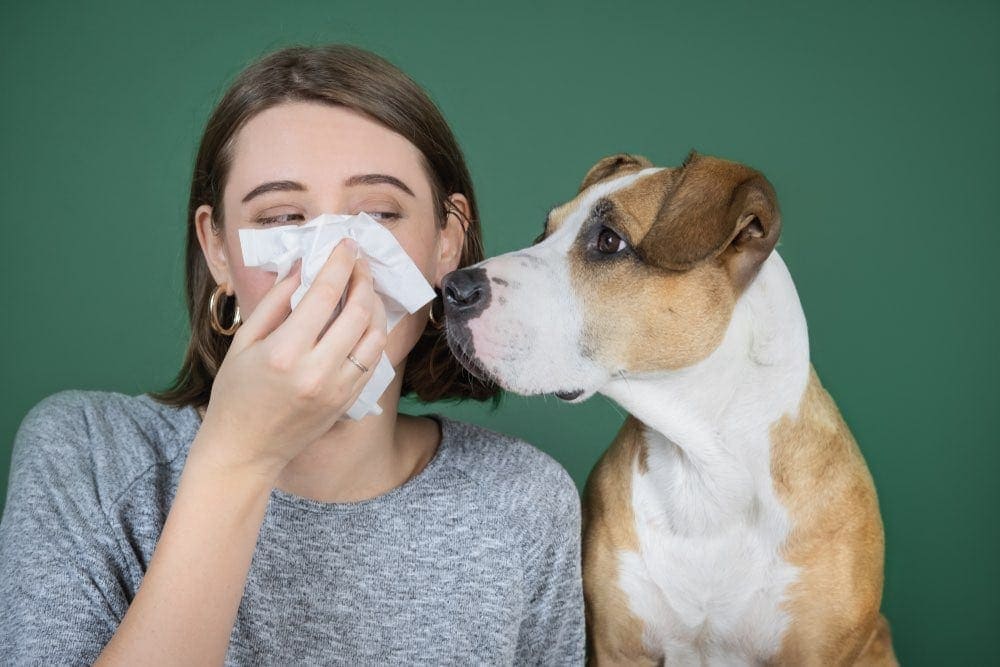
Allergies to dogs are immune system reactions to triggering proteins found in canine saliva, skin, and dander. There are at the time of writing 7 known dog allergens and they are termed Can f1 through to Can f7.1 When dogs shed, they release dander that contains the proteins that cause allergic reactions in people.
Dander is often identified as the biggest culprit because it hangs around for long periods and often sticks to carpets and furniture like sofas and upholstered chairs. Dog saliva, which also contains allergy-triggering proteins, often ends up on furniture and bedding. The allergen particles in saliva can become airborne once dry and cause some people to react. There is even a protein Can f5 that is specific to entire male dogs and is found in urine.

Do Hypoallergenic Dogs Exist?
Because all dogs have at least some of the proteins that most commonly cause people to have allergic reactions, it’s impossible to find a truly hypoallergenic dog. And even so-called allergy-friendly and hypoallergenic breeds can trigger symptoms in some people.
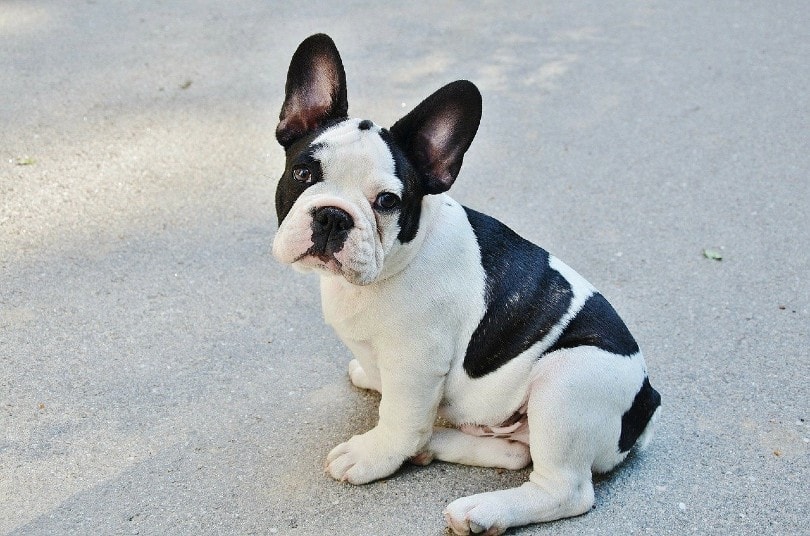
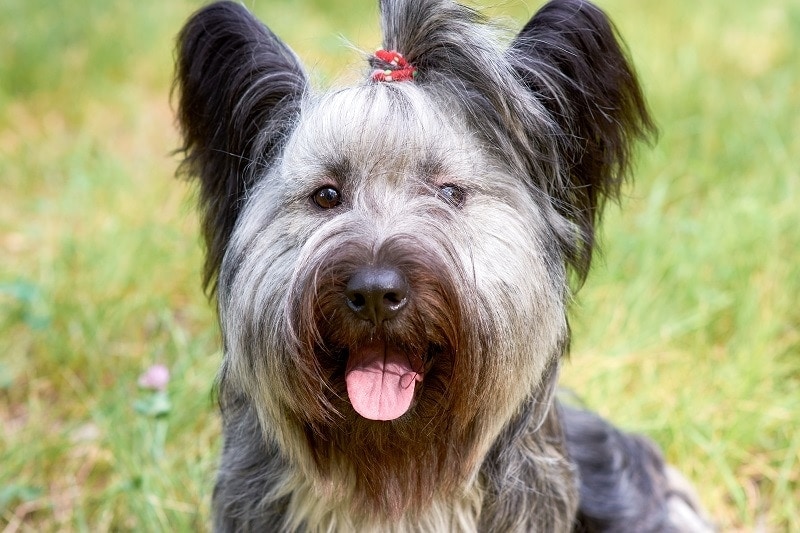
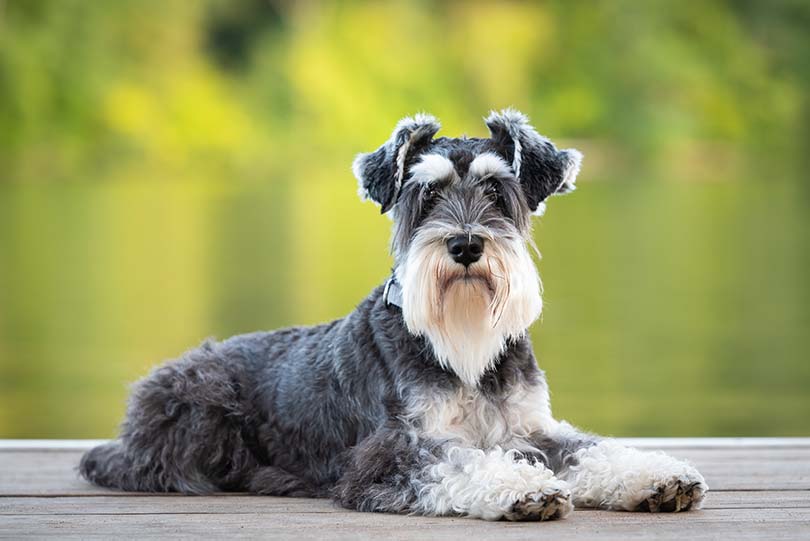
However, several breeds are often considered good options for people with sensitivities to dogs, including Bichon Frises, Schnauzers, American Hairless Terriers, Poodles, Chinese Crested Dogs, Portuguese Water Dogs, and Shih Tzus. This really is down to the individual person and dog.
Dogs that don’t shed much are often considered suitable pets for allergy sufferers as they often release less dander into the environment, which can sometimes help improve minor allergy symptoms. Because dogs all produce slightly different mixes of proteins, it's possible to be allergic to one specific animal and not have any problems around another of the same breed. In case you’re wondering, cat allergies are far more common than sensitivities to dogs.
In two studies, it was actually found that Poodles produced more allergens than Labradors.2

The 5 Ways to Minimize Exposure to Pet Allergens at Home
Yes. You can take several steps to help reduce the amount of pet dander in your home, which may help manage some allergy symptoms, including frequently bathing your dog and vacuuming your home.
1. Bathe Your Dog
Giving dogs regular baths can sometimes help manage allergy symptoms, and rinse-offs can remove dander that’s accumulated on pets’ fur. Avoid using human products on your dog, as even the gentlest brands developed for people are often too harsh for sensitive canine skin. Remember that frequent bathing can dry and irritate your dog’s skin. Your veterinarian can tell you how often it’s safe to bathe your dog and recommend the best bathing products.
2. Groom Your Dog
Brushing your dog is a simple and efficient way to get rid of dander and keep your buddy’s skin and fur in great shape. Dogs with long coats require daily brushing, while shorthaired pups usually get by with far less attention. Once a week is just about right for limiting the amount of dander on short-haired dogs’ coats.

3. Give Your Dog a Wipedown
Before your dog comes inside from an outdoor romp, a quick wipe-down can help limit the amount and variety of allergy triggers in your home. After enjoying the great outdoors, dogs often end up with pollen on their coats. A damp cloth can get rid of some allergy triggers.
4. Vacuum Your Home
Frequent vacuuming can remove pet dander and other allergy triggers. Places like the corners and under furniture are notorious for accumulating fur and pet dander, so they generally require extra attention. Pet bedding and upholstered furniture such as sofas should also be thoroughly cleaned.
5. Use an Air Filter
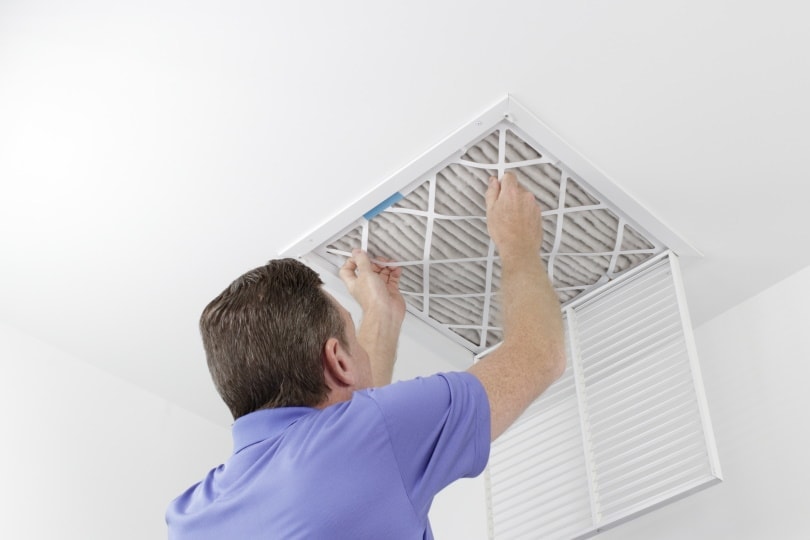
HEPA air filters do a solid job of removing allergens and other small particles from the air. While these products can’t eliminate all pollen, mold, and dander, high-quality models keep airborne particles to a minimum, which may make allergies easier to manage.
I’m Allergic to Everything, but Can I Adopt a Dog
Make an appointment to speak with a physician specializing in treating allergies because the first step is to determine if you are allergic to dogs! People who aren’t allergic to dogs sometimes react to mold, pollen, and dust on pets’ fur.
Once your allergies are pinned down, you can decide on the most appropriate steps when it comes to adopting a pet. If you’re not sensitive to dog dander, you’ll be in the clear to get a canine companion.
However, those who are allergic to dogs can benefit from allergy shots, which can reduce the intensity and severity of some reactions. Allergy shots don’t work immediately and may take several months to years to build up your tolerance.
Conclusion
Papillons are sweet, affectionate lap dogs known for their charming personalities and reasonably calm temperaments. Most have long silky coats that require regular brushing, but the gorgeous dogs aren’t hypoallergenic or even on the list of dogs recommended for allergy sufferers. They produce the proteins responsible for triggering allergies and aren’t considered a low-shedding breed. It is always recommended to spend time with the individual dog you are considering to have join your family to ensure they don’t trigger your allergies.
Sources
Featured Image Credit: Miachikova Natalia, Shutterstock
Get Hepper In Your Inbox


Pet care tips from our vets and experts, straight to your inbox.
You may opt-out at any time. View our Privacy Policy for more information.
Lorre Luther a reformed lawyer from the United States, she moved to the Netherlands to follow her dream and become a writer. Currently living in Rotterdam, Lorre enjoys traveling and reveling in the astonishing beauty of our planet. As an animal lover, Lorre is convinced that cats are smarter than humans.
Join the conversation
Ask a question, share your story, or send private feedback.