Hepper blog

Search our database of over 9,984 posts with up-to-date information from our experts and veterinarians.

Hepper is reader-supported. When you buy via links on our site, we may earn an affiliate commission at no cost to you. Learn more.

Is Kalanchoe Poisonous to Cats? Vet Approved Facts & Safety Guide

By Nicole Cosgrove · Reviewed & fact-checked by Dr. Lorna WhittemoreVet Approved
Dr. Lorna Whittemore
Reviewed & Fact-Checked byDr. Lorna WhittemoreVeterinarian
Lorna is a Scottish vet who has lived, studied, and worked on three continents and has a love of travel. With 20 years of experience in small animal medicine andsurgery, both in the charity and private sector. Gaining a further qualification in feline medicine has given her a continued sense of amazement at the fabulous animals. Currently living in Cape Town, South Africa, with her family and expanding number of pets allows her to spend time in and around nature where she is at her happiest. With a love for learning, Lorna is enjoying researching, editing, and fact-checking for Hepper veterinary editorial team and truly feels that she has the best job in the world!View authorThe information is current and up-to-date in accordance with the latest veterinarian research. Read about our vets
Share
Ask us a question in the comments
Kalanchoe

Kalanchoe is one of the most popular indoor house plants, but it is toxic to cats and dogs. It's important to keep this plant away from your cat as a result. It's also a good idea to know the signs of Kalanchoe ingestion so you can contact your vet if your cat shows any worrisome signs.

The good news is that Kalanchoe isn't particularly fatal, but it can definitely cause your cat to be uncomfortable and sick. Scroll down to learn more.

Kalanchoe Overview
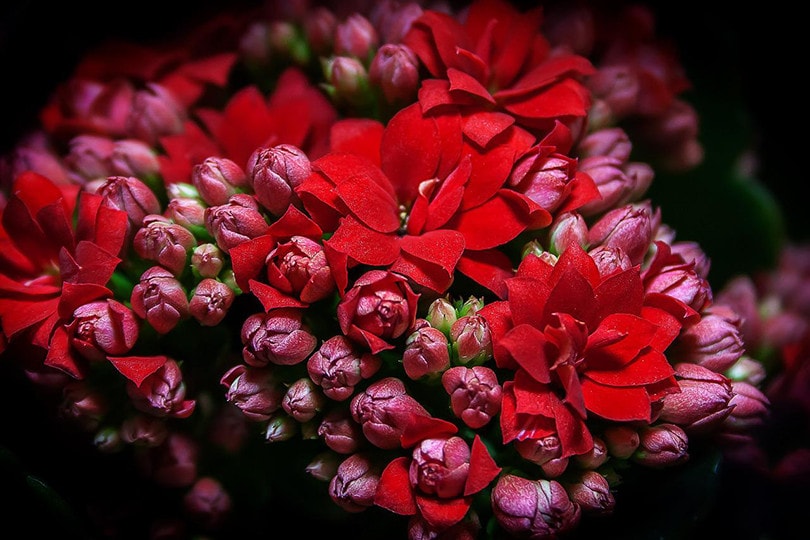
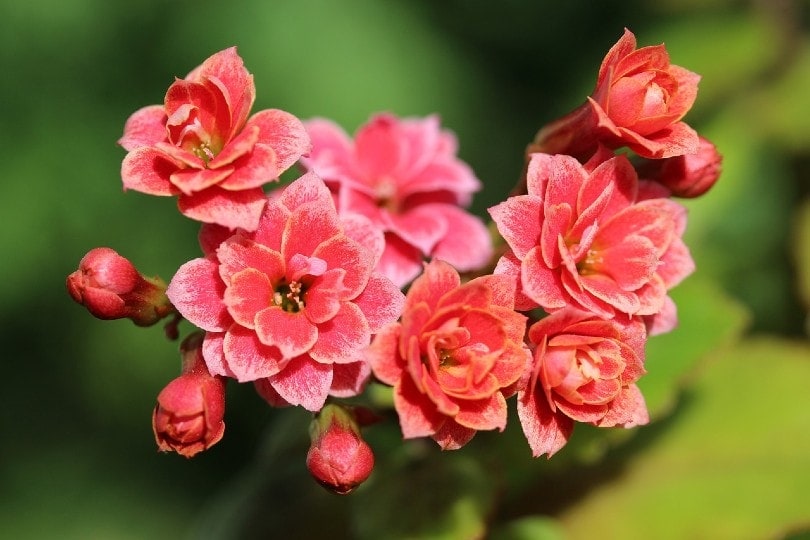
Kalanchoe
Image Credit: Foto-Rabe, Pixabay
Scientific Name:Kalanchoe blossfeldiana
Other Names:Mother-in-Law Plant, Devil’s Backbone, Chandelier Plant, and Mother of Millions
Family:Crassulaceae
Toxicity:Toxic to dogs and cats
Toxic Compounds:Bufadienolides
Signs of Kalanchoe Ingestion:Vomiting, diarrhea, and abnormal heart rhythm

Kalanchoe is a low-maintenance, beautiful indoor plant, which is why it is so popular. Its blooms can be an assortment of colors, including white, pink, red, magenta, yellow, and orange. They can truly brighten up any spot, as long as they get a lot of sun.

Is Kalanchoe Poisonous to Cats?

Even though Kalanchoe makes a great indoor plant, it isn't always a good choice if you have cats or dogs in the household. This plant includes bufadienolides (cardiac glycosides), which are toxins that affect the heart. In most cases, your cat will stop eating the plant before it can cause any real damage.

However, your cat may throw up or experience diarrhea, even if they only eat a little bit. If your cat consumes a large amount, the side effects can be more serious. All these side effects apply to dogs in addition to cats.

Signs Your Cat Has Ingested Kalanchoe

If your cat consumes even a little bit of Kalanchoe, the most common side effects include vomiting and diarrhea. Vomiting tends to happen quickly after the cat has consumed the toxin, within a couple of hours. If your cat ingests a large amount, it can experience weakness and even collapse. In rare cases, Kalanchoe causes abnormal heart rhythm and rates.
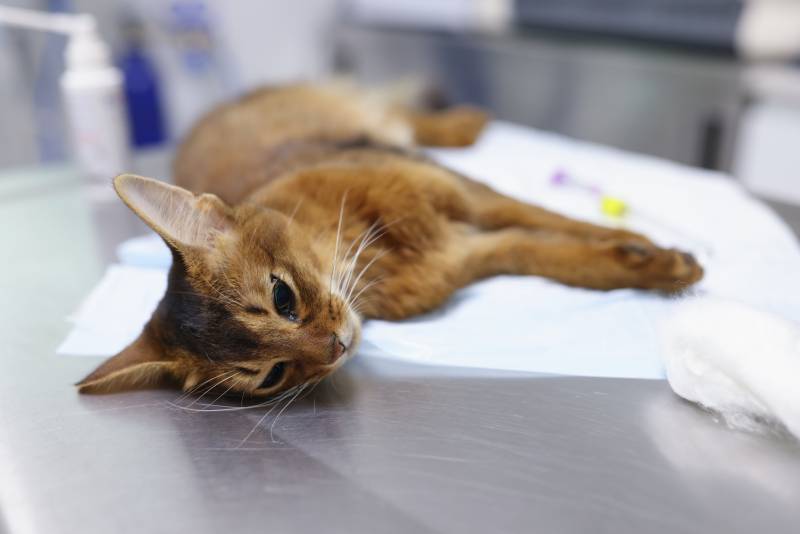
Sick cat on operating table in veterinary office
Image Credit: megaflopp, Shutterstock

What to Do if Your Cat Has Ingested Kalanchoe

If you believe that your cat has ingested some Kalanchoe, don't panic right away. It is very unlikely that your cat will experience severe side effects from this plant. More than likely, your cat will just experience vomiting or diarrhea.

However, you still need to keep a close eye on your cat. If your cat begins throwing up or experiencing diarrhea, call your vet for advice. Depending on the hour, you might need to call the ASPCA Animal Poison Control Center instead. They are available 24/7.

Unless your cat is experiencing serious fatigue or abnormal heart rates, your vet will likely recommend fluids and monitoring. Your vet might also induce vomiting to make sure all of the plant is out of your cat’s system. Either way, your cat is very likely to get back to normal soon.

Prevention Measures: How to Keep Your Cat Safe From Kalanchoe

If you have a cat in your household, it's best to just keep Kalanchoe away. Even though this plant is not deadly for cats, you still don't want to cause your cat to get sick. Instead, select cat-safe plants, such as the Polka Dot Plant or Boston Fern. These plants are beautiful, low maintenance, and, most importantly, cat friendly.

We understand that you might want to keep your Kalanchoe. In that case, make sure to put the plant in a location the cat will have difficulty reaching. Additionally, provide your cat with a lot of toys and activities so that they are unlikely to get bored and eat the plant.
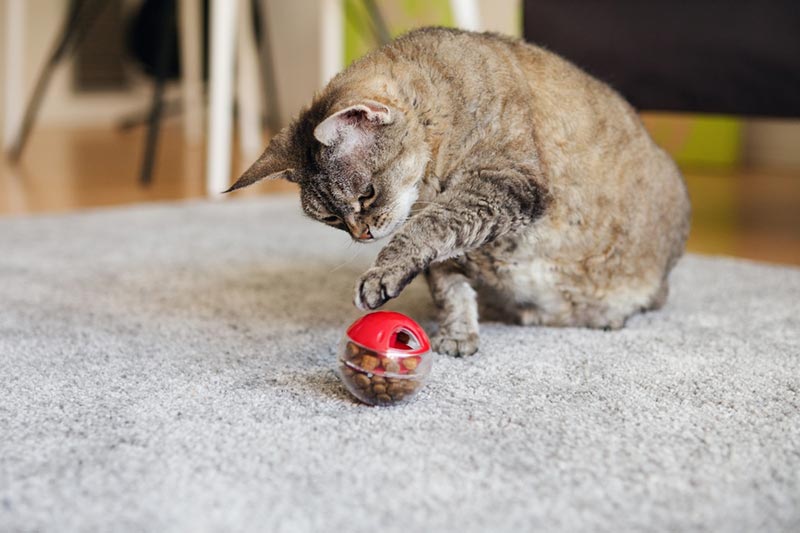
cat playing with a treat dispensing toy
Image Credit: Veera, Shutterstock

Final Thoughts

Even though Kalanchoe is a great plant to have around your home, it isn't ideal for households with cats. The good news is that this plant is rarely lethal or causes any serious side effects.

Still, make sure your cat is safe by keeping Kalanchoe away from your home. If your cat happens to eat some of this plant, keep a close eye on it and call your vet or the ASPCA poison Control Center to make sure your cat gets the veterinary care they need in a worst-case scenario.

Related Reads:


Featured Image Credit By:  Chesna, Pixabay

Get Hepper In Your Inbox

Pet care tips from our vets and experts, straight to your inbox.

List

Select all that apply.

You may opt-out at any time. View our Privacy Policy for more information.

Nicole Cosgrove
Authored by

Nicole Cosgrove

Join the conversation

Ask a question, share your story, or send private feedback.
Rate this post
Required to post. Only our editors see your rating.
Who should see this?

A human reviews every comment before it appears. Your email is never published.

Picked to go with this article

Is Sedum Toxic to Cats? Vet-Verified Facts & Safety Guide

Is Sedum Toxic to Cats? Vet-Verified Facts & Safety Guide

Some succulents are toxic to cats, dogs, and horses, but sedum, also referred to as stonecrop, is not poisonous to cats. The sedum genus includes several hundr…

Nicole Cosgrove
By Nicole Cosgrove ·
Can Cats Eat Succulents? Vet-Reviewed Facts & FAQ

Can Cats Eat Succulents? Vet-Reviewed Facts & FAQ

Succulents are easy to grow and therefore, are extremely prevalent in modern homes. However, cats tend to get into everything, and if you have succulents and c…

Nicole Cosgrove
By Nicole Cosgrove ·
My Cat Ate a Poinsettia Leaf, What Should I Do? Vet-Approved Facts & Advice

My Cat Ate a Poinsettia Leaf, What Should I Do? Vet-Approved Facts & Advice

There are many different things in your household that could be toxic to your cats including things like plants, different foods, or oils. It is very important…

Krystal Facey
By Krystal Facey ·
Are Calla Lilies Poisonous to Cats? (Vet Answer)

Are Calla Lilies Poisonous to Cats? (Vet Answer)

Calla lily plants produce beautiful flowers that are highly recognizable for their popular, trumpet-like shape. While the white calla lily is one of the most w…

Dr. Lindsay Bisset
By Dr. Lindsay Bisset ·

Keep reading

More stories you might like

Are String of Hearts Plants Toxic to Cats? Keeping Your Cats Safe

If you’re a plant lover with a green thumb, you know the complications of keeping your lovely houseplants alive with your ferocious feline running about. Not o…

Ashley Bates
By Ashley Bates ·
Are String of Hearts Plants Toxic to Cats? Keeping Your Cats Safe

Are Poinsettias Toxic to Cats? Vet-Reviewed Potential Health Risks

Cats are curious creatures that enjoy checking out different plants, trees, and other natural occurrences when spending time outside. Most types of foliage and…

Rachael Gerkensmeyer
By Rachael Gerkensmeyer ·
Are Poinsettias Toxic to Cats? Vet-Reviewed Potential Health Risks

Is Caladium Toxic to Cats? Vet Approved Facts & FAQ

Caladium is an eye-catching plant with heart-shaped, multicolored leaves. It is also commonly known as the elephant ear, the heart of Jesus, and angel wings. I…

Nicole Cosgrove
By Nicole Cosgrove ·
Is Caladium Toxic to Cats? Vet Approved Facts & FAQ

Is Rhododendron Poisonous to Cats? Vet-Reviewed Risks & Alternatives

Because there are so many varieties of rhododendron, and some go by different names, they can be difficult to identify correctly. A dangerous plant can go unde…

Nicole Cosgrove
By Nicole Cosgrove ·
Is Rhododendron Poisonous to Cats? Vet-Reviewed Risks & Alternatives

Are Begonias Poisonous to Cats? Vet-Approved Facts & Safety Guide

Begonias are popular annual plants commonly used in gardens and as household plants. They are generally easy to grow and take care of, and come in several vari…

Kathryn Copeland
By Kathryn Copeland ·
Are Begonias Poisonous to Cats? Vet-Approved Facts & Safety Guide

Are Snake Plants Toxic to Cats? Vet-Approved Safety Guide

The snake plant is a common but popular plant that many people like to keep as a houseplant. They’re easy to look after and quite pretty, but like many plants,…

Kathryn Copeland
By Kathryn Copeland ·
Are Snake Plants Toxic to Cats? Vet-Approved Safety Guide

Is Echeveria Toxic to Cats? Vet-Approved Safe Plants for Felines

Succulents are plants native to desert locations that get their name from their thick, fleshy, sap-filled leaves. If you’re a cat lover who also loves succulen…

Nicole Cosgrove
By Nicole Cosgrove ·
Is Echeveria Toxic to Cats? Vet-Approved Safe Plants for Felines

Is Oxalis (Shamrock Plant) Poisonous to Cats? Vet-Verified Facts & Safety Tips

We all know the shamrock plant (Oxalis), also known as sorrel or good luck plant, for being the harbinger of good luck and fortune. These pretty little plants…

Nicole Cosgrove
By Nicole Cosgrove ·
Is Oxalis (Shamrock Plant) Poisonous to Cats? Vet-Verified Facts & Safety Tips