Hepper is reader-supported. When you buy via links on our site, we may earn an affiliate commission at no cost to you. Learn more.
Are Ferrets Nocturnal? Vet-Verified Sleeping Pattern Info


In this article
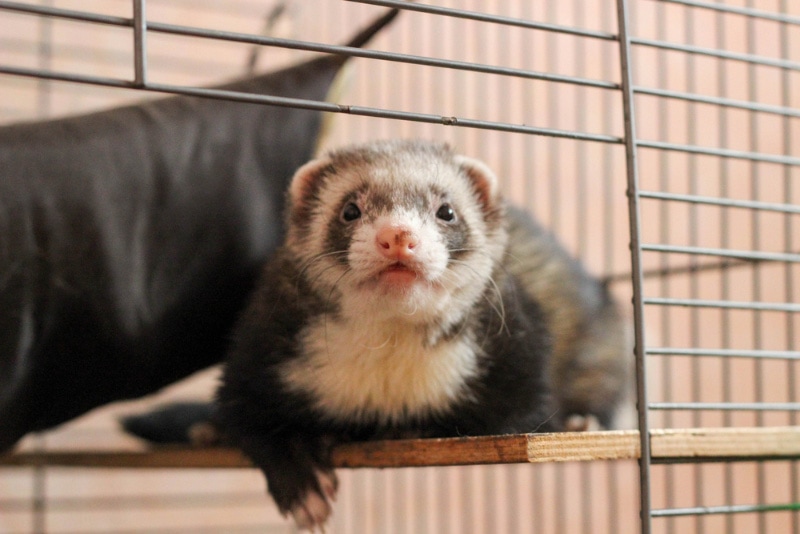
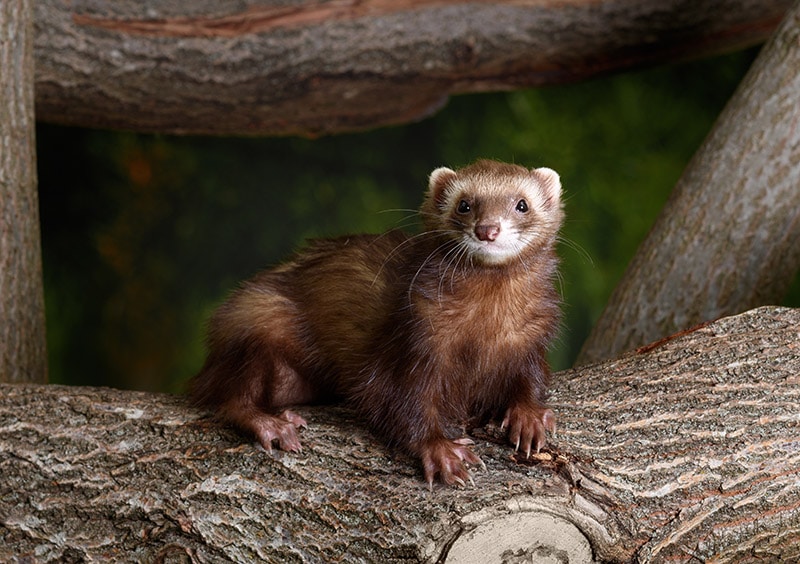
Ferrets are popular pets that make great house companions because they’re friendly, inquisitive, and generally enjoy spending time with their people. Another reason they can make good pets is that ferrets are crepuscular, which means they are active at dawn and dusk, rather than nocturnal.
Crepuscular pets are especially suited to working parents because they will be active before and after work. However, ferrets will adapt their patterns according to their owners, which means you can enjoy time with your ferret when you’re active and they will sleep when you’re not around.

About Ferrets
These pets are highly inquisitive little critters. They are domesticated animals that are descended from European polecats. They are sociable and prefer to be kept in a group, known as a business or fesnyng (pronounced as fez-ning).
They are curious, which makes them relatively easy to hand-tame, and they can form a very close bond with their human owners. Although they do sleep much of the day, when ferrets are awake, they're very active. They will investigate just about anything in their vicinity and are considered naturally inquisitive. In fact, a ferret that seems disinterested in their surroundings is likely very stressed and probably requires veterinary care.

Are Ferrets Nocturnal?
Many prospective owners believe ferrets to be nocturnal because they sleep for the majority of the day. However, they are crepuscular1. Crepuscular animals are most active at dawn and dusk. For those owners that go to work during the day, this natural pattern means they can spend time with their ferrets when they’re at home.
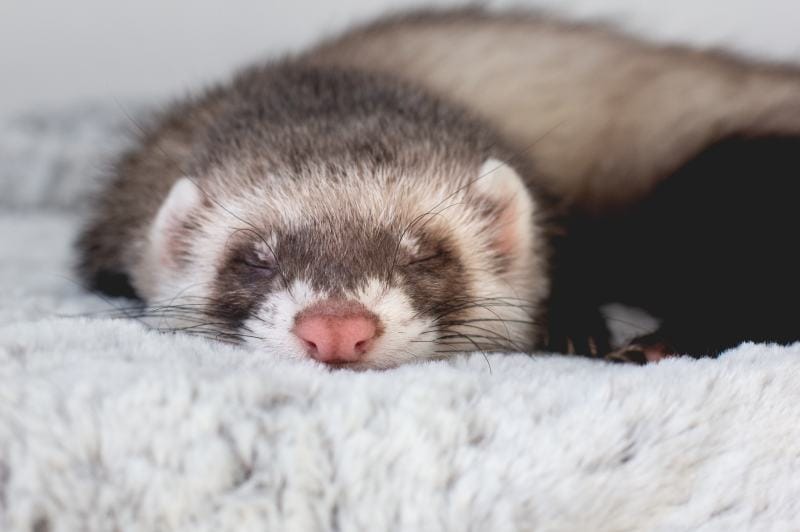
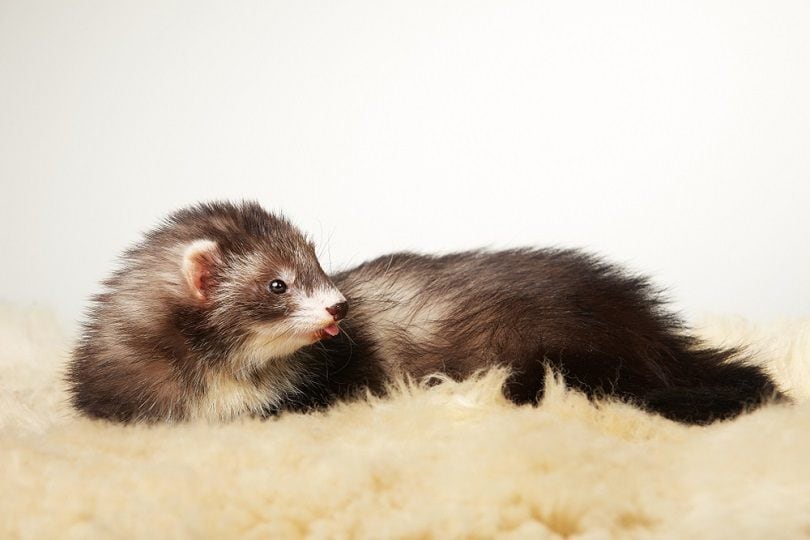
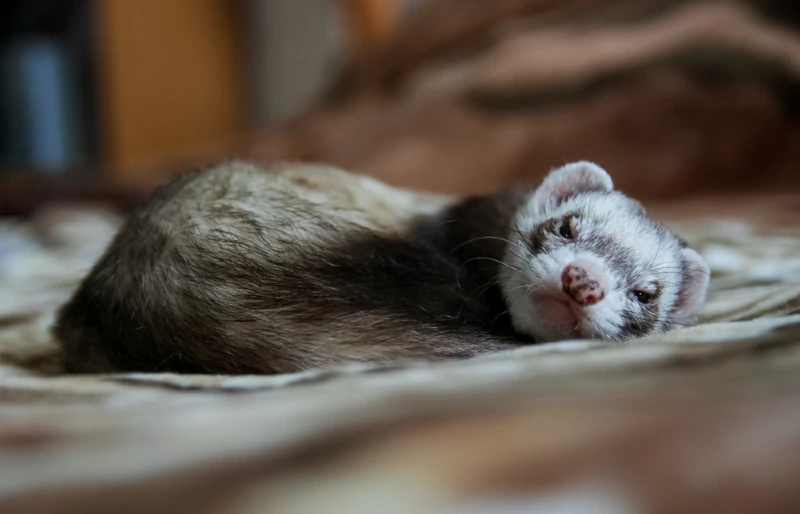
Healthy adult ferrets sleep anywhere from 18 to 20 hours a day. They often sleep during the day and are most active at dawn and dusk. If your ferret is sleeping more or less than this, you should determine whether there are any possible causes and if in doubt, have them checked over by a vet.
Can You Wake a Ferret Up?
Although they are naturally crepuscular, ferrets can adapt to your timetable, as long as they are given adequate sleep and plenty of enrichment and exercise. You can wake a sleeping ferret, but you should do so gently to avoid scaring them. Ideally, wake your ferret up using a gentle voice.
It is important to note that just like us, ferrets require sleep for various health benefits. Unless absolutely necessary, you shouldn’t wake your ferret from their sleep. Also, a startled ferret may instinctively bite when abruptly roused from their slumber.
Do Ferrets Need Darkness to Sleep?
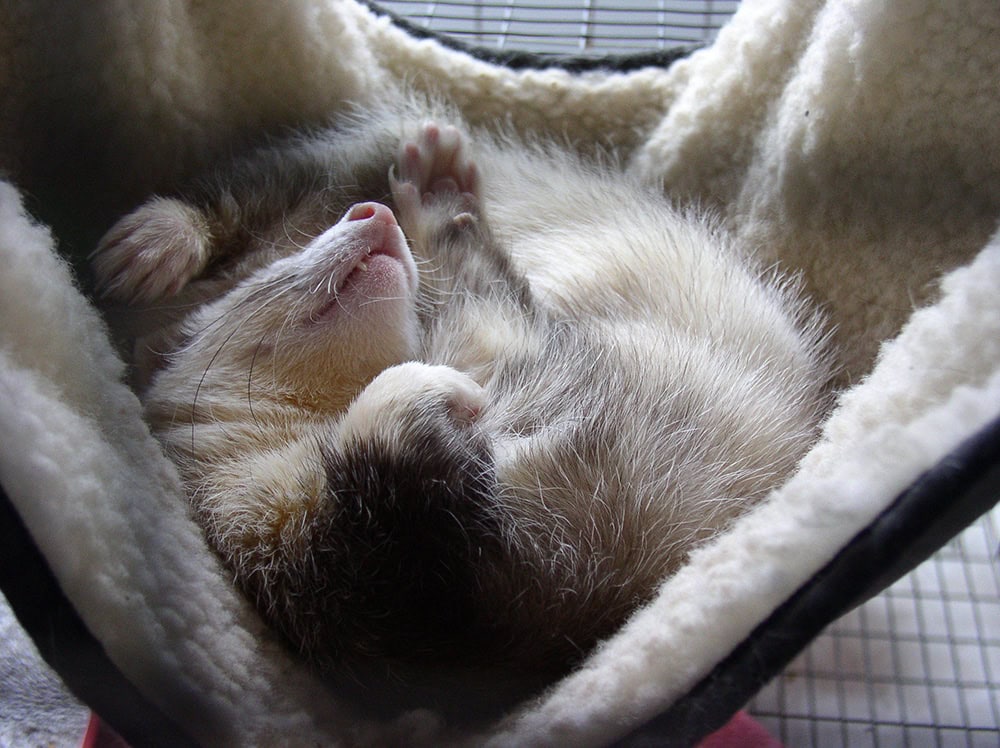
In the wild, polecats dig burrows in which to sleep. As such, they prefer darkness to sleep, although they can fall asleep during the day and in well-lit rooms. Offer a hammock bed and try to ensure it is in a calm and dark spot in your ferret’s cage as this will encourage restful sleeping.

The 5 Facts About Owning Ferrets
Their crepuscular routine makes the ferret a good choice of pet for many owners, and this is just one reason that they have become a popular caged, domesticated animal. They are friendly, form close bonds with their owners, and are fun. But they also place some serious demands on their humans.
1. They Need Time Out of Their Cage
Ferrets are lively and inquisitive, and leaving them in their cage all day doesn’t allow them adequate time to roam and explore. It is generally accepted that a ferret needs at least 4 hours a day out of their cage. You can let them roam free in a room that you have properly secured, and they will usually enjoy spending time running around (and over) you.
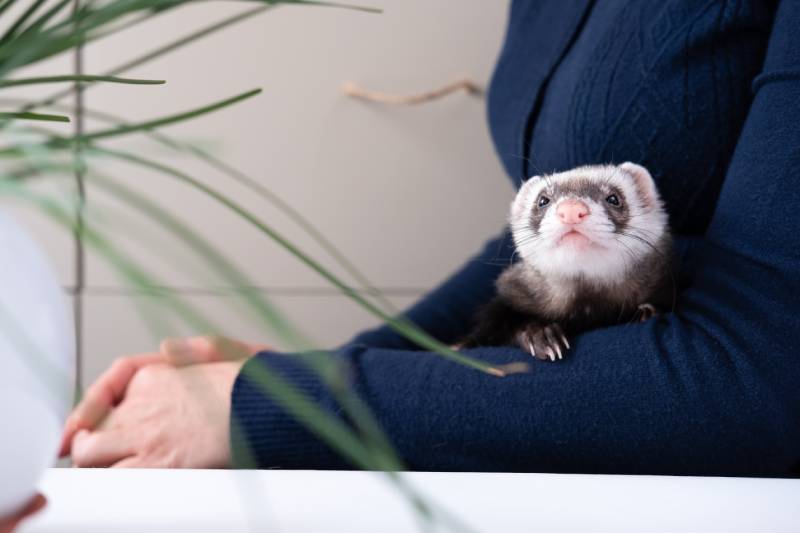
2. They Can Sleep 18 Hours a Day
Although they are very lively pets, ferrets sleep for a large portion of the day. Typically, a healthy adult ferret will sleep between 18 and 20 hours a day.
3. Ferrets Can Be Litter Trained
Generally, ferrets prefer to use a single spot or area to pee and poop, which makes litter training quite easy. You can provide a litter tray, as you would for a cat, and with some patience, have your ferrets use this instead of going wherever they want to.
Place the litter tray in your ferret’s preferred toilet spot, and add some of your ferret’s poop to the litter. If your ferret starts going elsewhere, move the tray to that spot and repeat the process. If you’re still struggling to litter train, try adding litter, without the tray, to the toileting spot first. Let them get used to going in the litter, and then add a shallow tray with a mixture of litter and bedding. In time and with patience, your ferret will use the tray, making their cage cleaner and your life easier.
It’s also a great idea to put out several litter trays for your pet and see if they have a preference for a spot to retreat to prior to relieving themselves. Ferrets have a short digestive tract, and at times, they may struggle to make it back to their litter tray in time. Therefore, having additional trays in their play area is ideal.
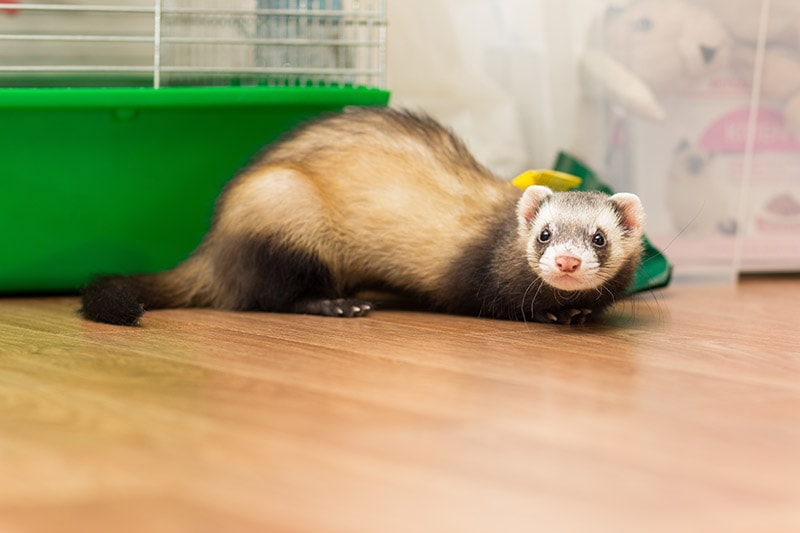
4. You Can Walk Them
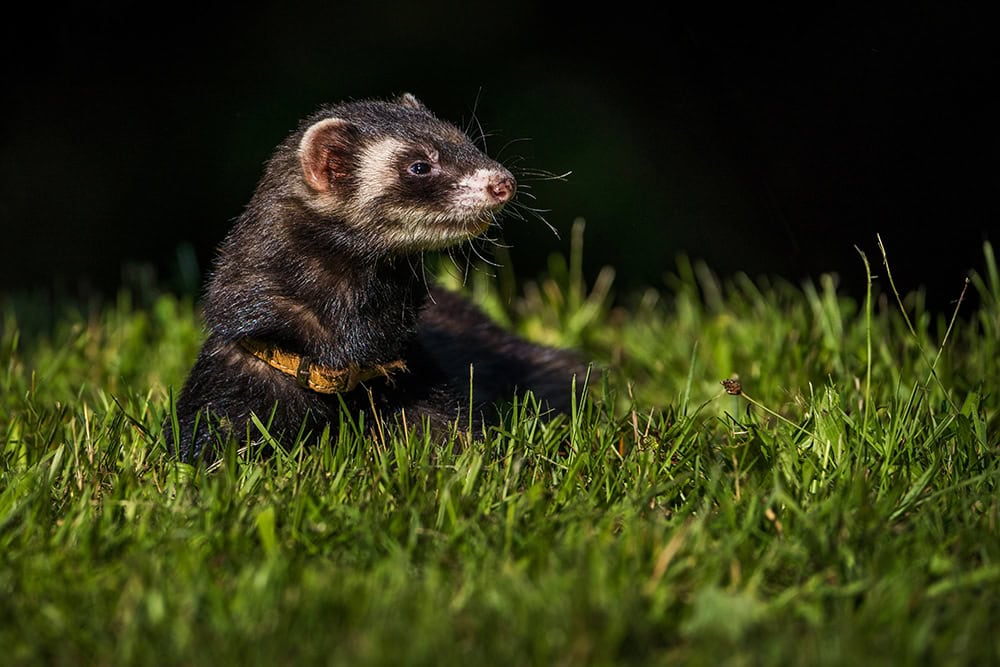
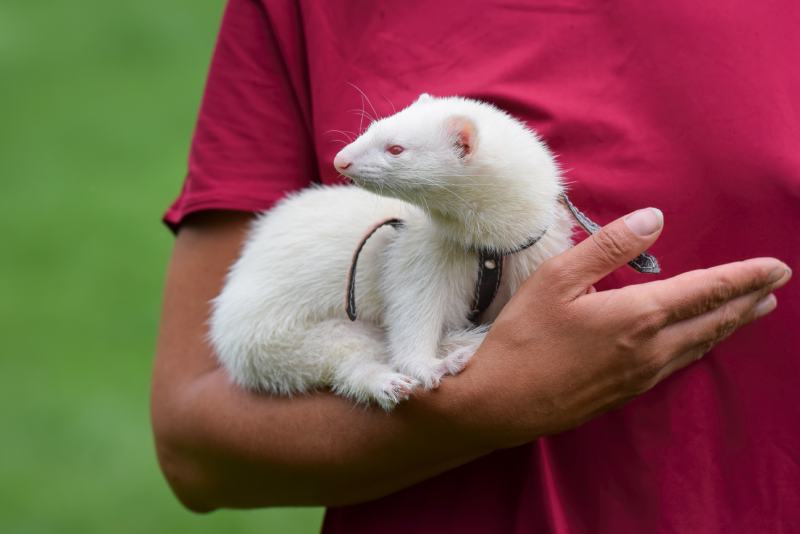
You can buy a harness and leash and walk your ferret. Whether you want to let them explore your own garden or a local park, this is a great way to provide exercise and let your inquisitive pet investigate new areas and enjoy new experiences. However, ferrets may be viewed as prey by other animals, so they should not be left outdoors unattended.
5. Ferrets Don’t Need to Go Outside
Alternatively, if you can provide lots of enrichment and adequate time out of the cage, your ferret doesn’t need to spend time outdoors. Provide a ferret-safe space, and let them roam for at least 3 or 4 hours a day. Ferret proofing means removing anything that poses a hazard, as well as blocking up any potential exits and hiding spots.
Conclusion
Ferrets can make great pets. They are inquisitive, lively, fun animals that will form close bonds with their humans. But they do have some requirements that need to be met, especially the need for time out of their cages.
Although they can sleep up to 20 hours a day, which means you will often see your ferret sleeping during the day, they are not strictly nocturnal, because they also sleep during the night. Rather, ferrets are crepuscular, so they are active at dawn and dusk.
Related Read: How Long Do Ferrets Sleep? Sleeping Habits Explained
Sources
Featured Image Credit: Yasmins world, Shutterstock
Get Hepper In Your Inbox


Pet care tips from our vets and experts, straight to your inbox.
You may opt-out at any time. View our Privacy Policy for more information.
Nicole is a lover of animals of all sizes but is especially fascinated with the feline variety. She’s the proud mom of Baby, a Burmese, and works every day so he can relax in the sunshine or by the fire. She’s always had a cat in her home and has spent countless days with others, observing behaviors and softening up even the grouchiest of the lot. Nicole wants to share her kitty expertise with you so you and your cat can live happy, healthy, and care-free.
Join the conversation
Ask a question, share your story, or send private feedback.