Hepper is reader-supported. When you buy via links on our site, we may earn an affiliate commission at no cost to you. Learn more.
Can Ferrets See in the Dark? Vision & Behavior Explained
In this article
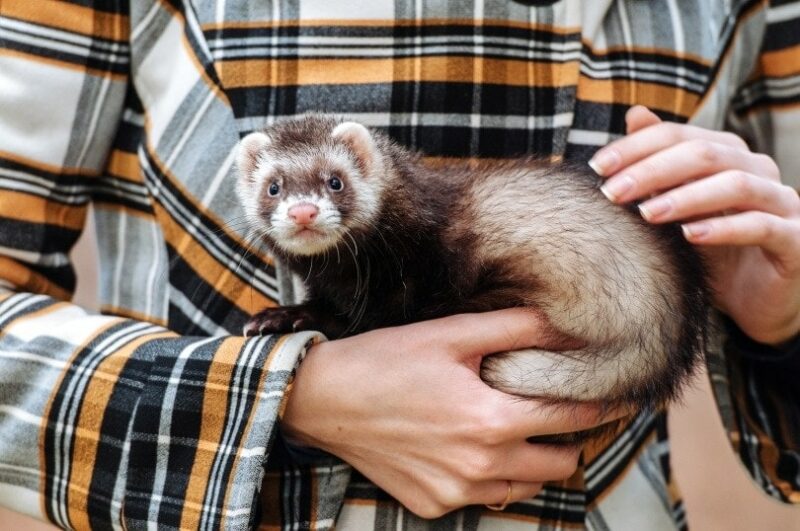
Activity periods are a vital concern for pet owners. After all, you probably want an animal that is awake when you are for optimal interaction. It’s also essential for understanding how they navigate their world. Ferrets differ from dogs and cats since humans only domesticated them about 2,500 years ago. Our other pets have thousands of years on them.
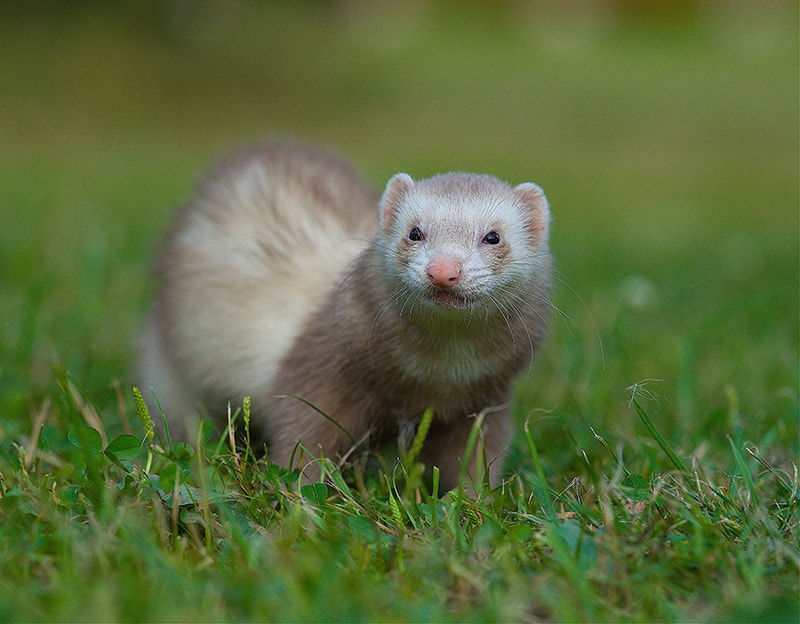
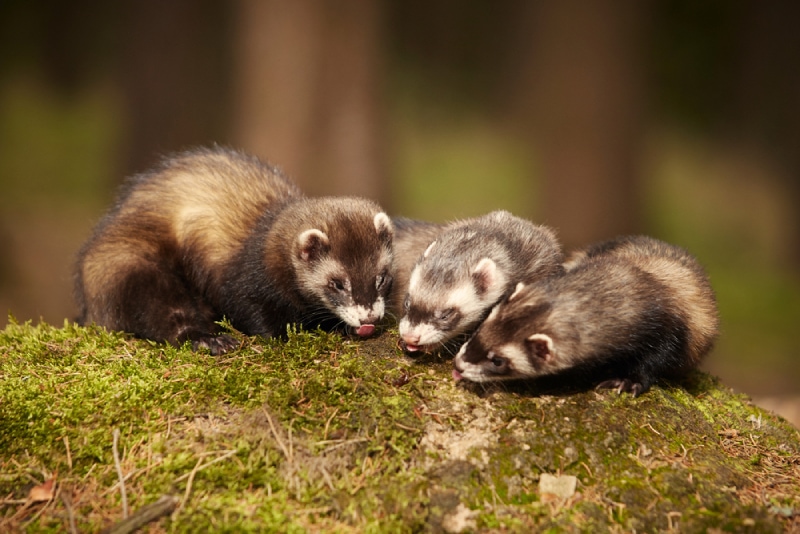
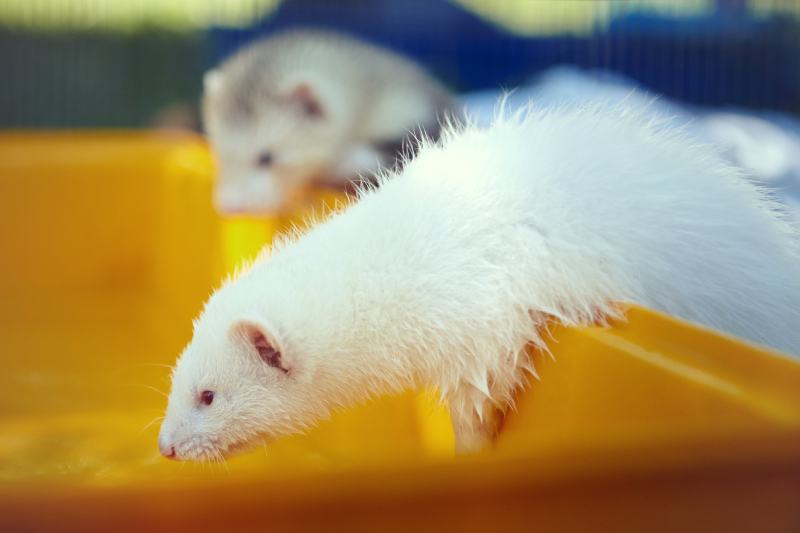
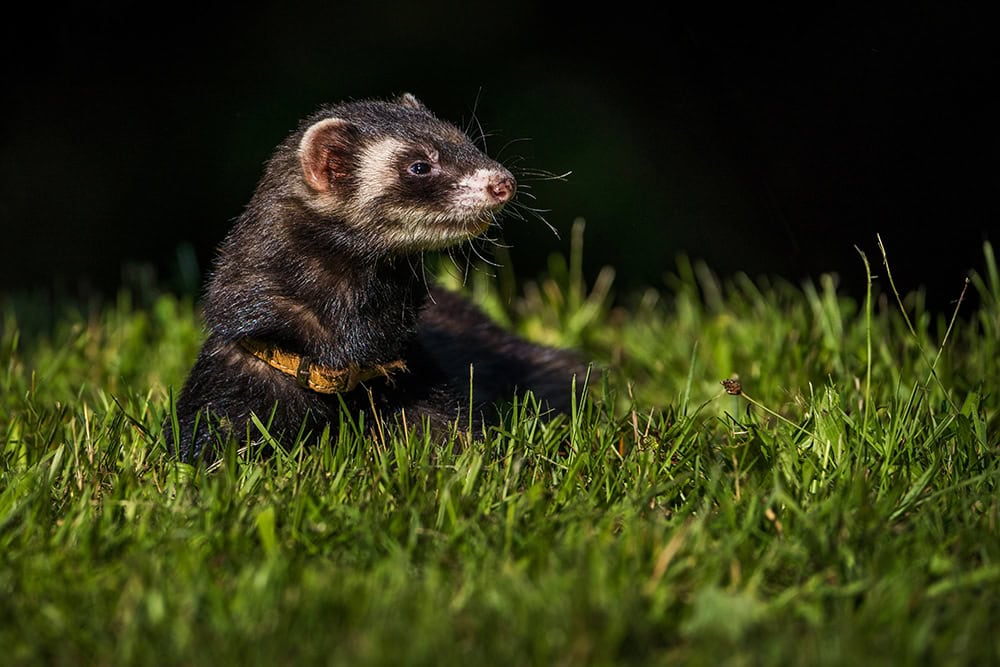
The shared trait between all these species is their roles as predators, albeit with various prey species as targets. Predators of small game are often active when these animals are moving around in their habitats. Thus, ferrets, like wild felines and canines, are crepuscular and are on the hunt at dusk and dawn. They have superior vision in those conditions, but ferrets cannot see well in the dark.

How Vision Works
We must start with how mammalian vision works to understand how ferrets view their world. This sense is an interaction between the sensory organs and the brain. Of course, the nervous system and its inner workings play a supporting role. Vision is a complex of viewing colors, black and white, and depth perception. It’s a function of an organism’s role in the environment.
Photoreceptors in the eyes are the business end of vision that works with their perceived light energy from the environment. It takes this info and translates it into signals the brain can interpret with the two principal types: cones and rods. The former deals with colors of varying wavelengths on the light spectrum; the latter uses the pigment rhodopsin to differentiate contrasts between black and white.
Humans have 6 million cones and 120 million rods, with a ratio of about 1:20. Ferrets kick it out of the park with a ratio of 1:50 or more. Their color vision is limited to blue, red, and gray. That makes sense, given their lifestyle. A crepuscular predator does not need to see much more. A honeybee or hummingbird needs to differentiate between plant species and would benefit from this ability.
See the World Through a Ferret’s Eyes
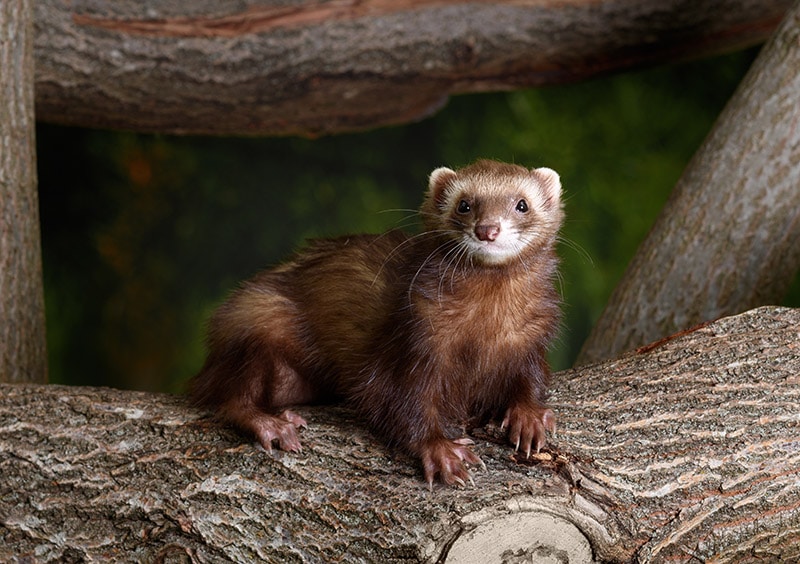
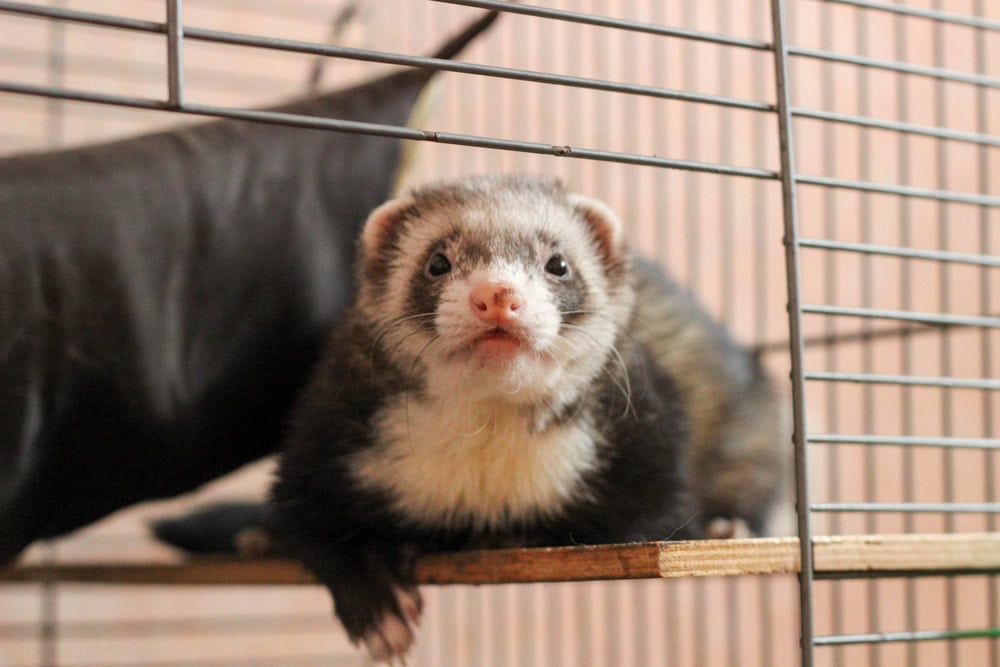
Our domesticated ferrets are descendants of the European Polecat. That’s a vital fact when considering vision. As crepuscular animals, they were well-equipped as predators, as we’ve described. Interestingly, they have binocular vision with eyes at the sides of their heads. We often see this characteristic in prey animals because it increases their peripheral vision. It works the same with ferrets.
Greater peripheral vision is handy if you are on the hunt at night under low-light conditions. It works for the wild ferret that hunts small mammals, amphibians, insects, and birds. It’s worth noting that it’s primarily a carnivore that makes this characteristic advantageous. Seeing in total darkness wouldn’t benefit an animal that isn’t active during these times.
Undoubtedly, a ferret can get around to some degree in the dark. However, research has shown that animals modify their behavior with the changing light conditions of lunar phases. It makes sense that ferrets wouldn’t need to see at night if their prey are also changing their schedules.
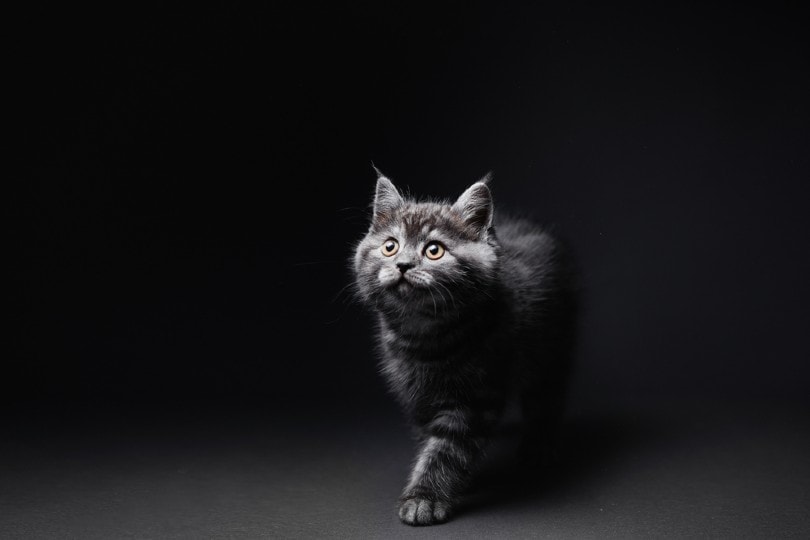
Felines share many vision characteristics. They have excellent peripheral sight that compensates for their nearsightedness. They can see with only one-sixth the light humans need to see in low-light conditions. We can make the same assumption about ferrets as hunters of terrestrial vertebrates typically active at dawn and dusk.
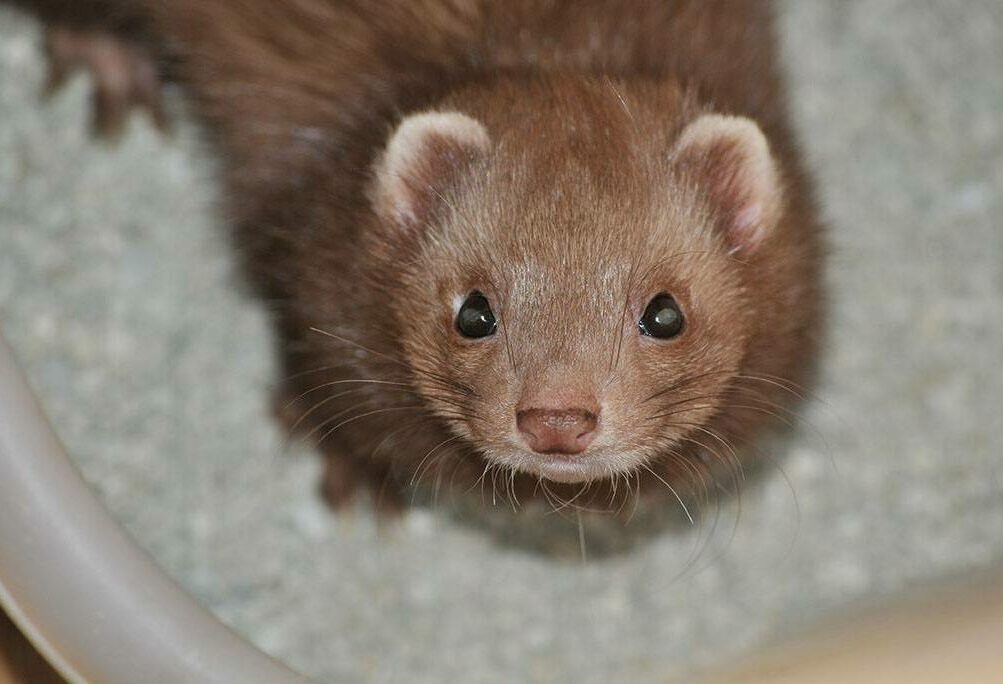
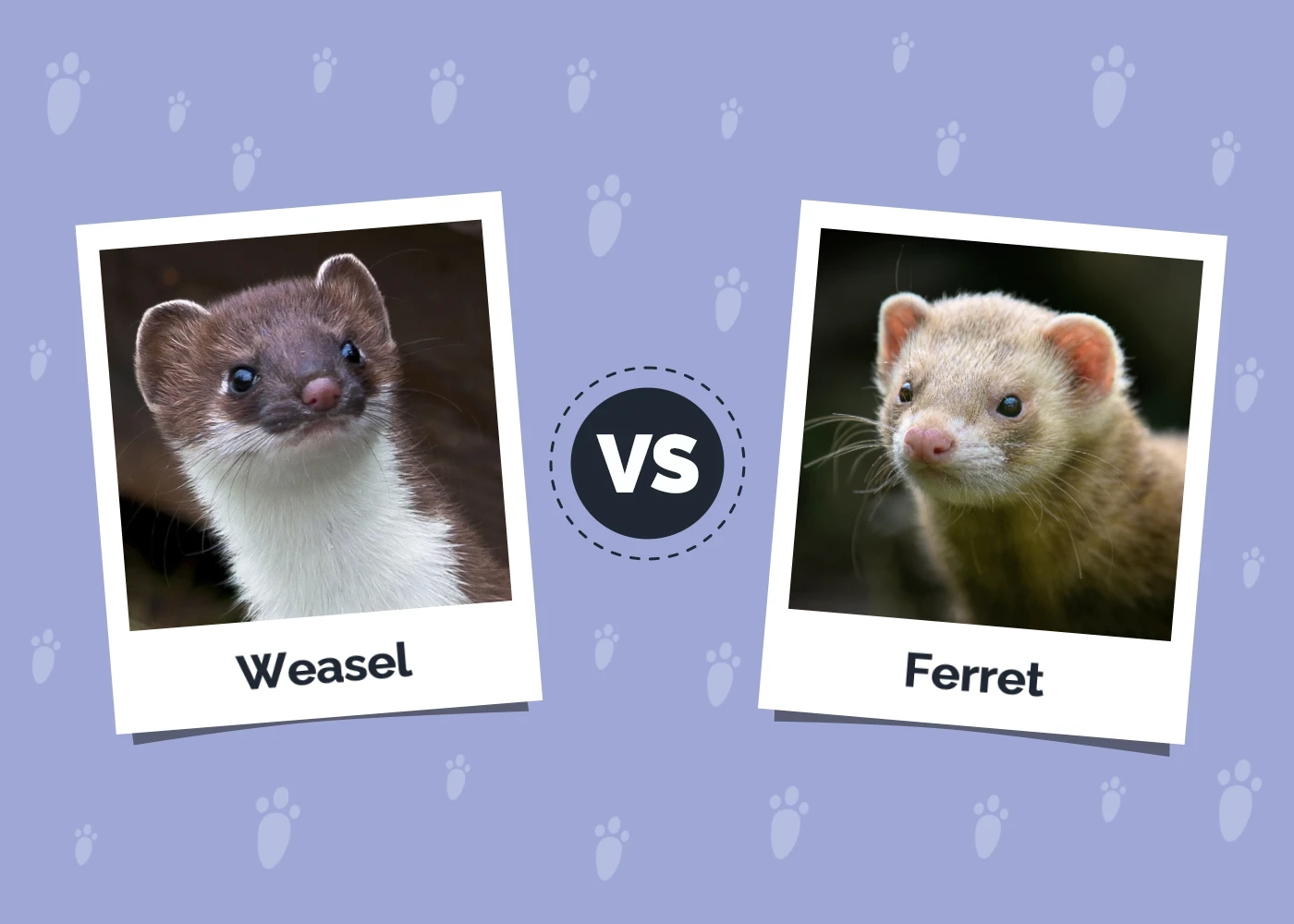
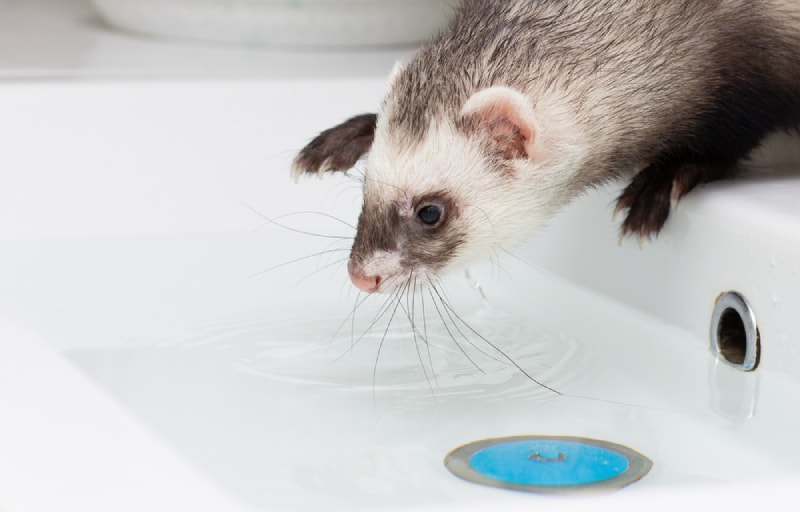
We must also consider the roles of the other senses. Ferrets might not be able to see as well as many animals. However, they have a keen sense of smell, which they rely on to catch prey. Remember that this form of communication and perception is essential for the ferret and other members of the Mustelidae family, such as minks, otters, and weasels.
Final Thoughts
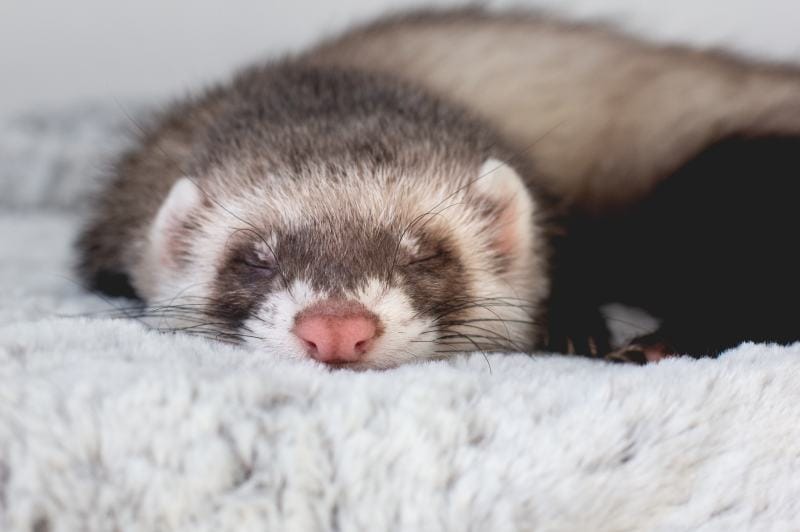
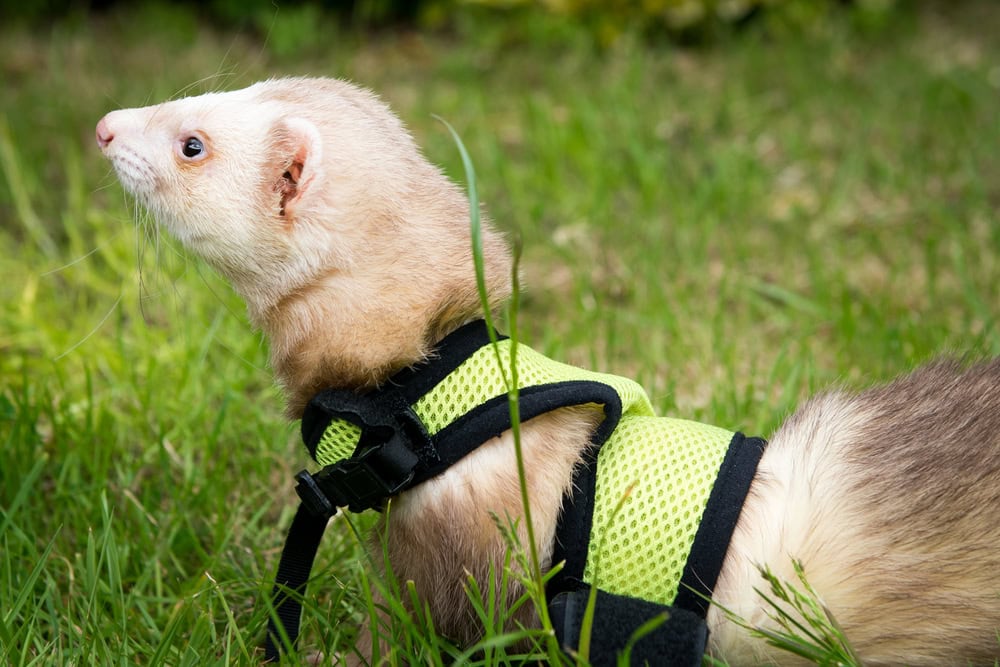
Ferrets are very cat-like in many of their behaviors. They are solitary predators that take advantage of the shadowy light conditions of dusk and dawn. Being active at these times gives them an edge. Their seeing ability, combined with their superior sense of smell, allows them to navigate their world and hunt successfully despite the challenges. However, their senses aren’t at their best when in total darkness.
Related Reads:
Sources
https://www.fda.gov/animal-veterinary/animal-health-literacy/fun-ferret-facts
https://www.blueconemonochromacy.org/wp-content/uploads/2011/03/Cone-Structure-Review-2k9-2.pdf
https://journals.plos.org/plosone/article/file?id=10.1371/journal.pone.0022285&type=printable
https://www.businessinsider.com/pictures-of-how-cats-see-the-world-2013-10
Featured Image Credit: jurra8, Shutterstock
Get Hepper In Your Inbox


Pet care tips from our vets and experts, straight to your inbox.
You may opt-out at any time. View our Privacy Policy for more information.

Chris is an experienced pet writer specializing in science topics, with a particular passion for health and the environment. She has been a writer for over 15 years and lives with her husband and three cats in Michigan.
Beyond writing about cats and dogs, Chris loves to learn about wine. She has WSET 1 and 2 certifications and is currently pursuing her Certified Wine Specialist Award (CSW).
Join the conversation
Ask a question, share your story, or send private feedback.