Hepper is reader-supported. When you buy via links on our site, we may earn an affiliate commission at no cost to you. Learn more.
Are Snake Plants Toxic to Cats? Vet-Approved Safety Guide


In this article
The snake plant is a common but popular plant that many people like to keep as a houseplant. They’re easy to look after and quite pretty, but like many plants, there can be issues with snake plants and your pets.
So, if you have both a snake plant and a cat and you’re wondering if there’s a problem, well, unfortunately, there is. Snake plants are toxic for cats.
We’ll discuss the snake plant in more detail and what exactly makes them so toxic for cats in this article. We’ll also look into what you should do if your cat happens to ingest any parts of the snake plant.

The Snake Plant
The snake plant was long known as a Sansevieria, a genus the asparagus family belonged to. However, snake plants now fall under the Dracaena genus. While it is now a Dracaena trifasciata, it is still frequently called a Sansevieria.
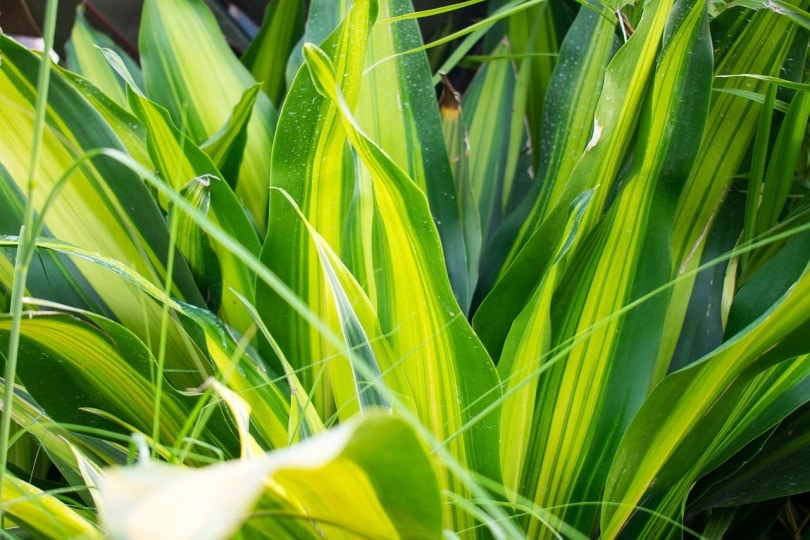
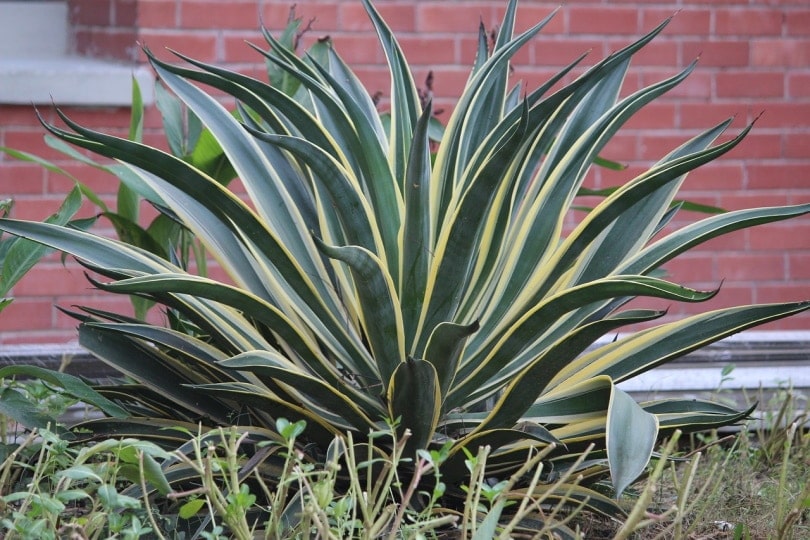
The snake plant is an attractive potted plant that sports long sword-shaped leaves in dark green and with a variegated pattern, which can resemble the coloring of a snake, hence the name.
This group of plants primarily comes from Africa and is also known as mother-in-law’s tongue, viper’s bowstring hemp, golden bird's nest, and the good luck plant. There are about 70 different species and can be anywhere from 6 inches to 8 feet in height.
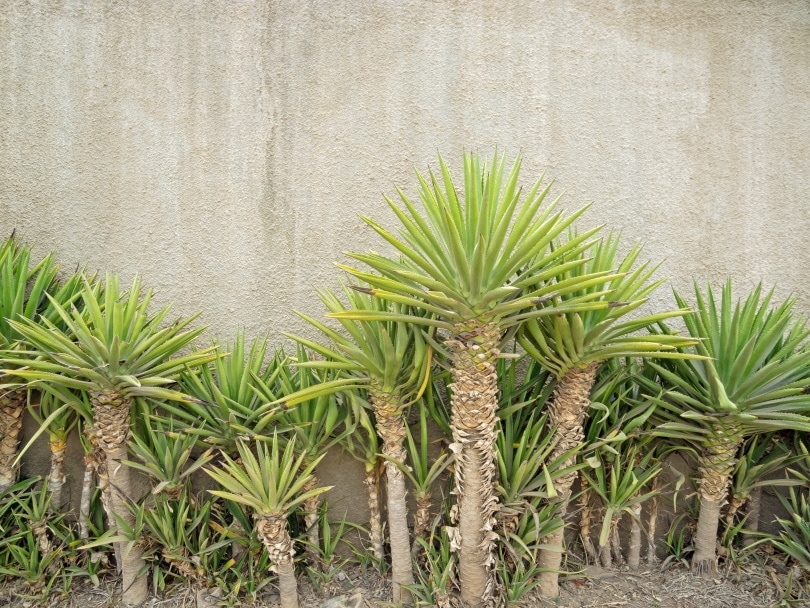
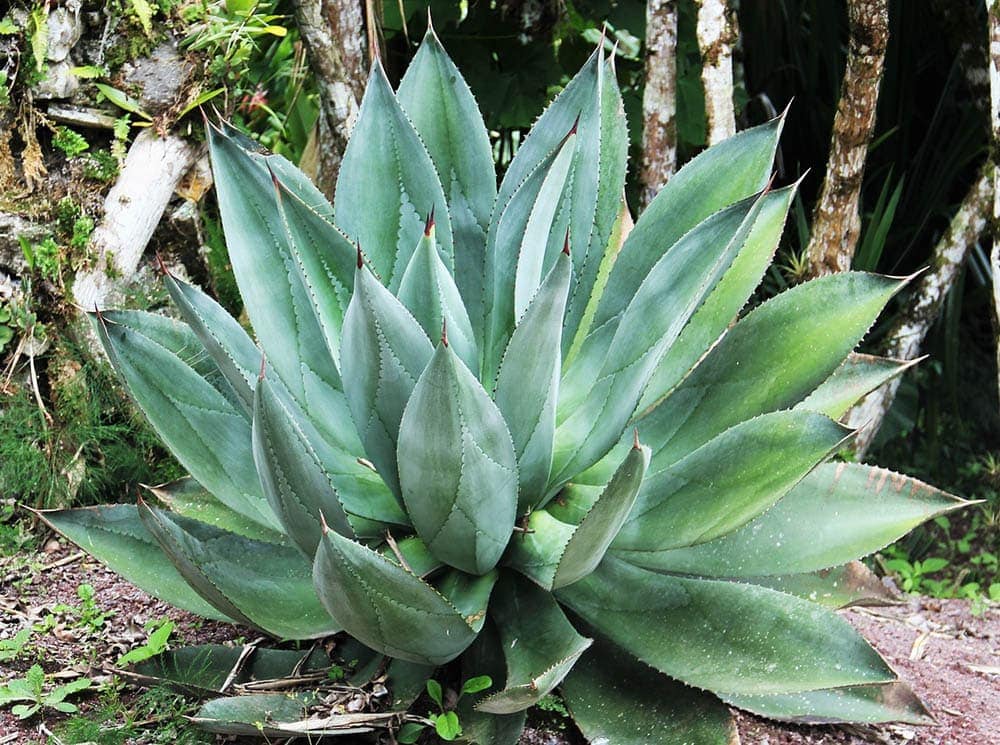
Some of the more popular species include:

Health Benefits of the Snake Plant
It turns out that snake plants are quite beneficial for humans. First, they are considered one of the best plants for oxygenating the air.
Not only do they do a great job at oxygenation, but they also help to remove air pollutants. This includes carbon dioxide and formaldehyde, xylene, benzene, and toluene. This chemical combination means they are very effective at removing airborne allergens.
So, not only are they attractive plants to look at, but they provide us with some important health benefits.
Are Snake Plants Toxic to Cats?
Despite all the benefits they give us, they are toxic for cats. The ASPCA lists them as a toxic plant for both cats and dogs. Snake plants contain saponins, which are what cause problems for our cats.
Saponins got their name from the Saponaria, or soapwort plant, and are found in many plants, such as alfalfa, chickpeas, quinoa, and soybeans. They act as a natural fungicide and insecticide for the plants and are typically fairly safe when ingested in very low doses.
But in larger doses, saponins can cause a certain amount of poisoning in both humans and pets.

Signs of Snake Plant Poisoning
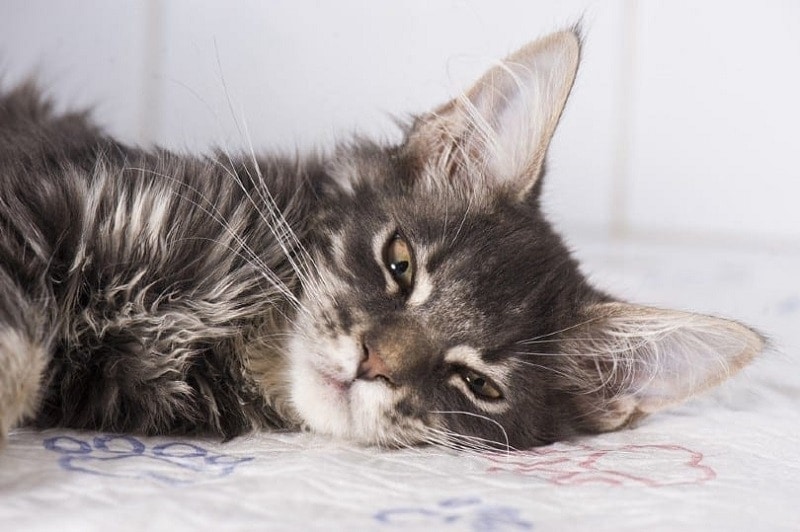
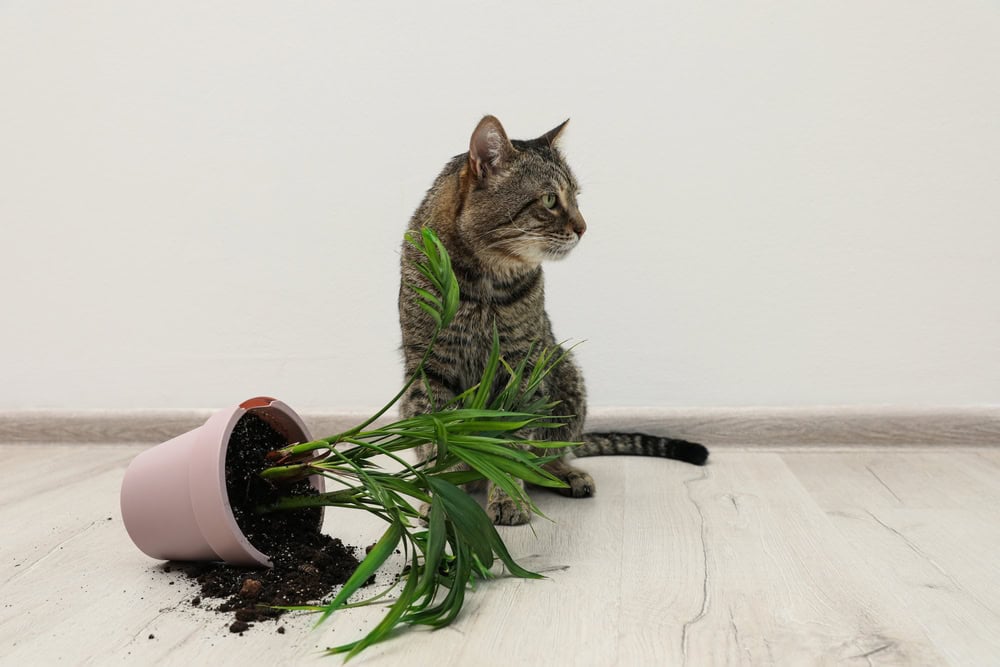
If your cat eats too much of the snake plant, it can cause an upset stomach. Signs can include nausea, vomiting, and diarrhea. How much your cat ate will lead to either mild or severe signs.
What Should You Do if Your Cat Ate a Snake Plant?
The good news is that while the snake plant can make your cat sick, it is not likely to be fatal. If you know for a fact that your cat ate part of your snake plant, you should take them to the vet, particularly if your cat is showing signs of stomach upset.
If you’re unsure if your cat ate part of your snake plant, you could start by checking the plant itself for any bite marks or if any leaves or stems have been chewed up. You can also check your cat’s mouth and teeth for plant matter that might be caught in your cat’s teeth and gums.
It is essential to correctly identify what is causing your cat’s signs so the vet can give your cat the proper treatment. If you’re uncertain what kind of plant your cat was nibbling on, bring it with you when you go to the clinic.
Treatment
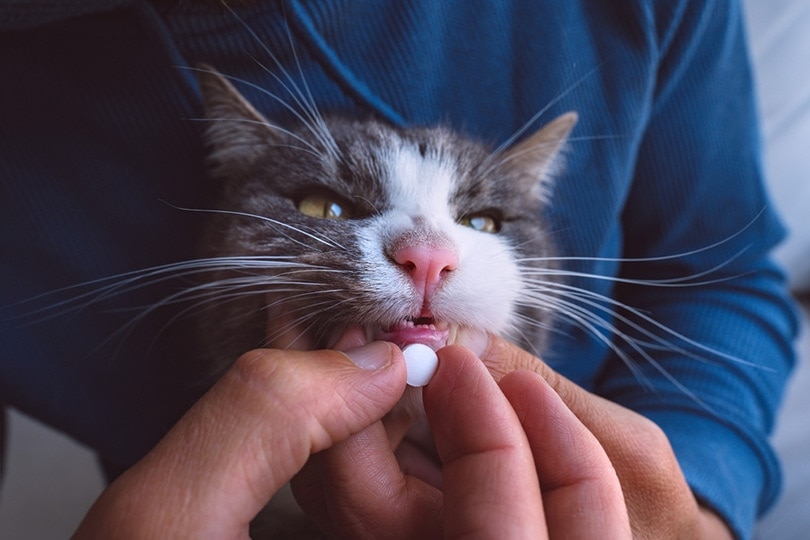
Treatment will be based on relieving the signs your cat is exhibiting. Medications might be given to help reduce or stop the vomiting and diarrhea and intravenous fluids for any dehydration that might occur. Your vet might also check your cat’s mouth for any plant matter that might be stuck in the teeth and gums and remove it to avoid any painful foreign body gingivitis.
In more extreme cases, a vet might need to pump your cat’s stomach or induce vomiting to remove the plant from the system. They might also use activated charcoal to help absorb the toxins.
Once it's all said and done, just be sure to give your cat some space to recuperate and ensure you keep the environment as quiet and stress-free as possible. If your cat is looking for a little love and attention, by all means, give it to them in spades!
Avoiding Snake Plant Poisoning
The obvious answer here is to just get rid of your plant and only bring in houseplants that are safe for cats. However, that might not be necessary.nYou can start by placing the snake plant in a location that your cat can’t reach. This might be a little tricky given how acrobatic our cats are, but it’s entirely possible. You can place it in a room that you already don’t allow your cat in.
You should also ensure your plant is in good health and remove any dead or dying leaves so they don’t drop to the floor for your cat to chew on.
Also, keep in mind that those saponins are also a hazard for humans. They are found in the sap, so you might want to consider wearing gloves when working with this plant.
Final Thoughts
The toxicity of the snake plant isn’t terribly high, so if you take some steps to ensure your cat won’t snack on it, you should be able to keep a snake plant in your home. Most cats will recover from snake plant poisoning quite well if you seek treatment. While we said that it doesn’t usually prove fatal, your cat could still expire from a lack of treatment for severe diarrhea and vomiting.
Can your cats and snake plants live together in peace? Possibly. Some cats might not even want to chew on it after the first time. Not only because of becoming ill but also because the sap is quite bitter, so the entire process will be unpleasant for most cats. Just make it inaccessible for your cat or find a new plant, such as the calathea, which is an overall safe one for cats.
See Also:
Featured Image Credit: Foto2rich, Shutterstock
Get Hepper In Your Inbox


Pet care tips from our vets and experts, straight to your inbox.
You may opt-out at any time. View our Privacy Policy for more information.
Kathryn was a librarian in a previous lifetime and is currently a writer about all things animals. When she was a child, she hoped to work in zoos or with wildlife in some way, thanks to her strong love for animals. Unfortunately, she's not strong in the sciences, so she fills her days with researching and writing about all kinds of animals and spends time playing with her adorable but terribly mischievous tabby cat, Bella. Kathryn is hoping to add to her family in the near future – maybe another cat and a dog.
Join the conversation
Ask a question, share your story, or send private feedback.