Hepper is reader-supported. When you buy via links on our site, we may earn an affiliate commission at no cost to you. Learn more.
Are Irises Poisonous to Cats? Vet-Verified Facts, Risks & Tips



In this article
Irises add beautiful splashes of color to your garden and indoor space, but are cats drawn to these flowers? Is it safe to let your cat eat an iris flower? No, it’s definitely not safe to allow your cat to eat any part of an iris — they are considered toxic and can make your cat ill.
Here, we look closer at the iris and what makes them poisonous for cats. We also cover tips on keeping your cat safe when around these flowers.

A Little About the Iris
The iris is a beautiful perennial plant that grows from a bulb or rhizome (a type of bulb). It is also known as a water flag, flag, and snake lily. Depending on the species, of which there are about 300, the iris can range from 3 inches to 4 feet tall.
The iris comes in a wide variety of colors, which helps explain why it was named after Iris, the Greek goddess who personified the rainbow. Irises come in shades from white to black and everything in between, but the most common colors are purple, lavender, yellow, and white.
The most popular iris hybrid by far is the bearded iris, but the Siberian, Japanese, Louisiana, and Dutch are all popular too. They grow in Asia, Europe, and North America.

Why Is the Iris Toxic to Cats?
The Pet Poison Helpline and ASPCA have listed the iris as toxic to cats, dogs, and horses. The toxic component in the iris is the pentacyclic terpenoids, which can be found in every part of the plant but are the most concentrated in the rhizomes and bulbs.
The iris's toxicity is listed as mild to moderate, but it can cause your cat some discomfort.
What Are the Signs of Iris Poisoning?
The following signs are common for many cats that have ingested a toxic plant:
The severity of the signs depends on how much of the iris your cat ate or if the bulb was eaten since the toxin is more concentrated there. However, if your cat starts exhibiting any of these signs, speak to your vet immediately, especially if you know the plant has been eaten.

What Are Your Next Steps?
You’ll first need to determine what is making your cat sick if you didn’t see them eat an iris. Check the plant for any signs of being chewed, and check your cat’s mouth and teeth for plant matter.
Whether your cat is sick from eating a plant or anything else, you’ll want to take them to your veterinarian. You should bring part of the plant with you, particularly if you’re unsure what kind of plant it is (if it wasn’t an iris), as this will ensure that your vet can provide your cat with the right treatment.

What Is the Treatment for Iris Poisoning?
Your vet first needs to diagnose the poisoning with a physical exam and by examining the plant that you’ve brought with you. The vet will check your cat’s mouth for ulcers. Once your vet has determined that an iris has poisoned your cat or if there is a high degree of suspicion, they will begin treatment.
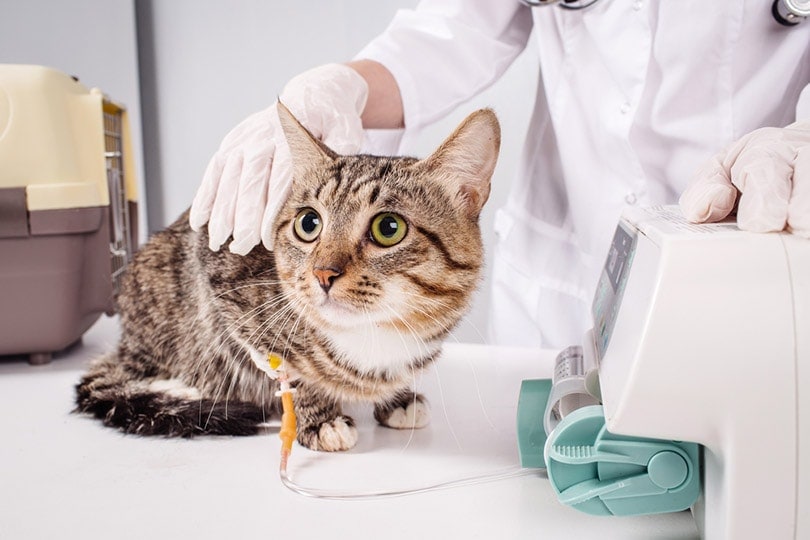
They could start by flushing your cat’s mouth and throat with water to remove excess toxins or may induce vomiting if recently ingested. If your cat has suffered from stomach upset and lost fluids through all the vomiting, drooling, and diarrhea, your vet might also administer IV fluids to rehydrate them.
If the vomiting and diarrhea are ongoing, your cat will probably be given medication to help stop it. In cases where the cat has eaten a large amount of the plant, the vet might pump their stomach to remove the excess. In most cases, activated charcoal could be given to your cat, which is effective at absorbing the toxins.
Recovery From Iris Poisoning
Depending on the severity of the poisoning, your cat might need to spend the night at the clinic so the vet can continue to monitor their health. You can expect to take your cat back to the clinic for follow-up visits until they have recovered.
On your part, you need to give your cat time to heal and follow all your vet’s instructions. Ensure that the environment at home is as stress-free as possible by keeping things as calm and quiet as possible throughout the recovery process. Be sure to provide plenty of love and cuddles if your cat comes looking for them.
How to Avoid Iris Poisoning
The easiest solution is to remove your irises and any other plants on the ASPCA’s toxic plants list. However, if you are keeping irises indoors as cut flowers or in a container, consider placing them in a room that is off-limits to your cat. You can also hang them from the ceiling or hang them out of your cat’s reach.
Be sure to monitor the plant and perform any necessary maintenance, such as removing dying or dead leaves and flowers before they fall to the ground. If the irises are outside and so is your cat, consider removing them from your garden. It is probably not possible for you to constantly monitor your cat when they're outside.
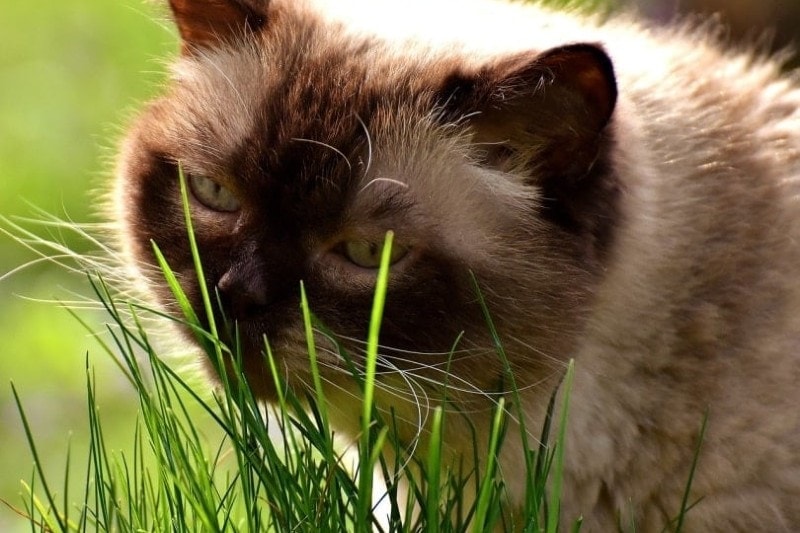
Otherwise, think about creating a cat-friendly garden that contains catnip and cat grass, as well as a fountain and a sand-filled litter box. This area could keep your cat away from your other plants.
Yet another option is to set up a few deterrents, such as placing scat mats in the garden. You can also place a cage or netting around the plants.
Conclusion
If you decide to get rid of your irises, there are many other cat-friendly flowers that you can consider replacing them with:
Although these flowers are generally safe for cats, it’s still best not to let your cat eat them. If your cat has ingested anything toxic, contact your vet immediately. Or you can call Animal Poison Control at 1-888-426-4435 or the Pet Poison Helpline at 1-855-764-7661.
Featured Image Credit: dewdrop157, Pixabay
Get Hepper In Your Inbox


Pet care tips from our vets and experts, straight to your inbox.
You may opt-out at any time. View our Privacy Policy for more information.
Kathryn was a librarian in a previous lifetime and is currently a writer about all things animals. When she was a child, she hoped to work in zoos or with wildlife in some way, thanks to her strong love for animals. Unfortunately, she's not strong in the sciences, so she fills her days with researching and writing about all kinds of animals and spends time playing with her adorable but terribly mischievous tabby cat, Bella. Kathryn is hoping to add to her family in the near future – maybe another cat and a dog.
Join the conversation
Ask a question, share your story, or send private feedback.