Hepper is reader-supported. When you buy via links on our site, we may earn an affiliate commission at no cost to you. Learn more.
Are Prayer Plants Toxic to Cats? Vet-Verified Facts & FAQ


In this article
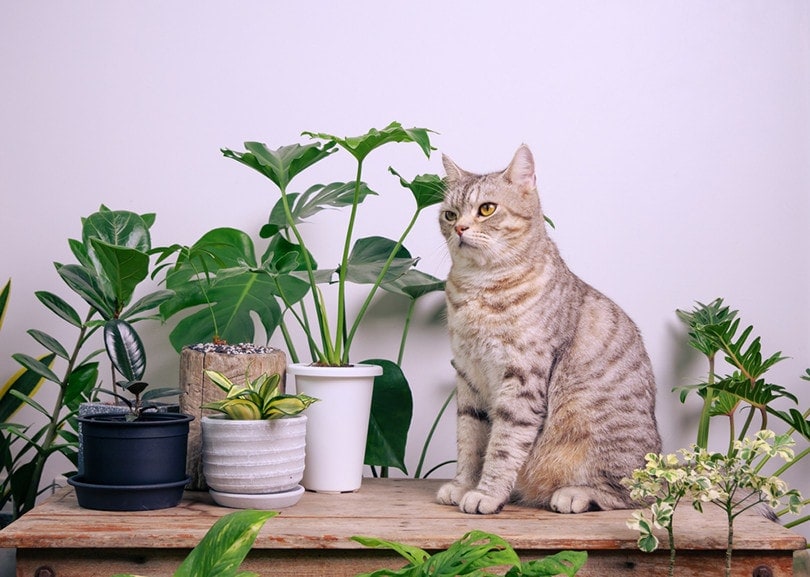
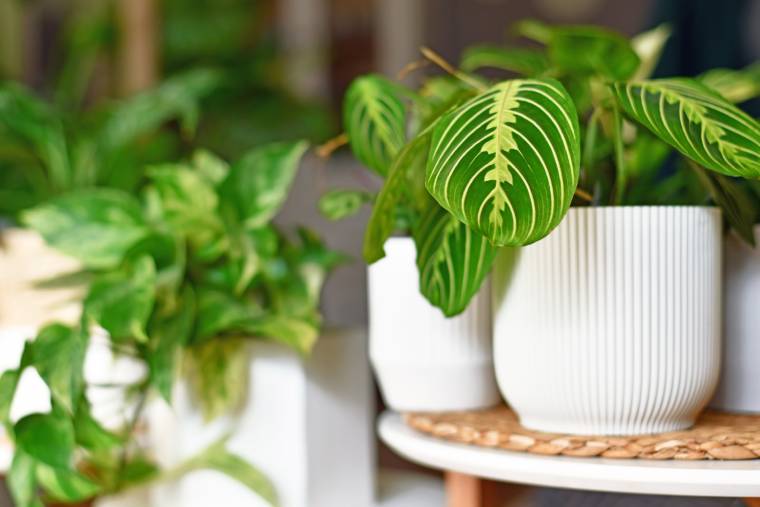
Placing house plants, such as prayer plants, in a room can liven up and add warmth to the space. But it’s important to be aware of the common toxic and non-toxic houseplants to ensure your cat lives in a safe environment. Fortunately, prayer plants are non-toxic to cats. So, there’s no need to worry if your cat takes a bite of a prayer plant leaf.

Prayer Plants and Cats
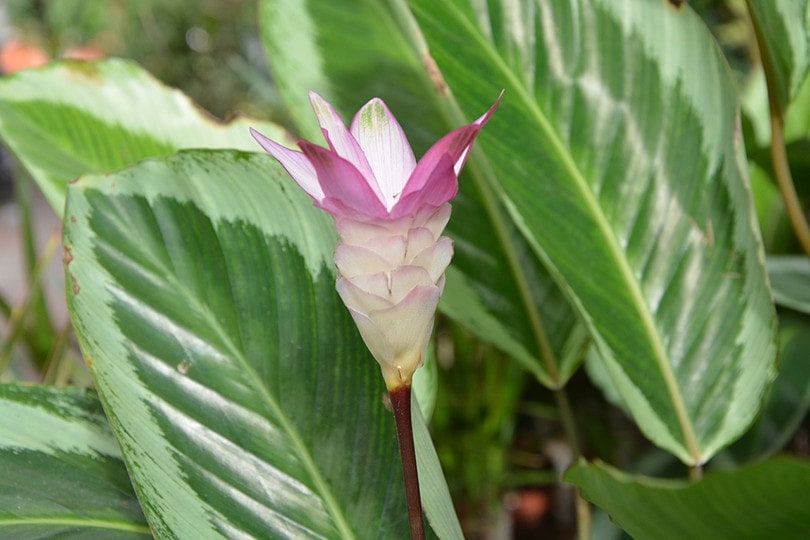
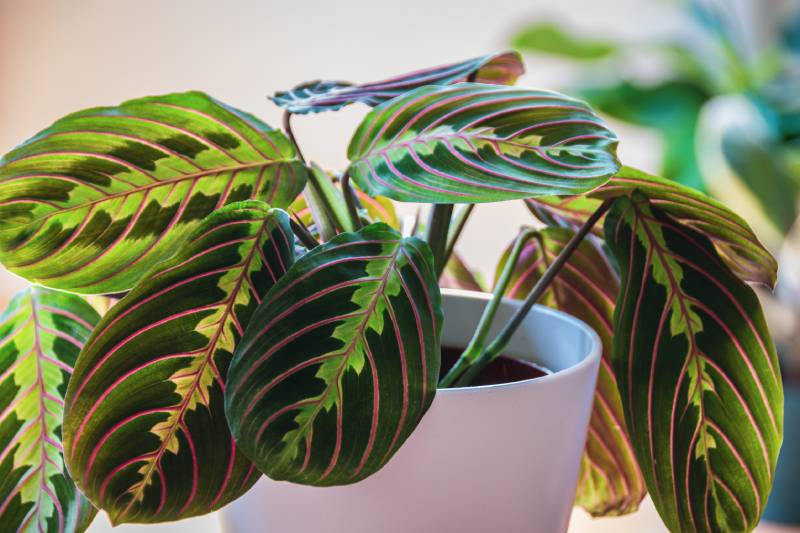
Prayer plants may refer to Calathea spp., Goeppertia spp., or Maranta leuconeura. They are so named because their leaves lift at night, like hands in prayer. They don’t contain any toxic components, so it’s generally not an issue if your cat ingests any part of the plant.
However, consuming too much could lead to digestive issues, and the plant doesn’t provide any significant nutritional benefits either. So, it’s best to prevent your cat from chewing prayer plant leaves and not enable them to develop a habit of eating them.
Why Is My Cat Eating Prayer Plant Leaves?
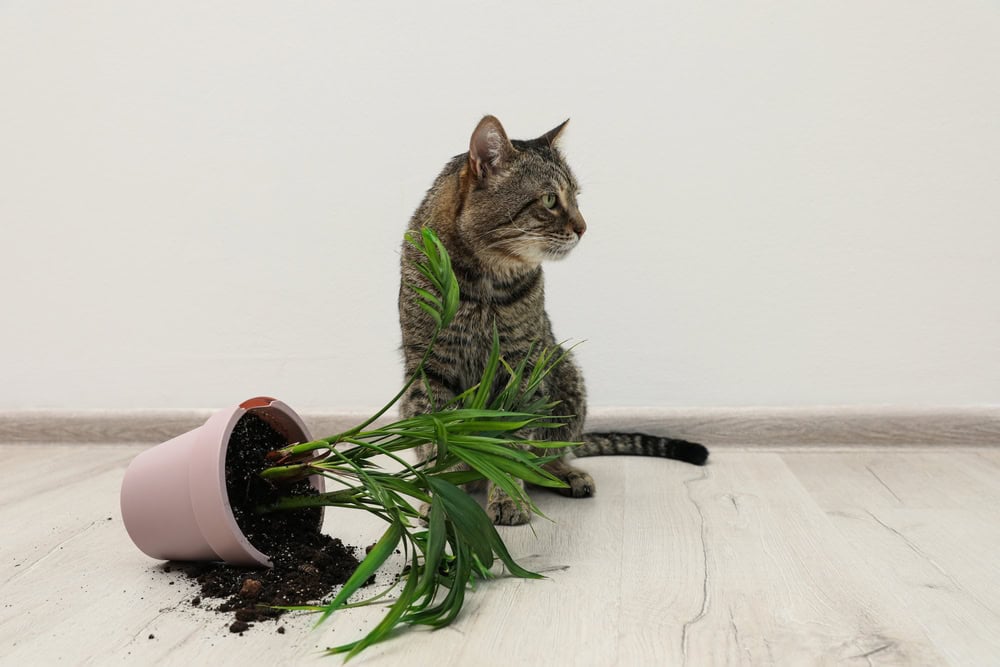
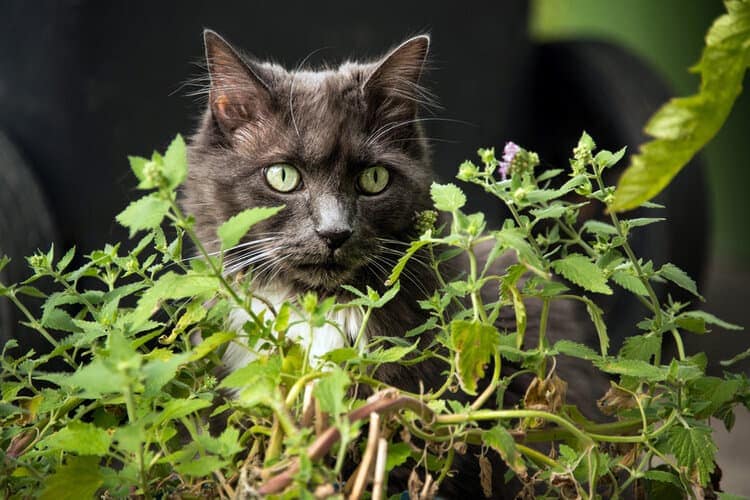
While cats are known to be carnivores, some may develop a habit of eating grasses and plants. There are several theories as to why cats engage in this behavior. First, it’s believed that some cats will eat plant leaves for digestive purposes. They can benefit from the fiber, and eating plants may alleviate gastrointestinal discomfort.
Some cats may also naturally like to chew things. They may enjoy the texture of leaves and swallow what they’ve been chewing once it reaches the back of their throat rather than spitting it out.
In some cases, chewing plant leaves may be connected to a behavioral disorder. For example, cats with obsessive-compulsive disorder (OCD) may show excessive engagement in repetitive behaviors, and cats with anxiety may chew as a form of displacement (out of context) behavior, which is a coping mechanism.
So, if your cat continues to eat prayer plants, it’s best to schedule an appointment with your veterinarian to rule out any medical-related causes for the behavior.
How Can I Keep My Cat From Chewing Prayer Plant Leaves?
First and foremost, schedule a veterinary appointment to discuss the underlying behavioral or health concerns. The best way to keep your cat from chewing your houseplants is to keep them in a room that your cat can’t access. However, there are a few other things you can try to prevent your cat from chewing up your prayer plant’s leaves once you have been given the all-clear from the vet.
Avoid using natural cat deterrents that are toxic to cats. Your cat may have a strong urge to chew the plant despite the deterrent, and you could end up poisoning them. Vinegar is an acceptable option for cats, but it can kill some plants, so use it with caution.
Sometimes, placing pungent herbs next to your houseplants can deter cats. Placing Rosemary plants near your houseplants may cause your cat to become disinterested in your prayer plant. Many cats don’t like the smell of lavender, eucalyptus, and mint; however, they are toxic to your feline and should not be accessible to them, especially if they have a habit of chewing on plants.
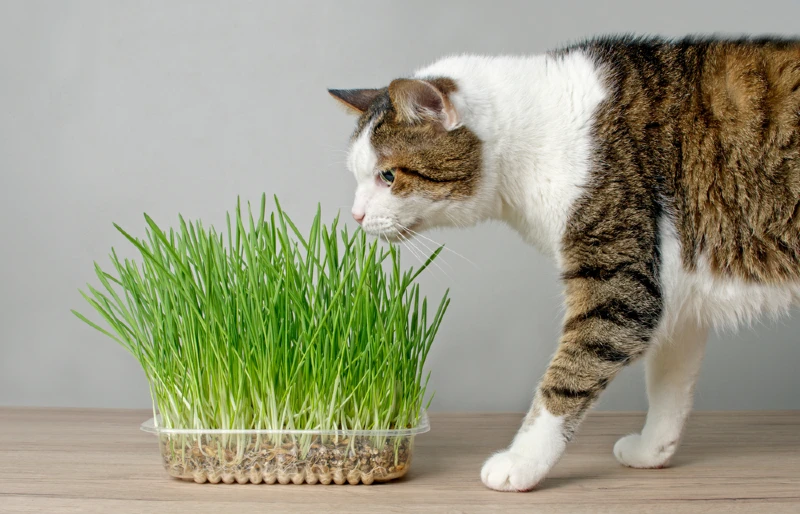
Another way to prevent your cat from chewing your prayer plant’s leaves is to get them interested in chewing cat grass. Cat grass is a blend of wheat, barley, oat, and rye seeds. It’s a safe alternative to outdoor grass and indoor houseplants, and it’s an excellent natural source of fiber. Catnip (Nepeta cataria) can also be an indoor plant; some cats love it!
What Houseplants Are Toxic to Cats?
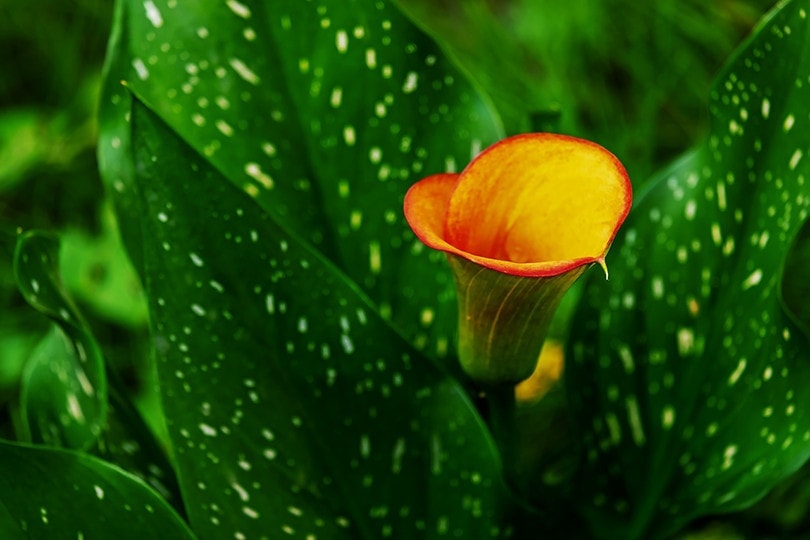
It’s important to remember that several common houseplants are toxic to cats.
The following plants are harmful and shouldn’t be placed in homes with cats:
Conclusion
Prayer plants are non-toxic to cats and are safe to keep in your home. However, if your cat develops a habit of chewing on their leaves, you may want to look into ways to deter them from eating them. Using natural humane cat deterrents and placing the plants in more unreachable places may discourage your cat from chewing on the leaves.
You can also try replacing the prayer plant with another species. Just make sure to research toxic and non-toxic plants beforehand so that you bring home a plant that’s safe for your cat.
Sources
https://www.petpoisonhelpline.com/pet-owners/basics/top-10-plants-poisonous-to-pets/
https://www.orangecountync.gov/2144/Humane-Deterrents-for-Free-Roaming-Cats
https://www.petmd.com/cat/conditions/behavioral/c_ct_compulsive_disorders
https://www.vetstreet.com/our-pet-experts/why-does-my-cat-eat-grass-or-houseplants
Featured Image Credit: Firn, Shutterstock
Get Hepper In Your Inbox


Pet care tips from our vets and experts, straight to your inbox.
You may opt-out at any time. View our Privacy Policy for more information.
Jessica is a freelance writer who spends most of her day reading and writing while her fluffy Cavapoo, Nora, naps beside her. She loves and appreciates pets and animals because there’s so much to learn from them, and they do so much for people. As a dog mom, she understands the special relationship that pet parents have with their pets. So, she loves sharing helpful information that people can use to better understand their pets. When she’s not writing, you can find her walking dogs, tending to her plant babies, or drinking her nth cup of coffee.
Join the conversation
Ask a question, share your story, or send private feedback.