Hepper is reader-supported. When you buy via links on our site, we may earn an affiliate commission at no cost to you. Learn more.
Is Hibiscus Poisonous to Cats? Vet-Reviewed Facts & Tips


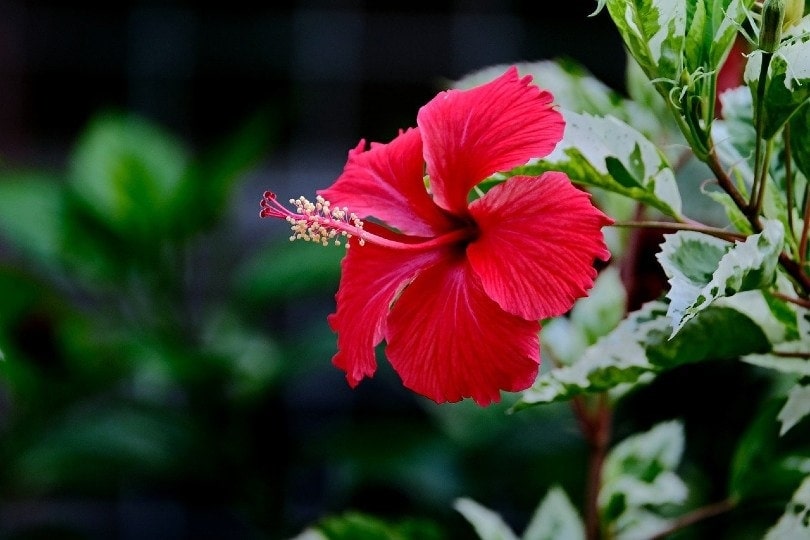
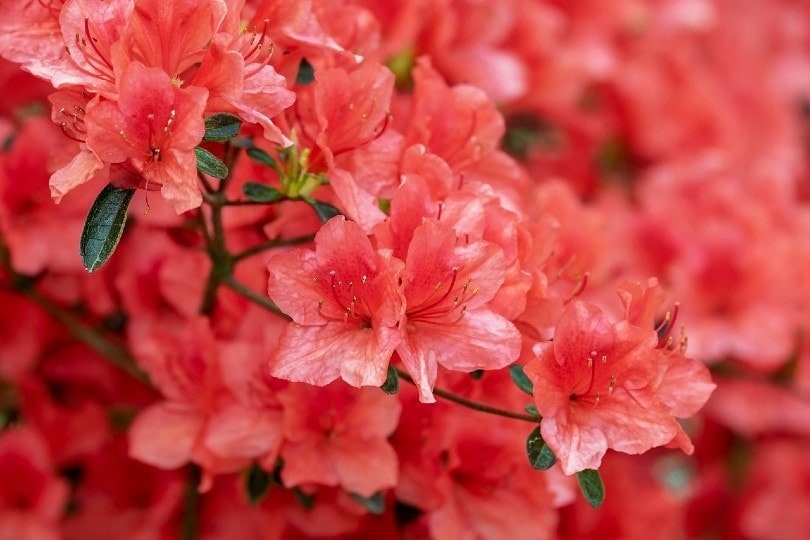
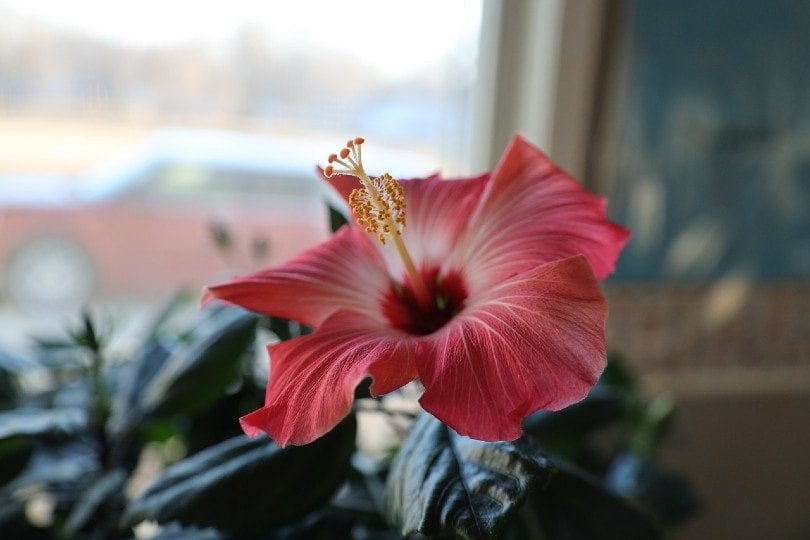
As naturally curious animals, cats often nibble on plants growing in the house and garden. If your cat is nibbling on your hibiscus plant, you shouldn’t be concerned because the American Society for the Prevention of Cruelty to Animals (ASPCA) tells us that the hibiscus is a non-toxic plant to cats.1
You’re probably growing hibiscus to enjoy its large and colorful flowers that are nothing short of spectacular. But if your cat insists on nibbling on these plants, they may be damaging these showy blooms. You can try to keep your cat away from your hibiscus by trying some of the methods below.

Why Cats Nibble on Hibiscus and Other Garden Plants
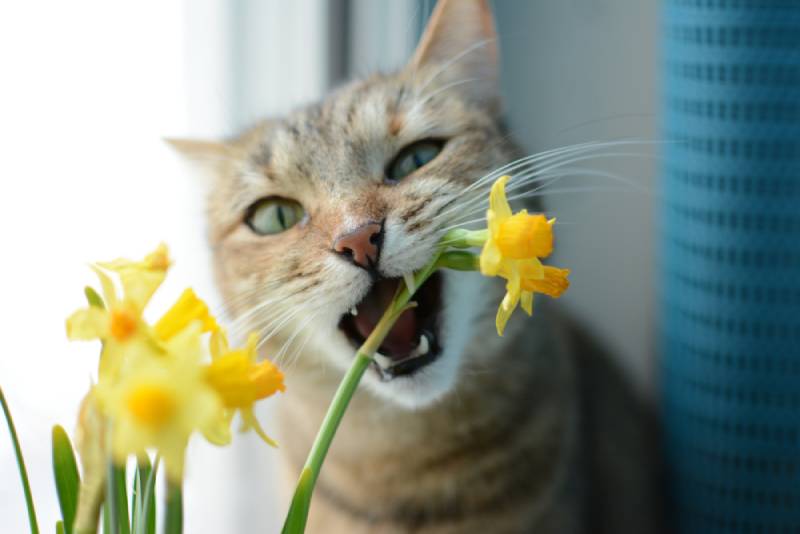
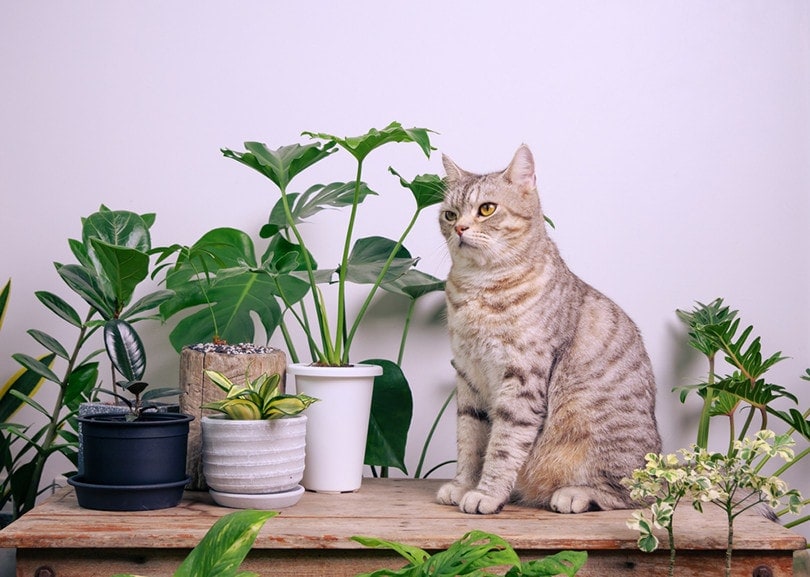
Even though cats are carnivores, they often nibble on plants. While researchers are still studying the reasons for this, recent research by University College California sheds some light on the subject. It is likely to be an ancestral behavior for the purpose of purging worms from the stomach such as has been seen in Chimpanzees and dogs. The behavior is still maintained by our domestic cats and anecdotally will often result in the bringing up of a furball or pile of froth instead.
91% of the cats in the study did not show any signs of illness before going out and eating plant material so it seems unlikely they do it because they feel sick.
Whatever the reason for your cat going after your hibiscus, you certainly want to curtail the behavior. After all, eating too much of any plant isn’t ideal for our carnivorous cats. There are also anecdotal reports of cats having vomiting and diarrhea after eating the plant. Plus, you won’t be able to enjoy the splendid beauty of those big colorful flowers your hibiscus plant grows!

How to Stop Your Cat from Eating Your Plants
The best way to prevent your cat from eating the plants in your yard is to keep your cat indoors or have a catio. But this may not be the best method to use if your kitty is an outdoor cat that loves being outside as it can lead to stress.
Create a Barrier Around Your Plants
A good way to keep your cat away from your outdoor plants is to cover the ground around them with rocks or pebbles. Cats don’t like walking on uneven, rough surfaces so choose rocks that aren’t easy to walk on.
You can also create a barrier around your plants using mesh chicken wire on top of the soil because cats don’t like walking on it. The good news about this method is that the openings in the chicken wire allow for new seedling growth. You can also use chicken wire or fencing to fence off a particular plant your cat has an interest in.
For indoor plants creating a barrier with aluminum foil or sticky strips around the plant can deter your cat as they don’t like the texture.
Use a Deterrent Spray
If you don’t have a fence around your hibiscus or there are some potted plants you want to keep safe, use a pet deterrent spray. This type of spray is safe and easy to use. With its unpleasant smell and taste, your cat will steer clear of any objects you use it on.
You can even use a pet deterrent spray indoors to keep your cat away from house plants or furniture he may be scratching. It won’t take long for your cat to associate the unpleasant taste and smell from the items you’re trying to keep him away from, so it’s well worth the price you’ll pay for the spray.
Offering Alternatives
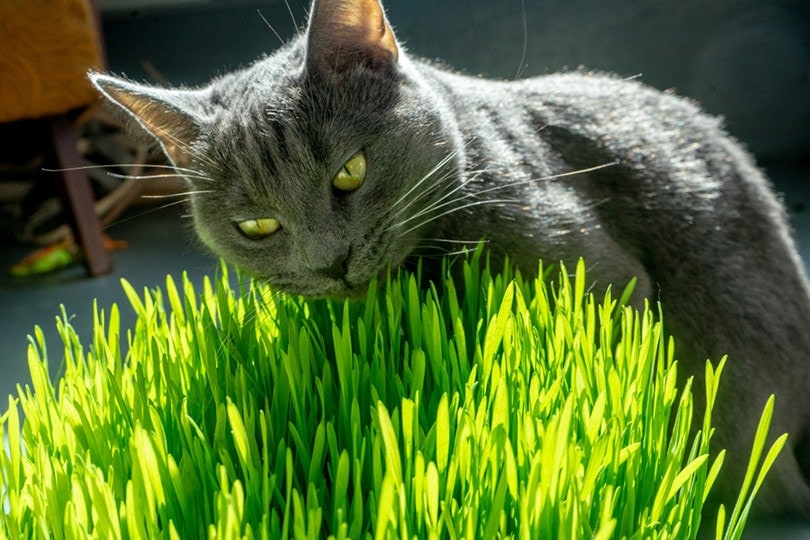
Make sure your cat has plenty of safe alternatives such as cat grass to nibble and enriching toys to play with. Cat puzzle feeders can be a fun way to provide entertainment.
Conclusion
If your cat is nibbling on your hibiscus plants, it is not thought to be toxic for them. You will still need to monitor for signs of gastrointestinal upset and contact your vet if you have any concerns. Nipping that nibbling behavior in the bud can be achieved by training and trying the methods above. After all, you’re probably growing hibiscus for the plant’s sheer beauty.
When you use the tactics discussed above, you’ll be able to keep your little pal from chewing on the plants in and around your home.
Related Reads:
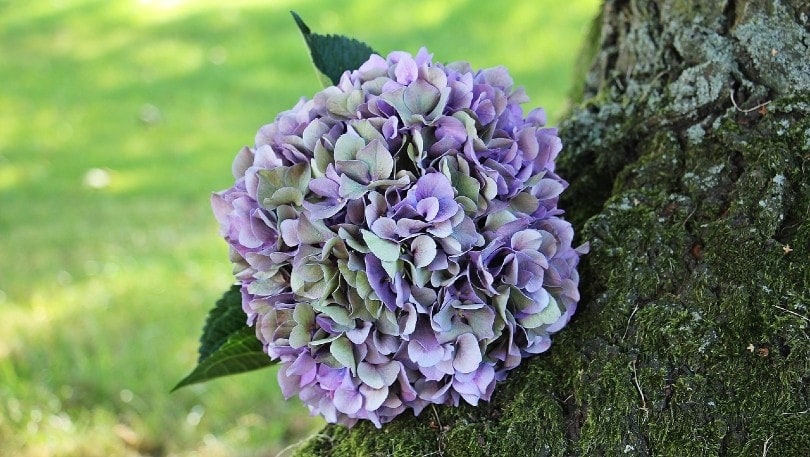
Featured Image Credit: ignartonosbg, Pixabay
Get Hepper In Your Inbox


Pet care tips from our vets and experts, straight to your inbox.
You may opt-out at any time. View our Privacy Policy for more information.
Nicole is a lover of animals of all sizes but is especially fascinated with the feline variety. She’s the proud mom of Baby, a Burmese, and works every day so he can relax in the sunshine or by the fire. She’s always had a cat in her home and has spent countless days with others, observing behaviors and softening up even the grouchiest of the lot. Nicole wants to share her kitty expertise with you so you and your cat can live happy, healthy, and care-free.
Join the conversation
Ask a question, share your story, or send private feedback.