Hepper is reader-supported. When you buy via links on our site, we may earn an affiliate commission at no cost to you. Learn more.
Are Marigolds Poisonous to Cats? Vet-Reviewed Info to Keep Your Cat Safe


In this article
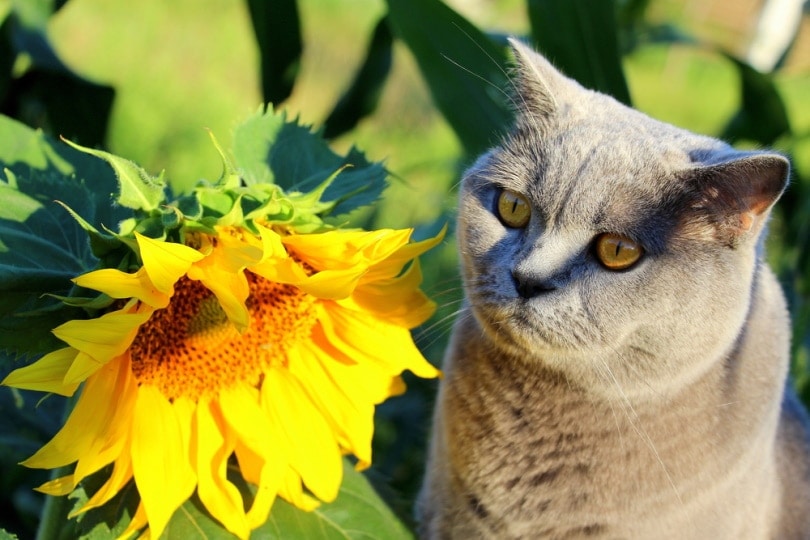
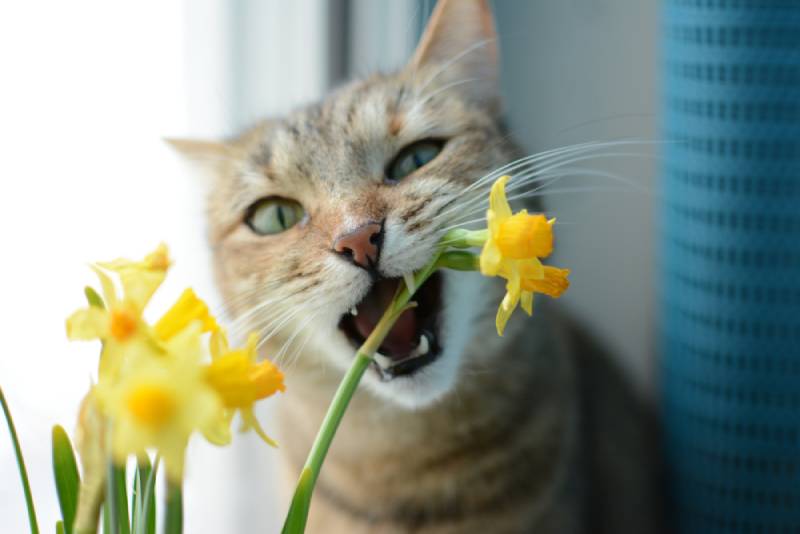
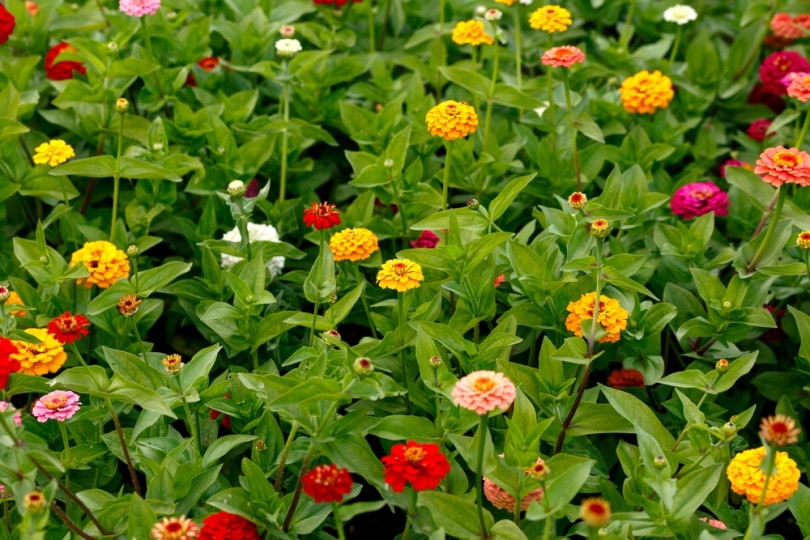
Marigolds are beautiful, sunny annual flowers used to brighten a garden. These flowers have a musky scent like wet hay or straw that bugs dislike. Home gardeners love using marigolds as bed flowers to help repel unwanted pests. Unfortunately, some cats like to eat marigolds for a mid-afternoon snack.
For cat owners, this is a problem because marigolds are toxic to cats. However, there’s some confusion between which flowers are marigolds and which ones are calendula. Many cat owners don’t know the difference and assume both are toxic.
Let’s lift the veil on these flowers so you know how to keep your cat safe.

Calendula vs. Marigolds: How to Tell the Difference
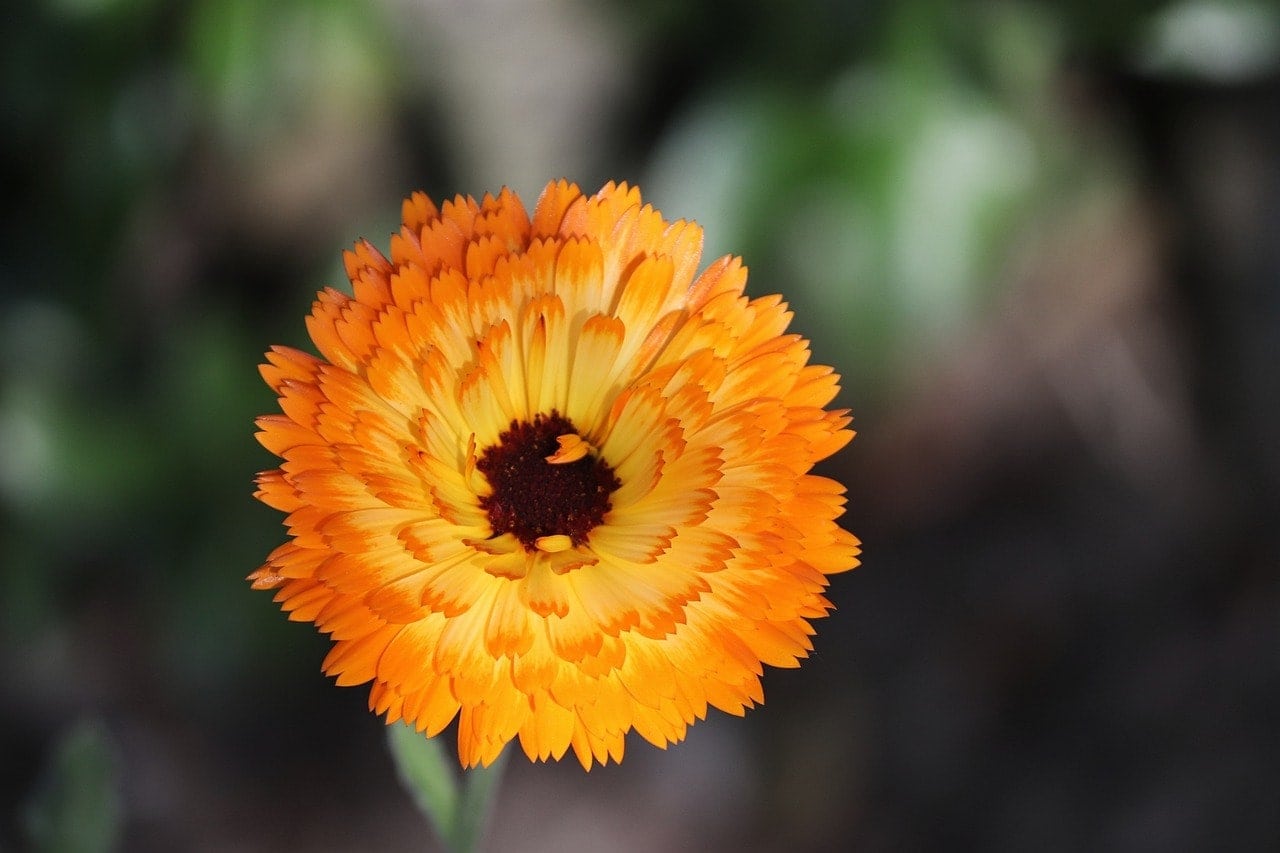
The ASPCA lists pot marigold (or garden marigold) as non-toxic. However, pot marigold isn’t a marigold at all. The official name is Calendula officinalis, otherwise known as calendula. Calendula is in the daisy family and is safe for kitties. It’s an herb used for many years in cats and dogs as a topical anti-inflammatory and antiseptic. So, if you’re a calendula enthusiast and a cat owner, you can keep your plants!
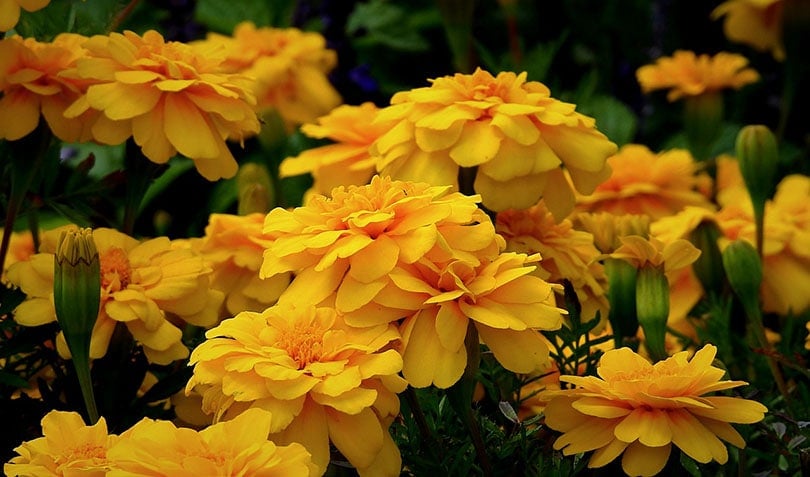
True marigolds (tagetes) are toxic to cats. This includes all marigold species. If the plant's Latin name is tagetes, then it’s best to leave them out of the garden.
Check the Latin name if you’re not sure if a flower is calendula or a marigold. It's hard to tell the difference between marigolds and calendula because they look similar. If your flowers aren’t labeled and you’re still unsure, here are the differences between the flowers:
- Seeds: Calendula seeds are curved, brown, and have small bumps. Marigold seeds are black with white tips.
- Size: Calendula plants reach heights up to 24 inches. Marigolds reach heights up to 4 feet tall.
- Scent: Calendula plants have a sweet scent. Marigolds are fouler with a slight spice.
- Shape: The petals on calendula plants are long and straight. Marigold petals are rectangular with rounded corners.
Marigold Poisoning: Signs
Cats can cause a fair amount of stress when they wander and get into anything and everything. For many gardeners, marigolds are common flowers to plant. If you're worried that your cat ate a marigold stem or a few leaves, don’t panic. Odds are, your cat will be fine.
Here are signs to look out for just in case:
Call your veterinarian for further directions if you think that your cat ate marigold leaves or stems and is showing these signs.
What Other Flowers Are Toxic to Cats?
When the ASPCA refers to a plant as “toxic,” it could mean that the plant causes moderate to intense GI upset or that the plant could be fatal. It depends on the plant and how much your cat exposes themselves to. Some non-toxic plants still cause GI upset in kitties, but the signs are mild.
Compared to the number of flowers available, the list of toxic flowers for cats is small. Luckily, there’s always an alternative to a plant if you must switch one out for a non-toxic variety.
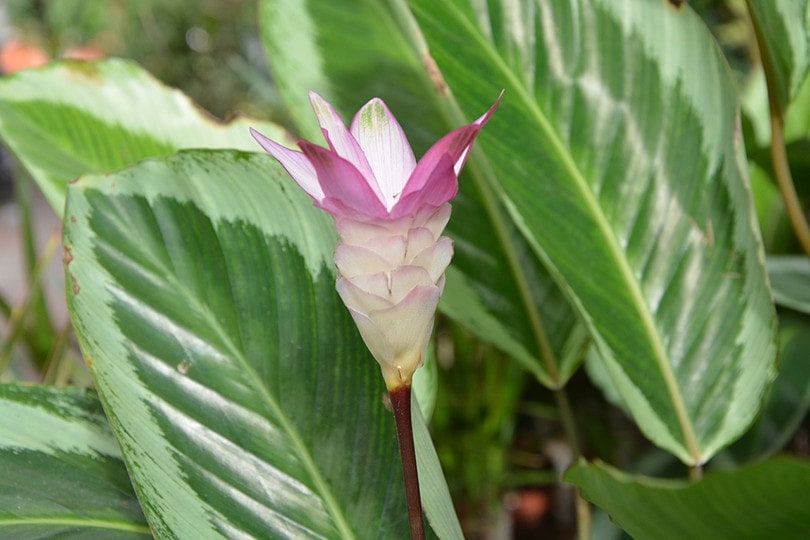
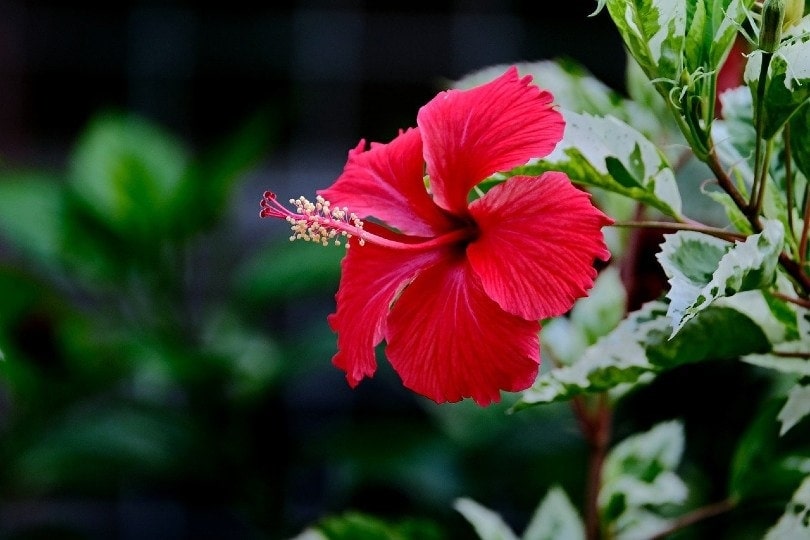
This list isn’t comprehensive, but it includes common houseplants and flowers that could cause harm to your kitty. Keep your cat away from these plants as best as you can.
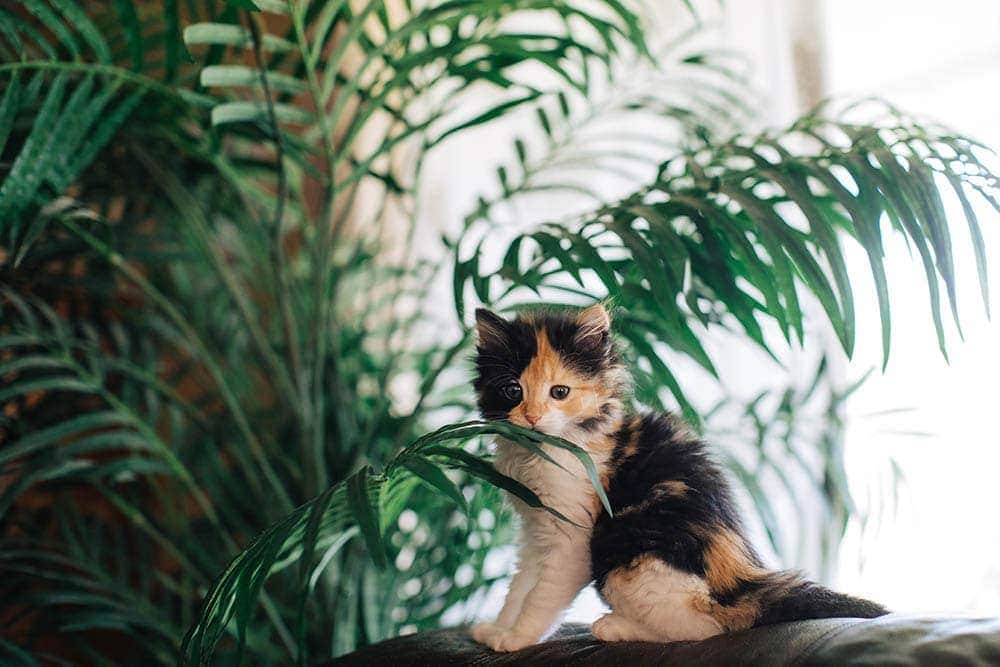
How to Keep Your Cat From Eating Your Plants
The question that many cat owners ask is how to keep their cats from eating plants. It can be hard to do, and how you go about it depends on the cat. Some cats aren’t interested in chewing on plants at all, and others want to do it all the time.
However, in certain cases, ingestion of the plant is not even necessary. For example, cats can get intoxicated by drinking the water from the flowerpot of a lily or even accidentally ingesting the plant’s pollen while grooming themselves. The best way to keep your cats safe is to avoid having toxic species in your home and garden. Also, since you have no control over what plants your neighbors will have, the safest option is to keep your cat indoors.
For whatever reason, you may not always be able to avoid having a toxic plant in the house or garden. If that is the case, ensure that you do your research about the kind of toxin in the specific plant and how your cat might get intoxicated. If direct contact or ingestion is possible, you’ll need to make sure your cat cannot reach the plant. This might mean fencing off the area with chicken wire or setting up another barrier that your cat can’t jump over.
Container gardening is a great option because if the flowerpot is small enough, you can move the pot to another location if the current location isn’t working. A tall container will also help keep your kitty away.
Hanging baskets are your best options for both outdoor and indoor plants. Hanging your plants is a great way to keep your kitty away from potentially toxic plants and still gives you a chance to grow what you want to grow. Cats like to climb, though, so keep off-limits plants away from countertops and cat trees.
Try luring your cat toward cat-friendly plants instead of fighting to keep your cat out of the garden. Create a cat garden if you can! You and your kitty will benefit from the beautiful plants in your shared space.
The perfect plants for a cat garden include:
Any of these plants in your house can help keep your cat away from off-limits plants!
Non-Toxic Flower Alternatives for the Garden
Fortunately, not every flower is toxic to cats. You can still enjoy a beautiful flower garden without worrying about your kitty. Here are a few non-toxic flower alternatives to replace marigolds:
Safe Flowers for Cats

Conclusion
Sometimes cats are like toddlers. You turn your back for 1 second, and they’ve destroyed your plants and knocked down a few shelves in the process! Thankfully, you can still grow pot marigold if you have cats because it’s actually calendula. Your kitty should be fine if the plant isn’t a tagetes.
Related Read: Is Citronella Toxic to Cats? Vet-Approved Facts & FAQ
Featured Image Credit: manfredrichter, Pixabay
Get Hepper In Your Inbox


Pet care tips from our vets and experts, straight to your inbox.
You may opt-out at any time. View our Privacy Policy for more information.
Cassidy is a vet tech and pet sitter who has more recently become a pet writer. She loves cats and dogs and has had dozens of pets over the years. Her specialty is the human-animal bond.
Cassidy and her husband currently live in Kansas with a German Shepherd named Raven, two cats named Lucy and Streudel, and several backyard chickens.
Join the conversation
Ask a question, share your story, or send private feedback.