Hepper is reader-supported. When you buy via links on our site, we may earn an affiliate commission at no cost to you. Learn more.
Are There Hearing Tests for Dogs? The Interesting Answer


In this article
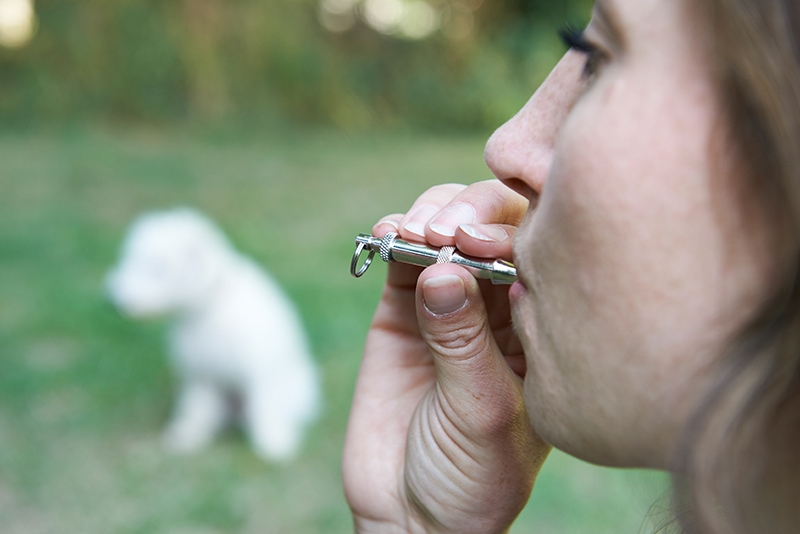
As our best pals and members of the family, it’s only natural for us to want our dogs to be happy and healthy. When we can’t do anything to make them feel better it can be very upsetting. This is especially true when we don’t know there’s an issue. This may be the case when dogs have hearing problems. Dogs with hearing issues aren’t uncommon. Often, the issue is that, no matter how much we love our dogs, we don’t always pick up on hearing loss when it first becomes an issue.
Thankfully, hearing loss isn’t an issue that has to change your dog’s quality of life. However, determining whether your dog is dealing with hearing issues is a top priority. This leaves many dog owners questioning whether there are hearing tests for dogs. The answer to this question is yes, there are ways your dog’s veterinarian can determine whether they are dealing with hearing loss or not. One such test is the Brainstem Auditory Evoked Response (BAER) test. In this article, we’ll learn a bit more about hearing loss in dogs, how veterinarians test our dog’s hearing, and how you can make your dog’s life complete with deafness.

Signs of Hearing Loss in Dogs
In most situations, you probably wouldn't want your dog’s hearing tested unless they show signs that something may be wrong. However, your veterinarian may recommend a BAER test for puppies of certain breeds that are prone to hereditary deafness. Examples of such dogs include Dalmations, White Bull Terriers, and English Setters.
Dogs have personalities like humans. Your pooch may simply be choosing to ignore or trying to be disobedient. This is why discovering a dog’s hearing loss can be difficult for some owners and in certain cases, take longer than expected.
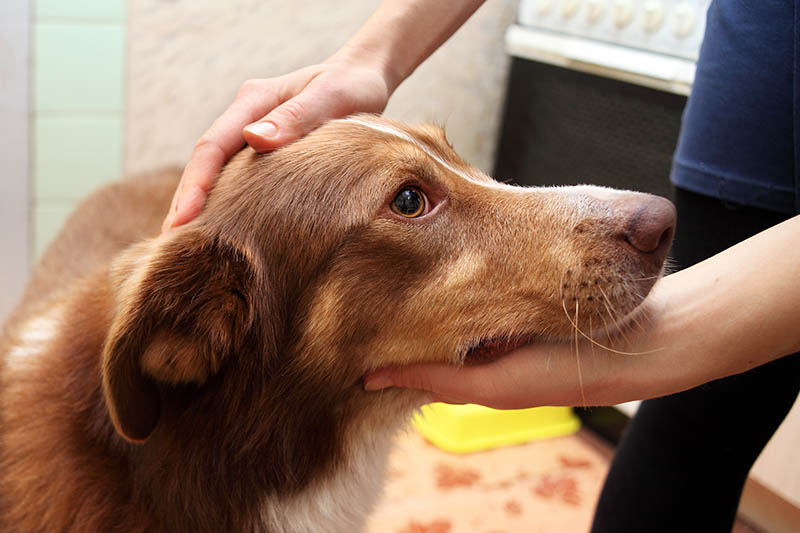
Let’s take a look at a few signs of hearing loss dogs may experience to help you determine whether your pooch should visit the veterinarian for testing.
Signs of Hearing Issues in Dogs
When these signs are present, especially in combination, you should schedule your dog a visit to the veterinarian.
Causes of Deafness in Dogs
Like with people, some dogs can be born deaf and others may lose some or all of their hearing as they age. Congenital deafness, or inherited deafness, in dogs can come in 2 forms. The first is cochleosaccular deafness. This type of deafness is the most common you’ll find in dogs and is linked to their coat patterns. Often, this type of deafness is found in blue-eyed dogs with white coats. Piebald and merle-colored dogs also have an increased risk of this type of deafness. The other type of congenital deafness is neuroepithelial deafness. With this type of inherited deafness dogs of all colors and patterns can be affected.
Acquired deafness happens as your dog grows. There are several reasons this may happen to your dog, including wax buildup or long term inflammation of the ear canal (otitis externa). This type of deafness can become present in one or both ears and is hard to detect. This is due to pet owners not realizing there is an issue because their dogs hadn’t had an issue beforehand. This type of deafness may be permanent but there are instances where it can be temporary and your dog’s hearing can be restored.
It's also important to note that some cases of deafness in dogs are simply a result of age. Senior dogs may experience a loss of hearing due to the natural degeneration of their cochlea as they age.

Testing Your Dog’s Hearing
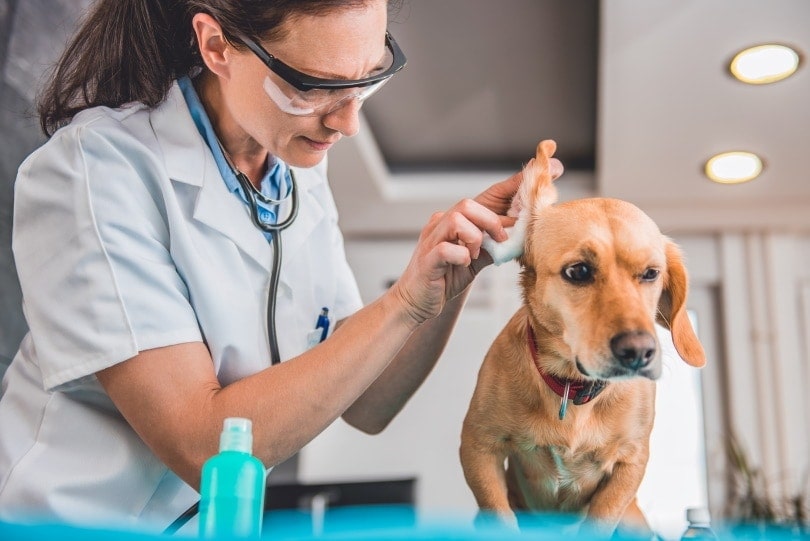
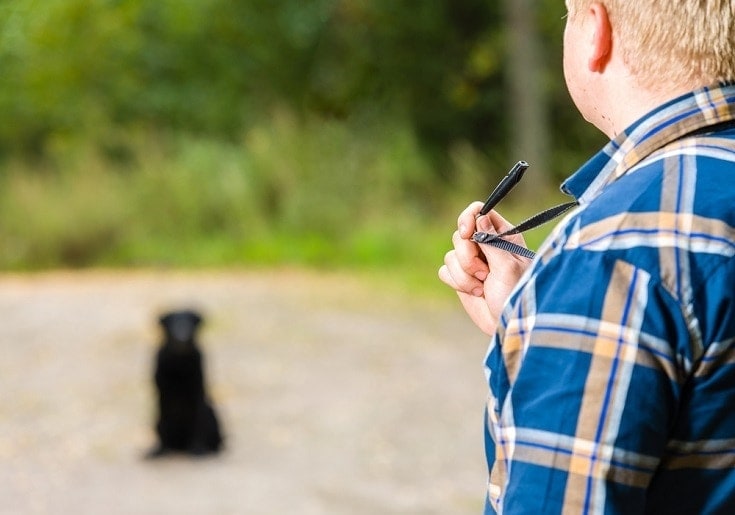
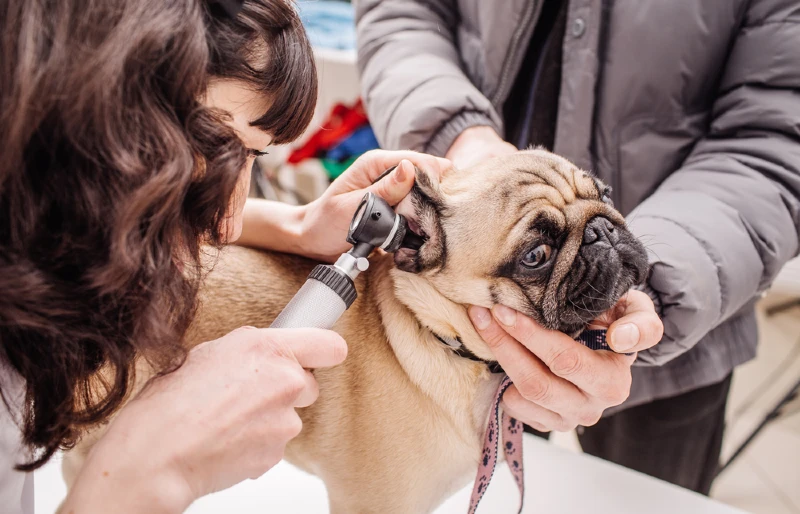
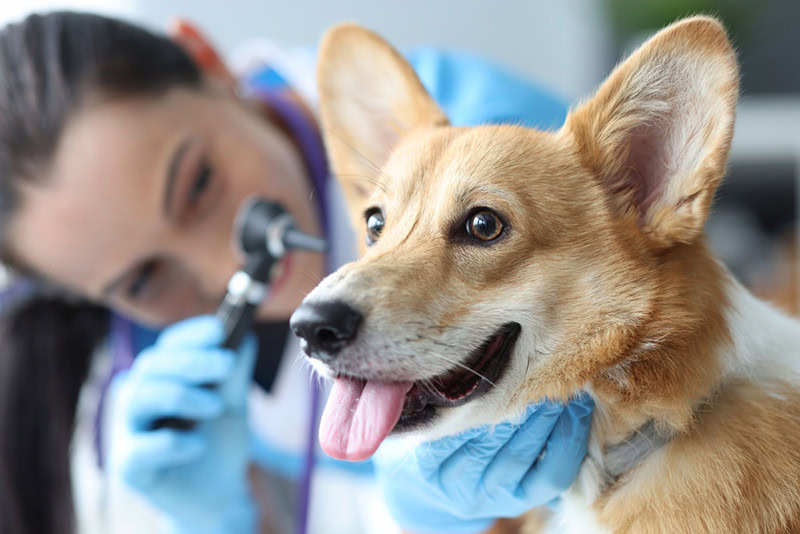
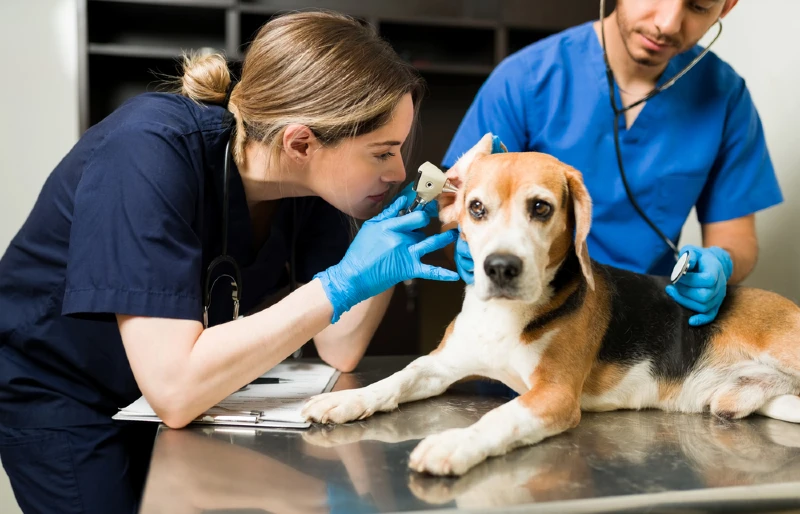
When you take notice of your dog having issues with its hearing, the first step is to schedule a veterinarian visit. At this visit, the first thing your vet will do is check your dog’s ears for any infections, wax buildup, or other visible issues. While doing this, they will keep a close watch on your dog’s reactions. Your veterinarian will make sounds outside of your pet’s field of vision to watch for potential responses or ear flicking. They may even use imaging and lab tests to determine whether infection could be the culprit of your dog’s hearing issues.
The next step in testing your dog’s hearing might be the BAER test. BAER, as mentioned earlier, is an acronym for brainstem auditory evoked response. This test, which is painless for your dog, is the most reliable when it comes to determining whether a dog is deaf. However, this test is qualitative, not quantitative. In other words, it can help determine whether or not your dog can hear, but it wont determine the amount they can hear. The measure of the electrical activity of your dog’s brain is displayed on the screen of a computer for the test administrator to view.
Because of the high cost of the specialized nature of the equipment for a BAER test, it is most often only done by a few specialists who are extensively trained to carry out the procedure and interpret the results properly. Your vet may refer you to one such specialist if they feel like your dog needs this test. BAER uses either sounds that are audible to humans as well (such as a click) or in other instances may be performed by stimulating the inner structures of your dog's ears with specialized equipment.
Are Some Dog Breeds Prone to Deafness?
Unfortunately, yes, certain dog breeds are more prone to deafness than others. You’ll find that Bull Terriers, Whippets, English Setters, Australian Cattle Dogs, and Dalmatians are among some of the breeds that experience deafness most. About 30% of Dalmatian pups are born with either full or partial deafness. Therefore, proper screening of potential breeding animals is mandatory to ensure that puppies are born healthy. Deafness in Dalmatians is attributed to their white coats, as the gene controlling this trait is closely linked to deafness.

Caring for a Deaf Dog
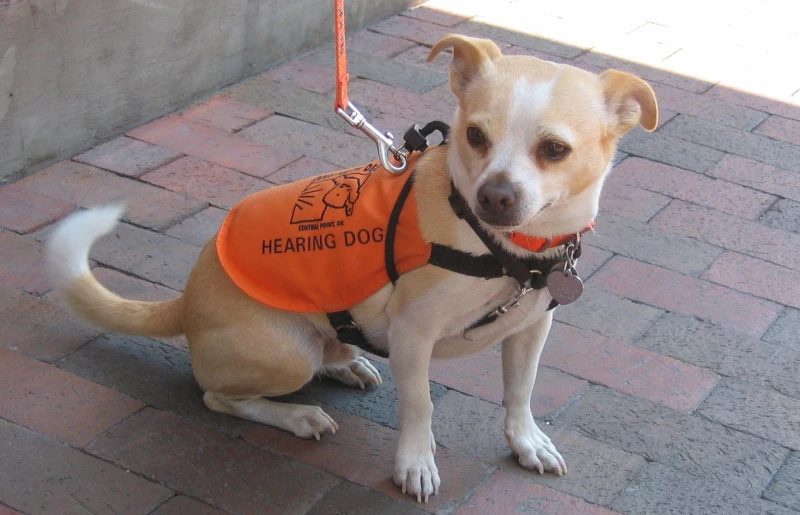
Deafness does not need to make your dog’s quality of life any less fulfilling. If you discover your dog has lost its hearing, full or partial, or was born with hearing loss, simply changing things up around the house can make things better for you and your pet.
Instead of using verbal commands for training, simply switch to visual gestures. Use touch to alert the dog of your whereabouts so they don’t become frightened or startled when you enter and exit a room. Also, keep in mind that venturing outside for a dog suffering from deafness can be scary. Make sure your dog gets lots of chances to socialize. When they aren’t in a safe and secure location, keep your pet on a leash since they can’t hear approaching cars or other dangers that may be lurking around.

Final Thoughts
Though there are several ways to determine deafness in dogs, the BAER test remains the most reliable confirmation method. Whether you and the veterinarian feel the BAER test is necessary or find that simple testing is enough, the faster you act when noticing hearing issues with your dog can help get your dog on track. Once you know the situation, you can begin new training methods and ways of communicating. This will strengthen your bond with your pet and help them acclimate to their new situation.
Featured Image Credit: megaflopp, Shutterstock
Get Hepper In Your Inbox


Pet care tips from our vets and experts, straight to your inbox.
You may opt-out at any time. View our Privacy Policy for more information.
Melissa was born and raised in the mountains of East Tennessee where she spent her time writing in an old notebook and playing outside with her pets. As an avid animal lover, she has brought many into her home over the years. Currently, she is the mom of 5 fur babies. Her 2 cats, Princess and Pepper are total opposites who demand attention. Her dogs Jazzy, Whitey, and Demon are full of spunk and keep the entire family on their toes.
Beyond life as an animal mom, Melissa is a dedicated wife and mother to 2 children. Writing in her old notebook led her down the path of becoming not only a freelance writer but a published Indie author under the pen name, Rena Marin.
Join the conversation
Ask a question, share your story, or send private feedback.