Hepper is reader-supported. When you buy via links on our site, we may earn an affiliate commission at no cost to you. Learn more.
How to Tell If a Dog Is Deaf: 7 Vet-Approved Signs to Look For


An estimated 5%–10% of dogs in the USA suffer from hearing loss in one or both ears.1 This doesn’t mean they can’t be trained, or they won’t live a long and happy life, but teaching them can be difficult, especially if the hearing loss is sudden. Dogs can be incredibly willful and stubborn animals, and many owners may worry that their dogs are deaf when they ignore their commands.
To help clear the air, here’s a list of seven signs that your dog is deaf, how to test their hearing ability, and the common causes of deafness in dogs. Recognizing these signs will help you decide whether your dog needs more training or a trip to the vet.

The 7 Signs Your Dog May Be Deaf
1. Excessive Barking
When we can’t hear our voice, it’s a natural impulse to speak louder to compensate. Dogs do the same thing. They use their hearing to regulate how loud and how often they bark. When they lose hearing, some dogs won’t bark, while others will take it to the other extreme and bark more often.
If the barking is a sudden development or it’s louder or quieter than usual—or changes in volume—it could be because they can't hear how loud they're being. You should also pay attention to noises that commonly set your dog off, like a knock on the door. If your dog no longer reacts to the doorbell, they might not have heard it.
2. Ignoring Verbal Commands

There are two reasons why your dog might ignore verbal commands. Something might have grabbed their attention that they find far more interesting than you, or they didn’t hear you. If it’s the former, you may need to work on their recall.
In the case of the second reason, you might find that the disobedience is sudden. It can be shocking if your dog is usually well-behaved. They’ll suddenly stop responding to their name or stop paying attention to your commands unless you use hand gestures they recognize.
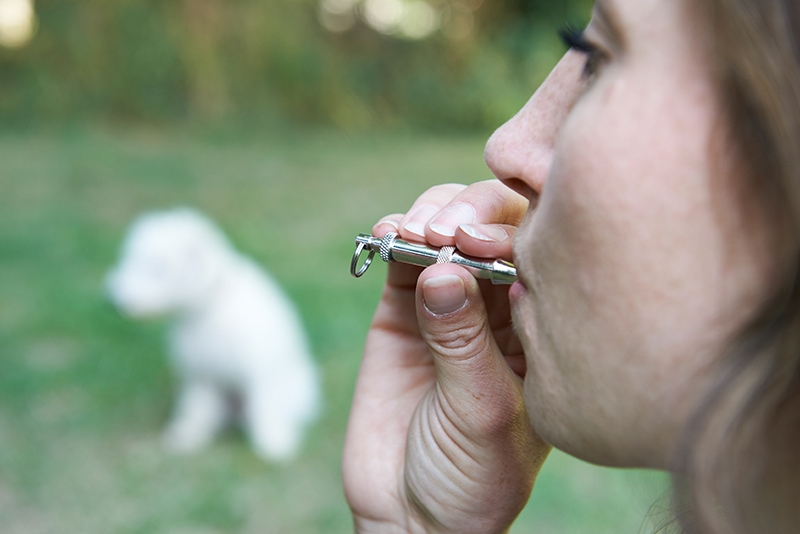
Dogs will often lose the ability to hear high-pitched sounds first, so they might stop listening to your whistle. You’ll need to work with them to develop their familiarity with hand gestures or lower-pitched noises, depending on their level of hearing loss, rather than relying on your voice.
3. No Ear Movement
Dogs have 18 muscles that control the movement of their ears.2 They use their ears to communicate with you and each other and locate the noise's source. By adjusting the position of their ears or just the ear closest to the noise, your dog can locate the source before they turn their head.
If your dog doesn’t move their ears when there’s a noise, it could be a sign that they didn’t hear it. You can test this by standing somewhere your dog can’t see you and whistling or jingling keys. If your dog’s ears don’t move or look up to investigate the noise, they might be deaf.
4. Shaking or Tilting Their Head

The head tilt and head shake are two of dogs' most familiar behaviors. Both are entirely normal, but they can also be signs of ear problems, including deafness.
Excessive Head Shaking
Dogs will shake their head to alleviate discomfort or itchiness in their ears. Excessive head shaking can indicate a health issue affecting your dog's ears, such as an ear infection. Chronic ear infections or a build-up of earwax can cause reversible hearing loss, and you'll notice your dog shaking their head more often due to the discomfort caused by the condition.
The Head Tilt
Dogs have ear flaps covering the ear canal, blocking sounds from reaching them properly. Tilting their head allows them to move the ear flap and direct sound into their ear. Some breeds have less trouble than others, but this flap is why many dogs tilt their heads when they listen to you. It’s a sign that they’re paying attention.
Dogs that are losing their hearing will tilt their heads, too. If they’re tilting their head more often than usual, they might be trying to detect or concentrate on a sound.
5. Sleeping More Often
Another common sign of deafness is sleeping more often. They might spend more of the day snoozing, be harder to wake, and even sleep through your return home from work. This doesn’t mean your dog doesn’t care about you, even if it is heartbreaking when they stop running to meet you at the door.
Your dog will sleep more often simply because they can’t hear the noises that used to catch their attention or disturb them. It is, after all, much easier to sleep somewhere quiet than to doze off where there are loud noises.
6. They Startle More Easily

Perhaps the biggest and one of the most apparent signs of deafness in your dog is how often they’re startled. If your dog is born deaf, they’ll likely recognize vibrations when someone approaches, although they can still be startled by sudden, unexpected touches.
The change can be disorienting for dogs who are older and more accustomed to hearing. Depending on their personality, they might lash out to defend themselves if startled. This doesn’t mean they’re bad dogs. They were just taken by surprise, and their survival instinct kicked in. The defensive reflex is why you should always teach children to approach dogs, especially deaf ones, cautiously.
7. Unresponsive to Sounds
No matter how well-behaved your dog is, there will be sounds that consistently get their attention. A knock on the door can set a usually calm dog off on a barking spree, or a backfiring car can cause anxiety. Not all dogs react to the same noises the same way, and you’ll need to consider their level of training and desensitization.
While we often wish we could protect our dogs from scarier sounds, not reacting to noises they’ve always responded to is a sign of deafness, too. If you’re in doubt, try testing a few other sounds and watch for your dog's reaction.
Is Your Dog Deaf or Just Not Listening?
Like us, dogs have preferences and sometimes prefer sleeping or continuing to chew their favorite toy over listening to you. If your dog refuses to acknowledge your commands unless they want to, you’ll probably quickly become concerned that they can’t hear you.
Determining whether your dog is deaf or just willfully ignoring you will require some detective work. Pay close attention to any of the signs we mentioned earlier and combine them with a few tests of your own.
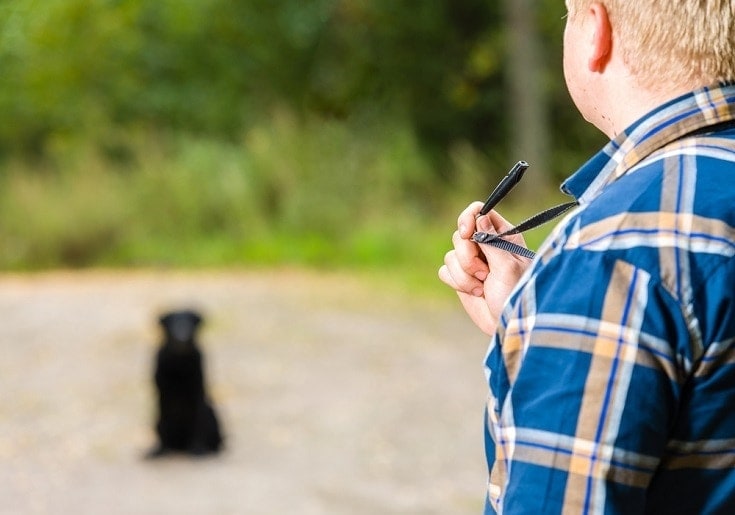
Stand somewhere your dog can’t see you and try to get their attention by squeaking their favorite toy, rattling your keys, or making other strange noises they’ll want to investigate. If they react, you likely need to work on their training to teach them that paying attention to you is more rewarding than nap time. Try taking a few obedience classes or hire a professional trainer if you’re having trouble.
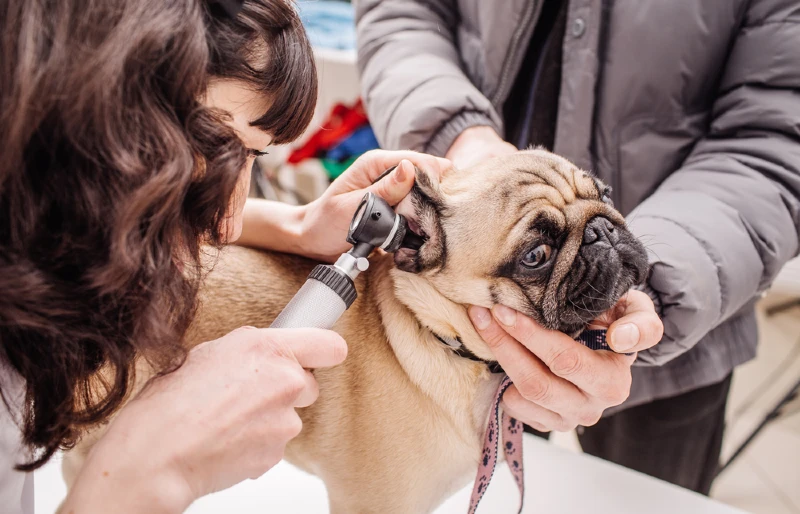
Deaf dogs, as you might expect, won’t react to noises, and you should confirm their deafness by taking them to a veterinarian for an examination. Some cases of deafness can be temporary and cured when the underlying problem is treated. In other cases, your dog’s deafness will be permanent, but your veterinarian can advise you on how to manage your dog’s hearing loss.

What Causes Deafness in Dogs?
Hearing loss or deafness in dogs might be difficult to determine, especially when your dog is a puppy, but it can have a variety of causes. Most cases of deafness are permanent, such as hearing loss due to old age, congenital defects, or ruptured eardrums. If the underlying cause can be treated, it is sometimes possible for the deafness to be temporary.
You’ll need to talk to a veterinarian to figure out whether your dog will hear again or whether the damage is permanent. For now, here are some of the most common causes of deafness in dogs:
Final Thoughts
Dogs can develop hearing loss as they age, or it can be something they’re born with. Being deaf doesn’t make them any less intelligent or trainable than dogs that can hear, but they need the proper guidance. Understanding the signs that your dog is deaf will help you treat the cause or adjust your training to suit your dog’s needs.
Don’t forget that some dogs might ignore you because something else is more interesting. Run a test with a few noises to try to get their attention. If they don’t react, it’s time to visit a veterinarian.
Related Reads:
Featured Image Credit: Jari Hindstroem, Shutterstock
Get Hepper In Your Inbox


Pet care tips from our vets and experts, straight to your inbox.
You may opt-out at any time. View our Privacy Policy for more information.
Nicole is a lover of animals of all sizes but is especially fascinated with the feline variety. She’s the proud mom of Baby, a Burmese, and works every day so he can relax in the sunshine or by the fire. She’s always had a cat in her home and has spent countless days with others, observing behaviors and softening up even the grouchiest of the lot. Nicole wants to share her kitty expertise with you so you and your cat can live happy, healthy, and care-free.
Join the conversation
Ask a question, share your story, or send private feedback.