Hepper is reader-supported. When you buy via links on our site, we may earn an affiliate commission at no cost to you. Learn more.
Are Tuxedo Cats Hypoallergenic? Vet-Approved Facts


In this article
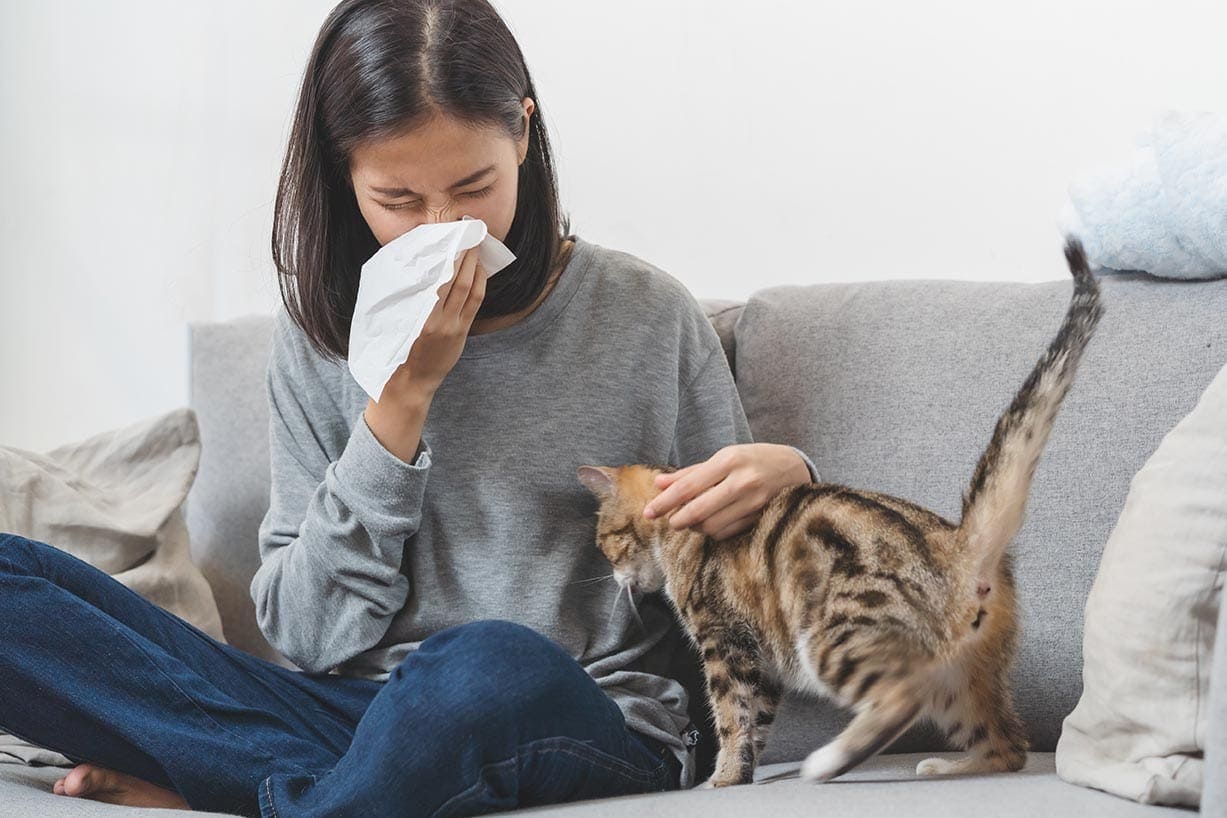
Allergies are frustrating to deal with, no matter what sets off your immune system. Cat allergies can be particularly irritating, especially when you just want to cuddle with your favorite tuxedo cat. While it’s true that some cat breeds are less likely to set off allergies than others, this doesn’t apply to a tuxedo cat, as “tuxedo” refers to the coat pattern rather than the breed, and in any case, they are not usually hypoallergenic.
This guide explains what hypoallergenic cats are and why tuxedo cats aren’t considered to be allergy-friendly. There are also steps to take to help minimize your allergic reactions if you can’t avoid them altogether.

What Is a Hypoallergenic Cat?
Cuddling with a pet after a long day can make you feel better. But if you have allergies, finding a cat that won’t set your nose running and your eyes itching is a challenge. That’s why many breeders advertise certain cats as being hypoallergenic depending on how often they set off allergies.
Unfortunately, “hypoallergenic cat” is a bit of a misnomer. Unlike hypoallergenic products like jewelry or pillows, there’s no such thing as a totally hypoallergenic cat 1. All cat breeds will produce allergens that will set off your immune system if you’re sensitive to them. Some cats are less likely to set off allergies than others and are often sold as hypoallergenic, but they can still trigger an immune response in sensitive people.

Are Tuxedo Cats Hypoallergenic?
Unfortunately, tuxedo cats are no more hypoallergenic than any other cat breed. Some individual tuxedo cats are less likely to set off your allergies than others, but they can still cause an allergic reaction for two reasons: the breed and the amount of Fel d 1 protein that they produce 2.
Breed
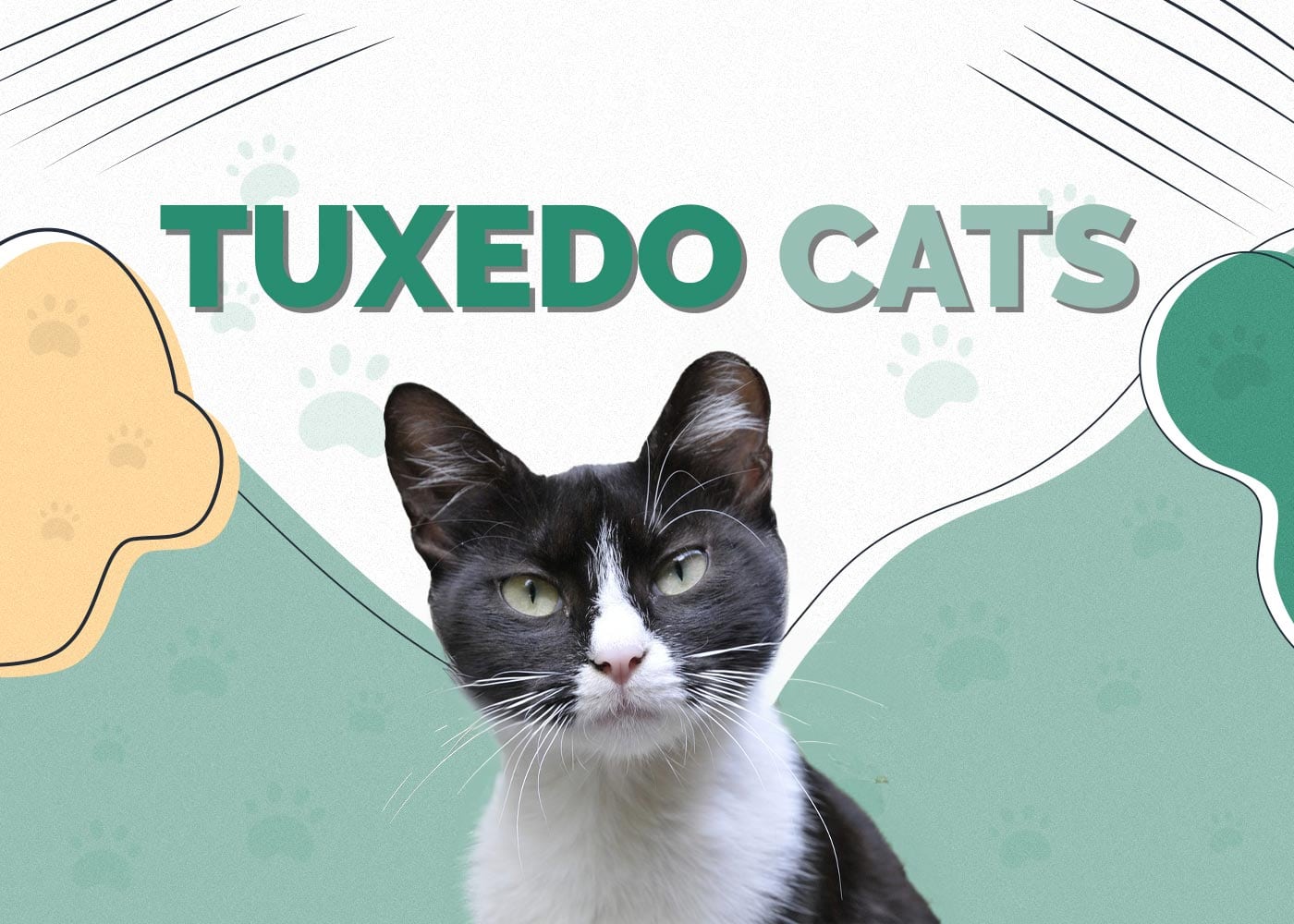
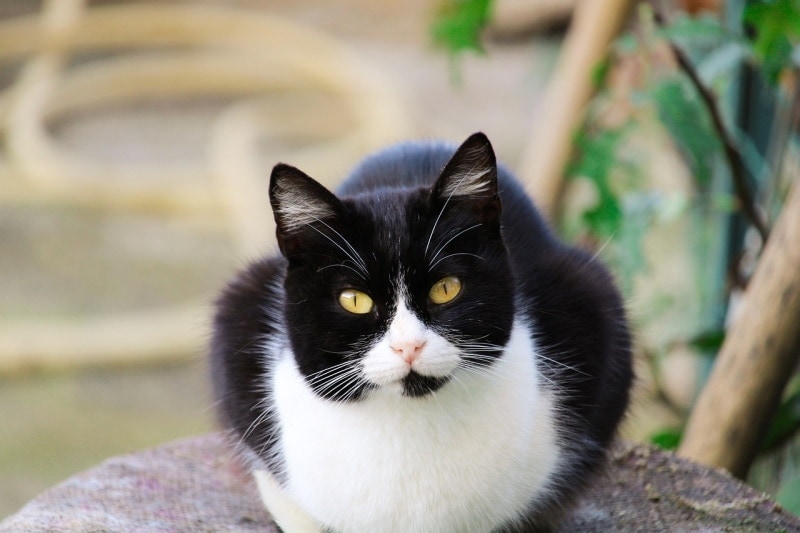
Easily recognized for their striking black-and-white patterning, tuxedo cats are frequently believed to be a separate breed. However, their appearance has nothing to do with their breed. Tuxedo cats can be mixed breeds or pedigree breed known for their coat pattern.
Since tuxedo cats aren’t a breed of their own, they range in temperament, energy levels, and size. They also can't be considered hypoallergenic, though their breed does make a difference as to how allergy-friendly they are.
A tuxedo Maine Coon might set off your allergies more than a tuxedo Sphynx, for example. However, if you’re highly sensitive to the allergens that your cat produces, even a hairless tuxedo cat will set off your immune system.
Fel d 1 Protein
All cats produce a protein known as Fel d 1 3. It’s in their saliva, dander, and urine. It’s also the major cause of cat allergies. The breed of a cat can play a part in how much Fel d 1 protein they produce. However, a certain amount is always present, even in the breeds that are classified as hypoallergenic. There have been 10 feline allergy proteins identified by around 95% or people are allergic to Fel d 1.
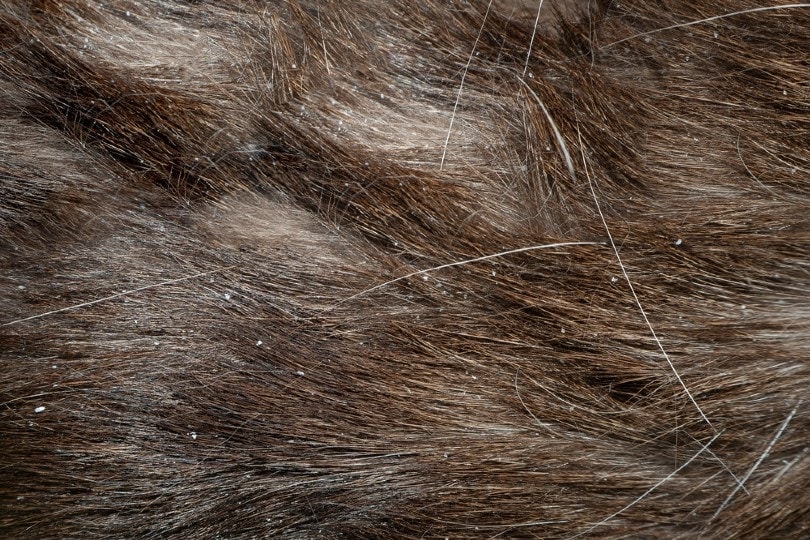
The Fel d 1 protein in the saliva, urine, and feces is why many cat owners mistake their pet’s fur as the source of their allergies. As a cat grooms themselves, they spread the protein through their fur. It then dries and clings to the hair and dander. The loose fur is eventually shed, and it’s the allergen still clinging to the strands of airborne hair that sets off your allergies. It can also rub off on your hands whenever you pet your cat, which is why it’s important to wash your hands afterward.
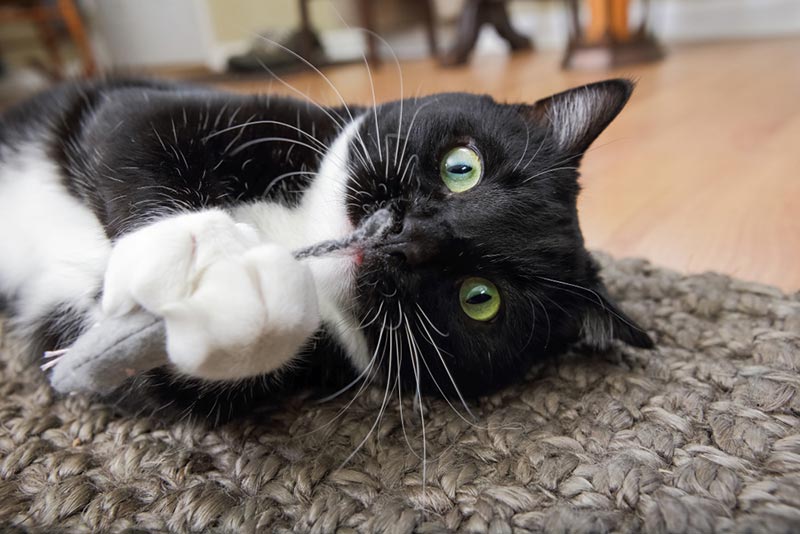
How to Manage Cat Allergies
If your immune system is highly sensitive to cat allergens, any tuxedo cat will set off your allergies. If you have a milder case, while you can’t prevent a reaction altogether, you can take steps to make your immune response more manageable. Your first port of call for managing allergies should always be your doctor or allergy specialist.
1. Cat-Free Bedroom
Everyone loves to cuddle with their pets, but if you have allergies, it’s better to avoid burying your face in your cat's fur during a cuddle session. Dander and shed hair covered in saliva can get all over the house, though, and coming into contact with the allergens is inevitable.
Giving yourself at least one room in the house that’s entirely cat-free means you will have a spot to go to when your allergies are acting up. Keeping your cat out of your bedroom will help you sleep easier too.
2. Diet
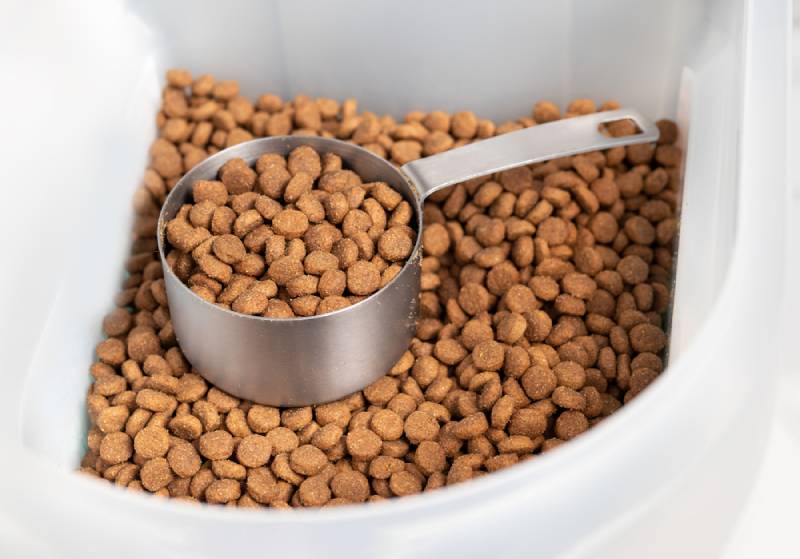
Adjusting a cat’s diet has been found to reduce the amount of Fel d 1 protein that they produce. For example, certain chicken eggs can contain an antibody that bonds to the active Fel d 1 protein in a cat’s saliva. A study by Nestlé Purina Petcare discovered that providing your cat with a diet that includes this antibody reduced the number of allergens that they produced by 47%. By reducing the amount of Fel d 1 in your cat’s saliva, less of it is applied to their fur during grooming or if they lick your hands. Unfortunately, the eggs used in the formula were produced by chickens that had been exposed to the Fel d 1 protein, so feeding regular chicken eggs to your cat won’t help. Instead, you can look at feeding your cat Proplan LiveClear cat food which was developed to help allergy-suffering cat owners.
High-quality cat food is also important in skin and coat health. The more balanced your cat’s nutrition is, the healthier they’ll be. Protein and fat content in particular can help reduce your cat’s shedding.
3. Tidy House
It’s hard work, but keeping your house clean can help your allergies. Wooden floors are the easiest to upkeep when it comes to owning pets, simply because they’re easier to clean. You should also vacuum regularly to collect stray hairs and dander.
Remember to clean underneath furniture, and pay close attention to carpets, rugs, furniture, and drapes, which can trap allergens. Cleaning the house also includes cleaning your pet’s toys and bedding.
4. Regular Grooming
It might not be floating shed cat hair that you’re reacting to; the hair clogging up your carpet can retain the allergens that you are allergic to. Tuxedo cat breeds that shed excessively will be constantly adding to this build-up of fur and dander.
You can help reduce the amount of fur on your carpet and furniture by grooming your cat regularly. If you’re severely allergic, ask someone else to do this for you.
Grooming your cat won’t completely stop them from shedding on your favorite rug, but it will mean fewer allergens are floating around for you to breathe in. You’ll also want to make sure you brush them in a well-ventilated room to prevent any airborne allergens from lingering.
5. Air Purifier
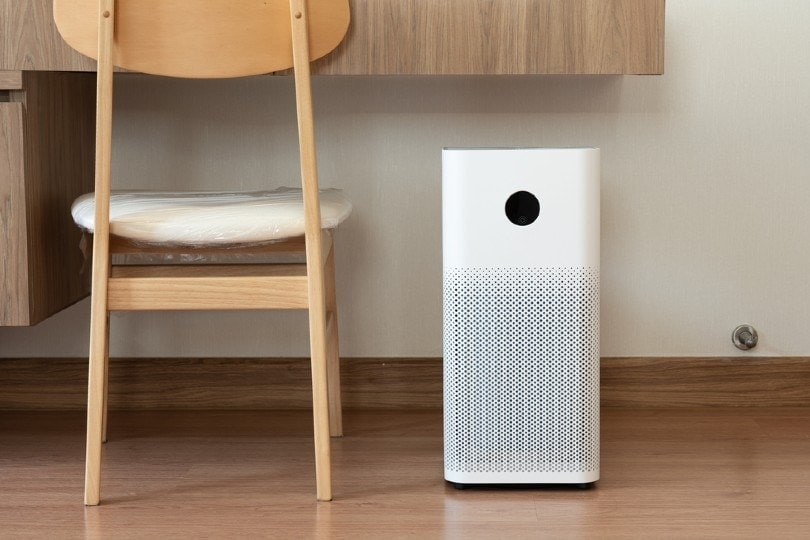
Air purifiers can help reduce the number of airborne allergens that are floating around your home. Many are designed with pet owners in mind and contain HEPA filters, which are great for pet allergies. These remove allergens that are too small for regular filters to handle. This is especially helpful if you have other allergies that you struggle with, such as pollen.
6. Hand Washing
Interacting with your cat is a part of looking after them. Unfortunately, if you have allergies, this means you’ll be getting dander and saliva on your hands whenever you pet your cat. Even hairless breeds groom themselves, after all.
Don’t think that you need to give up the ear scratches altogether, though! Just wash your hands after playing or petting your cat, especially if they have a habit of licking you in return.
In Conclusion
Tuxedo cats are favorites for their sophisticated patterning, but they’re not hypoallergenic. In fact, the name doesn’t refer to a breed of cat, but rather their distinctive coloring.
Unfortunately, this means that one tuxedo cat might severely set off your allergies, while another might not. It depends on the breed of the cat in question, how much Fel d 1 protein they produce, and how sensitive you are to the breed. There are ways to manage your cat allergies, though, and we hope that these tips help you and your tuxedo cat live together comfortably.
Sources
Featured Image Credit: slidesl, Shutterstock
Get Hepper In Your Inbox


Pet care tips from our vets and experts, straight to your inbox.
You may opt-out at any time. View our Privacy Policy for more information.
Nicole is a lover of animals of all sizes but is especially fascinated with the feline variety. She’s the proud mom of Baby, a Burmese, and works every day so he can relax in the sunshine or by the fire. She’s always had a cat in her home and has spent countless days with others, observing behaviors and softening up even the grouchiest of the lot. Nicole wants to share her kitty expertise with you so you and your cat can live happy, healthy, and care-free.
Join the conversation
Ask a question, share your story, or send private feedback.