Hepper is reader-supported. When you buy via links on our site, we may earn an affiliate commission at no cost to you. Learn more.
Do Air Purifiers Help With Pet Allergies? Vet-Reviewed Health Facts


In this article
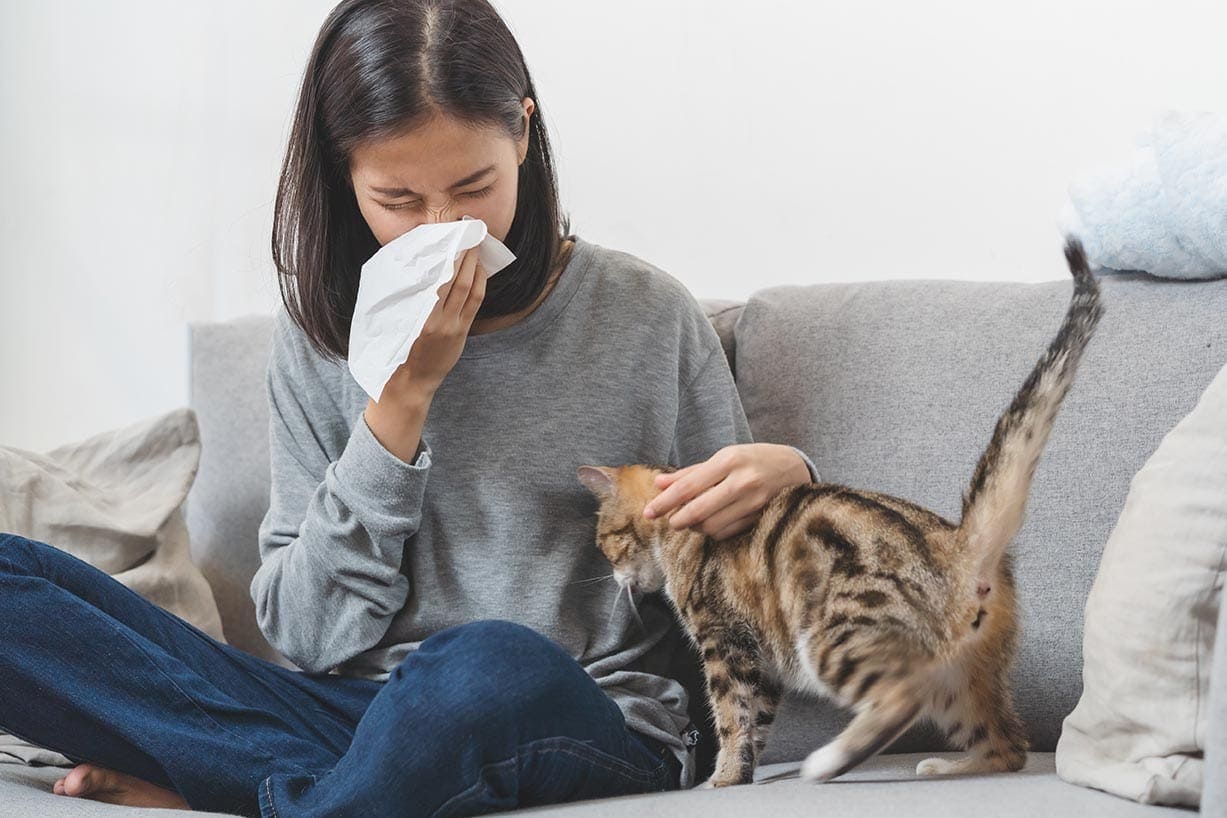
Nothing is more disheartening than discovering you suffer from pet allergies when your pets are much like your children. Rehoming them is just not an option, so what do you do?
Well, the good news is that you might be able to manage your allergies so that you can live somewhat harmoniously with them, while still enjoying the companionship of your beloved pets. Air purifiers are just one of the effective tools to achieve this, but here are some things you need to know when shopping for one. In short, yes, air purifiers can help with pet allergies. We’ll talk about air purifiers, pet allergies, and other ways to manage your allergies.

What You Should Know About Pet Allergies
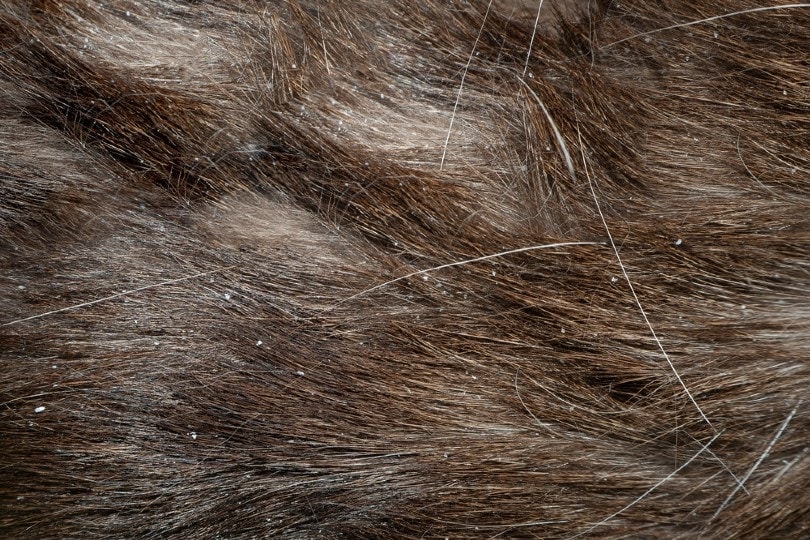
When a person suffers from pet allergies, it is a protein present in their pet's urine, saliva, and dander that they are allergic to. Anytime your pet scratches, shakes, or moves, its dander gets thrown into the air, where it clings to dust particles in your home. Because they are lightweight and tiny, they can stay airborne for some time before settling onto your surfaces, carpets, and furniture.
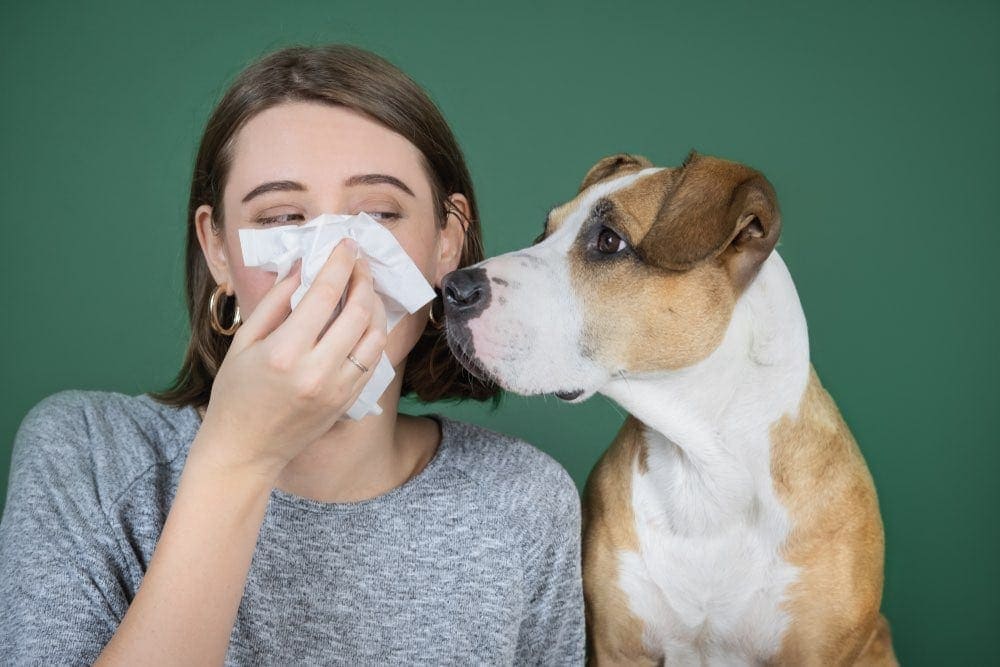
An overactive immune system triggers allergies. When a person suffers from allergies their immune system perceives a harmless substance as a threat and kicks into overdrive. This can cause the classic symptoms, such as a runny or stuffy nose, watery eyes, itching, and shortness of breath due to inflammation of the lining of the nose, throat, and eyes.

Do Air Purifiers Help Pet Allergies?
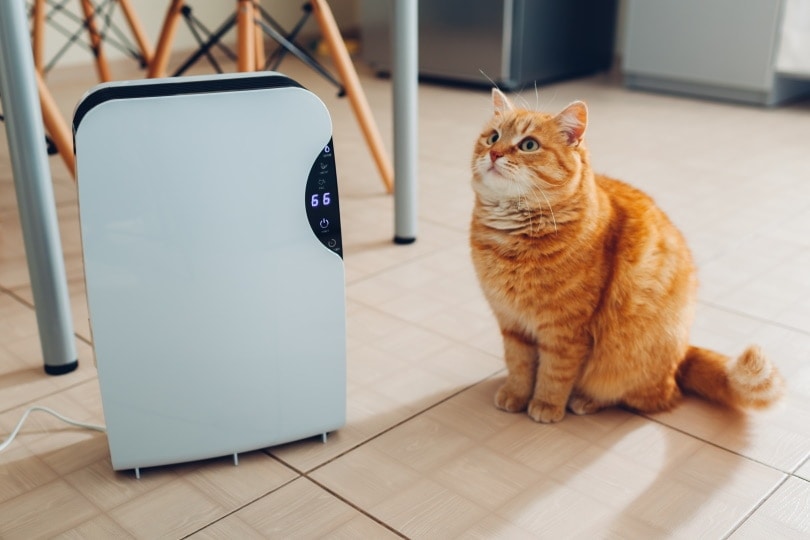
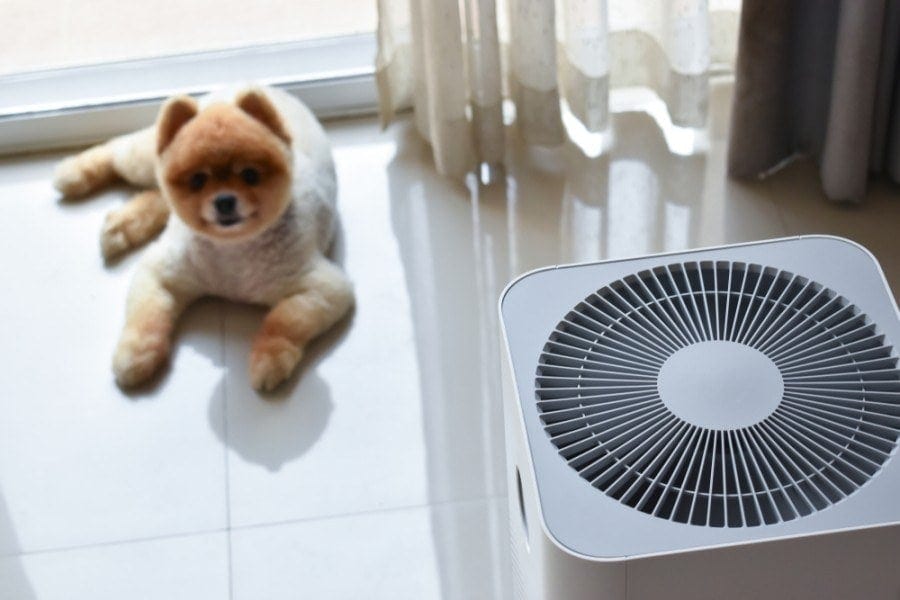
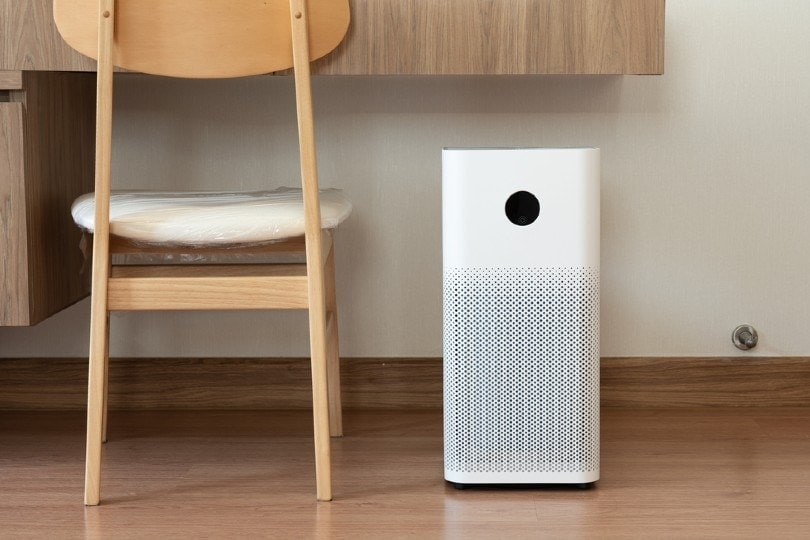
Air purifiers can be a huge help in managing pet allergies, providing much-needed relief from the allergens that trigger allergy symptoms. They can help by reducing the number of allergens found in the air by filtering them, trapping them, and destroying them. They effectively minimize odors and are a practical way to limit contact with allergens when you can’t limit contact with your pets.
However, the efficiency of an air purifier will depend on its filter characteristics and how well it is maintained. Running a purifier continuously on a lower setting can provide quick relief while extending the lifespan of the machine’s motor. Your air purifier’s ducts and filters will need regular cleaning to remain efficient.

Which Air Purifier Works Best for Pet Allergies?
There are several purifiers available on the market, and choosing the right one may prove a little tricky when overwhelmed by all the choices. Some tips for choosing the correct air purifier include:
- Choose an air purifier with a HEPA filter since they remove 99.97% of particles.
- Choose a unit with the highest airflow
- Pick a model with a high Clean Air Delivery Rate (CADR). This indicates how well the unit filters allergens and pollutants.
- Choose a device that is suitable for your room
- Look for a purifier that doesn’t exhaust air downwards, as it can put allergens from the floor into the air.
- Look for a purifier recommended by asthma and allergy organizations and professionals.
The 5 Tips to Decrease Pet Allergens

An air purifier can reduce allergens in your home, but you shouldn’t rely on an air purifier alone. There are plenty of other ways to minimize triggers and manage your allergies. Here are some tips to help you live harmoniously with your pets:
1. Groom your Pets
Grooming your pets regularly can help limit the amount of dander that falls off their bodies daily. You can carefully groom them yourself or get a professional to do it. You can wear gloves and a mask to limit your exposure to the dander and brush your pets outside to minimize dander indoors.
Once you are done, wash your hands immediately. Bathe your pet at least once a month to keep its skin and coat clean, but avoid overbathing and using harsh shampoos since they can irritate their skin which will result in more dander.
2. Keep Your Pets Away from Certain Areas
Restricting your pet's access to certain areas of the house may be hard at first, but it can really help limit the number of allergens you are exposed to. First, you should prevent your pets from entering your bedroom. While it may sound like a reality you can't live with, it is vital to keep your place of rest free from allergens. Try restricting access to areas you often find yourself in, such as the office, and train your pets to stay off your furniture.
3. Clean Your House Often
The more often you clean, the more you can reduce triggers for your allergies. You can establish a cleaning routine that can easily become part of your schedule, targeting the areas where your pets spend most of their time. Lift rugs and carpets and wash your throws and curtains regularly. If your home is carpeted, try to vacuum at least every other day with a vacuum that includes a HEPA filter and can effectively pick up pet hair.

4. Declutter
Pet dander can settle on just about any surface; the more surfaces you have, the more pet dander will accumulate. Consider moving any unnecessary trinkets and “dust collectors,” so to speak, to help reduce the amount of dander. If you have several small rugs around the house, consider removing them, as dust and dander can quickly settle and collect in the fibers. This will also make cleaning easier and ensure no dander is left behind.
5. Strengthen Your Immune System
Strengthening your immune system can be crucial when trying to manage allergies. Boost your immune system with vitamin C and consider immune-boosting supplements such as vitamin D and zinc. Ensure you drink enough water during the day and try to manage your stress as well as possible. You can discuss allergy shots with your doctor to build up your tolerance to pet allergies, but the shots typically take several months or longer to build up your immunity.
Conclusion
Pet allergies can be disheartening, especially when you love your pets, and they can become a real pain to deal with that affects your overall quality of life. Fortunately, there are ways that allergy sufferers can manage their allergy triggers and symptoms, and one of the most effective ways to do that is by investing in an air purifier. It should have a HEPA filter and a powerful motor to remove more particles and contaminants from your home. Along with an air purifier, managing your home and improving your cleaning practices can all assist with the fight against allergies.
Sources
Featured Image Credit: Parinya Smithijaroenpon, Shutterstock
Get Hepper In Your Inbox


Pet care tips from our vets and experts, straight to your inbox.
You may opt-out at any time. View our Privacy Policy for more information.
Nicole is a lover of animals of all sizes but is especially fascinated with the feline variety. She’s the proud mom of Baby, a Burmese, and works every day so he can relax in the sunshine or by the fire. She’s always had a cat in her home and has spent countless days with others, observing behaviors and softening up even the grouchiest of the lot. Nicole wants to share her kitty expertise with you so you and your cat can live happy, healthy, and care-free.
Join the conversation
Ask a question, share your story, or send private feedback.