Hepper is reader-supported. When you buy via links on our site, we may earn an affiliate commission at no cost to you. Learn more.
What to Look for in Dog Treats: A Comprehensive Vet-Approved Guide


In this article
Your canine companion deserves a treat every now and again (or all the time, according to them), so dog treats are handy to have lying around. There are dozens upon dozens of brands of dog treats you can choose from though, so how do you know you’re getting the best dog treat for your pup? What are you supposed to be looking for in dog treats? After all, you want your pet to enjoy them, but you also want them to be at least a bit healthy for your dog, too.
If you’re unsure what to look for in dog treats, this comprehensive guide will clear up any confusion you may have. This guide tells you everything you need to take into consideration or look at before purchasing a dog treat for your favorite pup. Keep reading to find out the exact dog treat that your dog will love!

Things About Your Dog to Consider
You should consider a couple of things regarding your canine pal before you look at anything concerning dog treats themselves.
1. Your pup’s age
Why does your dog’s age matter when choosing the right dog treat for them? Many treats are designed explicitly for a dog’s life stage, and for good reason. Dogs in different stages of life have varying nutritional needs and caloric intakes.
For example, treats created for puppies will often be easier to chew and have more calories to help them stay active, and protein to help them grow. However, a treat for a dog in adulthood would have fewer calories, as obesity becomes more common as dogs get older. The number of calories for a suitable dog treat for a senior dog would be even less, as older dogs aren’t as active as they were when younger.
Getting a dog treat suited for your dog’s life stage means it’ll be appropriate for their nutritional needs and is the first step in getting the right treat for them!
2. Your dog’s health history
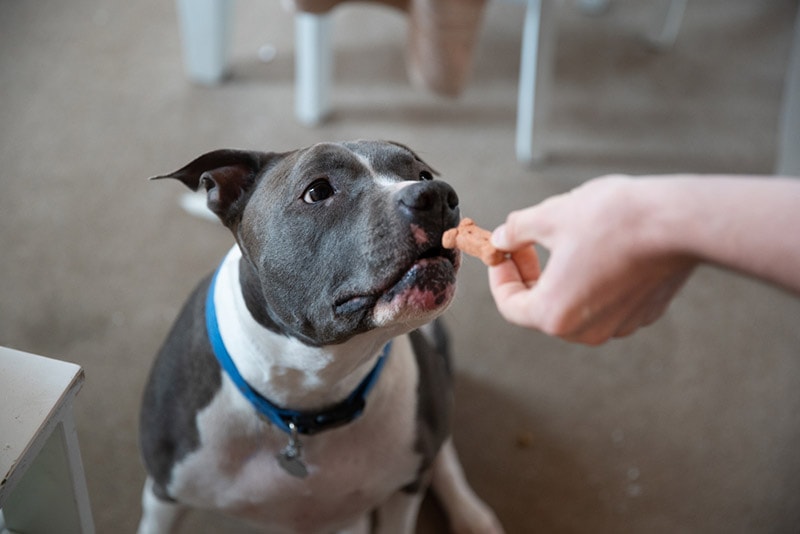
Your dog’s health status is another thing to consider before buying dog treats. Sometimes, dogs have certain health conditions that require them to eat a specific diet. For example, if your dog is diabetic, they may need a dog treat that is different from one for a non-diabetic pup. Or your pet might have food allergies, so the proteins and other ingredients in the treat might need to be restricted. Speak with your pet’s vet if you aren’t sure whether your pet needs to have any limitations on the sort of dog treats they can safely consume!
Things to Look at in Dog Treats
After you’ve looked at your dog’s age and health, you’re ready to begin looking at the different kinds of dog treats available. You’ll want to look for a few specific things in a dog treat to ensure you get a good treat for your pet.
1. Texture
Dog treats come in various textures, each good for different things.
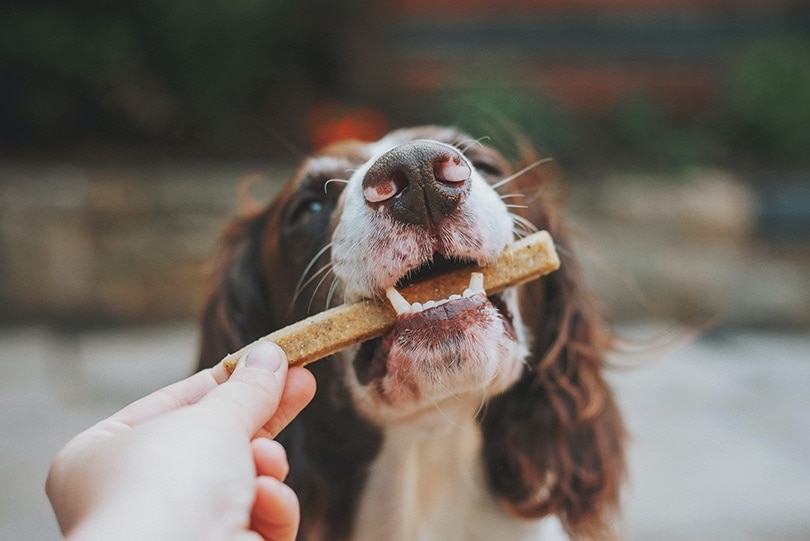
Soft treats are excellent for when you’re training your pup because they’re quicker to eat and easier on a puppy’s teeth. Soft treats also tend to be smellier, which makes them especially enjoyable for dogs. Treats on the softer side can also be better for senior dogs who may have some dental disease or fewer teeth than they once had.
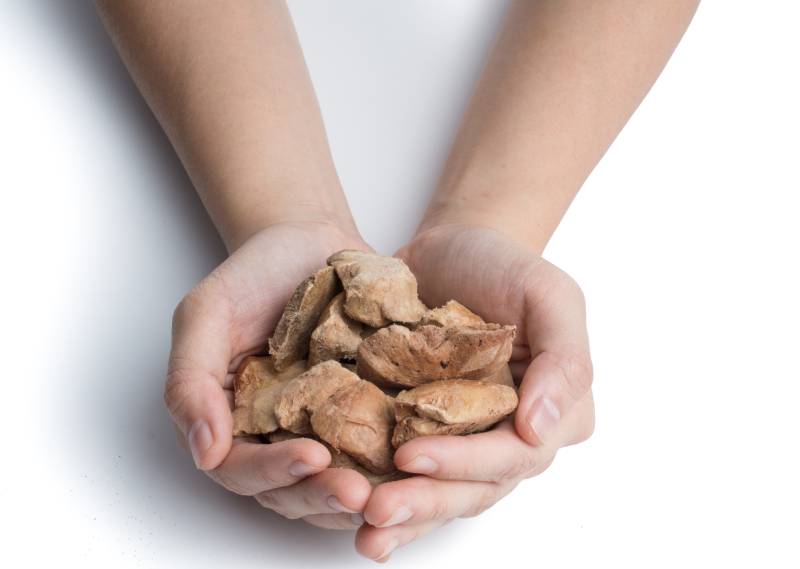
Then some treats are firmer. These could be crunchy, freeze-dried, dehydrated, or a chew meant to last a long while. Harder treats are better for helping to maintain your pet’s teeth, as they can reduce tartar and plaque. Plus, some firmer treats require a lot of chewing to eat, which keeps your pup occupied. Just ensure any treat you give your canine isn’t too hard, or it could damage their teeth. It is always advised to monitor your dog when it has a hard chew, in order to prevent them swallowing too large a chunk.
2. Number of Ingredients
Just like it’s healthier for you to eat foods that aren’t processed i.e. those with fewer ingredients in them, it’s also healthier for your pup. Of course, if a dog treat has several ingredients, and each one is nutritious and of good quality, that’s fine. But that usually isn’t the case. Many dog treats have a lot of ingredients: chemicals, preservatives, and fillers. So, the fewer ingredients in a dog treat, the healthier it’s likely to be. If you know what the ingredient is, that is usually a good sign that whole foods have gone into the product.
If you have a dog with a sensitive stomach, you’ll want to look for limited-ingredient dog treats (such as those with a single ingredient), as these tend to be easier on a pup’s stomach.
3. Ingredient Quality
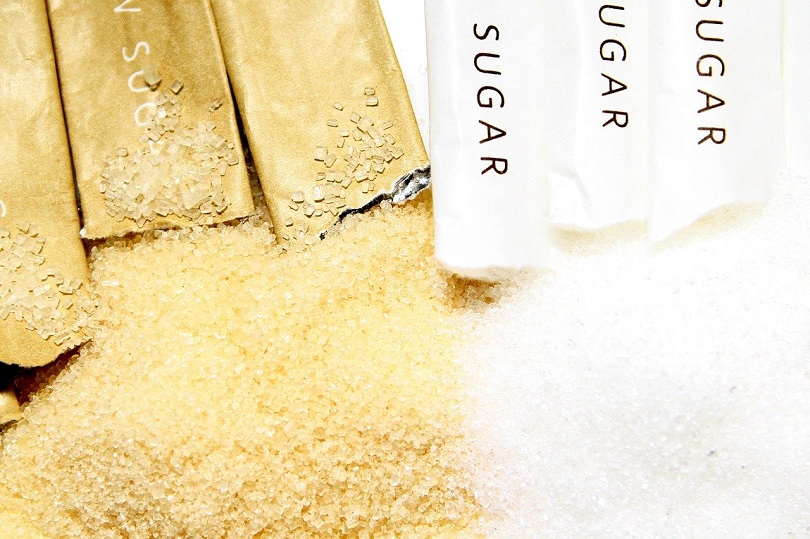
Other than the number of ingredients, the quality of ingredients matters. Ingredients that are top quality are as minimally processed as possible, like whole ingredients (think chicken as a first ingredient, rather than chicken meal). The less processed the ingredients, the more nutrients are available. Products that contain ingredients that are whole and high-quality will usually contain fewer fillers and sugars, which you want to avoid as much as possible. Also, be aware that treats labeled “all-natural” or “organic” don’t necessarily constitute healthier treats; ingredients should still be checked!


Things to Avoid
There are a couple of things you’ll want to avoid in dog treats.
1. These Ingredients
We’ve mentioned that you want to look for quality ingredients in dog treats, but there are a few specific ingredients you might want to avoid. The artificial preservatives known as BHA and BHT, are ingredients that some sources believe should be avoided. These products are authorized to be used in human and animal food by the EU and FDA, as long as the amount contained is under 150mg/kg of food. However, there is an increasing body of people that are claiming these preservatives may be carcinogenic, so many people are choosing products without these preservatives.
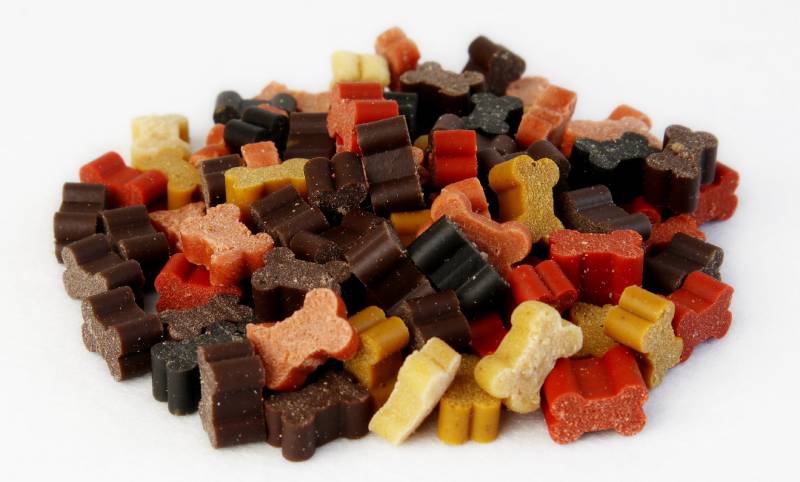
Artificial colors are unnecessary chemicals that you don’t want to find in dog treats. Finally, there are humectants, specifically chemical humectants. These are used in dog treats to prevent discoloration and keep treats chewy; however, food-sourced humectants (like vegetable glycerin) are preferable to those that are chemical (like propylene glycol).
2. Real Bones
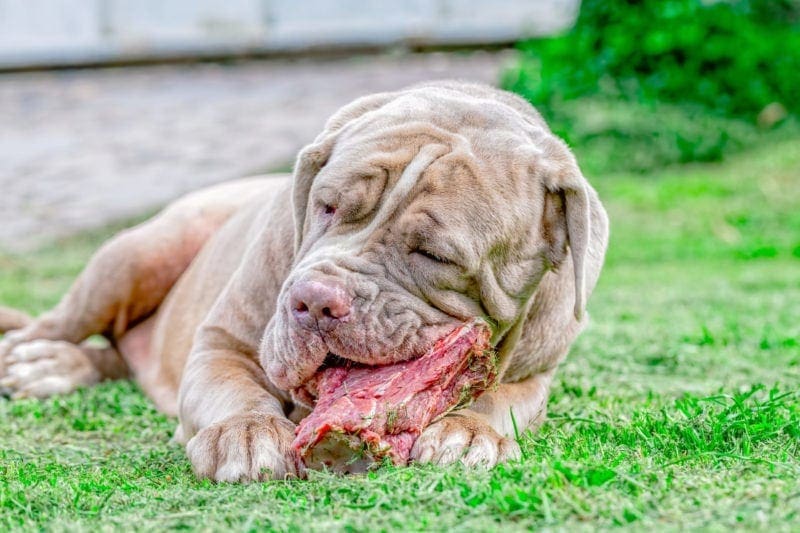
Real bones, or those from animals, are sometimes marketed as chews, but real bones should be avoided as a dog treat. Your canine companion will likely love to have a nice bone to chew on, but they can be incredibly dangerous for your pup. If a bone is raw, then you risk there being harmful bacteria, such as E. coli or Salmonella species, on it. But if a bone has been cooked to kill any bacteria, it is more brittle and more likely to splinter while your pet chews on it. This can hurt their mouths, teeth and . could even result in choking or damage to the digestive system. So, avoid dog treats that are real bones!
Final Thoughts
There are a lot of dog treats out there, but if you know what to look for in a dog treat, you can find the absolute best treat for your favorite pup. There are many things to consider when purchasing dog treats, from your pet’s age to the kind of ingredients found in them. Once you know what kind of treats are best for your dog’s age and health, you should have an easier time picking the best option for them.
Sources
Featured Image Credit: Cavan-Images, Shutterstock
Get Hepper In Your Inbox


Pet care tips from our vets and experts, straight to your inbox.
You may opt-out at any time. View our Privacy Policy for more information.
Misty Layne lives out in the woods in small-town Alabama with her two Siamese—Serafina and Jasper. She also has an array of stray cats, raccoons, and possums who like to call her front porch home. When she’s not writing about animals, you’ll find her writing poetry, stories, and film reviews (the animals are, by far, her favorite writing topic, though!). In her free time, Misty enjoys chilling with her cats, playing piano, watching indie and foreign films, photographing abandoned places, and catching up on her never-ending TBR list.
Join the conversation
Ask a question, share your story, or send private feedback.