Hepper is reader-supported. When you buy via links on our site, we may earn an affiliate commission at no cost to you. Learn more.
Betta Fish Tuberculosis: Signs, Diagnosis & Treatment (Vet Answer)

In this article
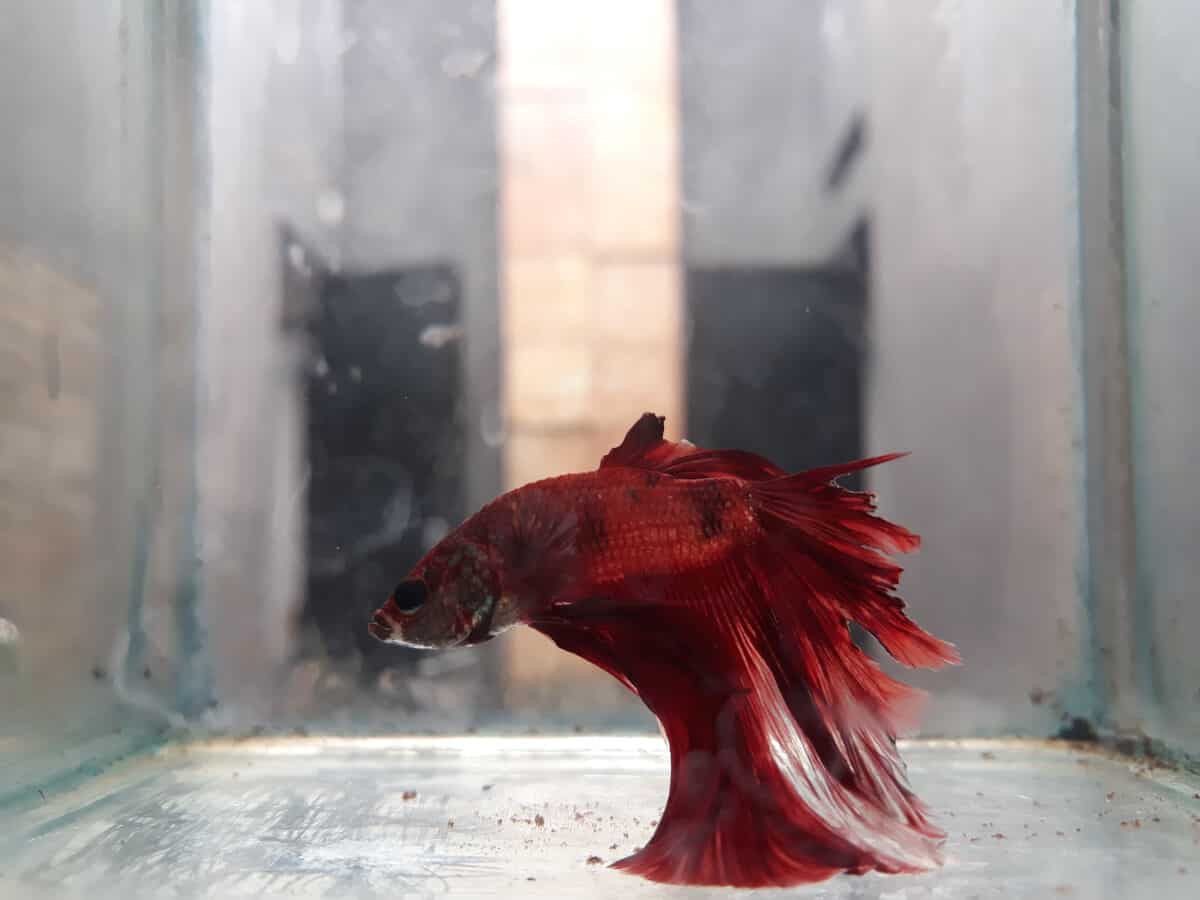
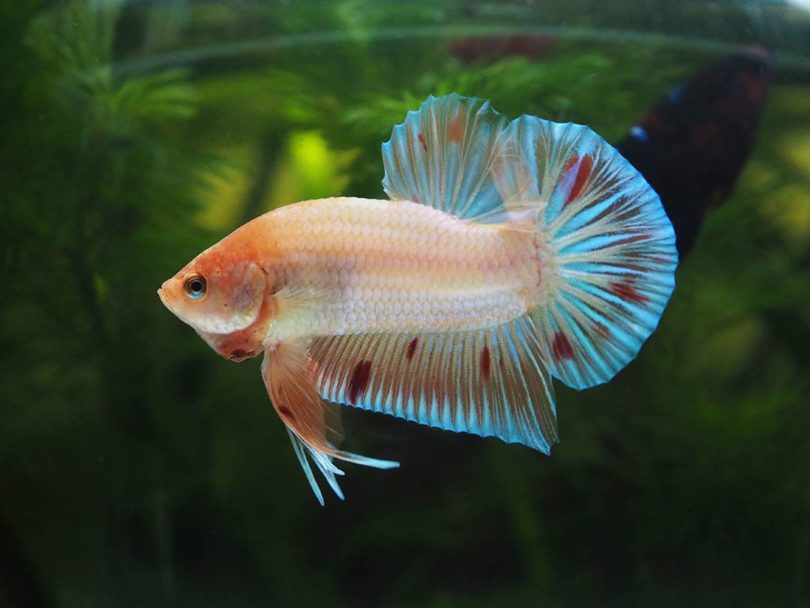
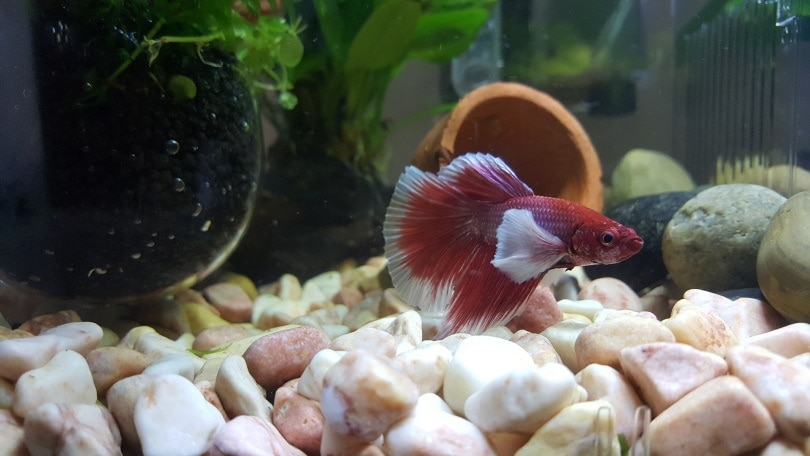
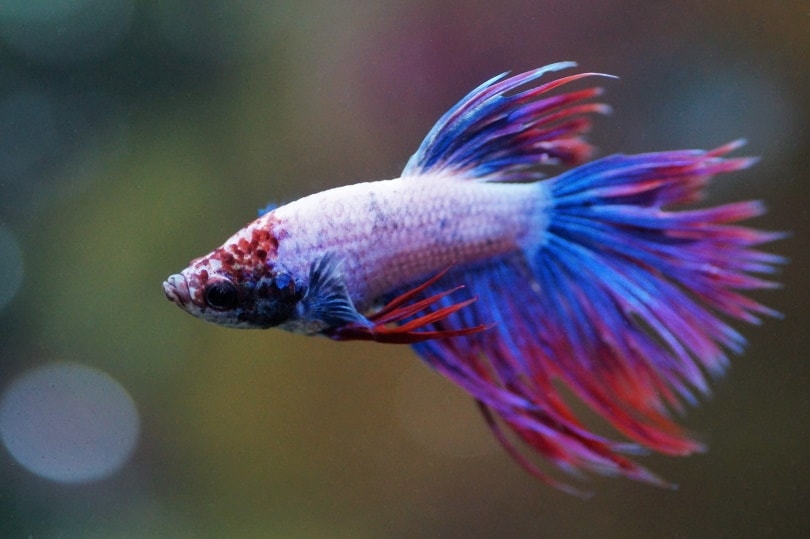
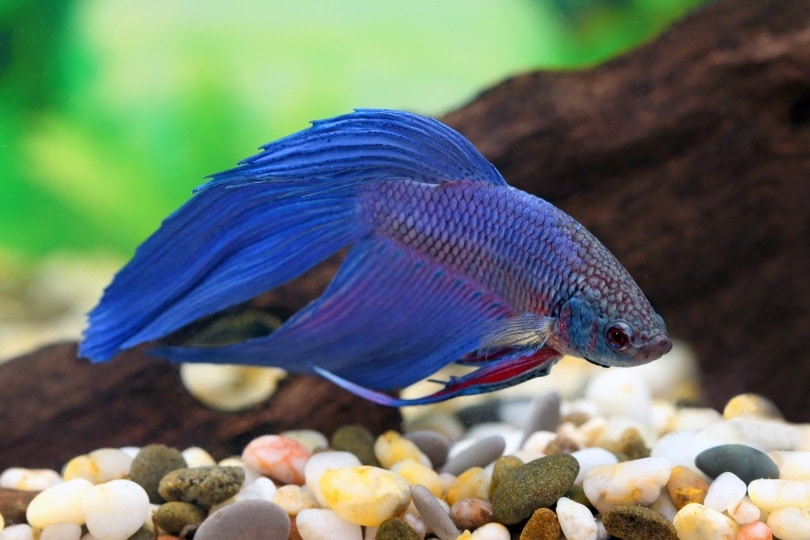
Most noted for their “flaring” to display their colorful fins, the Betta fish’s ease of care, quirky personalities, and antics have helped them retain their popularity among both new enthusiasts and experienced fish keepers.
Unfortunately, Betta fish are not without their issues.
Though many diseases that can affect a Betta are curable and easily preventable, some require more professional care. One of these diseases is tuberculosis. This disease is particularly important because though relatively rare, it has zoonotic potential—it can be transmitted to people.
In this article, we’ll go over what Betta tuberculosis is, the signs of this disease, and the current treatment protocols in place for this disease.

What Is Betta Tuberculosis?
Betta tuberculosis is a disease that can affect Betta fish (and other fish as well). It is caused by one of several bacteria Mycobacteria spp. However, the most common agent is usually Mycobacterium marinum.
The exact mechanism by which this bacterium infects fish isn’t properly understood yet. Water is a natural habitat for Mycobacterium spp. Therefore, the disease may spread by waterborne transmission. It is thought that fish are most likely infected by consuming contaminated food and water.
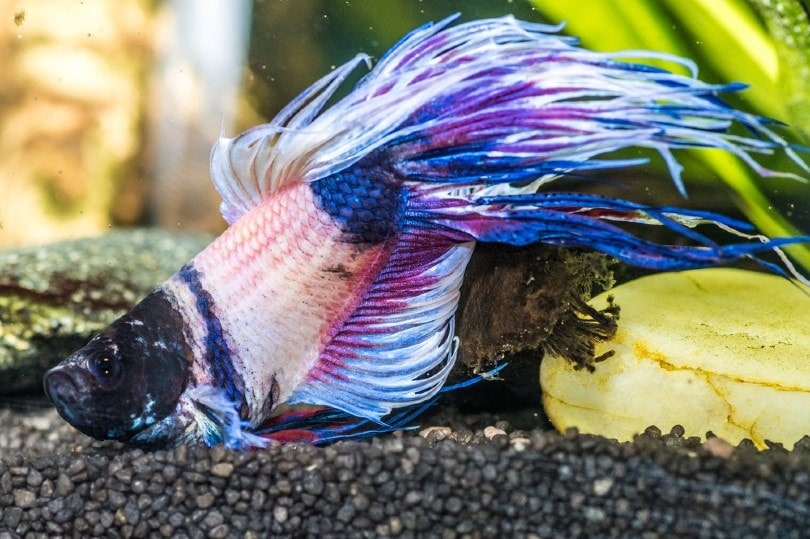
Signs of Betta Tuberculosis
The signs of this disease are not specific and overlap with other diseases. Therefore, it is very difficult to ascertain if your Betta has tuberculosis based on the signs.
However, some common signs of this disease include:
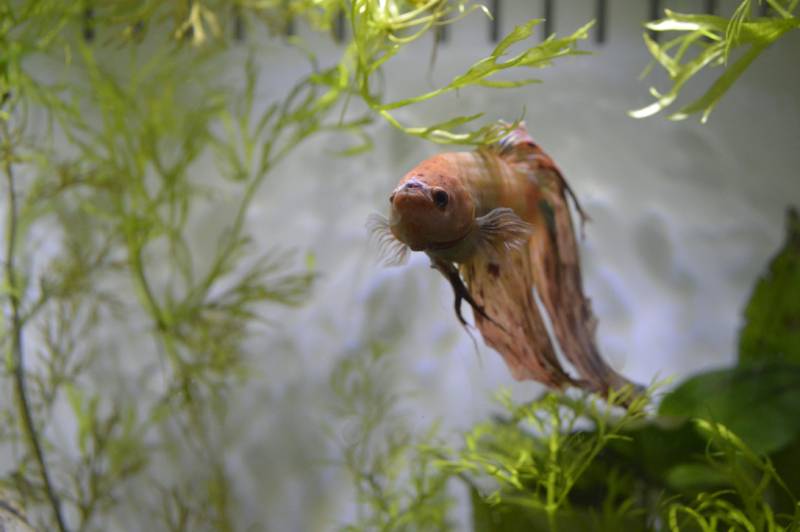
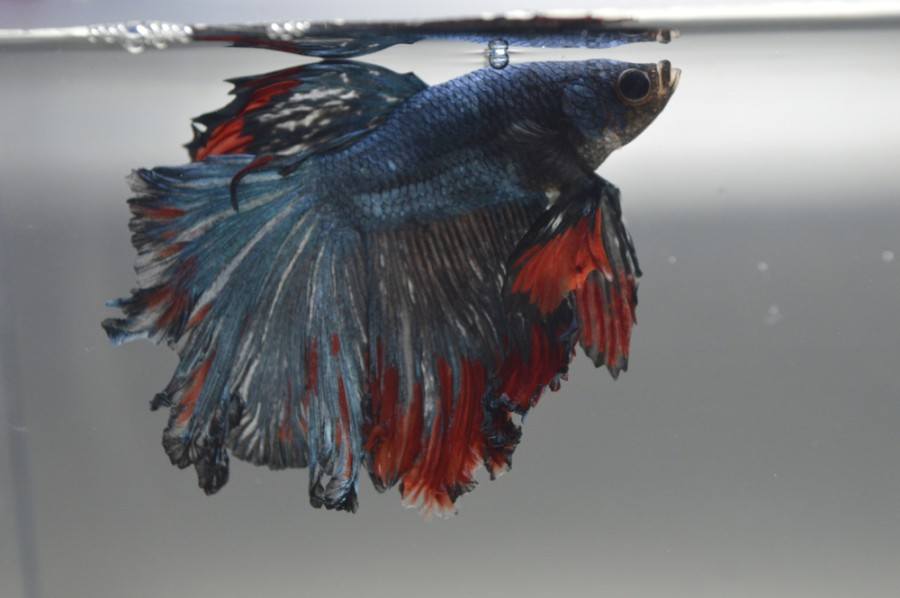
- Wasting of the fins and tail
- Changes in color (brighter colors usually become dull)
- Lethargy
- Clamped fins
- Inappetence
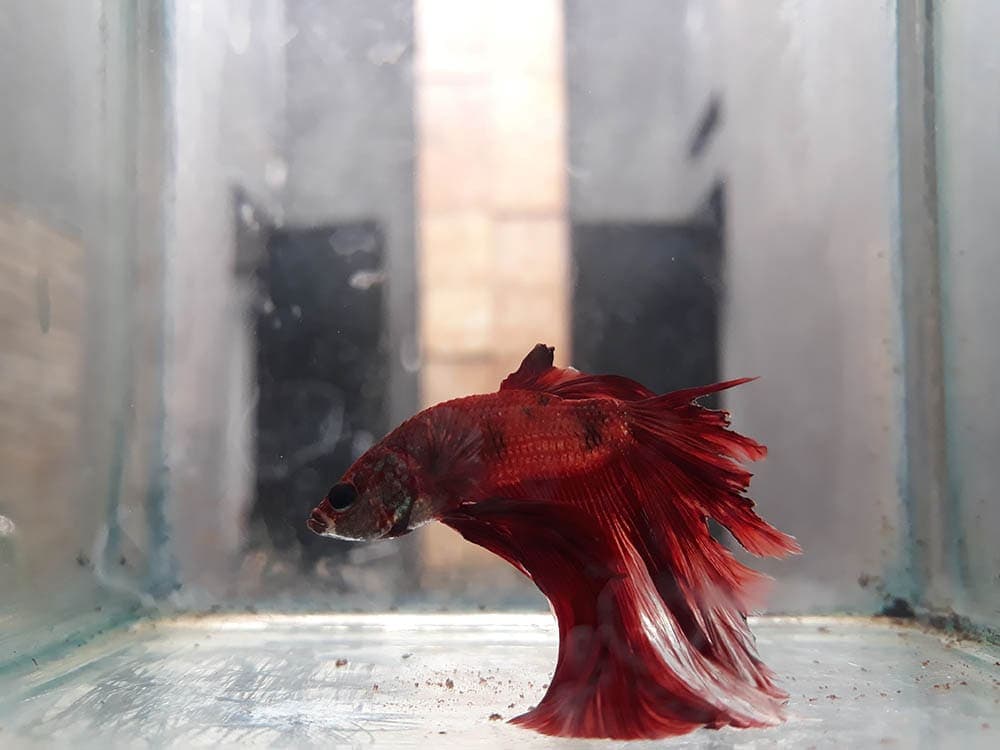
- Sitting on the bottom of the tank
In many instances, fish are suspected of tuberculosis if their signs are not associated with other diseases. The disease is also contagious, so in most cases, it presents a problem in the entire tank. In setups with shared filtration among many tanks, the disease readily spreads to all the tanks.
Diagnosis of Betta Tuberculosis
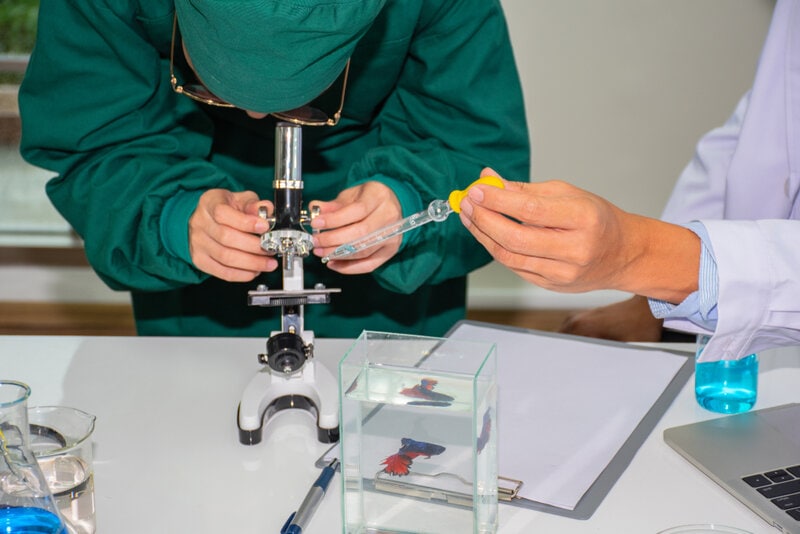
It is not possible to diagnose this condition in fish based on just the signs of the disease. Therefore, disease diagnosis involves the services of a specialist who will assist in humanely euthanizing a few fish that show signs of illness and having their body tissues sampled and inspected in a laboratory for confirmation of the disease. Other samples collected from the fish may be cultured to try and grow the organism in a laboratory setting.
Is Betta Tuberculosis Treatable?
Unfortunately, despite there being a few studies performed on this condition, it has not been successfully cured yet. There have been attempts to formulate a vaccine for this condition (to be used in fish); however, these attempts have not shown any promising results when it comes to long-term immunity.
In individual cases, there have been attempts to treat some expensive fish with various antibiotics over 2 years or so with very limited effectiveness. With very few exceptions, the mechanisms by which most anti-Mycobacterium drugs work in fish is very poorly understood.
Zoonotic Risk of Betta Tuberculosis
Please note that this disease can pass from animals to humans; therefore, if you suspect that your fish have this disease, you should NOT attempt to self-treat them, and you should seek the advice of both your local fishery department and your medical practitioners. It usually passes on to humans if there are small cuts on your hands or any other body part you place into a fish tank (such as your forearms).
Due to its zoonotic nature, control of this disease (once it is confirmed) may, unfortunately, require the euthanasia of all fish in a tank and the disinfection of the holding tanks and plumbing where you live. It is advised to follow the lead of the relevant public health and agriculture authorities where you live with regard to this procedure, as its protocol varies based on your geographical location.
If you suspect that you’ve been infected by this bacterium, please follow all treatment protocols prescribed to you by your medical doctor.
Some signs of infection in humans include (but are not limited to):
- A blister or fluid-filled lump or bump on your skin
- Swollen lymph nodes
- Pus-filled bumps on your skin
- Fever
- Circular lesions on your hands (if you frequently place them in your aquarium).
Final Thoughts
Though unpleasant, Betta fish can be infected with diseases that have no cure and are also dangerous to humans. Unfortunately, tuberculosis in Bettas has a very poor prognosis and requires prompt reports to your local authorities to ensure the safety and health of your family and community.
Please note that you should not attempt to diagnose or treat this condition on your own. If you are concerned for your fish’s health, please consult an aquatic veterinarian or specialist.
You also might be interested in: Betta Fish Popeye: Causes, Signs, & Treatment Explained By Our Vet!
Sources
Featured Image Credit: Grigorii Pisotsckii, Shutterstock
Get Hepper In Your Inbox


Pet care tips from our vets and experts, straight to your inbox.
You may opt-out at any time. View our Privacy Policy for more information.
Dr. Luqman grew up with an extreme fondness for animals and turned a childhood dream into reality by becoming a veterinarian. His goals are now focused on helping pet owners understand their pets better in order to ensure the best quality of life for all pets globally. He is passionate about wildlife, exotic pets, pet owner education, and animal welfare. Luqman has 3 years of professional experience working with a variety of animal species. He has skills in demonstrating proper animal husbandry and training some exotic species, such as parrots. Additionally, he has decades of personal experience with keeping many exotic pets: freshwater fish, parrots, songbirds, chickens, ducks, turtles, and hamsters.
Dr. Luqman grew up with an extreme fondness for animals and turned a childhood dream into reality by becoming a veterinarian. His goals are now focused on helping pet owners understand their pets better in order to ensure the best quality of life for pets all around the world. His passions are wildlife, exotic pets, pet owner education, and animal welfare.
Education
Luqman received his degree from Universiti Putra Malaysia.
Experience
Luqman has 3 years of professional experience working with a variety of animal species. He has skills in demonstrating proper animal husbandry and training some exotic species, such as parrots. Additionally, he has decades of personal experience with keeping many exotic pets: freshwater fish, parrots, songbirds, chickens, ducks, turtles, and hamsters.
Join the conversation
Ask a question, share your story, or send private feedback.