Hepper is reader-supported. When you buy via links on our site, we may earn an affiliate commission at no cost to you. Learn more.
Can Bearded Dragons Eat Cauliflower? Vet-Approved Facts & FAQ


In this article
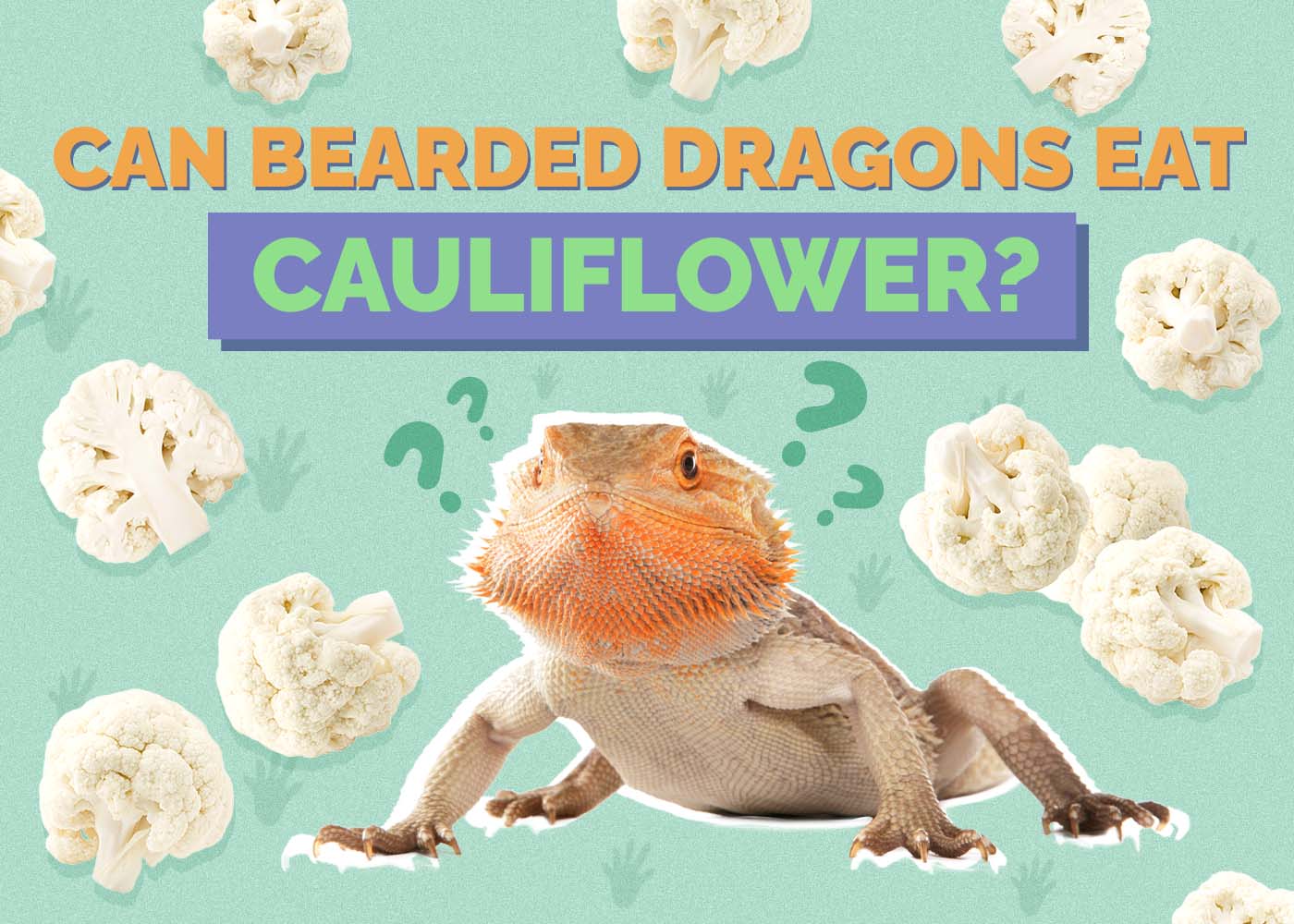
Bearded dragons may be omnivores, but not all plant material is safe for them to consume. As a beardie owner, educating yourself on the vegetables, fruits, and plants your pet can eat safely is important. You may wonder whether cauliflower is a good option because it is so healthy for humans. Unfortunately, bearded dragons will not reap the same benefits of cauliflower as we do, and there are much better vegetable options out there.

Can Bearded Dragons Eat Cauliflower?
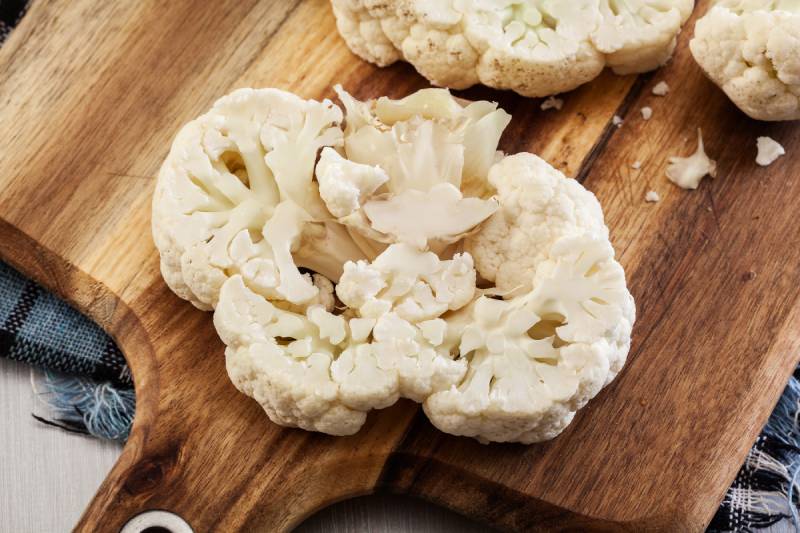
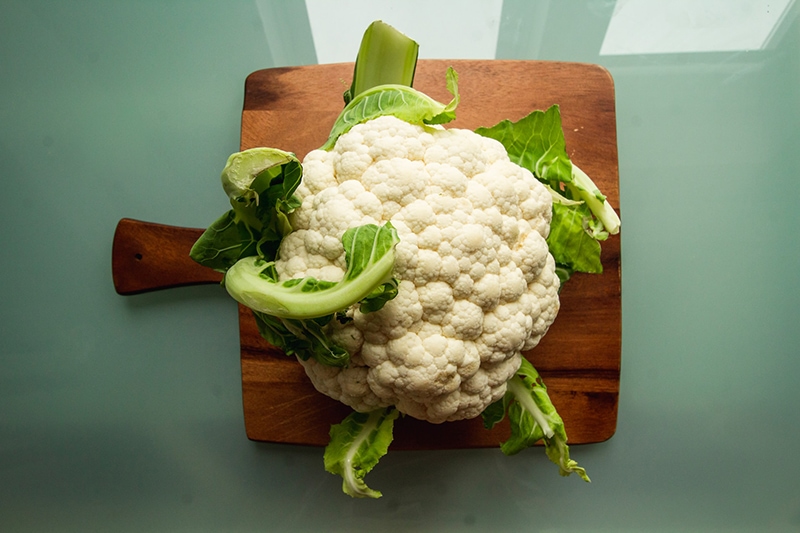
Cauliflower heads contain a wide range of vitamins and minerals, including vitamins C and K. It also provides a decent source of fiber and antioxidants. But it's not all sunshine and rainbows for bearded dragons eating cauliflower.
Cauliflower is safe to feed bearded dragons in very, very small amounts. It's such a negligible amount that it almost isn't even worth cutting it up for your beardie. Let’s take a closer look at cauliflowers, bearded dragons, and what better options are out there.
What's Bad About Cauliflower?
The biggest concern with cauliflower is its phosphorus content. Bearded dragons need to eat foods with more calcium than phosphorus, and the opposite is true in the case of cauliflower, as it contains around twice as much phosphorus as calcium.
Bearded dragons need calcium to support healthy skeletal development and muscle maintenance. Female beardies need it to produce eggs and for reproductive health. The general rule is that all foods you offer your lizard should have a 2:1 calcium-to-phosphorus ratio.
Cauliflower also contains goitrogens, a naturally occurring chemical found in many vegetables. Goitrogens are known to suppress the function of the thyroid gland if eaten in large quantities.
What About the Leaves?
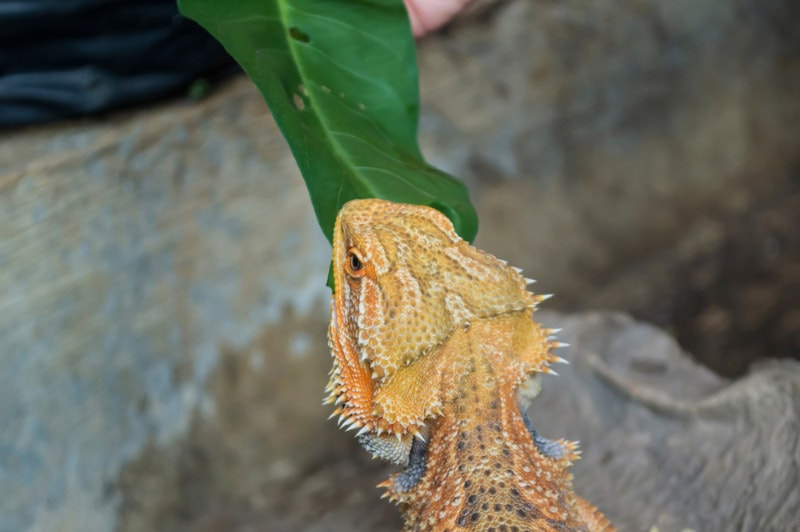
Cauliflower leaves are much healthier to offer your bearded dragon than the heads. The leaves are one of the most calcium-rich vegetable sources, with 100 grams providing 600 milligrams of calcium. They contain only around 100 milligrams of phosphorus, giving the leaves an excellent 6:1 calcium-to-phosphorus ratio. Additionally, they also contain iron, fiber, and potassium.
The only real issue with the cauliflower leaves is that they may contain residual pesticides, but you can reduce your pet’s exposure to such chemicals by washing the leaves thoroughly before offering them, or source your caulis from an organic farm.
What Are the Best Staple Veggies for Beardies?
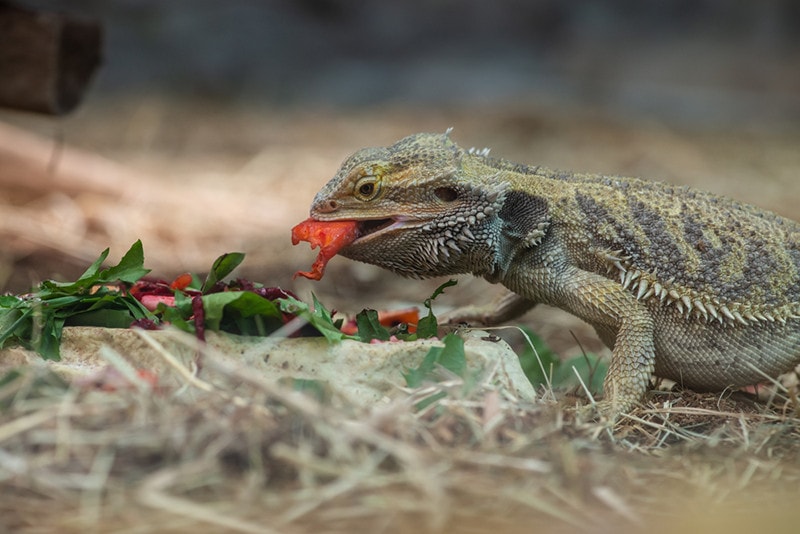
Bearded dragons should be offered vegetables from the time they're born. Most will not immediately take to their veggies right away, however. Hatchlings (0 to 6-month-olds) and juveniles (6 to 12-month-olds) will eat mostly insects, as they need the protein for growth and development. Once your bearded dragon has reached adulthood, it will naturally switch from a predominantly insect-based diet to a more veggie-based one. You should offer fresh salad every day and remove any uneaten food left from the day before. What you put in that salad can, and should be, switched up to ensure your beardie gets all of its nutritional needs met.
Some of the best vegetables to use as staple daily include:
- Arugula
- Bok choy
- Cactus pads
- Collard greens
- Mustard greens
- Spring mix
- Kale
- Watercress
What Veggies Can Be Offered in Moderation?
The aforementioned staples should be offered daily, but you can mix in other vegetables to keep the diet interesting and varied.
Some of the best options to offer occasionally include:
- Asparagus
- Basil
- Cilantro
- Carrots (grated)
- Carrot greens
- Cucumbers (peeled)
- Dandelion greens
- Mint leaves
- Rosemary
- Thyme
- Zucchini
Final Thoughts
Cauliflower is not the best vegetable to offer your beardie. But if you’ve brought one home from the farmer’s market, cut the cauliflower head for yourself and feed your beardie the leaves instead. They're a much healthier option, and you can save them from going into the compost bin.
Sources
https://companionah.ca/wp-content/uploads/sites/92/2019/10/Herbivorous-Lizard-Nutrition.pdf
https://reptifiles.com/bearded-dragon-care/bearded-dragon-food/
https://www.verywellhealth.com/thyroid-disease-goitrogens-diet-3233164
https://www.thehealthsite.com/fitness/health-benefits-of-cauliflower-leaves-bs715-315040/
Featured Image Credit: Lisa Mar, Shutterstock
Get Hepper In Your Inbox


Pet care tips from our vets and experts, straight to your inbox.
You may opt-out at any time. View our Privacy Policy for more information.
Chantelle's life revolves around two passions: writing and animals. Raised on the prairies of Canada amidst a menagerie of pets, she now lives with five cats, two guinea pigs, and a bearded dragon. Together with her husband and child, Chantelle delights in being an exemplary animal parent, going as far as installing wall-mounted cat shelves to give their cats an indoor playground. When she's not cozying up with her cats or snapping their amusing antics, she enjoys venturing into the Rocky Mountains, binge-watching her favorite Netflix shows, and indulging in spontaneous reading adventures.
Join the conversation
Ask a question, share your story, or send private feedback.