Hepper is reader-supported. When you buy via links on our site, we may earn an affiliate commission at no cost to you. Learn more.
Can Bearded Dragons Eat Collard Greens? Vet-Reviewed Diet Facts & FAQ


In this article
If you’re a lover and owner of an exotic pet, especially a bearded dragon, you understand the fulfillment they bring. Not only are bearded dragons relatively easy to care for, but they are great pets for adults and even children. These reptiles are omnivorous and therefore live on a mix of foods such as insects, veggies, and fruits. When it comes to veggies, there are tons of greens out there to choose from, some of which are much better for your bearded dragon than others. This makes it hard to choose the best ones for your pet.
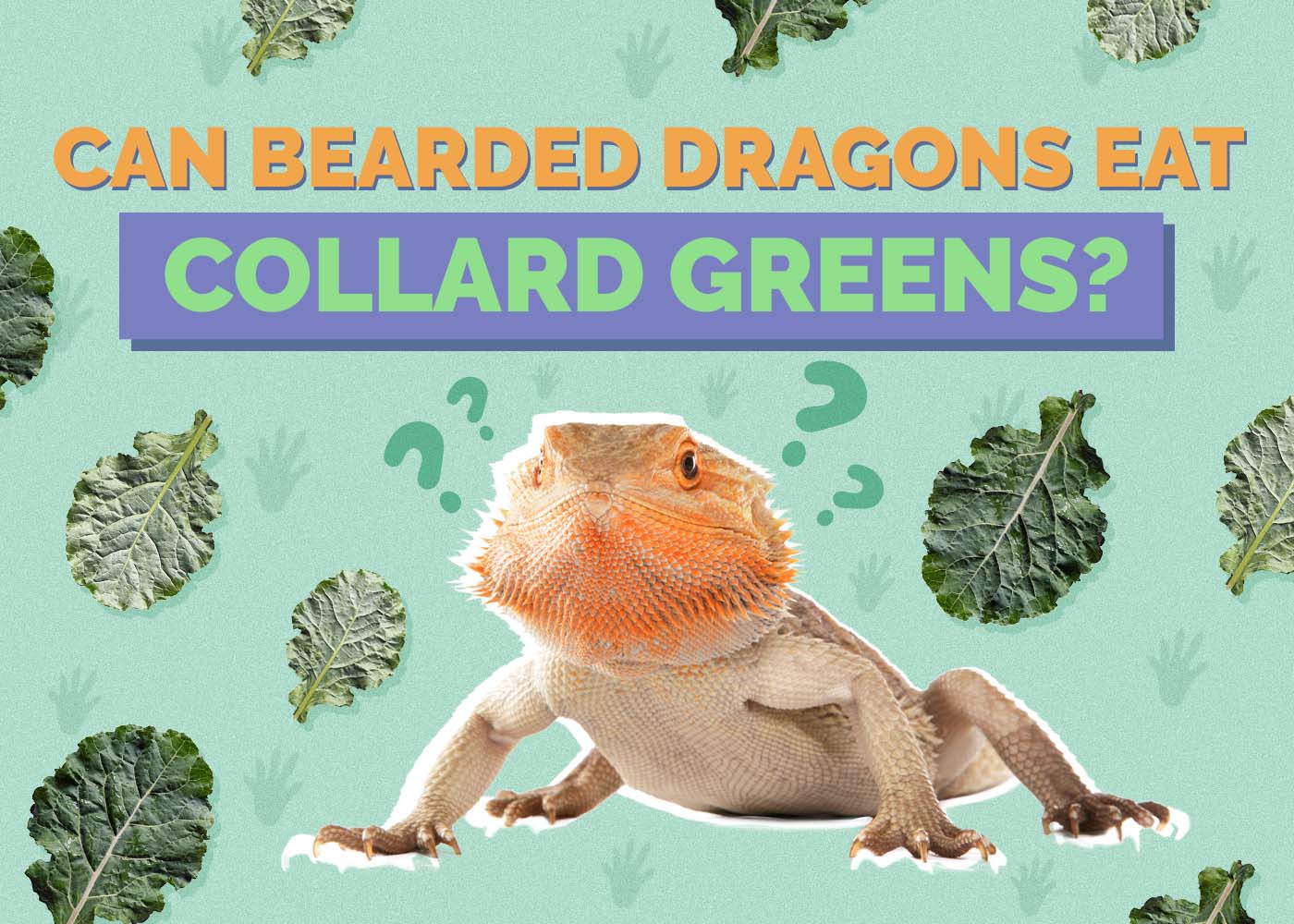
Collard greens are a popular, and nutritious green. This leads to the question, can bearded dragons eat collard greens? The answer to this question is yes, bearded dragons can and should eat collard greens. In fact, they are very nutritious and can be fed liberally, alongside a variety of other nutritious veggies. Let’s take a deeper look at the benefits of feeding collard greens to your bearded dragon and why they are considered a super food for these exotic pets.

Bearded Dragon Information
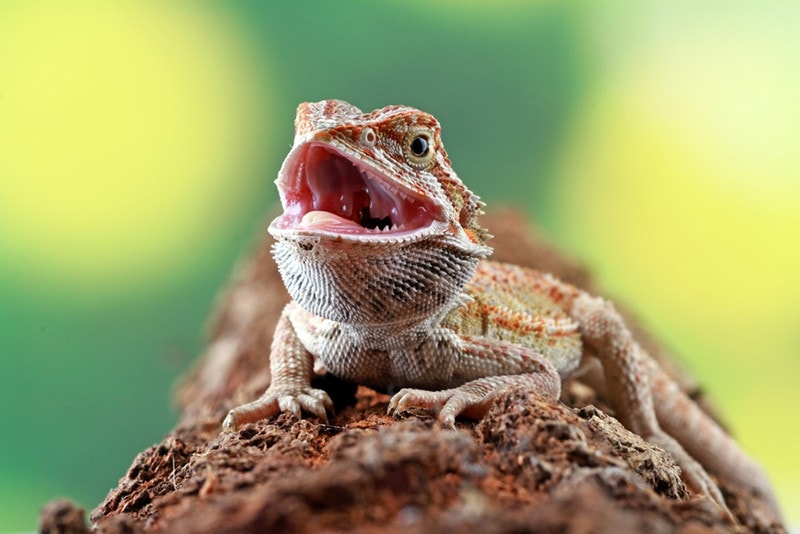
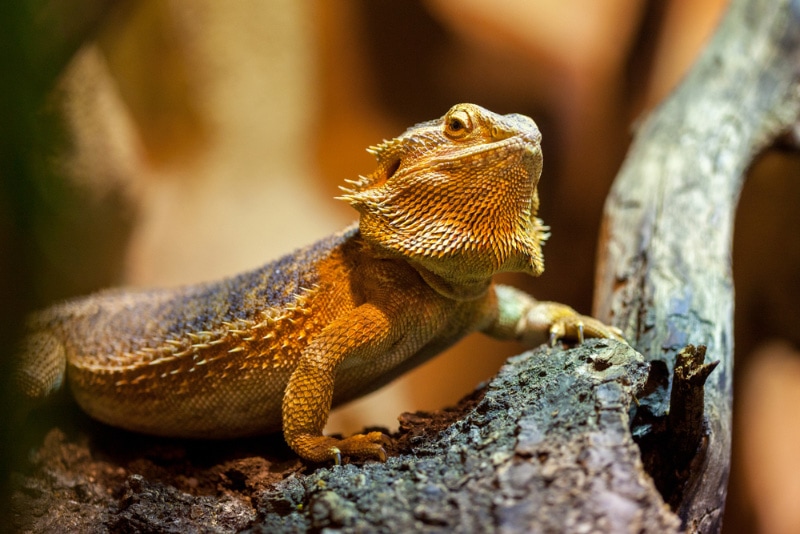
Before we take a deeper look into the diet of a bearded dragon, let’s learn more about these amazing reptiles. Bearded dragons, or Beardies, are considered docile and easy to care for pets. This is why they are considered great for beginner reptile owners and even children, as long as the owners are well informed and ensure good hand washing after handling. These reptiles are typically found living in the wild in Eastern Australia. They enjoy being on the ground and in the trees. They are even known for their large smiles, which are cool to see but are used by these reptiles to regulate their temperature.
Beardies grow to between 15–20 inches in length. They have spines that run the length of their body and get their names from a flap of skin under their chin. This skin opens up and is used to scare away potential predators. Beardies are very adaptable as well. They often do well with being handled, which is why they are considered great pets.
A Bearded Dragon’s Diet
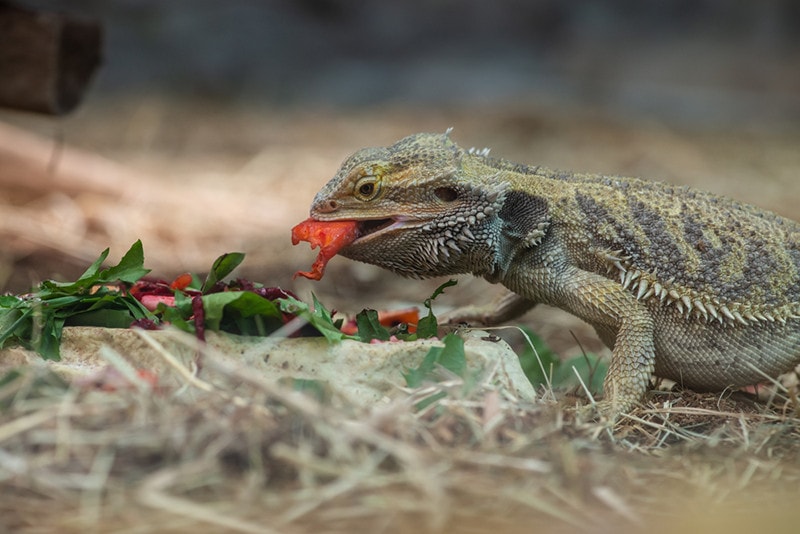
In their natural habitat, bearded dragons are omnivores. This means they consume food from both animals and plants. They enjoy chasing down spiders, small rodents, insects, worms, and smaller lizards. They also love a wide variety of fruits and vegetables. Greens are one of their favorites. When Beardies are young, they require more protein in their diets than when they are older. As bearded dragons age, they require less live feed and more vegetable matter. The size of the feeder insects should never be larger than the distance between the bearded dragon’s eyes.
The Benefits of Collard Greens
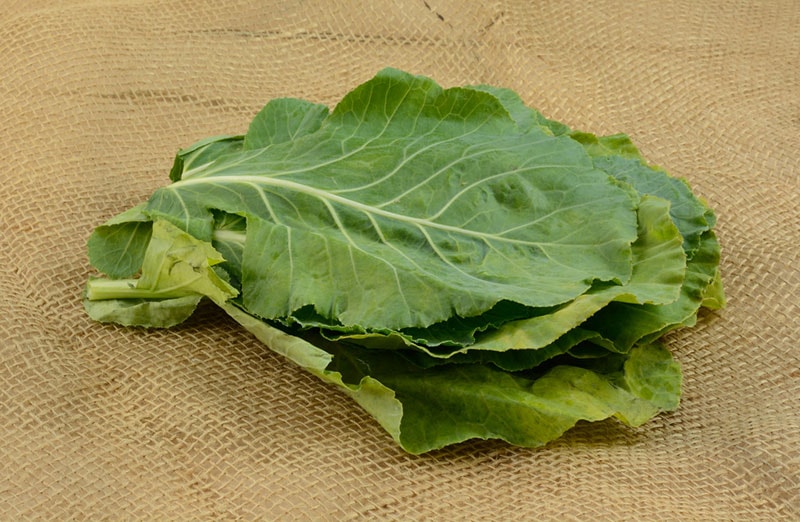
As we’ve already mentioned, collard greens are considered a superfood for bearded dragons. Let’s take a deeper look at why this is the case.
A Collard Green Reptile Nutritional Guide
Before we break down what benefits collard greens offer your bearded dragon, let’s take a look at the overall nutritional value of these leafy greens. This nutritional information is for 100 grams of raw, uncooked collard greens and was created using USDA information and other credible sources. It is geared toward what collard greens offer your Beardie.
| Calories | 32 kcal |
| Water Content | 89.62 grams |
| Carbohydrates | 5.42 grams |
| Sugars | 0.46 grams |
| Fat | 0.61 grams |
| Proteins | 3.02 grams |
| Calcium (Ca) | 232 mg |
| Phosphorus (P) | 25 mg |
| Sodium | 17 mg |
| Vitamin A | 5020 IU |
| Vitamin C | 35.3 mg |
| Oxalates | 74 mg (amount varies hugely between research articles) |
| pH | 7.5 |
| Nutritional Score | |
| Ca:P Ratio | 7.8:1 |
| Ca:P Rating | Excellent |
| Safe to Feed | Liberally |
| Healthiness | Very Healthy |
Calcium
Calcium is essential for a bearded dragon’s health. This is especially true when they are growing and bones are still developing. Without enough calcium, a Beardie can suffer from metabolic bone disease. This is a very dangerous disease for bearded dragons and can result in weak, bendy bones and growth deformities. These can, in severe instances, be life threatening. As you can see from the nutritional guide, collard greens are an excellent source of calcium and can be fed to your Beardie daily.
Vitamins
Collard greens are full of vitamins. Vitamins A and C are the most prevalent, however, they also contain vitamin K. Vitamin A is needed to maintain normal epithelial tissues (skin and lining of the gastro-intestinal tract) and is vital for vision, growth, reproduction, and immune function.
Fibers
Collard greens are high in fiber, which is a carbohydrate. Fiber helps keep your Beardie’s digestion on track. Fiber is excellent at keeping your Beardie’s bowels moving and fighting constipation.
Excellent Ca:P Ratio
The Ca:P ratio, or calcium to phosphorus ratio, of collard greens for your bearded dragon is considered excellent. As we’ve already discussed, low absorption of calcium can result in metabolic bone disease. Phosphorus is known to affect the absorption of calcium in these reptiles. The great ratio between the two ensures your bearded dragon receives both nutrients without issues.
Tips for Feeding Collard Greens to Your Beardie
Now that you know all the nutrition offered by collard greens, let’s learn a few tips for feeding them to your bearded dragon.
Choose Safe Collards
Simply popping into the grocery store to grab collards for your Beardie is possible, but you must be careful. Pesticides, fertilizers, and other chemicals are dangerous to your reptile. Check around and find organic collard greens. This will help provide your Beardie with all-natural and safe leafy greens.
Wash Thoroughly
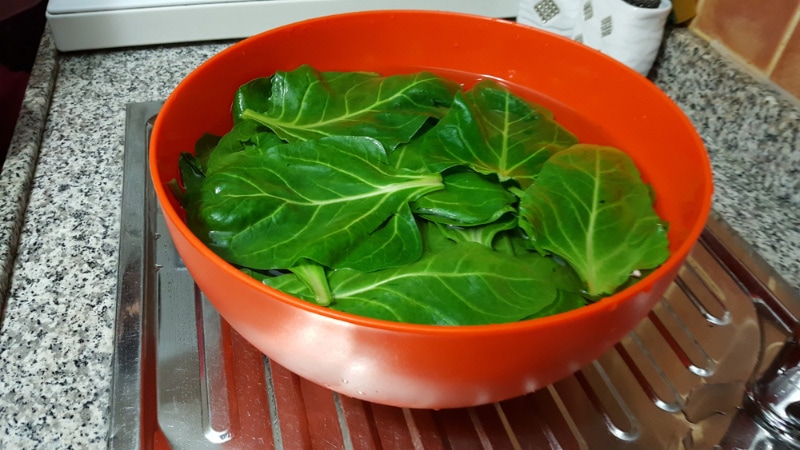
Even if you choose organic collard greens, washing them thoroughly is a must. This not only removes dirt from the veggie, but it can also rid them of any germs that could be dangerous for your Beardie.
Prepare Properly
When preparing collard greens for your Beardie you should first remove all stems. This protects your reptile from the potential of impaction or choking from large pieces. Once that is finished, chop up the leafy part into smaller pieces as well. This makes it easier for your Beardie to enjoy.
Feed Your Beardie
Once you’ve done this, you can feed your Beardie. Collards are excellent for your bearded dragon but must be offered alongside other suitable vegetables such as beet greens, mustard greens and dandelion greens. When your Beardie is finished, make sure you remove uneaten food so it doesn’t spoil or wilt.
Conclusion
For owners of bearded dragons, collard greens are an excellent leafy green and can make up a daily component of their diet. They provide a great list of nutrients your Beardie needs in its diet, and they can also prevent constipation. Remember to provide your bearded dragon with a varied diet, ensuring you check any new foods are suitable to feed. The nutritional needs of a bearded dragon change over their lifetime, so ensure you are feeding your pet appropriately for their life stage. If you have any concerns about the health of your bearded dragon, make sure you book an appointment with a vet that specializes in exotic animals.
Sources
Featured Image Credit: Merrimon Crawford, Shutterstock
Get Hepper In Your Inbox


Pet care tips from our vets and experts, straight to your inbox.
You may opt-out at any time. View our Privacy Policy for more information.
Melissa was born and raised in the mountains of East Tennessee where she spent her time writing in an old notebook and playing outside with her pets. As an avid animal lover, she has brought many into her home over the years. Currently, she is the mom of 5 fur babies. Her 2 cats, Princess and Pepper are total opposites who demand attention. Her dogs Jazzy, Whitey, and Demon are full of spunk and keep the entire family on their toes.
Beyond life as an animal mom, Melissa is a dedicated wife and mother to 2 children. Writing in her old notebook led her down the path of becoming not only a freelance writer but a published Indie author under the pen name, Rena Marin.
Join the conversation
Ask a question, share your story, or send private feedback.