Hepper is reader-supported. When you buy via links on our site, we may earn an affiliate commission at no cost to you. Learn more.
Can Bearded Dragons Eat Bell Peppers? Vet-Approved Feeding Facts


In this article
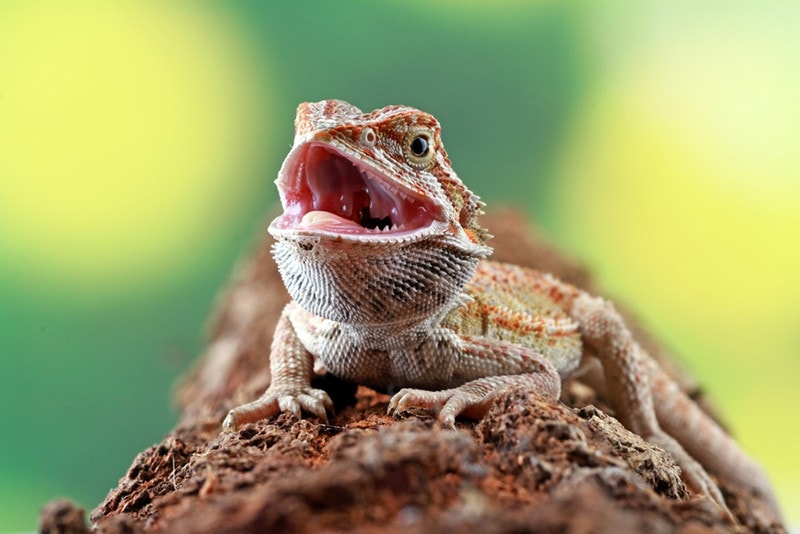
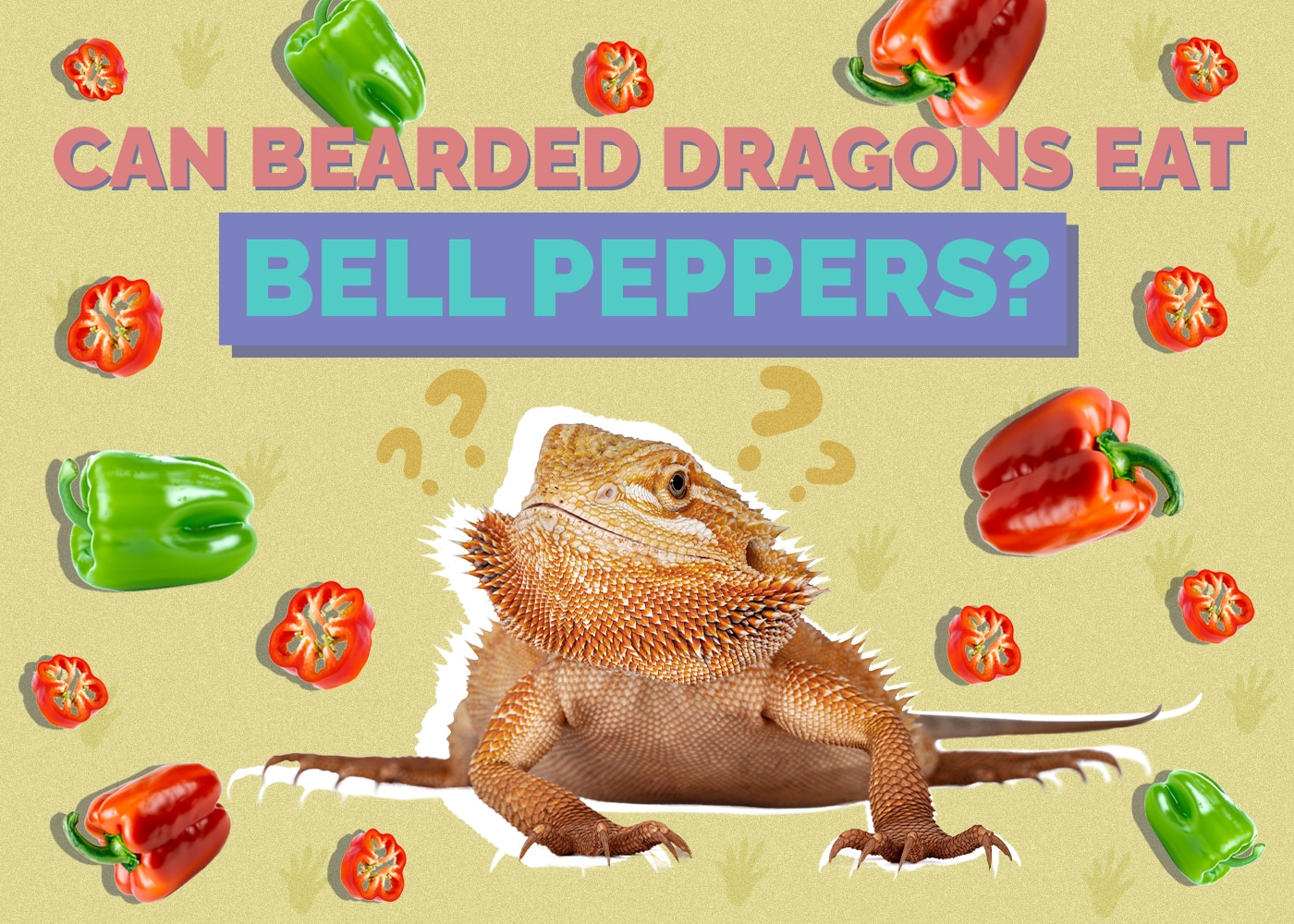
It's a common question among bearded dragon owners: Can they eat bell peppers? While offering a diverse range of fresh vegetables and fruit can be beneficial for the health of a bearded dragon, it is essential to understand each food's nutritional value and potential risks. This article dives deep into the specifics of feeding bell peppers to bearded dragons. But for those of you dying to hear the answer, then the answer is yes, bearded dragons can eat bell peppers.

Bell Pepper Nutritional Breakdown
Before we discuss whether bell peppers are a good fit for bearded dragons, it's essential to understand their nutritional profile. For 100 grams of red bell peppers, for instance, they contain:
| Calories: | 26 kcal |
| Water: | 92.2g |
| Carbohydrates: | 6g |
| Sugars: | 4.2g |
| Fat: | 0.3g |
| Proteins: | 0.99g |
| Calcium: | 7g |
| Phosphorus: | 26g |
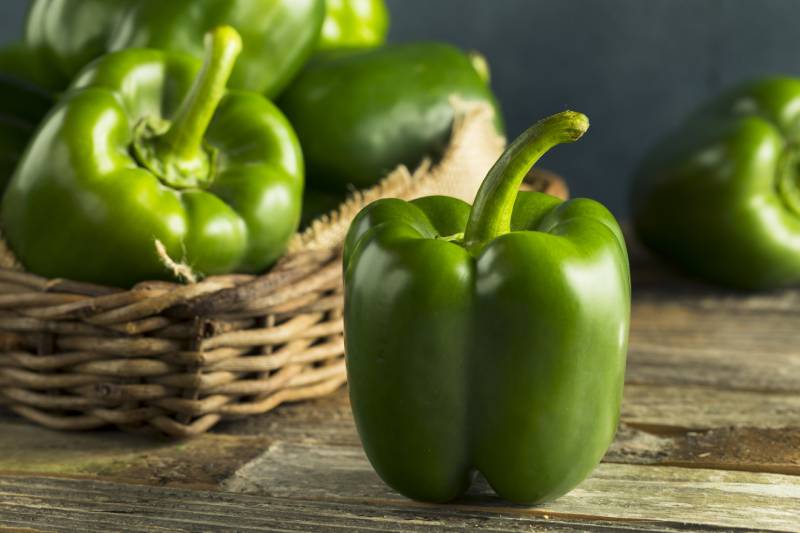
Vitamins: Notably vitamin A and vitamin C
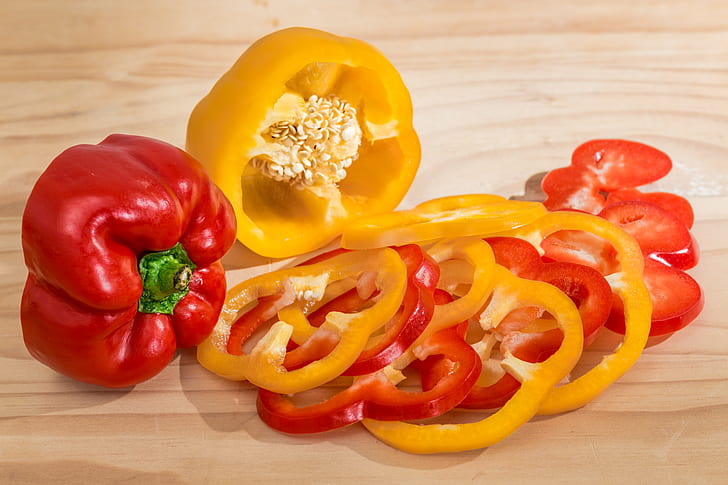
It's worth noting that while most bell peppers share a similar nutritional profile, red peppers stand out with significantly higher vitamin A content.
Vitamin A and Its Relevance to Bearded Dragons
Vitamin A plays a crucial role in a reptile's diet. Green and yellow bell peppers contain safe levels for bearded dragons, ranging from 200 to 370 IU. However, red bell peppers skyrocket with an impressive 3,131 IU of vitamin A.
Now, why is this important?
If you're using reptile supplements, most employ beta-carotene, a precursor to vitamin A found in foods, including bell peppers. In this form, it is converted to vitamin A in the amount the body needs and any excess is harmlessly excreted through urine. But if you're using human-centric supplements that contain retinoids (a synthetic form of vitamin A), there's a potential risk. Unlike beta-carotene, the body absorbs all retinoids, potentially leading to vitamin A toxicity if fed in too high amounts.
The Challenge with Oxalates
Oxalates, naturally found in many plants, can bind with calcium and hinder its absorption. This poses a potential issue for bearded dragons since they require calcium for bone health. With bell peppers containing over 100mg of oxalates per 100g, if eaten in too large amounts, their consumption can impact calcium absorption.
Balancing Calcium and Phosphorus
The calcium to phosphorus ratio (Ca:P) is a vital metric for reptile health. Phosphorus can inhibit calcium absorption, and bearded dragons thrive on a balanced or calcium-dominant ratio. However, bell peppers, especially red ones, have a higher phosphorus content compared to calcium, necessitating the need to balance their diet with calcium-rich foods when serving bell peppers.
Feeding Bell Peppers to Your Beardie: The Right Way
Preparation and portion control are essential when introducing bell peppers to your bearded dragon's diet. Considering their high phosphorus and oxalate levels, it's best to offer bell peppers sparingly, no more than once or twice a week.
Here's a simple guide to serving bell peppers:
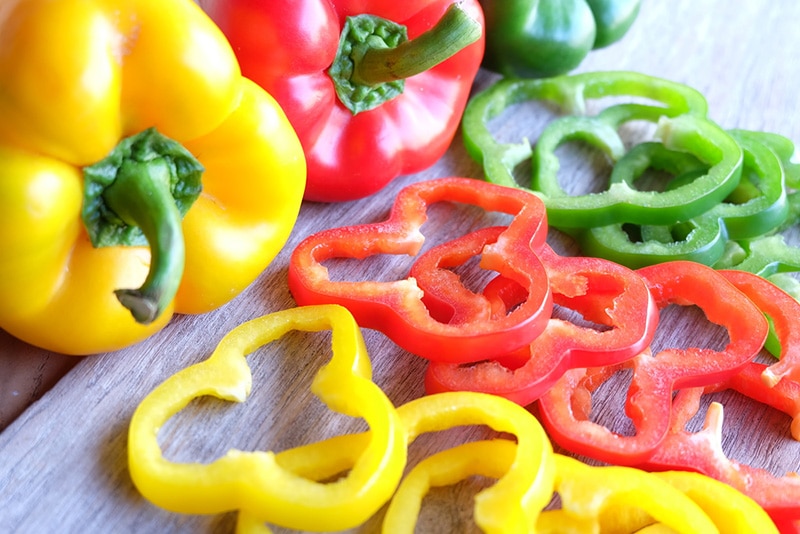
- Remove the top and seeds.
- Slice into rings.
- Further cut these rings into small approximately 1 cm cubes, no larger than the distance between your beardie's eyes.
- Combine the peppers with calcium-rich foods and serve at room temperature to maintain nutritional integrity.
In Conclusion
Yes, bearded dragons can consume bell peppers, as long as they only make up a small part of their diet overall. While they offer important nutrients, their high oxalate content and unbalanced calcium-to-phosphorus ratio mean they should be a treat rather than a staple. Variety is hugely important for bearded dragons, make sure to balance their diet with calcium-rich foods and monitor their health and behavior after introducing any new food.
See also:
Get Hepper In Your Inbox


Pet care tips from our vets and experts, straight to your inbox.
You may opt-out at any time. View our Privacy Policy for more information.
Melody Russell is an experienced pet enthusiast with a background in the animal care industry. She has worked at a zoo, served as a dedicated pet sitter, and has a passion for breeding and raising leopard geckos. As a versatile freelance writer, she excels in various genres, crafting captivating stories, informative articles, and engaging social media content. You can find her cat page, TheCommonKitties_, on Instagram, where she shares the adorable antics of her beloved feline companions. With her practical expertise and creative flair, she is eager to contribute her skills in pet care and writing to make a positive impact on the lives of animals.
Join the conversation
Ask a question, share your story, or send private feedback.